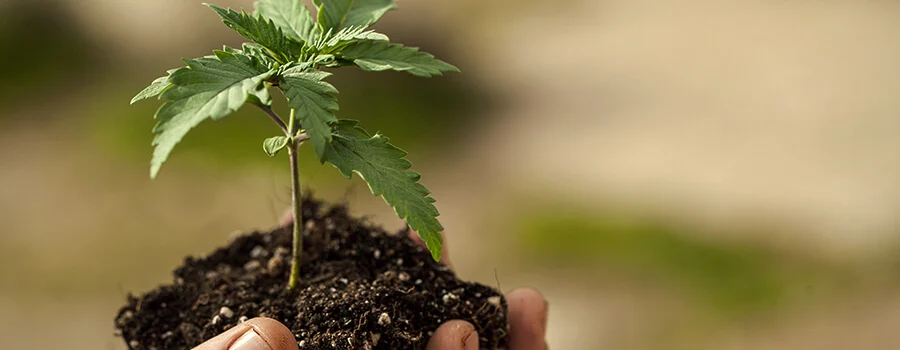
How and When to Transplant Cannabis Seedlings
Introduction
Transplanting cannabis seedlings is a critical step in the cultivation process, ensuring that your plants have the space and resources they need to grow into healthy, productive specimens. This guide will cover the optimal timing, techniques, and considerations for transplanting cannabis seedlings, helping you achieve the best possible results in your garden.
Understanding the Basics
Why Transplant Cannabis Seedlings?
Transplanting cannabis seedlings from their initial containers into larger pots or directly into the ground allows for better root development and overall plant health. Seedlings started in small pots can quickly become root-bound, restricting their growth and leading to nutrient deficiencies. By transplanting at the right time, you provide the plants with more space to grow, access to fresh nutrients, and a better environment for robust development.
When to Transplant Cannabis Seedlings
It is crucial to determine the best time to transplant your cannabis seedlings. Transplanting too early can shock the young plants, while waiting too long can lead to root-bound conditions. Here are some key indicators that your seedlings are ready for transplanting:
- Root Development: Check the root system by gently removing the seedling from its container. If the roots are circling around the bottom or sides of the container, it’s time to transplant.
- Leaf Growth: Seedlings typically have 3-5 sets of true leaves (not counting the initial cotyledon leaves) when they are ready to be transplanted.
- Size of the Plant: The height of the seedling should be about twice the diameter of its container.
Preparing for Transplanting
Choosing the Right Container
The next step is to select an appropriate container. Your growing conditions and the final size you want your plants to reach will determine the size and type of the container you choose. Common options include:
- Fabric Pots: These promote air pruning of roots, which helps prevent root-bound conditions and encourages a healthy root structure.
- Plastic Pots: A common choice for many growers, plastic pots are durable and come in various sizes.
- Grow Bags: These are flexible and can be easily stored when not in use.
Selecting the Growing Medium
A well-draining, nutrient-rich growing medium is essential for healthy cannabis plants. Popular choices include:
- Soilless Mix: A combination of peat moss, perlite, and vermiculite provides excellent drainage and aeration.
- Organic Soil: Rich in organic matter and beneficial microorganisms, organic soil can provide a natural and sustainable environment for your plants.
- Coco Coir: Made from coconut husks, coco coir is an excellent medium that retains moisture while providing good drainage.
Step-by-Step Guide to Transplanting
Step 1: Preparing the New Container
- Fill the Container: Fill the new container with your chosen growing medium, leaving enough space to accommodate the seedling’s root ball.
- Water the Medium: Lightly water the medium to ensure it is moist but not waterlogged.
Step 2: Preparing the Seedling
- Water the Seedling: Water the seedling in its original container a few hours before transplanting to reduce transplant shock.
- Loosen the Soil: Gently squeeze the sides of the container to loosen the soil and roots.
Step 3: Removing the Seedling
- Remove the Seedling: Carefully turn the container upside down, supporting the seedling with your hand, and gently tap the bottom to release the plant. Please take care not to damage the roots.
- Inspect the Roots: The roots should be checked for signs of disease or damage. The roots should be white and fibrous.
Step 4: Transplanting the Seedling
- Create a Hole: Make a hole in the new container’s growing medium that is slightly larger than the seedling’s root ball.
- Place the Seedling: Place the seedling in the hole, ensuring that the root ball is level with the surrounding medium.
- Fill in the Medium: Gently fill in around the root ball with additional growing medium, pressing lightly to remove air pockets.
Step 5: Aftercare
- Water Thoroughly: It is important to water the newly transplanted seedling thoroughly to help settle the soil and eliminate air pockets.
- Adjust Light Levels: Gradually introduce the transplanted seedling to its new environment, adjusting the light levels to prevent shock.
Common Mistakes and How to Avoid Them
- Transplanting Too Early or Too Late: Monitor the root development and plant size to ensure you transplant at the right time.
- Overwatering or Underwatering: Maintain a balanced watering schedule to prevent stress on the plants.
- Damaging the Roots: Handle seedlings gently to avoid damaging the delicate root system.
Optimizing Growth After Transplanting
Light Requirements
After transplanting, ensure your cannabis plants receive adequate light. Young seedlings need around 18-24 hours of light per day. Gradually adjust the light intensity and duration as the plants mature.
Nutrient Management
Transplanted seedlings will benefit from a balanced nutrient regimen. Start with a mild fertilizer, gradually increasing the concentration as the plants grow. Search for indications of nutritional deficiencies or excesses and make necessary adjustments.
Monitoring and Maintenance
- Check for Pests and Diseases: Inspect your plants regularly for any indications of pests or diseases and take necessary measures if necessary.
- Prune and Train: As your plants grow, consider pruning and training techniques to optimize light exposure and airflow.
Conclusion
Transplanting cannabis seedlings is a critical step that requires careful attention to timing, technique, and aftercare. By following the guidelines outlined in this guide, you can ensure a smooth transition for your seedlings, setting the stage for robust growth and a bountiful harvest. Keep an eye on your plants, modify your care plan as necessary, and enjoy the satisfying experience of growing healthy cannabis plants.
Transplanting cannabis seedlings is a nuanced process that requires understanding the plant’s needs and the growing environment. By mastering the art of transplanting, you can significantly enhance the health and productivity of your cannabis garden, whether you are a novice grower or an experienced cultivator.
Additional Tips and Considerations
Environmental Control
Maintaining optimal environmental conditions is crucial for the health of your transplanted seedlings. Key factors to consider include:
- Temperature: Keep the temperature between 70-85°F (20-30°C) during the day and slightly cooler at night. Extreme temperatures can stress the plants.
- Humidity: Seedlings prefer higher humidity levels (60-70%) to support healthy growth. Gradually reduce humidity as the plants mature.
Airflow and Ventilation
Good airflow and ventilation are essential to prevent mold and mildew and to promote strong stem development. Use fans to create gentle air movement around your plants.
Gradual Acclimatization
When transplanting seedlings, especially if moving them outdoors, it’s important to acclimate them gradually. This procedure, commonly referred to as “hardening off,” involves gradually exposing the plants to their new surroundings. Put the seeds outside for a few hours each day and then increase the time over a week.
Support Structures
Young plants may need support to stay upright, especially in windy conditions. Use stakes or cages to provide stability and prevent damage.
Transplanting Shock
Transplant shock is a common issue that can slow growth and affect plant health. To minimize transplant shock:
- Handle Seedlings Gently: Avoid rough handling of the roots and stems during transplanting.
- Use Root Stimulants: Consider using root stimulants or transplanting solutions to encourage root growth and reduce stress.
- Water Wisely: Ensure consistent moisture levels without overwatering.
Final Thoughts
Transplanting cannabis seedlings is a critical step in the cultivation process that can significantly impact the success of your grow. By paying close attention to the timing, technique, and aftercare, you can ensure your plants have the best possible start in their new environment. With careful monitoring and a little patience, you’ll be rewarded with vigorous, healthy plants ready to produce a generous harvest.

Mark Eckhart
I’ve been growing since the late 70s . I think I know what I’m doing if you order photo seeds and you get auto seeds and not know it your going to mess up. Now I’m waiting to see home many of my plants turn male when there supposed to be female.