Table of Contents
How Addictive is Marijuana ?

1. Definition of Addiction and Cannabis Use Disorder (CUD)
Marijuana can lead to Cannabis Use Disorder (CUD), a clinical condition defined by compulsive use, craving, and continued use despite negative consequences. It is considered an addictive behavior when users find it difficult to stop despite harm.
2. Role of THC and Brain Chemistry
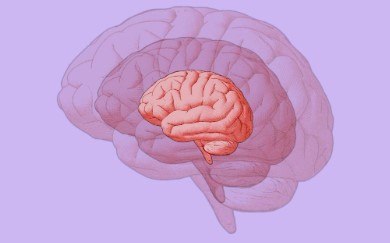
The main psychoactive compound in marijuana, delta-9-tetrahydrocannabinol (THC), alters the brain’s endocannabinoid system. With regular exposure, THC affects neurotransmitters that regulate mood, memory, and motivation, reinforcing repeated use and dependency.
3. Prevalence of Addiction
- About 9% of all users develop dependence.
- For individuals who start in adolescence, the risk rises to 17%.
- Daily users face a 25–50% chance of developing CUD.
4. Symptoms of Dependence and Withdrawal

Symptoms include:
- Cravings
- Anxiety and irritability
- Insomnia or disturbed sleep
- Appetite changes
- Restlessness
5. Severity Factors
- Age of first use (earlier = higher risk)
- Frequency and duration of use
- THC potency (high-potency strains pose greater risk)
6. Treatment Options
While no medications are FDA-approved for CUD, behavioral therapies like Cognitive Behavioral Therapy (CBT) and motivational enhancement therapy are effective.
