Table of Contents
The Honey Bananas cannabis strain is a hybrid variety that has garnered significant attention in the cannabis community due to its unique aroma, flavor profile, and effects. Known for its well-balanced effects and sweet, fruity scent, Honey Bananas provides users with an enjoyable experience both recreationally and medicinally. Its origin is a cross between two popular strains: Honey B and Banana OG.
In this detailed overview, we will examine the strain’s genetic background, appearance, aroma, flavor profile, effects, and its specific medical and recreational uses. Additionally, we will delve into scientific insights and provide a deeper understanding of how this strain interacts with the human body.
Genetic Background and Lineage
Honey Bananas is a hybrid strain, meaning it combines the characteristics of both indica and sativa strains. The lineage of Honey Bananas is derived from the crossing of Honey B and Banana OG, two strains known for their strong, fruity flavors and calming effects.
- Honey B: This strain is a hybrid with roots in both sativa and indica, contributing to Honey Bananas’ balanced effects. Honey B is known for its sweet, honey-like aroma, making it a perfect complement to Banana OG’s tropical fruity flavor.
- Banana OG: A potent indica-dominant hybrid, Banana OG is recognized for its strong banana flavor, which brings a tropical sweetness to Honey Bananas. Its effects are typically relaxing and sedating, ideal for unwinding after a long day.
By combining these two strains, Honey Bananas inherits a unique blend of genetics that creates a versatile and enjoyable experience for users, with both uplifting and calming effects.
Appearance and Physical Characteristics
Honey Bananas cannabis plants display a variety of visually appealing characteristics:
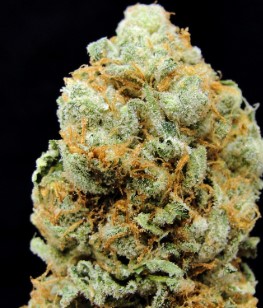
- Bud Structure: Honey Bananas buds are typically dense, medium-sized, and have a slightly round shape. The buds are often bright green, with hints of yellow or orange hues, and a thick coating of trichomes (the crystalline structures that contain cannabinoids and terpenes).
- Pistils: The strain exhibits orange and reddish pistils, which add to the colorful, vibrant appearance of the plant. These pistils curl around the buds and contribute to the overall aesthetic appeal.
- Trichome Density: Honey Bananas is often coated with a heavy layer of trichomes, giving it a sticky, resinous texture. This is indicative of its potent cannabinoid content, with high levels of THC.
Aroma and Flavor Profile
The aroma and flavor profile of Honey Bananas are among its most distinctive features. The strain has a sweet, tropical fragrance that combines elements of honey, bananas, and other fruity undertones. The complex scent is both rich and inviting, making it appealing to those who enjoy fruity and sweet aromas in their cannabis strains.
- Aroma: The dominant scent is a combination of sweet honey and ripe banana, with subtle floral notes that provide a delicate balance. Some users may also notice hints of citrus or earthy undertones, adding depth to the overall fragrance.
- Flavor: When smoked or vaped, Honey Bananas delivers a smooth and flavorful experience. The banana flavor is the most prominent, with a sugary-sweet aftertaste. The smoothness of the smoke and the sweetness of the fruit notes make it easy on the palate, while hints of honey and tropical fruit enhance the experience.
Cannabinoid and Terpene Profile
The potency of a cannabis strain is largely determined by its cannabinoid and terpene profile. Honey Bananas contains notable levels of THC and a mix of terpenes that contribute to its unique effects and flavors.
- THC Content: Honey Bananas typically contains between 18% and 24% THC, depending on the cultivation and harvest conditions. This relatively high THC content provides users with potent effects that can be both stimulating and relaxing, depending on the dosage.
- CBD Content: The CBD content in Honey Bananas is typically low, often under 1%. This makes it a less ideal choice for those specifically seeking high CBD strains for therapeutic use.
- Terpenes: Terpenes are aromatic compounds found in cannabis that influence both flavor and effects. Honey Bananas contains a variety of terpenes that contribute to its distinctive profile:
- Myrcene: This terpene is known for its earthy and musky aroma and is often found in strains with relaxing effects. Myrcene may contribute to the calming properties of Honey Bananas.
- Limonene: Known for its citrusy scent, limonene may enhance the uplifting and mood-enhancing qualities of Honey Bananas.
- Caryophyllene: Present in many cannabis strains, caryophyllene adds a spicy, peppery note and may contribute to the strain’s potential anti-inflammatory effects.
- Linalool: This floral terpene has relaxing and anti-anxiety properties, which could enhance the calming effects of Honey Bananas.
Effects of Honey Bananas
The effects of Honey Bananas are a key part of its appeal, offering users a balanced experience. Due to its hybrid genetics, it provides a mix of both uplifting and relaxing effects, making it versatile for different occasions and needs.
- Mental Effects: Users typically report a mild euphoria and uplifted mood after consuming Honey Bananas. The strain’s effects are not overwhelmingly intense but rather provide a pleasant sense of happiness and well-being. It’s known to foster creativity and focus, making it a good choice for those who want a light, functional high.
- Physical Effects: As the high progresses, users often experience a soothing, relaxing body high. Honey Bananas may induce a sense of calmness without being overly sedative. It is often described as a strain that allows users to feel relaxed yet not completely couch-locked, allowing for mobility and light activity.
- Balance: The hybrid nature of Honey Bananas makes it suitable for both day and evening use. While it has relaxing properties, it does not induce heavy sedation, which is often the case with indica-dominant strains. It’s an excellent strain for social gatherings, creative endeavors, or unwinding without the need for sleep.
Medical Uses of Honey Bananas
The medical benefits of Honey Bananas are largely derived from its THC content and its specific terpene profile. It is known for its ability to provide relief from various symptoms, making it a useful strain for medical cannabis patients.
- Pain Relief: Honey Bananas is often used by patients dealing with chronic pain. The strain’s relaxing effects can help reduce inflammation and soothe muscle spasms, making it useful for those suffering from conditions like arthritis, back pain, and fibromyalgia.
- Stress and Anxiety: The uplifting mental effects combined with the calming physical high can help alleviate stress and anxiety. Honey Bananas is commonly used by those who need a mild mood boost without experiencing overwhelming paranoia or anxiety, which can sometimes occur with higher THC strains.
- Sleep Disorders: While Honey Bananas does not have the strong sedative effects of some indicas, its relaxing properties may still aid in promoting better sleep for individuals with mild insomnia or trouble falling asleep due to anxiety or stress.
- Appetite Stimulation: Like many cannabis strains, Honey Bananas can stimulate appetite, which may benefit individuals dealing with nausea or a loss of appetite, such as those undergoing chemotherapy.
Recreational Uses of Honey Bananas
Honey Bananas is a popular strain for recreational use due to its balanced effects, pleasant aroma, and enjoyable flavor profile.
- Social Interactions: Due to its mood-enhancing and uplifting effects, Honey Bananas is an excellent choice for social situations. Whether it’s a casual gathering with friends or a more intimate setting, the strain helps users feel happy, relaxed, and engaged without overwhelming them.
- Creative Activities: Honey Bananas is known for enhancing creativity, making it a good option for artists, musicians, or anyone looking to tap into their creative flow. Its mild mental stimulation can help boost focus and inspire new ideas.
- Outdoor Activities: Because Honey Bananas does not induce heavy sedation, it can be enjoyed during outdoor activities such as hiking or exploring nature. It provides a sense of calm without impairing physical mobility, making it suitable for enjoying the outdoors.
Methods of Cultivation
Cultivating the Honey Bananas cannabis strain involves a range of factors that influence its growth, yield, and overall quality. Successful cultivation requires an understanding of the strain’s genetic traits, preferred environmental conditions, and the best practices for maximizing potency, flavor, and aroma. Below is a detailed look at the scientific aspects of cultivating Honey Bananas, including its environmental requirements, growing techniques, and cultivation considerations.
Genetic Traits and Cultivation Challenges
As a hybrid strain, Honey Bananas inherits a mix of indica and sativa characteristics. This hybrid nature influences several aspects of cultivation, including its growth structure, flowering time, and resistance to diseases and pests.
- Indica Traits: With its indica influence, Honey Bananas plants tend to have a bushier, more compact structure, which can be advantageous in limited spaces like indoor gardens. Indicas typically have short to medium heights and thicker foliage, which may require periodic pruning to maintain airflow and prevent mold or mildew.
- Sativa Traits: The sativa influence, typically present in strains like Banana OG, contributes to a more elongated growth pattern. Although Honey Bananas’ growth may not be as tall as a pure sativa, growers should still expect plants to stretch during the vegetative phase. Proper training techniques, such as low-stress training (LST) or topping, can be used to control this vertical growth.
Environmental Factors
- Temperature: Honey Bananas thrives in temperatures ranging between 70°F and 80°F (21°C – 27°C) during the day. Night temperatures should be slightly cooler, ideally in the range of 60°F to 70°F (15°C – 21°C). Excessively high temperatures can stress the plants, leading to reduced yields and potentially damaging the terpenes and cannabinoids that give the strain its characteristic flavor and potency.
- Light: Honey Bananas requires strong, consistent light to support its growth. Indoors, many growers use high-pressure sodium (HPS) or LED grow lights to provide the necessary spectrum for both vegetative and flowering stages. The light cycle should be around 18 hours of light and 6 hours of darkness during the vegetative phase and 12 hours of light and 12 hours of darkness during the flowering phase. For outdoor cultivation, Honey Bananas benefits from full sun exposure, with long daylight hours during the summer.
- Humidity: This strain prefers a moderate humidity level of around 40-60%. In the vegetative stage, slightly higher humidity can help promote healthy leaf development, while lower humidity during the flowering stage can help prevent mold and mildew. Excess moisture can be detrimental, especially during the flowering phase when buds are dense and susceptible to fungal infections.
- Airflow and Ventilation: Proper airflow is crucial for preventing the development of diseases like powdery mildew or botrytis (bud rot). This is particularly important in indoor settings, where the airflow can be controlled with fans and air exchange systems to reduce humidity buildup.
Growing Techniques
- Low-Stress Training (LST): LST is a technique that involves gently bending the branches of the plant to encourage horizontal growth. This method helps to expose more of the plant’s canopy to light, leading to more even bud development. Since Honey Bananas can exhibit both indica and sativa characteristics, LST can help control its growth and prevent it from becoming too tall or bushy.
- Topping and Fimming: Topping involves cutting off the main stem to promote the growth of side branches. This method can be effective for controlling the height of the plant and encouraging a more bushy growth pattern. Fimming, a similar technique, involves trimming the top of the plant slightly below the new growth tips, stimulating multiple new growth sites. Both methods are especially useful for maintaining control over plant size and ensuring uniform bud development.
- Screen of Green (SCROG): This method uses a horizontal screen to evenly spread out the branches of the plant. SCROG is particularly useful for maximizing the use of light and increasing the yield of plants grown in smaller spaces. The technique works well with Honey Bananas, as it helps expose the lower branches to light and encourages more bud sites to form.
- Pruning and Defoliation: During the vegetative phase, it is important to regularly prune the plants to remove any dead or yellowing leaves. This helps to improve airflow and prevents potential pest issues. In the flowering phase, defoliation (removing large fan leaves) can help ensure that the buds receive enough light and nutrients for optimal development.
Flowering and Harvesting
Honey Bananas typically has a flowering time of around 8 to 10 weeks, depending on environmental factors and growing conditions. The strain is known for producing dense, resinous buds that are rich in cannabinoids, making the flowering period crucial to its final quality.
- Flowering Cycle: As a hybrid, Honey Bananas may exhibit slight variations in flowering times based on whether it leans more towards the indica or sativa side. Generally, indoor growers can expect harvest-ready buds within 8 to 10 weeks, while outdoor growers should aim for a mid-October harvest for the best results.
- Trichome Development: A key indicator for harvest is the appearance of the trichomes (tiny, crystal-like structures on the buds). When the trichomes appear cloudy and milky, it indicates the peak THC content. For a more sedative effect, waiting until some of the trichomes turn amber is common. For a more uplifting high, harvesting at the peak of milky trichomes will preserve the strain’s energizing properties.
- Drying and Curing: After harvest, it is crucial to dry the buds in a cool, dark, and well-ventilated area. This process typically takes 7 to 10 days, after which the buds should be carefully cured in glass jars for several weeks. Curing helps preserve the terpenes and cannabinoids while improving the flavor and potency of the final product.
Pest and Disease Management
Like all cannabis strains, Honey Bananas is susceptible to certain pests and diseases, especially when cultivated indoors or in humid environments. Implementing integrated pest management (IPM) strategies is essential to maintaining a healthy crop.
- Common Pests: Honey Bananas may attract pests such as spider mites, aphids, and whiteflies. Using natural predators like ladybugs or introducing beneficial nematodes can help control pest populations. Additionally, regular inspection of plants for signs of infestation can help catch problems early.
- Fungal Infections: Powdery mildew and botrytis (bud rot) are common fungal issues in cannabis cultivation, especially when humidity levels are too high. Ensuring good airflow, using fungicides (if necessary), and maintaining proper humidity can help prevent these issues.
Conclusion
In conclusion, Honey Bananas is a well-rounded hybrid cannabis strain that offers a balanced combination of both uplifting and relaxing effects. Its unique flavor profile, which combines sweet honey and tropical banana notes, makes it a pleasant strain for both medicinal and recreational consumers.
Its effects are suitable for a wide range of activities, from social interactions to creative endeavors, while its medicinal properties make it effective for managing pain, anxiety, and sleep disorders. Honey Bananas’ combination of high THC content, favorable terpene profile, and balanced effects make it a popular option among cannabis users.
By understanding the genetics, effects, and specific uses of Honey Bananas, consumers can make an informed choice about whether this strain is suitable for their needs. Whether for recreational enjoyment or medicinal relief, Honey Bananas provides a well-rounded experience that can enhance both mood and well-being.
For a complete directory of cultivars, visit our Cannabis Strain Reviews.
