Table of Contents
Holy Grail Kush is a highly sought-after hybrid cannabis strain, known for its potent effects, complex aroma, and significant medicinal benefits. This strain is a cross between two powerhouse varieties: the well-known OG Kush and the legendary Kosher Kush. Holy Grail Kush is often celebrated for its balanced profile, delivering a combination of both cerebral stimulation and body relaxation. This strain has gained a strong following among both recreational and medical cannabis users for its therapeutic potential, as well as its enjoyable high.
Genetics and Background
- Parent Strains: Holy Grail Kush is a cross between OG Kush and Kosher Kush. Both parent strains are renowned for their powerful effects, making Holy Grail Kush a particularly strong contender in the cannabis world.
- OG Kush: OG Kush is a highly revered strain in the cannabis community, originating from California. It is known for its potency, having high THC levels, and its signature piney, earthy aroma with hints of citrus.
- Kosher Kush: Kosher Kush is a renowned strain for its heavy, relaxing effects. It also has an earthy, diesel-like scent and is often praised for its therapeutic uses.
- Strain Type: Holy Grail Kush is a hybrid strain with a balance between Indica and Sativa. However, its effects often lean slightly towards the Indica side, providing relaxation and stress relief while still offering mental clarity and euphoria.
- THC and CBD Content: Holy Grail Kush typically contains THC levels ranging from 18% to 22%, with some phenotypes reaching as high as 25%. Its CBD content is usually low, generally around 0.5% to 1%. This makes the strain more suited for users looking for a strong psychoactive effect, rather than therapeutic benefits from CBD.
Appearance and Aroma
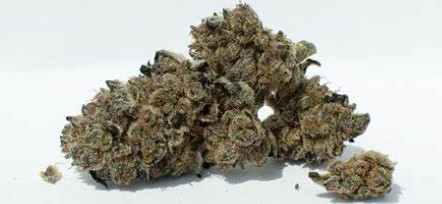
- Appearance: The Holy Grail Kush buds are dense and tightly packed, showcasing a beautiful array of colors. The flowers are typically deep green, with vibrant orange pistils and a thick coating many trichomes, making them appear icy and nearly white. The buds are often medium to large in size and are beautifully shaped, with a slightly lumpy appearance due to the dense structure.
- Aroma: The aroma of Holy Grail Kush is complex and multifaceted. It features a mix of earthy, piney, and citrus notes from the OG Kush parent, with additional undertones of diesel and skunk from the Kosher Kush lineage. The fragrance can be pungent, so it’s important to be mindful of the smell when consuming or growing this strain. The scent profile is often described as earthy, spicy, and slightly sweet, making it quite distinct from other Kush varieties.
- Flavor: The flavor of Holy Grail Kush closely mirrors its aroma, with earthy and herbal notes dominating the palate. Upon exhalation, there’s often a spicy, diesel-like aftertaste, which some users find quite satisfying. It has a smooth smoke, making it enjoyable for those with a preference for classic Kush flavors.
Effects of Holy Grail Kush
The effects of Holy Grail Kush are often described as balanced, providing both mental stimulation and physical relaxation. This makes it an ideal strain for a variety of occasions, whether it’s used recreationally or for medical purposes.
- Recreational Effects:
- Euphoria: Holy Grail Kush produces an uplifting high that begins with a sense of euphoria. Users often report a boost in mood, which can promote social interaction and creative thinking. This makes it ideal for use in social settings, as it helps users feel more connected to those around them.
- Relaxation: Following the euphoric onset, Holy Grail Kush provides a deep body relaxation, helping to ease tension and stress. This relaxation can sometimes feel sedative, particularly if consumed in higher doses.
- Mental Clarity: Despite the relaxing body high, Holy Grail Kush doesn’t typically induce a foggy or lethargic state. Instead, users often experience a clear-headed high, allowing them to remain productive or focused on creative tasks.
- Stress Relief: The balanced effects of Holy Grail Kush make it a popular choice for those seeking a strain that can provide both relaxation and mental stimulation.
- Medical Effects:
- Pain Relief: Holy Grail Kush’s relaxing properties make it effective for managing physical pain. Many users report relief from chronic pain, including muscle tension, arthritis, and back pain. The body-high effects provide a soothing experience for those suffering from physical discomfort.
- Stress and Anxiety: This strain’s ability to balance mental clarity with relaxation makes it a popular choice for those with stress or anxiety. Holy Grail Kush can help users unwind without causing too much sedation, making it useful for day-time use.
- Insomnia and Sleep Disorders: Due to its sedative effects, Holy Grail Kush can be particularly helpful for those who struggle with sleep disorders like insomnia. It’s often used in the evening to help promote rest and relaxation before sleep.
- Appetite Stimulation: Like many cannabis strains, Holy Grail Kush can stimulate appetite, which makes it helpful for individuals who struggle with eating disorders, loss of appetite, or the nausea associated with chemotherapy.
- Muscle Relaxation: The strain’s muscle-relaxing properties make it an ideal option for those experiencing muscle spasms, cramps, or general muscle tension.
Scientific Insights: Terpene and Cannabinoid Profile
- Terpene Profile: Terpenes are aromatic compounds found in cannabis that contribute to the strain’s flavor and aroma. They also play a role in the strain’s effects on the body and mind. Holy Grail Kush has a rich terpene profile that includes:
- Myrcene: Known for its musky, earthy scent, myrcene is a common terpene in many cannabis strains. It has relaxing, sedative effects and is often associated with the “couch-lock” sensation.
- Limonene: Limonene is a citrus-scented terpene that has uplifting, anti-anxiety effects. It is often used in strains that promote mood enhancement and relaxation.
- Caryophyllene: This spicy, peppery terpene is known for its anti-inflammatory and analgesic properties. Caryophyllene also interacts with the body’s CB2 receptors, making it particularly useful for pain management.
- Pinene: Pinene has a fresh, pine-like aroma and is known for its memory-enhancing and anti-inflammatory properties. It may also help with respiratory issues.
- Linalool: With a floral lavender aroma, linalool is known for its calming effects and potential to alleviate stress and anxiety.
- Cannabinoid Profile: The primary cannabinoids in Holy Grail Kush are THC and CBD.
- THC: The high THC content (ranging from 18% to 22%) is the main driver behind the strain’s euphoric and relaxing effects. THC is responsible for the psychoactive effects that induce the high and contribute to the medicinal benefits, such as pain relief and appetite stimulation.
- CBD: The CBD content in Holy Grail Kush is generally low (around 0.5% to 1%). While CBD has various therapeutic benefits, such as anti-inflammatory and anti-anxiety properties, the low CBD content means that Holy Grail Kush is more potent in terms of its psychoactive effects.
Cultivation of Holy Grail Kush
Holy Grail Kush is a relatively easy strain to cultivate for growers with some experience, but it can be a bit finicky for beginners. It thrives in both indoor and outdoor environments, though it typically performs best in a controlled indoor environment.
1. Environmental Factors for Growth
Holy Grail Kush, like many cannabis strains, thrives in specific environmental conditions that ensure optimal growth. These factors include temperature, humidity, light, and air circulation, which all play a vital role in plant development. Below are the key aspects of HGK’s ideal growth conditions:
- Temperature:
- Optimal Range: The ideal temperature range for Holy Grail Kush is between 68°F to 80°F (20°C to 27°C). This range mimics its native Mediterranean climate, where it would naturally grow.
- Day vs. Night Temperature: During the daytime, temperatures should remain steady within this range. However, lowering the temperature slightly at night (about 5-10°F cooler) can help promote healthier growth and the development of aromatic terpenes.
- Humidity:
- Vegetative Stage: Holy Grail Kush plants prefer moderate humidity levels during the vegetative stage (about 60-70%). This humidity helps the plant develop strong, healthy leaves and roots.
- Flowering Stage: During the flowering stage, the humidity should be reduced to around 40-50% to prevent the development of mold or mildew, which could affect the buds’ quality.
- Scientific Basis: Cannabis plants need water vapor for transpiration (the process of water movement through plants), but too much humidity can prevent proper gas exchange. The reduced humidity in the flowering stage ensures healthy bud formation and reduces the likelihood of mold formation, especially in dense buds like those of Holy Grail Kush.
- Light:
- Light Requirements: Holy Grail Kush requires high-intensity lighting to maximize photosynthesis. When grown indoors, growers typically use LED lights or HPS (High-Pressure Sodium) lights.
- Light Cycle:
- Vegetative Stage: During vegetative growth, the plant needs 18 hours of light and 6 hours of darkness. This helps to stimulate leaf and branch growth.
- Flowering Stage: To trigger flowering, the light cycle needs to be reduced to 12 hours of light and 12 hours of darkness. This simulates the shortening days of fall and triggers the plant’s hormonal shift towards flower production.
- Air Circulation: Proper air circulation is essential for preventing mold, mildew, and pest infestations. Cannabis plants require good ventilation, especially in the flowering stage, to allow proper gas exchange (CO2 in, oxygen out). This can be achieved using oscillating fans and a carbon filter to maintain airflow and control odor.
2. Soil vs. Hydroponics
Cultivators can choose between soil-based growing and hydroponics. Both methods can work well for Holy Grail Kush, but they each have their benefits and challenges:
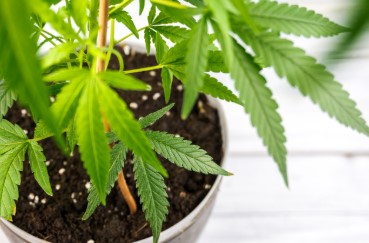
- Soil Cultivation:
- Advantages: Growing in soil allows for the most natural approach. The soil provides essential nutrients like nitrogen, phosphorus, and potassium, as well as micronutrients that are slowly released over time. Soil also has a greater buffer capacity, meaning it’s less likely to result in nutrient deficiencies or toxicities. Soil-grown plants tend to have a fuller, richer taste and aroma.
- Disadvantages: Soil requires more attention to pH balance and may need more frequent watering. For Holy Grail Kush, the ideal pH range for soil cultivation is 6.0 to 6.5.
- Hydroponic Cultivation:
- Advantages: Hydroponic systems allow for faster growth rates and more control over nutrients. Since the roots are submerged in water, they can access nutrients more efficiently. This leads to potentially higher yields in a shorter time frame.
- Disadvantages: Hydroponic systems can be more complicated to set up and maintain. They require constant monitoring of nutrient solutions and pH levels. Holy Grail Kush in hydroponics typically requires a pH level of 5.5 to 6.5. Additionally, if nutrient levels are imbalanced, plants can quickly show signs of stress.
- Soil vs. Hydroponics for Holy Grail Kush: While both methods work, many growers favor soil for Holy Grail Kush because the strain benefits from a more organic growing medium that enhances its terpene and cannabinoid profile. However, for those looking to optimize yield and accelerate growth, hydroponics can be a viable choice.
3. Nutrients and Feeding Schedule
Holy Grail Kush, like most cannabis plants, has specific nutritional needs during different growth phases.
- Vegetative Stage:
- During the vegetative stage, the plant requires a higher ratio of nitrogen (N) to support leaf and stem development. A typical nutrient solution might have a ratio of 3:1:2 (N:P:K).
- In this phase, Holy Grail Kush’s nutrient needs are focused on building the root system and supporting the growth of the plant’s overall structure. The plant will also require smaller amounts of secondary nutrients like calcium (Ca), magnesium (Mg), and sulfur (S).
- Micronutrients: Magnesium is especially crucial for the production of chlorophyll, which is necessary for photosynthesis. Calcium helps with cell wall development and resistance to disease.
- Flowering Stage:
- As the plant enters the flowering stage, it requires more phosphorus (P) and potassium (K) for bud development and resin production. A typical nutrient ratio in this stage might shift to 1:3:2 (N:P:K).
- Phosphorus helps with root and flower development, while potassium promotes overall plant health, disease resistance, and enhances the quality of the buds.
- Over-fertilizing during the flowering stage can lead to nutrient burn, which manifests as yellowing tips on leaves. It’s essential to avoid excess nitrogen during this phase to prevent plants from focusing on vegetative growth rather than flowering.
- Nutrient Delivery:
- Soil: Nutrients are delivered in a more gradual fashion through watering. Organic amendments such as compost, worm castings, or bat guano can also be added to enhance the soil.
- Hydroponics: Nutrients are delivered directly to the roots via a water-based solution. The nutrient levels must be carefully monitored using a TDS meter (Total Dissolved Solids) to avoid over-fertilization or nutrient deficiencies.
4. Pruning and Training Techniques
- Topping:
- Cutting off the top of the main stem is known as “topping,” because it encourages the plant to grow multiple colas (flowering sites). This is usually done in the early vegetative stage.
- Scientific Basis: Topping causes the plant to release growth hormones (auxins), which redirects energy from vertical growth to lateral growth, resulting in a bushier plant with more bud sites.
- Low-Stress Training (LST):
- LST involves bending and tying down branches to promote horizontal growth, allowing light to reach more parts of the plant.
- Scientific Basis: By exposing more bud sites to light, LST increases overall photosynthesis and maximizes yield without damaging the plant.
- Defoliation:
- Removing some of the larger leaves to allow better airflow and light penetration to lower bud sites can improve plant health.
- Scientific Basis: Removing excessive foliage helps the plant direct its energy into bud production, as leaves are no longer blocking light from reaching lower areas.
5. Flowering and Harvesting
Holy Grail Kush generally has a flowering time of 8-9 weeks, which is typical for many hybrid cannabis strains.
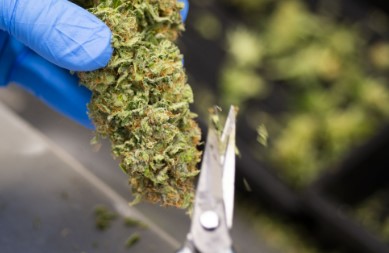
- Trichome Development: During the flowering period, Holy Grail Kush develops an abundance of trichomes (resin glands), which contain cannabinoids (THC, CBD) and terpenes. The trichomes appear clear initially, turning milky white as the plant matures and then amber as they reach full maturity.
- Scientific Basis: The development of trichomes correlates with the production of THC. The longer a grower waits before harvesting, the higher the THC content will be. However, waiting too long can lead to a more sedative, couch-lock effect.
- Harvesting Time: Most growers harvest Holy Grail Kush when the trichomes are mostly milky with just a few amber-colored trichomes. This results in the desired balance between potency and flavor.
Conclusion
Holy Grail Kush is a hybrid cannabis strain that offers a combination of relaxing and uplifting effects, making it suitable for both recreational and medical use. It provides relief from stress, pain, and anxiety while also promoting mental clarity and creative thinking. The complex aroma, blending earthy, citrus, and diesel notes, is one of the strain’s standout features. Holy Grail Kush’s relatively high THC content contributes to its powerful effects, while its low CBD content makes it more suitable for users seeking a potent psychoactive experience. Whether you’re looking for relief from chronic pain or simply want to unwind after a long day, Holy Grail Kush is a versatile strain with a lot to offer.
For a complete directory of cultivars, visit our Cannabis Strain Reviews.
