Table of Contents
Hog’s Breath is a well-known hybrid cannabis strain recognized for its potent effects, earthy aroma, and versatility in both medical and recreational contexts. A strain that is highly regarded for its consistent effects, it has grown in popularity due to its relatively easy-to-cultivate nature, unique flavor profile, and the wide array of medicinal and recreational benefits it provides.
1. Genetics and Origin
Hog’s Breath is a hybrid cannabis strain that is typically considered a cross between two distinct and powerful parent strains: Afghan Kush and Northern Lights #1. Both of these parent strains are legendary in their own right, contributing to Hog’s Breath’s well-rounded characteristics, which include the ability to deliver both relaxing and uplifting effects.
- Afghan Kush: A pure Indica strain known for its calming and sedative effects, Afghan Kush contributes to Hog’s Breath’s ability to relax the body and mind.
- Northern Lights #1: A hybrid strain known for its euphoric, uplifting effects. It is often used by consumers seeking a happy, relaxed, and mellow experience.
2. Appearance
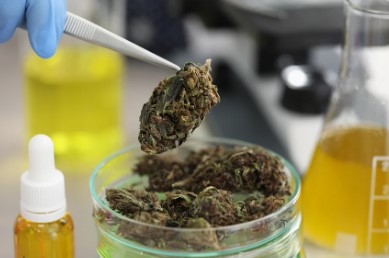
- Buds: The buds of Hog’s Breath are dense and have a bulbous shape. They are usually deep green with orange pistils (hairs) poking out.
- Trichomes: These small, crystalline structures coat the buds, giving them a frosty appearance. They contain high concentrations of cannabinoids, such as THC and CBD, which contribute to the strain’s potency.
- Aroma: Hog’s Breath has a pungent, earthy aroma with notes of pine, musk, and a subtle sweetness. It is often described as “skunky” or “funky,” with some users detecting a woody scent reminiscent of damp earth.
- Flavor: The flavor profile mirrors its aroma with a woody, musky taste. Some users also report hints of citrus and a slight spiciness on the exhale, making for a complex flavor profile.
3. Cannabinoid and Terpene Profile
- THC Content: Hog’s Breath typically has a moderate to high THC content ranging from 18% to 22%. This makes it a potent strain, capable of delivering powerful effects, particularly in the recreational context.
- CBD Content: Hog’s Breath is not known for high CBD content, which is usually found in the range of 0.1% to 1%. While it may provide some therapeutic benefits for certain conditions, its primary effects are driven by THC.
- Terpene Profile: The terpene profile of Hog’s Breath is complex and is a major contributing factor to its aroma and effects. Common terpenes found in Hog’s Breath include:
- Myrcene: Known for its musky, earthy smell, myrcene is a calming terpene that contributes to the strain’s relaxing effects.
- Limonene: Present in smaller amounts, limonene is often associated with a citrusy aroma and has been linked to mood-enhancing properties.
- Caryophyllene: This terpene contributes to the spicy, peppery notes and may have anti-inflammatory and analgesic effects.
- Pinene: A terpene found in many strains, pinene gives Hog’s Breath a slightly piney scent and may offer benefits for memory retention and respiratory health.
4. Recreational Uses of Hog’s Breath
4.1 Relaxation and Stress Relief
The Indica-dominant nature of Hog’s Breath makes it an ideal strain for users seeking to unwind after a long day. The sedative properties of Afghan Kush contribute to a deep sense of relaxation, making it perfect for evening use or unwinding before bed.
- Users often report a soothing body high that alleviates muscle tension and promotes a sense of calm. This makes Hog’s Breath ideal for people who are looking to ease their stress or anxiety.
4.2 Mood Enhancement and Euphoria
Hog’s Breath, while mostly relaxing, also contains uplifting Sativa effects from its Northern Lights #1 lineage. These effects often include a sense of happiness, creativity, and light euphoria.
- It is not uncommon for users to feel a boost in mood, which can make it a good choice for social gatherings or creative activities where a calm yet slightly euphoric state is desired.
4.3 Sleep Aid
Hog’s Breath is known for its strong sedative properties, which makes it an excellent choice for users dealing with insomnia or those who struggle to fall asleep. Its calming effects make it easier to unwind, helping to reduce restlessness and promote a more peaceful night’s sleep.
- The heavy body relaxation, combined with the cerebral calm, creates an ideal sleep-inducing experience.
4.4 Social Interaction
Despite its deeply relaxing nature, Hog’s Breath is also known to provide a clear-headed, mild euphoric boost that can enhance social experiences. It can foster conversation, laughter, and a general sense of happiness.
5. Medical Uses of Hog’s Breath
Hog’s Breath is favored by many medical cannabis users for its potent therapeutic benefits. The combination of THC and terpenes works well for various medical conditions, offering relief from both physical and mental health issues. Below are the primary medical uses for Hog’s Breath:
5.1 Pain Relief
As an Indica-dominant strain, Hog’s Breath is commonly used to manage chronic pain, including conditions like arthritis, muscle spasms, and general body aches. The strain’s relaxing effects help reduce physical tension, easing pain and discomfort.
- The anti-inflammatory properties of the strain, boosted by terpenes like caryophyllene, can further support pain management.
5.2 Insomnia
For patients with insomnia or other sleep disorders, Hog’s Breath can be a valuable tool. Its strong sedative effects help users unwind and prepare for rest, promoting a full night’s sleep.
- It has been reported by many users as effective for people suffering from chronic insomnia or those who struggle with falling or staying asleep.
5.3 Anxiety and Stress Relief
Hog’s Breath’s calming effects are often used to treat anxiety and stress disorders. The soothing body effects combined with a mild euphoria can help individuals relax without feeling overly sedated or anxious.
- It may help individuals cope with general stress, as well as with anxiety-related issues, by lowering mental tension and creating a calm, positive outlook.
5.4 Muscle Relaxation and Spasticity
The deep physical relaxation induced by Hog’s Breath can be beneficial for those suffering from muscle spasms, spasticity, or conditions such as multiple sclerosis. Its ability to relax the muscles without the heavy sedation of stronger Indicas makes it a practical choice for medical users in need of relief.
5.5 Appetite Stimulation
Similar to many other cannabis strains, Hog’s Breath is known to stimulate appetite. The mild euphoria and relaxation can help individuals who suffer from appetite loss due to conditions like cancer treatment or gastrointestinal disorders.
- This appetite-boosting effect makes it a helpful strain for patients with conditions that cause nausea or poor appetite.
6. Growing Hog’s Breath
Hog’s Breath, like many other cannabis strains, requires specific care and attention for optimal cultivation. Below is a deeper dive into the scientific principles and methods involved in growing this strain, including considerations for its environment, growth cycle, and unique traits that affect cultivation.
1. Optimal Growing Conditions
To successfully cultivate Hog’s Breath, certain environmental factors need to be met. These factors include light, temperature, humidity, and the type of medium in which the plant grows. The goal is to create a conducive environment that supports robust plant health and maximizes cannabinoid production.
1.1 Temperature
Cannabis plants, including Hog’s Breath, thrive in moderate to warm temperatures. Ideal daytime temperatures for the strain are between 70°F to 85°F (21°C to 29°C). At night, temperatures should drop slightly to mimic natural diurnal fluctuations, staying within 60°F to 70°F (15°C to 21°C).
- Scientific Insight: Maintaining proper temperature regulation during the growing cycle is crucial for the plant’s ability to produce resin (which contains cannabinoids like THC and CBD) and for maintaining the health of the root system. Excessively high or low temperatures can stress the plant, reduce yields, and lower cannabinoid content.
1.2 Light Requirements
Hog’s Breath is a photoperiod plant, meaning it requires a cycle of light and dark hours to flower. During the vegetative stage, cannabis plants need about 18 hours of light and 6 hours of darkness per day. Once the plant transitions to the flowering stage, the light cycle should be reduced to notify the plant when to flower, expose it to 12 hours of light and 12 hours of darkness.
- Scientific Insight: The light intensity influences photosynthesis and overall plant growth. Cannabis uses light energy to drive chlorophyll production, which in turn synthesizes carbohydrates essential for cell growth and resin production. The reduction in light exposure during the flowering stage helps trigger hormonal changes that induce flower production.
1.3 Humidity Levels
Humidity is another crucial environmental factor that must be controlled during cultivation. In the vegetative phase, a relative humidity (RH) of 60-70% is ideal. During the flowering phase, reducing the humidity to around 40-50% RH is beneficial to prevent mold growth and bud rot, which are common problems for dense, resinous strains like Hog’s Breath.
- Scientific Insight: Excessive humidity during the flowering phase promotes the growth of mold and mildew, particularly in dense buds that retain moisture. Lower humidity reduces the likelihood of fungal diseases and helps the plant focus energy on flower development rather than excessive moisture retention.
2. Soil and Growing Medium
The choice of growing medium plays a pivotal role in the success of cultivating Hog’s Breath. There are two main methods of cultivation: soil-based cultivation and hydroponics. Both approaches have their benefits and challenges.
2.1 Soil Cultivation
When growing in soil, it is best to use well-draining, nutrient-rich soil that is pH balanced, ideally around 6.0 to 7.0 for optimal nutrient uptake. Soils that are too acidic or alkaline can hinder the plant’s ability to absorb key nutrients like nitrogen, phosphorus, and potassium, which are essential for growth.
- Scientific Insight: The pH of the soil affects the availability of essential nutrients. A pH level outside the optimal range leads to nutrient deficiencies or toxicities, which can manifest in symptoms like yellowing leaves or stunted growth.
2.2 Hydroponics
Hydroponic systems, which involve growing plants without soil in a nutrient solution, are another option for Hog’s Breath. Hydroponics allows for precise control over nutrient levels and provides the plants with a more efficient way of absorbing nutrients and oxygen.
- Scientific Insight: In hydroponics, the nutrient solution’s pH needs to be carefully maintained, typically in the range of 5.5 to 6.5. This ensures that the cannabis plants can absorb the right amount of nutrients while preventing root rot and other problems associated with over-watering or soil-based diseases.

3. Vegetative Stage
The vegetative stage is the first phase of the growth cycle, during which the plant focuses on growing stems, roots, and leaves. Hog’s Breath plants tend to be relatively bushy, so regular pruning and training techniques can help maximize light penetration to lower branches and increase overall yields.
3.1 Pruning and Training
Pruning and training are crucial for maximizing light exposure and ensuring the plant grows efficiently. Techniques like topping, low-stress training (LST), and defoliation are commonly used during the vegetative phase.
- Topping involves cutting off the top growth to encourage lateral branching, resulting in a bushier plant with more bud sites.
- Low-Stress Training (LST) involves gently bending and tying down branches to expose more of the plant to light, promoting more even growth.
- Defoliation involves removing some leaves to allow better airflow and light penetration to the lower parts of the plant.
3.2 Scientific Insight
Pruning and training techniques can increase the surface area for photosynthesis and enhance cannabinoid production by ensuring more light hits the bud sites. The plant produces more terpenes and cannabinoids when it is exposed to optimal levels of light and nutrients.
4. Flowering Stage
The flowering stage is triggered by the reduction in light exposure to 12 hours of light and 12 hours of darkness. During this stage, the plant’s focus shifts from vegetative growth to bud production.
4.1 Flowering Duration
Hog’s Breath generally has a flowering time of 8-9 weeks. The plant needs this time to develop its dense, resin-coated buds.
- Scientific Insight: During flowering, the plant undergoes a process called photoperiodic flowering, in which the reduction of light signals hormonal changes that trigger the production of flowers. The plant’s pistils (female reproductive organs) become more prominent, and the flowers grow in size, eventually maturing into buds rich in cannabinoids and terpenes.
4.2 Nutrient Management
During the flowering stage, the plant requires different nutrients than in the vegetative phase. It needs higher levels of phosphorus and potassium for bud formation and development. Conversely, nitrogen should be reduced, as excessive nitrogen during flowering can result in leafy, low-quality buds.
- Scientific Insight: Phosphorus is essential for energy transfer within the plant, promoting flower and root development. Potassium helps with overall plant health, photosynthesis, and enzyme activation, all of which are crucial for maximizing yield and cannabinoid content during flowering.
5. Harvesting and Curing
After 8-9 weeks of flowering, Hog’s Breath will be ready for harvest. The timing of the harvest is important to ensure the plant has reached its maximum cannabinoid potential.
5.1 Harvesting
Harvesting should be done when the trichomes (small, resinous glands) are fully matured. The trichomes will appear cloudy or milky white, and some may start to turn amber, indicating peak THC levels. A product that is harvested too early may be less effective than one that is harvested too late can lead to a more sedative and less euphoric effect.

5.2 Curing
After harvesting, curing is the final step that significantly enhances the aroma, flavor, and potency of the cannabis. The buds are dried slowly in a controlled environment with low humidity (around 60%) and a temperature of around 60-70°F (15-21°C). After the drying process, buds are placed in glass jars for curing, where they continue to improve over several weeks.
- Scientific Insight: Proper curing allows for the breakdown of chlorophyll and the enhancement of terpenes, which are responsible for the aroma and flavor. Curing also helps improve the smoothness and overall smoking experience by reducing harshness.
6. Pest and Disease Management
Hog’s Breath plants, like all cannabis strains, are susceptible to certain pests and diseases. Common threats include aphids, spider mites, and powdery mildew. Integrated pest management (IPM) strategies, such as using natural predators, neem oil, or other organic treatments, are recommended to keep these pests in check.
- Scientific Insight: Maintaining optimal growing conditions and ensuring proper air circulation can significantly reduce the likelihood of pest infestations and disease outbreaks. Pests and disease can cause damage to the plant’s leaves, buds, and overall health, which may affect both the yield and the cannabinoid production.
7. Conclusion
Hog’s Breath is a hybrid cannabis strain that offers a well-rounded experience for both recreational and medicinal users. Its relaxing and euphoric effects make it a versatile strain that can cater to a variety of needs, from stress relief to pain management, sleep assistance, and appetite stimulation. With its moderate THC content and a complex terpene profile, Hog’s Breath is a strain that stands out for both its therapeutic properties and its ability to create a pleasant recreational experience.
Whether you are seeking relaxation, pain relief, or a good night’s sleep, Hog’s Breath proves to be an excellent choice for those looking to enhance their cannabis experience.
For a complete directory of cultivars, visit our Cannabis Strain Reviews.
