
Historical and Cultural Significance of Cannabis
Ancient Civilizations
China
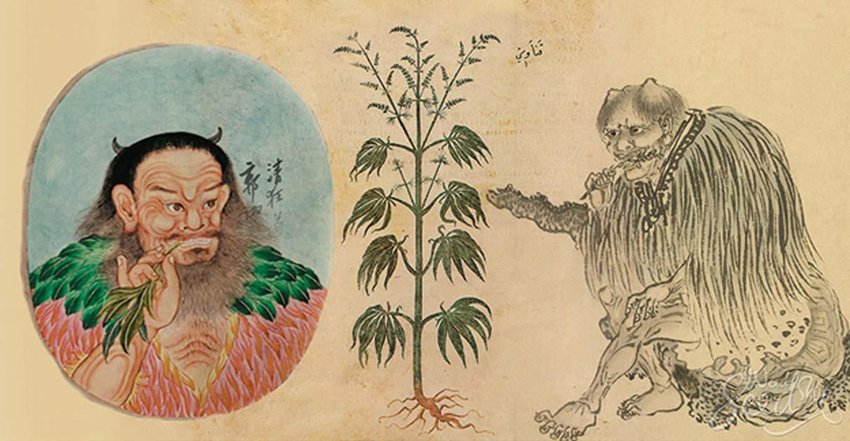
Cannabis has a long history in China, where it was one of the earliest cultivated plants. Known as “ma,” it was utilized for its fibers, seeds, and medicinal properties. The Chinese pharmacopeia, attributed to the legendary emperor Shen Nong around 2737 BCE, documents the medicinal uses of cannabis, including treatments for rheumatism, gout, and malaria. The Chinese also used hemp to make textiles, paper, and rope, highlighting its economic importance.
India

In India, cannabis has been deeply embedded in religious and cultural practices for thousands of years. Known as “bhang,” “ganja,” and “charas,” it is used in various forms and holds significant spiritual value. Among the five sacred plants is cannabis, according to the Atharva Veda, an ancient Hindu book. It is closely associated with the god Shiva, who is often depicted consuming cannabis. During festivals like Holi, bhang is traditionally consumed in celebratory and religious contexts, believed to purify the mind and soul.
Egypt
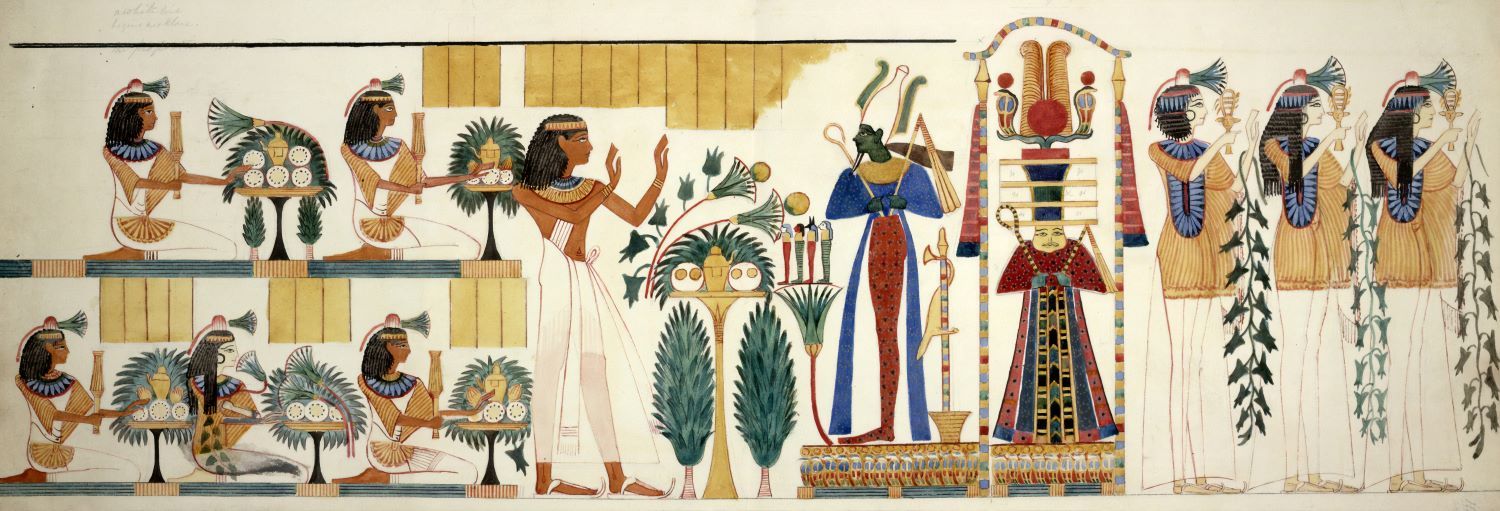
The ancient Egyptians also valued cannabis, primarily for its medicinal properties. The Ebers Papyrus, an ancient Egyptian medical text dating back to 1550 BCE, mentions cannabis as a treatment for inflammation and other ailments. Cannabis pollen found on mummies suggests its use in embalming practices. Its role in Egyptian culture underscores its importance in ancient medical and spiritual practices.
Middle Eastern and Mediterranean Cultures
Persia

In ancient Persia, cannabis, known as “bang,” was used for both medicinal and recreational purposes. It played a role in Zoroastrian religious practices, where it was used in ritualistic ceremonies. The Persian prophet Zoroaster is believed to have used cannabis-infused wine during religious rites. This highlights the plant’s dual role in both spiritual and everyday life.
Greece and Rome
The ancient Greeks and Romans were familiar with cannabis, using it primarily for its medicinal properties. The Greek historian Herodotus described how the Scythians used cannabis in steam baths for its psychoactive effects. Roman medical texts by scholars like Pliny the Elder and Galen document its use as a pain reliever and anesthetic. Cannabis was also used to make textiles and ropes, reflecting its practical applications in daily life.
African Cultures
In Africa, cannabis has been used for centuries for medicinal, recreational, and spiritual purposes. Various tribes utilized cannabis in religious rituals and healing ceremonies. For example, the Bantu people used it to facilitate communication with ancestors and deities during spiritual rituals. Cannabis also played a role in traditional African medicine, where it was used to treat ailments such as malaria and dysentery.
The Americas
Pre-Columbian Civilizations
In the Americas, evidence suggests that indigenous peoples used cannabis for a variety of purposes, although other psychoactive plants were more commonly used. Some South American cultures may have utilized cannabis in religious rituals and for medicinal purposes, reflecting a broad understanding of its benefits.
North America
Cannabis was introduced to North America by European colonists, who cultivated it primarily for its fiber. Indigenous tribes adopted its use for medicinal purposes, treating conditions like earaches and inflammation. In the 19th century, cannabis was included in many patent medicines in the United States, highlighting its widespread medicinal use before it became stigmatized in the 20th century.
Cannabis in Religion
Cannabis has played a significant role in various religious and spiritual traditions across different cultures throughout history. Its use in religious rituals and spiritual practices is well-documented, reflecting its perceived ability to alter consciousness, enhance spiritual experiences, and connect individuals with the divine. This section explores the role of cannabis in several major religions, including Hinduism, Buddhism, Rastafarianism, Islam, Christianity, and Judaism, highlighting its spiritual significance and the ways in which it has been integrated into religious practices.
Hinduism
Spiritual Significance
In Hinduism, cannabis is considered a sacred plant with deep spiritual and religious connotations. Reportedly, Lord Shiva, also called the “Destroyer” and the “Transformer,” is a prominent deity in the Hindu pantheon and is said to have favored it. Shiva is often depicted with a chillum (a type of smoking pipe) and is associated with the use of cannabis to achieve states of heightened consciousness and spiritual ecstasy.
Ritual Use
Cannabis is commonly used during religious festivals and rituals in Hinduism. One of the most notable occasions is the festival of Holi, also known as the Festival of Colors. During Holi, bhang (a preparation made from the leaves and flowers of the cannabis plant) is consumed in the form of drinks and sweets. It is believed that consuming bhang during Holi purifies the mind and body, bringing joy and a sense of liberation.
Sacred Texts
The Atharva Veda, one of the four Vedas (ancient sacred texts of Hinduism), mentions cannabis as one of the five sacred plants and refers to it as a source of happiness, joy, and liberation. The text highlights the plant’s medicinal properties and its use in rituals to drive away evil spirits and diseases.
Buddhism
Historical Context
Cannabis has a more nuanced role in Buddhism, with varying degrees of acceptance and use across different sects and traditions. Historical accounts suggest that Siddhartha Gautama, who later became the Buddha, may have subsisted on one hemp seed a day during his period of asceticism before attaining enlightenment.
Meditation and Mindfulness
While mainstream Buddhist practice generally discourages the use of intoxicants, including cannabis, due to their potential to impede mindfulness and meditation, some sects have historically used cannabis to enhance meditation and spiritual practices. The Tantric Buddhist tradition, for example, includes the use of psychoactive substances in certain rituals to achieve altered states of consciousness and deeper meditation.
Rastafarianism
Central Role
Rastafarianism, a religion that originated in Jamaica in the 1930s, places cannabis at the center of its spiritual practices. Known as “ganja” in Rastafarian culture, cannabis is considered a holy herb that aids in spiritual enlightenment, meditation, and communion with Jah (God).
Ritual Use
Cannabis is used in various Rastafarian rituals and communal gatherings called “reasoning sessions.” During these sessions, participants smoke cannabis to facilitate discussion, reflection, and spiritual connection. The act of smoking ganja is seen as a sacrament, a means to cleanse the body and mind, and to open oneself to higher spiritual truths.
Biblical References
Rastafarians often cite biblical passages to justify the use of cannabis. They interpret scriptures such as Psalm 104:14 (“He causeth the grass to grow for the cattle, and herb for the service of man”) as endorsements of the plant’s spiritual and medicinal value.
Islam
Sufi Traditions
In Islam, the use of intoxicants, including alcohol and cannabis, is generally prohibited. However, some Sufi traditions have historically used cannabis to enhance spiritual experiences and achieve mystical states of ecstasy. Sufi mystics, including the poet Rumi, have written about the use of intoxicants to reach higher spiritual states and divine communion.
Legal and Social Perspectives
Despite its use in some Sufi traditions, the predominant Islamic view discourages the use of cannabis due to its psychoactive effects. The consumption of any substance that can alter one’s state of mind and impair judgment is generally considered haram (forbidden) in Islam. This has led to a complex relationship between cannabis and Islamic cultures, where its use is often culturally taboo and legally restricted.
Christianity
Historical Use
Cannabis has had a varied and somewhat ambiguous role in Christian history. In medieval Europe, it was used medicinally and may have been part of the anointing oils mentioned in the Bible. Some scholars argue that “kaneh-bosm,” a term found in the Old Testament, refers to cannabis, though this interpretation is controversial.
Modern Perspectives
In contemporary Christianity, the use of cannabis is not widely recognized or endorsed for spiritual purposes. However, there are some Christian groups and individuals who advocate for its medicinal use, citing principles of compassion and healing. The evolving legal landscape around cannabis has also led to debates within Christian communities about its ethical and moral implications.
Judaism
Biblical References
In Judaism, the historical use of cannabis is debated. Some scholars suggest that the “kaneh-bosm” mentioned in the Hebrew Bible, specifically in the recipe for anointing oil in the Book of Exodus, refers to cannabis. If this interpretation is correct, it would indicate that cannabis was used in sacred rituals and ceremonies in ancient Israelite culture.
Modern Jewish Views
In modern times, the Jewish stance on cannabis varies widely. Some Jewish authorities and communities advocate for its medicinal use, aligning with the principle of pikuach nefesh, which prioritizes saving a life. This perspective supports the use of cannabis for medical purposes when it can alleviate suffering and improve health. However, the recreational use of cannabis remains more contentious and is generally discouraged within traditional Jewish law.
Modern Perspectives and Legalization
The modern perspectives and legalization of cannabis represent a significant shift from historical attitudes, reflecting changes in scientific understanding, social norms, and legal frameworks. This section explores the evolving perceptions of cannabis in contemporary society, the reasons behind the push for legalization, and the implications of these changes on health, economics, and social justice.
Evolution of Perceptions
Scientific Understanding
The scientific study of cannabis has greatly expanded in recent decades, leading to a better understanding of its chemical composition and effects. Almost one hundred cannabinoids have been found in the cannabis plant; the most well-known ones are cannabidiol (CBD) and tetrahydrocannabinol (THC). The main psychoactive ingredient in cannabis is THC, however CBD has been shown to provide a host of medicinal advantages despite not being psychoactive.
Medical Benefits
Pain Management
Chronic Pain
One of the main reasons people look to medical cannabis is chronic pain. Research has demonstrated that by interacting with the endocannabinoid system, which is involved in pain regulation, cannabis can significantly alleviate chronic pain. Cannabinoids such as THC and CBD bind to cannabinoid receptors in the brain and body, helping to alleviate pain and inflammation.
Neuropathic Pain
Neuropathic pain, caused by damage to the nervous system, is often difficult to treat with traditional painkillers. Research indicates that cannabis is especially useful in treating neuropathic pain, which includes ailments including multiple sclerosis, diabetes, and spinal cord injuries. Research has indicated that people utilizing medicinal cannabis see notable decreases in the severity of their pain and an enhancement in their standard of living.
Neurological Disorders
Epilepsy
Cannabis has been shown to be beneficial in treating epilepsy, especially in cases of treatment-resistant epilepsy such Lennox-Gastaut syndrome and Dravet syndrome. This is one of the most well-established medical benefits of cannabis. It has been demonstrated that the non-psychoactive cannabinoid CBD lessens both the frequency and intensity of seizures in both adults and children. Purified CBD is an ingredient of the FDA-approved medication Epidiolex, which is intended to treat severe forms of epilepsy.
Multiple Sclerosis
Additionally, it has been discovered that cannabis reduces tremors, discomfort, and muscle spasms that are associated with multiple sclerosis (MS). Several nations have legalized the use of Sativex, an oral spray made of cannabis that contains both THC and CBD, to treat MS-related spasticity. Patients using Sativex report significant improvements in spasticity and overall quality of life.
Parkinson’s Disease
According to research, cannabis may be able to help control Parkinson’s disease symptoms like pain, stiffness, and tremors. While more studies are needed, some patients report improved motor function and reduced dyskinesia (involuntary movements) with cannabis use. The neuroprotective properties of cannabinoids are also being investigated for their potential to slow disease progression.
Mental Health
Anxiety and Depression
Cannabis has shown promise in treating anxiety and depression, although its effects can vary depending on the individual and the strain used. It was discovered that CBD, in particular, possesses anxiolytic (anxiety-reducing) qualities without having the euphoric effects of THC. Clinical studies have demonstrated that CBD can reduce symptoms of social anxiety disorder and post-traumatic stress disorder (PTSD). However, it is important to note that high doses of THC can sometimes exacerbate anxiety and depression in certain individuals.
PTSD
One mental health illness that can seriously lower a person’s quality of life is post-traumatic stress disorder (PTSD). Cannabis has been found to reduce PTSD symptoms such as nightmares, flashbacks, and anxiety. The endocannabinoid system plays a role in regulating fear and stress responses, and cannabinoids can help modulate these responses. Some studies have shown that cannabis use is associated with a reduction in PTSD symptom severity and improved sleep quality.
Cancer Treatment
Chemotherapy-Induced Nausea and Vomiting
One of the most established medical uses of cannabis is in managing chemotherapy-induced nausea and vomiting (CINV). Researchers have discovered that cannabis reduces CINV more successfully than a few conventional antiemetics. Cancer patients can maintain their nutritional status and quality of life while undergoing treatment by using THC and other cannabinoids to interact with brain receptors to alleviate nausea and boost appetite.
Pain and Symptom Management
Cancer patients often experience chronic pain and other symptoms related to the disease and its treatment. Cannabis can help manage cancer-related pain, reduce inflammation, and improve sleep. Additionally, cannabinoids have been found to have anti-tumor properties in preclinical studies, suggesting potential therapeutic applications in cancer treatment. However, more clinical research is needed to fully understand the anti-cancer effects of cannabis.
Other Health Conditions
Inflammatory Bowel Disease
Cannabis has been found to be beneficial for patients with inflammatory bowel diseases (IBD) such as Crohn’s disease and ulcerative colitis. Cannabinoids can reduce inflammation in the gut, alleviate abdominal pain, and improve overall quality of life. According to certain research, people with IBD who use cannabis report feeling better and having less disease activity overall.
Glaucoma
Glaucoma is a condition characterized by increased intraocular pressure, which can lead to optic nerve damage and vision loss. Cannabis has been found to reduce intraocular pressure, providing a potential treatment option for glaucoma. However, the effects of cannabis on intraocular pressure are short-lived, and patients would need to use cannabis frequently throughout the day to maintain its benefits. As a result, researchers are exploring more practical and long-lasting cannabinoid-based treatments for glaucoma.
Insomnia
Cannabis has long been used as a sleep aid, and research supports its effectiveness in treating insomnia and other sleep disorders. THC and CBD can help regulate sleep cycles, reduce the time it takes to fall asleep, and improve overall sleep quality. Patients with conditions such as chronic pain, PTSD, and anxiety, who often struggle with sleep disturbances, may benefit from the sedative effects of cannabis.
Changing Social Norms
Public attitudes towards cannabis have undergone a significant transformation, particularly in Western societies. Once stigmatized and associated with criminality, cannabis is now increasingly viewed as a legitimate therapeutic option and a recreational substance akin to alcohol. This shift is reflected in popular culture, media portrayals, and the growing acceptance of cannabis use among various demographics.
Legalization Movement
Reasons for Legalization
The push for cannabis legalization is driven by multiple factors:
- Medical Necessity: Advocacy for patients who benefit from medical cannabis has been a powerful force in the legalization movement. Patients and medical professionals argue for legal access to cannabis to alleviate suffering and improve quality of life.
- Economic Potential: The cannabis industry has significant economic potential, including job creation, tax revenue, and investment opportunities. Legalization has led to the emergence of a multi-billion-dollar industry in places where cannabis is legal.
- Social Justice: The criminalization of cannabis has disproportionately affected marginalized communities, leading to high rates of incarceration and social inequities. Legalization is seen as a means to address these injustices, expunge criminal records, and reduce the burden on the criminal justice system.
- Public Safety: Legal regulation of cannabis is argued to be safer than prohibition. Legal markets can implement quality control measures, reduce the presence of dangerous black-market products, and generate revenue for public health and safety programs.
Legal Status Around the World
Globally, cannabis laws vary greatly, from outright banning to fully legalizing it for both medical and recreational purposes. Key regions and countries with notable cannabis policies include:
- Canada: In 2018, Canada became the first major industrialized nation to fully legalize cannabis for both medical and recreational use. The Cannabis Act regulates the production, distribution, and sale of cannabis, aiming to protect public health and reduce criminal activity.
- United States: Cannabis legalization in the U.S. is complex, with laws varying by state. As of now, over 30 states have legalized medical cannabis, and more than 10 states have legalized recreational use. However, cannabis remains illegal at the federal level, creating legal and regulatory challenges.
- Europe: European countries have diverse cannabis policies. Nations like the Netherlands and Portugal have decriminalized cannabis, while others, such as Germany and the United Kingdom, allow limited medical use. The European landscape continues to evolve as more countries consider reforming their cannabis laws.
- Latin America: Several Latin American countries have taken steps towards cannabis legalization. In 2013, Uruguay became the first nation to fully legalize cannabis. Mexico has also moved towards legalization, driven by public health considerations and efforts to combat drug-related violence.
- Asia and Africa: Cannabis remains largely illegal in many Asian and African countries, though some are exploring medical cannabis programs. For example, Thailand legalized medical cannabis in 2018, and South Africa’s Constitutional Court decriminalized private use in 2018.
Implications of Legalization
Health and Public Safety
- Public Health: Legalization allows for regulated production and distribution, ensuring product safety and quality. It also enables public health campaigns to educate consumers about responsible use and potential risks. However, concerns about increased use among youth and potential health impacts remain.
- Research and Development: Legalization facilitates research into the therapeutic potential of cannabis, leading to the development of new treatments and medical applications. It also allows for better understanding of the long-term effects of cannabis use.
Economic Impact
- Industry Growth: The legal cannabis industry has experienced rapid growth, creating jobs and generating significant tax revenue. Ancillary industries, such as agriculture, technology, and retail, also benefit from legalization.
- Tax Revenue: Governments benefit from increased tax revenue from legal cannabis sales, which can be allocated to public services such as education, healthcare, and infrastructure.
Social and Criminal Justice
- Reduction in Incarceration: Legalization helps reduce the number of people incarcerated for cannabis-related offenses, alleviating the burden on the criminal justice system and addressing social inequities.
- Expungement of Records: Many legalization initiatives include provisions for expunging the criminal records of individuals convicted of minor cannabis offenses, helping them reintegrate into society and access employment and housing opportunities.
Challenges and Considerations
- Regulatory Frameworks: Developing effective regulatory frameworks for cannabis is challenging, requiring balance between preventing misuse and allowing legal access. Issues such as licensing, taxation, and quality control are critical considerations.
- International Law: Cannabis legalization at the national level can conflict with international drug control treaties. Countries must navigate these legal complexities while pursuing domestic reform.
- Public Perception: Despite growing acceptance, cannabis legalization remains controversial in some regions. Public education and transparent policymaking are essential to address concerns and build consensus.
Conclusion
Cannabis has played a multifaceted and significant role in various cultures and religions throughout history. From its early use in ancient civilizations such as China, India, and Egypt, to its spiritual and medicinal applications in Middle Eastern, Mediterranean, African, and American societies, cannabis has been valued for its diverse properties. Its integration into religious practices, particularly in Hinduism, Buddhism, Rastafarianism, Islam, Christianity, and Judaism, underscores its perceived ability to enhance spiritual experiences, facilitate meditation, and connect individuals with the divine.
The modern perspectives and legalization of cannabis represent a dramatic shift from historical attitudes, driven by scientific research, changing social norms, and advocacy for medical necessity, economic potential, and social justice. The scientific community has validated many traditional uses of cannabis, highlighting its therapeutic potential for a range of medical conditions, including chronic pain, neurological disorders, mental health issues, and cancer treatment. As a result, cannabis is increasingly being recognized for its medical benefits and is becoming legally accessible in many regions around the world.
The economic impact of cannabis legalization is significant, creating jobs, generating tax revenue, and fostering industry growth. Moreover, the social and criminal justice implications are profound, with legalization helping to reduce incarceration rates, address social inequities, and expunge criminal records related to minor cannabis offenses.
Despite these advancements, challenges remain in developing effective regulatory frameworks, navigating international law, and addressing public perception. Ongoing research and careful regulation will be crucial in maximizing the benefits of cannabis legalization while mitigating potential risks.
In conclusion, cannabis has a rich and complex history that spans ancient and modern times, deeply embedded in cultural, religious, and medicinal contexts. As societal attitudes and legal frameworks continue to evolve, the role of cannabis in contemporary society will likely expand, reflecting its enduring significance and multifaceted nature. Understanding its historical, cultural, and medical importance provides valuable insights into its potential to improve health outcomes, drive economic growth, and promote social justice. The ongoing dialogue and research surrounding cannabis will shape its future role, ensuring that its benefits are fully realized while addressing the challenges and concerns that accompany its use.
