Table of Contents
Hindu Skunk is a well-regarded hybrid cannabis strain with a rich history, renowned for its balanced effects and diverse therapeutic applications. This strain is the result of crossing two iconic cannabis varieties: Hindu Kush and Skunk #1. Both parent strains are celebrated in the cannabis community for their potency, distinctive aromas, and impactful effects, making Hindu Skunk a sought-after choice among both recreational and medical users. Below is an in-depth exploration of Hindu Skunk, covering its origins, chemical composition, effects, and specific medical and recreational applications.
Origins and Genetics of Hindu Skunk
Hindu Skunk is a hybrid strain that leans slightly towards the indica side. Its parent strains, Hindu Kush and Skunk #1, each contribute distinct characteristics that define Hindu Skunk:
- Hindu Kush: An indica strain hailing from the Hindu Kush mountain range, this parent is known for its resin-rich buds, earthy and spicy aroma, and profoundly relaxing effects. It contributes to Hindu Skunk’s calming properties and dense resin production, making it popular for hash production.
- Skunk #1: A legendary hybrid, Skunk #1 is famous for its pungent, skunky aroma and balanced effects. This parent strain contributes to Hindu Skunk’s energizing and mood-enhancing qualities, as well as its ability to deliver a euphoric high.
Together, these genetics create a strain that offers the best of both worlds: the sedative qualities of an indica with the uplifting properties of a sativa.
Appearance, Aroma, and Flavor
Hindu Skunk boasts an attractive appearance characterized by densely packed buds coated in a thick layer of trichomes. The buds are typically light green with orange pistils, indicating its hybrid nature.
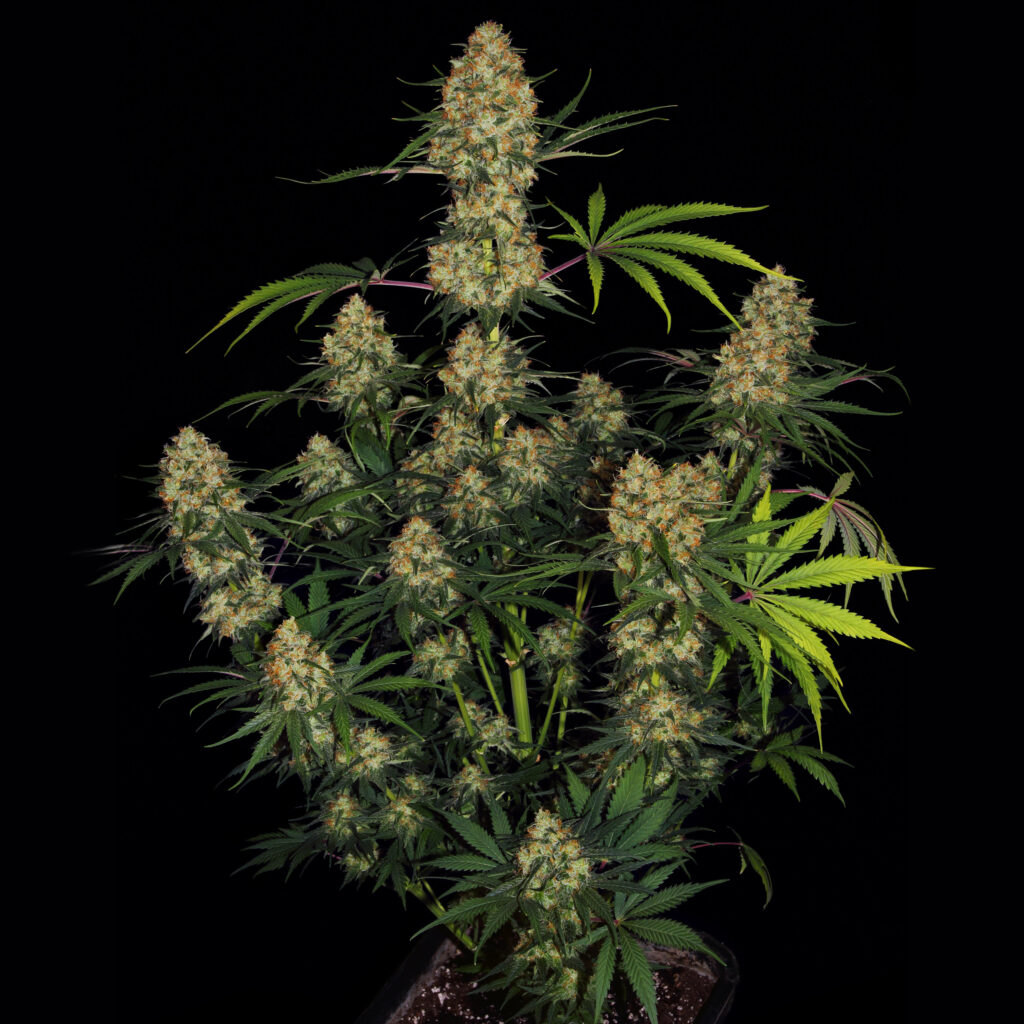
Aroma: The strain’s scent is a blend of its parent strains’ profiles. Expect a skunky, earthy base with sweet and floral undertones. When broken apart, the buds release a stronger, more pungent aroma with hints of citrus and spice.
Flavor: Hindu Skunk’s flavor profile mirrors its aroma. The initial taste is earthy and sweet, followed by subtle notes of skunk, spice, and a hint of fruitiness on the exhale. Cannabis experts love it because of its nuanced flavor characteristics.
Chemical Composition
The chemical composition of Hindu Skunk is central to its effects and therapeutic potential. Its primary components include:
- Cannabinoids:
- THC: Hindu Skunk typically has a THC content ranging from 15% to 22%, providing a potent psychoactive effect. This makes it suitable for experienced users but may require caution among beginners.
- CBD: The CBD levels in Hindu Skunk are generally low, usually below 1%. Despite this, the strain’s indica genetics contribute to its relaxing and pain-relieving properties.
- Terpenes:
- Myrcene: Dominant in Hindu Skunk, myrcene contributes to its earthy aroma and sedative effects, promoting relaxation and stress relief.
- Caryophyllene: This spicy, peppery terpene has anti-inflammatory properties, enhancing the strain’s medicinal benefits.
- Limonene: Present in smaller amounts, limonene provides a citrusy note and contributes to mood elevation and stress reduction.
- Pinene: This terpene offers a fresh, piney aroma and supports focus and respiratory health.
Effects of Hindu Skunk
Hindu Skunk delivers a well-rounded high that starts with an uplifting cerebral buzz, courtesy of its Skunk #1 lineage. Users often report feelings of euphoria, enhanced creativity, and an uplifted mood during the initial phase. As the high progresses, the indica effects of Hindu Kush take over, inducing deep relaxation, physical comfort, and, in higher doses, sedation.
The balanced effects make Hindu Skunk versatile, suitable for both daytime and evening use depending on the dose. Lower doses are more likely to provide a functional, creative high, while higher doses may lead to a more sedative and restful experience.
Medical Uses of Hindu Skunk
Hindu Skunk is valued for its wide range of therapeutic applications, making it a popular choice among medical cannabis patients. Below are some of the specific medical benefits:
- Pain Relief:
- The combination of THC and myrcene in Hindu Skunk makes it effective for managing chronic pain, muscle spasms, and inflammation. Patients with conditions such as arthritis, fibromyalgia, and migraines often find relief with this strain.
- Stress and Anxiety:
- Hindu Skunk’s uplifting cerebral effects, combined with its calming physical sensations, help reduce symptoms of stress, anxiety, and mild depression. The presence of limonene enhances its mood-lifting properties.
- Insomnia:
- Thanks to its indica-dominant effects, Hindu Skunk is effective in promoting sleep. Patients struggling with insomnia or restless sleep patterns may benefit from its sedative qualities, especially at higher doses.
- Appetite Stimulation:
- The strain’s THC content can stimulate appetite, making it beneficial for patients dealing with appetite loss as a result of diseases including eating disorders, HIV/AIDS, or cancer.
- Nausea Relief:
- Hindu Skunk has anti-emetic properties, which help alleviate nausea and vomiting. This is particularly helpful for patients undergoing chemotherapy or experiencing gastrointestinal issues.
- Mental Clarity and Focus:
- At lower doses, the strain’s limonene and pinene content can support mental clarity and focus, aiding individuals with attention disorders or fatigue.
Recreational Uses of Hindu Skunk
Recreational users appreciate Hindu Skunk for its versatility and enjoyable effects. Some popular uses include:
- Social Settings:
- The euphoric and uplifting qualities of Hindu Skunk make it a great choice for social gatherings, helping users feel relaxed and talkative.
- Creative Activities:
- Artists and creative thinkers often use Hindu Skunk to enhance imagination and focus. The cerebral effects can inspire new ideas and improve problem-solving abilities.
- Relaxation and Stress Relief:
- For those looking to unwind after a long day, Hindu Skunk offers a balanced experience that starts with mental clarity before transitioning into physical relaxation.
- Outdoor Adventures:
- Moderate doses of Hindu Skunk can enhance outdoor activities like hiking or exploring nature, as it combines a boost in energy with a sense of calm and enjoyment.
- Evening Use:
- For users seeking a restful night, higher doses of Hindu Skunk can promote relaxation and prepare the body for sleep.
Methods of Ingestion
Hindu Skunk can be consumed through a variety of methods, each offering distinct onset times, durations, and experiences. Understanding these methods allows users to tailor the experience to their needs.
1. Smoking
- Description: The most traditional method, involving the combustion of dried Hindu Skunk flowers in a joint, pipe, or bong.
- Onset: 1-5 minutes. The THC is absorbed almost immediately through the lungs into the bloodstream.
- Duration: 1.5-3 hours, depending on the dose and individual metabolism.
- Pros:
- Fast-acting.
- Easy to control dosage by adjusting the number of inhalations.
- Cons:
- Combustion can irritate the respiratory system.
- Pungent aroma may not be discreet.
- Considerations: Smoking retains most of the strain terpene profile, offering a full-flavor experience.
2. Vaporization
- Description: Heating Hindu Skunk flower or concentrate to a temperature that releases cannabinoids and terpenes as vapor without combustion.
- Onset: 1-5 minutes, similar to smoking.
- Duration: 1.5-3 hours.
- Pros:
- Less damaging to the lungs than smoking.
- Enhances the flavor profile due to the preservation of terpenes.
- Cons:
- Requires a vaporizer, which can be an upfront cost.
- Considerations: Vaporization is an efficient method that maximizes the strain cannabinoid content while reducing exposure to harmful byproducts.
3. Edibles

- Description: Infused food or drink products containing THC extracted from Hindu Skunk.
- Onset: 30-90 minutes, as THC must be metabolized by the liver.
- Duration: 4-8 hours, significantly longer than inhalation methods.
- Pros:
- Long-lasting effects.
- Discreet and convenient for on-the-go use.
- Cons:
- Difficult to gauge dosage initially due to delayed onset.
- Effects may be more intense due to the conversion of THC to 11-hydroxy-THC by the liver.
- Considerations: Start with a low dose (e.g., 5-10 mg THC) and wait at least 2 hours before consuming more.
4. Sublingual (Tinctures)
- Description: Liquid cannabis extracts placed under the tongue for absorption through the sublingual glands.
- Onset: 15-30 minutes, faster than edibles but slower than inhalation.
- Duration: 2-6 hours.
- Pros:
- Allows precise dosing.
- Discreet and easy to administer.
- Cons:
- Taste of the tincture may be unpleasant for some users.
- Considerations: This method offers a balanced combination of convenience, speed, and duration.
5. Topicals
- Description: Creams, balms, or transdermal patches infused with cannabinoids applied directly to the skin.
- Onset: 5-30 minutes, depending on the formulation.
- Duration: 1-6 hours for topicals; up to 24 hours for transdermal patches.
- Pros:
- Non-psychoactive (for most topicals).
- Effective for localized pain, inflammation, and skin conditions.
- Cons:
- Limited to localized effects unless using a transdermal patch.
- Considerations: Topicals are ideal for users seeking therapeutic benefits without psychoactive effects.
6. Dabbing
- Description: Flash vaporization of cannabis concentrates (e.g., wax, shatter) using a dab rig.
- Onset: 1-5 minutes, extremely rapid due to high THC concentrations.
- Duration: 2-4 hours, depending on the potency.
- Pros:
- Intense effects, suitable for experienced users.
- Delivers a high concentration of cannabinoids quickly.
- Cons:
- Requires specialized equipment.
- May be too intense for beginners.
- Considerations: Use caution with dosage, as concentrates often contain 70-90% THC.
Onset and Duration of Effects
Onset of Effects
- The onset time depends heavily on the method of ingestion:
- Inhalation (Smoking/Vaporization): Effects are felt almost immediately due to rapid absorption through the alveoli in the lungs.
- Oral (Edibles): Effects are delayed as THC is absorbed through the digestive system and metabolized by the liver into the stronger and more persistent 11-hydroxy-THC.
- Sublingual: Offers a middle ground, with effects starting within 15-30 minutes due to sublingual absorption into the bloodstream.
Duration of Effects
- The duration also varies by method:
- Inhalation: Short-lived, lasting 1.5-3 hours, making it suitable for short-term relief or recreational use.
- Edibles: Prolonged effects, lasting 4-8 hours or more, making them ideal for conditions requiring sustained relief (e.g., chronic pain, insomnia).
- Sublingual: Moderate duration, between 2-6 hours, balancing rapid onset and longevity.
Scientific Considerations
Bioavailability
- Inhalation: Has the highest bioavailability (15-25%) due to direct absorption into the bloodstream.
- Edibles: Lower bioavailability (5-15%) because of first-pass metabolism in the liver.
- Sublingual: Offers higher bioavailability than edibles, typically around 20-35%, as it bypasses the digestive system.
Metabolism and THC Conversion
- When ingested orally, delta-9-THC is metabolized into 11-hydroxy-THC, a compound that crosses the blood-brain barrier more effectively, producing more potent and enduring results.
- Inhalation bypasses this process, resulting in a more predictable and immediate high.
Tolerance and Individual Factors
- Onset and duration are influenced by individual factors, including:
- Body weight and metabolism.
- Frequency of cannabis use (tolerance levels).
- Food intake (for edibles).
- Sensitivity to cannabinoids and terpenes.
Terpene Interactions
- Terpenes in Hindu Skunk, such as myrcene and limonene, modulate the effects of THC:
- Myrcene: Enhances sedation and the “couch-lock” effect at higher doses.
- Limonene: Uplifts mood and reduces anxiety, balancing the indica-leaning effects.
Potential Side Effects
Like all cannabis strains, Hindu Skunk may have some side effects, especially when consumed in large amounts. These include:
- Dry Mouth and Eyes:
- These side effects are common among cannabis users and can be lessened with eye drops and proper hydration.
- Dizziness or Lightheadedness:
- Beginners or those sensitive to THC may experience mild dizziness, especially with higher doses.
- Paranoia or Anxiety:
- While rare, some individuals may experience heightened anxiety or paranoia, particularly if they are prone to these conditions or consume excessive amounts.
- Sedation:
- In higher doses, the strain’s indica effects can lead to significant drowsiness, which may be undesirable for daytime use.
Scientific Studies and Insights
Research into the chemical composition and effects of cannabis strains like Hindu Skunk has highlighted several key aspects:
- Cannabinoid Synergy:
- The interplay between THC, CBD, and terpenes like myrcene and caryophyllene enhances the therapeutic potential of Hindu Skunk through the “entourage effect.” This phenomenon suggests that cannabinoids and terpenes work together to amplify their individual benefits.
- Anti-Inflammatory Effects:
- Studies on caryophyllene show that this terpene binds to CB2 receptors, contributing to its anti-inflammatory and analgesic properties.
- Mood Enhancement:
- Research on limonene indicates that this terpene can reduce stress and anxiety by influencing serotonin and dopamine pathways in the brain.
- Sedative Properties:
- Myrcene has been identified as a key contributor to the sedative effects of indica-dominant strains like Hindu Skunk, supporting its use for sleep disorders and chronic pain management.
Cultivation Information
Hindu Skunk is moderately easy to grow, and understanding its specific needs can lead to healthier plants and better yields. Below is a breakdown of the scientific considerations for cultivating this strain:
1. Growing Environment

Temperature and Humidity
- Temperature: Hindu Skunk thrives in a temperature range of 70-80°F (21-27°C) during the vegetative stage. During the flowering stage, slightly cooler temperatures around 65-75°F (18-24°C) can enhance trichome production and aroma.
- Humidity Levels:
- Vegetative Stage: 55-65%
- Flowering Stage: 40-50%
- Late Flowering: 30-40% (to prevent mold and mildew).
Lighting Requirements
- For indoor cultivation, Hindu Skunk responds well to high-intensity discharge (HID) lights like HPS (High-Pressure Sodium) for flowering and Metal Halide (MH) for the vegetative stage.
- Light Cycles:
- Vegetative Stage: 18-24 hours of light.
- Flowering Stage: 12 hours of light and 12 hours of darkness.
Airflow and Ventilation
- Proper airflow prevents the buildup of humidity, reducing the risk of mold. Use oscillating fans to ensure even air distribution.
- Ventilation systems with carbon filters can manage the strong skunky aroma during flowering.
2. Growing Medium
Hindu Skunk grows well in various mediums. Choosing the right medium depends on the grower’s preference and the desired level of control.
Soil
- A high-quality organic soil rich in nutrients supports Hindu Skunk’s natural growth. Look for soil blends containing:
- Perlite for aeration.
- Vermiculite to retain moisture.
- Organic compost for slow-release nutrients.
Hydroponics
- Hydroponic systems allow faster growth and higher yields by delivering nutrients directly to the roots.
- Ideal pH Levels:
- Hydroponic Systems: 5.5-6.5
- Soil: 6.0-7.0
Coco Coir
- Coco coir is an excellent medium for Hindu Skunk, offering better drainage than soil and the ability to retain nutrients and water. Supplement with calcium and magnesium, as coco coir tends to lock these nutrients.
3. Nutrient Requirements
Hindu Skunk requires specific nutrients during different stages of growth. Using high-quality cannabis-specific fertilizers is recommended.
Macronutrients:
- Nitrogen (N):
- Essential during the vegetative stage for robust leaf and stem growth.
- Phosphorus (P):
- Crucial during the flowering stage to promote bud development.
- Potassium (K):
- Promotes the general health and disease resistance of plants.
Micronutrients:
- Calcium, Magnesium, Iron, and Zinc are necessary in trace amounts to prevent deficiencies.
Feeding Schedule:
- Start with a low nutrient concentration (EC of 0.8-1.0) and gradually increase to 1.6-2.0 during peak flowering.
- Always flush the plants with plain water for the last two weeks to improve flavor by removing excess nutrients.
4. Training Techniques
Training can optimize light penetration and maximize yields.

Low-Stress Training (LST):
- To ensure that all bud sites receive light, gently bend and tie down branches to form an even canopy.
Screen of Green (ScrOG):
- Place a screen above the plants and weave the branches through it to encourage horizontal growth and even bud production.
Topping and Fimming:
- Cutting the main stem or new growth tips encourages bushier growth and more colas.
5. Pest and Disease Management
Hindu Skunk is resistant to many pests, but proactive measures can prevent infestations.
Common Pests:
- Spider Mites: Use neem oil or insecticidal soap.
- Aphids: Introduce beneficial insects like ladybugs or apply organic sprays.
- Fungus Gnats: Use sticky traps and keep the topsoil dry.
Disease Prevention:
- Powdery Mildew: Keep the humidity low and the airflow adequate.
- Root Rot: Make sure drainage is adequate and refrain from overwatering.
6. Flowering and Harvesting
Flowering Period:
- Hindu Skunk flowers in 7-9 weeks under optimal conditions. The short flowering period makes it appealing for growers seeking quicker harvests.
Harvest Indicators:
- Trichome Color: Use a magnifying glass to observe trichomes:
- Clear: Immature.
- Milky: Peak THC content.
- Amber: Higher CBN levels, more sedative effects.
- Pistil Color: When 70-90% of the pistils turn orange/brown, the plant is ready for harvest.
Drying and Curing:
- Drying: Hang trimmed buds in a dark, well-ventilated space with 50% humidity and temperatures around 65-75°F.
- Curing: Place dried buds in airtight jars, burping them daily for 1-2 weeks to enhance flavor, aroma, and potency.
Scientific Insights on Optimization
- LED vs. HID Lighting: Modern studies show that full-spectrum LED lights can enhance trichome production and cannabinoid content while reducing energy consumption.
- CO2 Enrichment: Increasing CO2 levels to 1,200-1,500 ppm during the vegetative and flowering stages can significantly boost yields.
- Microbial Inoculants: Adding beneficial microbes, such as mycorrhizal fungi, improves nutrient uptake and root health.
Conclusion
Hindu Skunk is a versatile and well-balanced cannabis strain that offers a blend of physical relaxation and mental euphoria. Its diverse applications, ranging from pain relief and stress reduction to enhanced creativity and social enjoyment, make it a favorite among medical and recreational users alike.
With its rich genetic heritage, appealing aroma and flavor, and manageable cultivation requirements, Hindu Skunk remains a classic choice in the cannabis world. Whether you are a seasoned enthusiast or a medical patient seeking relief, this strain provides a reliable and enjoyable experience.
For a complete directory of cultivars, visit our Cannabis Strain Reviews.
