Table of Contents
Highwayman is a hybrid cannabis strain that has garnered attention for its distinctive blend of genetics, its potent effects, and its diverse uses in both recreational and medical cannabis. This strain is known for its balance between sativa and indica traits, offering users a well-rounded experience. This guide will explore the origins, effects, therapeutic benefits, and scientific makeup of Highwayman, focusing on both its recreational and medical applications.
1. Genetic Background and Breeding
Highwayman is a hybrid cannabis strain, resulting from the cross between the famous Gorilla Glue #4 and the Dutch Treat strain. These two strains are known for their potency and unique flavor profiles, which contribute to the distinct characteristics of Highwayman.
- Gorilla Glue #4 is a hybrid strain itself, typically leaning towards the indica side. It is famous for its resin production and heavy, sedative effects.
- Dutch Treat is a balanced hybrid, offering an uplifting and euphoric high that balances well with the relaxing qualities of Gorilla Glue #4.
This hybridization results in a strain that offers a blend of energizing and relaxing effects, making it suitable for a wide range of consumers.
2. Appearance and Aroma
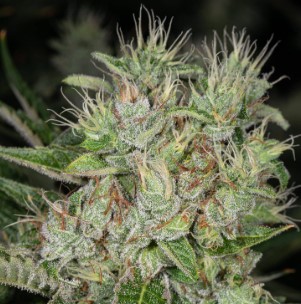
Highwayman cannabis is known for its visually striking buds, which are large and dense. The flowers are typically covered in a thick layer of trichomes, giving the strain a frosty appearance. The coloration of the buds can vary, but it often features shades of light green, with orange pistils that stand out against the dense structure.
Aroma:
The scent of Highwayman is one of its defining features. It carries a pungent, earthy aroma with notes of diesel, pine, and a slight sweetness. There is a noticeable skunky undertone, a trait inherited from the Gorilla Glue #4 lineage, with a hint of citrus that complements the overall fragrance.
Flavor:
The flavor profile of Highwayman is as complex as its aroma. When consumed, it delivers a rich, earthy taste with piney undertones, followed by a sharp diesel flavor and a subtle citrus aftertaste. The sweetness that is hinted at in the aroma can also come through on the palate, providing a well-rounded and enjoyable smoking experience.
3. THC and CBD Content
Highwayman is a potent strain, typically containing a THC content ranging from 20% to 25%, with some batches potentially reaching higher percentages. This makes it a good choice for experienced cannabis consumers who are familiar with high-THC strains.
- THC Content: 20%-25%
- CBD Content: Less than 1% (generally very low)
The relatively low CBD content means that Highwayman is not typically used for treating conditions that require higher CBD, such as seizures or anxiety, but its potent THC levels make it effective for a range of conditions where THC is beneficial.
4. Effects: Recreational Uses
Highwayman’s effects are a balanced combination of the uplifting qualities of sativa strains and the relaxing body high of indicas. Users can expect to experience an initial burst of cerebral euphoria followed by a body relaxation that makes it a versatile strain for various recreational purposes.
Euphoric and Uplifting High
Due to its sativa influence, the initial effects of Highwayman are often described as uplifting and euphoric. Consumers report feeling a sense of happiness and mental clarity, which can promote socializing or engaging in creative activities. This aspect of the high can be particularly appealing for those who want to experience a burst of energy without feeling overwhelmed.
Relaxation and Stress Relief
As the effects settle in, the indica lineage of Highwayman takes over, leading to a physical relaxation that soothes the body without being overly sedative. The experience is not typically one that causes couch-lock, so it can be enjoyed in social situations or during activities like watching movies, playing games, or listening to music.
Enhanced Sensory Perception
Many users note that Highwayman enhances sensory perception, making it ideal for activities that involve music, art, or nature. The strain’s ability to elevate mood and heighten sensations can make tasks like listening to music or engaging in visual arts more enjoyable.
5. Effects: Medical Uses
The medicinal benefits of Highwayman are largely due to its high THC content and well-balanced effects. It has been reported to provide relief for a range of physical and mental health conditions. However, as with any cannabis strain, effects may vary depending on individual tolerance, body chemistry, and dosage.
Pain Relief
One of the primary medical benefits of Highwayman is its ability to relieve pain. The strain’s potent THC content provides strong analgesic properties that help alleviate both acute and chronic pain conditions. Whether dealing with minor aches or more significant discomfort, such as arthritis, muscle spasms, or migraines, Highwayman can help reduce pain and provide comfort.
Stress and Anxiety Relief
Highwayman’s uplifting and mood-enhancing effects are beneficial for those dealing with stress or anxiety. The initial euphoria can provide a sense of mental clarity and calm, helping users feel more relaxed in stressful situations. Although it does have a relaxing body high, it typically does not lead to sedation, making it suitable for daytime use for anxiety and stress management.
Depression
The euphoric and uplifting qualities of Highwayman are also beneficial for individuals suffering from depression. The mood-boosting effects can help combat feelings of sadness or hopelessness, making it a useful tool in managing mild to moderate depression. The mental clarity and creativity it provides can help users regain a positive outlook on life.
Insomnia and Sleep Disorders
Although not as sedative as pure indica strains, Highwayman can still be effective for helping individuals with sleep disorders. Its body relaxation effects make it easier for users to fall asleep, especially if consumed in higher doses. Those suffering from insomnia can benefit from its calming effects, leading to more restful and uninterrupted sleep.
Appetite Stimulation
As with many THC-dominant strains, Highwayman is known to stimulate the appetite. This can be especially beneficial for patients undergoing chemotherapy or those dealing with conditions that cause a loss of appetite, such as chronic illness, eating disorders, or HIV/AIDS.
6. Terpene Profile
The terpene profile of a cannabis strain plays a critical role in its effects and aroma. Highwayman contains a variety of terpenes that contribute to its characteristic scent, flavor, and therapeutic properties.
Dominant Terpenes in Highwayman:
- Myrcene: The most prevalent terpene in cannabis, myrcene, is well-known for its relaxing sedative effects. It contributes to the earthy, herbal aroma of Highwayman and plays a role in the strain’s muscle-relaxing effects.
- Limonene: This citrus-scented terpene offers a mood-boosting effect and is associated with stress relief and improved mood. It adds a zesty, lemon-like flavor to the strain, balancing out its earthiness.
- Caryophyllene: Known for its spicy, peppery aroma, caryophyllene has anti-inflammatory and analgesic properties, which contribute to the pain-relieving effects of Highwayman.
- Pinene: Pinene gives off a fresh, pine-like scent and is known for its ability to enhance memory and cognitive function. It adds to the strain’s overall uplifting effect.
These terpenes work synergistically with the cannabinoids to create a well-rounded experience that benefits both recreational and medical users.
7. Potential Side Effects
Like all cannabis strains, Highwayman may cause side effects, particularly for those new to cannabis or those with a low tolerance. The most common side effects include:
- Dry Mouth: This is a typical side effect of most cannabis strains due to the way THC interacts with receptors in the mouth.
- Dry Eyes: Another common side effect caused by THC’s effect on tear production.
- Paranoia or Anxiety: While Highwayman is generally considered calming and euphoric, high doses can potentially induce paranoia or heightened anxiety in sensitive individuals.
- Dizziness: In some cases, users may experience dizziness or lightheadedness, particularly if they are not accustomed to the strain’s strength.
8. Growing Highwayman Cannabis
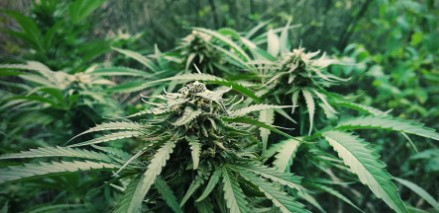
Cultivating Highwayman, like many other cannabis strains, involves understanding both its genetic background and environmental needs. As a hybrid, it inherits traits from both its parent strains (Gorilla Glue #4 and Dutch Treat), which means it benefits from a balanced approach when it comes to cultivation. Below, we will dive into the scientific methods and considerations that should be kept in mind while growing Highwayman.
1. Environmental Conditions for Optimal Growth
Cannabis plants are extremely sensitive to the conditions in which they grow. To produce high-quality Highwayman cannabis, certain environmental factors must be precisely managed.
Temperature
Cannabis plants thrive in environments with temperatures ranging from 70°F to 85°F (21°C to 29°C) during the day. For night cycles, temperatures can drop slightly, but they should not dip below 60°F (15°C) to avoid stress. Fluctuations between day and night temperatures can mimic natural outdoor conditions and encourage healthy growth, although extremes (too high or too low) can hinder bud formation.
- Heat Stress: Elevated temperatures above 85°F (29°C) can cause the plants to stop growing and can damage the flowers. Heat stress also reduces trichome production, which diminishes the quality of the buds.
Light
Highwayman requires a lot of light, especially during the flowering phase. For optimal growth indoors, photosynthetic active radiation (PAR) is crucial. This can be achieved through high-quality grow lights that provide a full spectrum. During the vegetative stage, cannabis normally requires 18 hours of light, and during the flowering stage, it requires 12 hours.
- Indoors: LED or high-pressure sodium (HPS) lights are commonly used to simulate the sun’s natural spectrum.
- Outdoors: If grown outdoors, Highwayman will require direct sunlight for at least 6-8 hours a day to thrive.
Humidity
During the vegetative stage, the ideal humidity level is between 60% and 70%. This helps promote healthy leaf development and root growth. However, during the flowering phase, humidity should be reduced to 40%-50% to prevent mold and preventing mildew from growing on the thick buds.
- Dehydration: Too low humidity, especially during vegetative growth, can lead to dehydration, stunted growth, and dried-out leaves.
2. Soil and Nutrients: Scientific Cultivation Practices
Cannabis, including Highwayman, thrives in well-draining, nutrient-rich soils that are slightly acidic with a pH level of 6.0 to 7.0. The use of organic soil with a balanced mixture of nitrogen, phosphorus, and potassium is essential for healthy plant growth.
Soil Composition
Highwayman can benefit from soil that includes perlite or vermiculite for better drainage, and organic matter such as compost or worm castings to add micronutrients. Well-draining soil also prevents water retention, which could cause root rot and other issues.
- pH Levels: The soil pH needs to be monitored regularly. If the pH level shifts too far outside the optimal range, it could impair the plant’s ability to absorb nutrients. This can be adjusted by adding lime (to raise pH) or sulfur (to lower pH).
Nutrient Requirements
Highwayman, like other cannabis strains, has different nutrient needs during its life cycle. The vegetative stage requires more nitrogen to fuel rapid leaf and stem growth. During the flowering phase, the plant requires more phosphorus and potassium to support flower development.
- Nutrient Burn: Overfeeding with nutrients, especially nitrogen, can lead to nutrient burn, which manifests as yellowing leaves or burned tips.
- Organic vs. Synthetic Nutrients: Some growers opt for organic fertilizers, which can provide a more balanced nutrient profile and reduce the risk of nutrient burn. Synthetic fertilizers, on the other hand, offer quicker nutrient uptake but may cause salt buildup over time, requiring regular flushing of the soil.
3. Watering Techniques and Considerations
Cannabis plants require a consistent water supply, but they also need good drainage. Root rot and other issues can result from overwatering, which is equally as dangerous as underwatering.
Watering Schedule
Highwayman’s watering needs depend on its growth stage. During the vegetative stage, the plant will need more water, but care should be taken to allow the top of the soil to dry out before watering again. During flowering, the plant will still require regular watering, but the frequency should decrease slightly to prevent excess moisture, which could lead to mold growth.

- Water pH: The pH of water used for cannabis should ideally be between 6.0 and 7.0. This ensures that the nutrients are absorbed efficiently by the roots. Distilled or filtered water is often recommended, as tap water may contain unwanted chemicals that could affect the plant’s growth.
Watering Method
While drip irrigation systems are often used for larger grow operations, smaller growers may prefer to water plants manually. Ensuring that water reaches the roots without over-saturating the soil is key. Some growers use the “saturation and dry-back” method, where the plant is thoroughly watered, and the soil is allowed to dry out between waterings.
4. The Flowering Stage and Harvesting
The flowering stage of Highwayman lasts for around 8 to 10 weeks under optimal conditions. During this period, growers should monitor the plants closely for signs of maturity.
Cannabis Flower Development
During the flowering stage, Highwayman will begin to develop dense, resinous buds. The trichomes (tiny glands on the surface of the plant that produce THC) will become more abundant as the plant matures. For the best potency, most growers wait until the trichomes have reached a milky-white appearance, with some turning amber to indicate maximum THC levels.
- Trichome Development: Trichome production is often enhanced by lower temperatures at night and higher light intensity during the day. Harvesting at the right time, when the trichomes are fully developed but not overly amber, is crucial for maximizing the strain’s THC potency.
Harvesting Methods
Harvesting is a delicate process, and growers should ensure that the buds are cut when they have reached their peak maturity. Plants should be cut by hand, trimming away excess leaves and preparing them for drying and curing.
- Drying and Curing: After harvesting, the buds need to be dried in a well-ventilated space with a temperature of around 65°F to 75°F (18°C to 24°C) and a humidity of 50%-60%. This process takes around 7 to 14 days. After drying, the buds should be cured for an additional 2 to 4 weeks in airtight containers, which allows the flavors and aromas to develop further.
5. Potential Pest and Disease Issues
Cannabis plants, including Highwayman, are vulnerable to several pests and diseases that can compromise yield and quality.
Common Pests
- Spider Mites: These tiny arachnids can be deadly to cannabis plants, causing yellowing leaves and webbing. Regular inspection and the use of organic insecticidal soap can help prevent an infestation.
- Aphids: Small, sap-sucking insects that can damage plants by feeding on their juices. They can be controlled by using neem oil or introducing beneficial insects like ladybugs.
Mold and Mildew
- Powdery Mildew: This fungal infection can cause white, powdery spots on leaves, particularly in high-humidity environments. Proper airflow and humidity control can prevent this issue.
- Botrytis (Gray Mold): A serious issue in dense buds, botrytis thrives in humid, cool conditions. Growers should ensure that buds are properly spaced during the flowering phase to allow airflow and lower the possibility of mold growth.
Conclusion
Highwayman is a versatile cannabis strain that offers both recreational and medical benefits, thanks to its unique genetics and balanced effects. It delivers a well-rounded high that is suitable for a variety of situations, from creative activities to relaxation. The strain’s potency, rich terpene profile, and ability to alleviate pain, stress, anxiety, and insomnia make it a valuable choice for many users.
Whether for personal enjoyment or therapeutic use, Highwayman’s distinct combination of effects and flavors makes it a noteworthy strain in the cannabis community. With proper cultivation and responsible usage, this hybrid can be an excellent addition to any cannabis enthusiast’s repertoire.
For a complete directory of cultivars, visit our Cannabis Strain Reviews.
