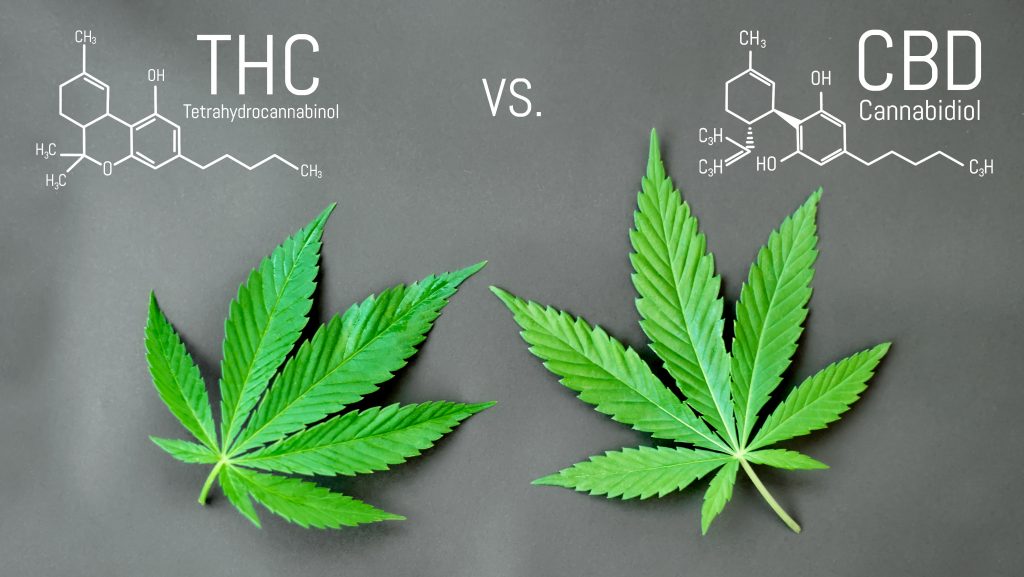
Higher THC and Medical Use: A Comprehensive Overview
Introduction to THC
Tetrahydrocannabinol (THC) is the principal psychoactive constituent of cannabis, responsible for the characteristic “high” experienced when consuming marijuana. While its psychoactive effects are well-known and often highlighted, THC also holds significant medicinal value, contributing to a growing acceptance and legalisation of medical cannabis worldwide. This paper delves into the medical uses of higher THC, exploring its benefits, mechanisms of action, and potential side effects, alongside an analysis of its legal status and future prospects.
The Biochemistry of THC
THC belongs to the class of chemicals known as cannabinoids, which affect the release of neurotransmitters in the brain by binding to cannabinoid receptors in cells. THC functions similarly to the endocannabinoid system’s (ECS) naturally occurring neurotransmitter anandamide. Mood, memory, appetite, pain perception, and other physiological and cognitive functions are all significantly regulated by the ECS. THC’s medicinal and psychotropic effects result from its binding to cannabinoid receptors, specifically CB1 receptors in the brain.
Medical Benefits of Higher THC
Pain Relief
One of the most well-documented medical benefits of THC is its ability to relieve pain. THC interacts with the brain’s pain receptors and modulates pain perception. This makes it particularly effective in treating neuropathic pain, which is often resistant to conventional painkillers. Conditions such as multiple sclerosis (MS), where chronic pain is a significant symptom, have seen patients reporting substantial relief with THC-rich cannabis treatments.
Anti-inflammatory Properties
THC has potent anti-inflammatory properties, making it useful in treating inflammatory conditions. It functions by preventing the synthesis of pro-inflammatory cytokines, which are proteins that trigger an inflammatory reaction. This makes THC a potential treatment for conditions like rheumatoid arthritis, inflammatory bowel disease (IBD), and Crohn’s disease, where inflammation is a major symptom.
Appetite Stimulation
THC is well-known for inducing “the munchies,” a colloquial term for increased appetite. This property is particularly beneficial for patients with conditions that cause severe weight loss or appetite reduction, such as cancer and HIV/AIDS. By stimulating appetite, THC can help these patients maintain a healthier weight and improve their overall quality of life.
Nausea and Vomiting Reduction
THC has been found to be highly effective in reducing nausea and vomiting, especially in patients undergoing chemotherapy. The antiemetic properties of THC help in managing these distressing side effects, allowing patients to continue their treatment with greater comfort and less interruption.
Muscle Spasticity
For conditions like multiple sclerosis and spinal cord injuries, muscle spasticity (uncontrolled muscle contractions) can be a debilitating symptom. THC has been shown to reduce muscle spasticity significantly, providing relief to patients and improving their mobility and quality of life.
Neuroprotective Effects
Emerging research suggests that THC has neuroprotective properties, which means it may help protect the brain from damage. This has implications for treating neurodegenerative diseases such as Alzheimer’s disease, Parkinson’s disease, and amyotrophic lateral sclerosis (ALS). THC’s ability to reduce oxidative stress and inflammation in the brain could slow the progression of these diseases.
Mechanisms of Action
Through its interactions with the endocannabinoid system (ECS), specifically the CB1 and CB2 receptors, THC produces its effects. Whereas CB2 receptors are prevalent in peripheral organs and tissues, especially in the immune system, CB1 receptors are mostly found in the brain and central nervous system.
CB1 Receptor Interaction
When THC binds to CB1 receptors in the brain, it influences various neurotransmitter systems, including dopamine, serotonin, and glutamate. This interaction affects pain perception, mood, and cognitive functions, contributing to both the therapeutic and psychoactive effects of THC. The activation of CB1 receptors also explains why THC can induce euphoria, altered senses, and changes in perception and behavior.
CB2 Receptor Interaction
THC’s interaction with CB2 receptors, which are mainly found in the immune system, helps modulate immune responses and inflammation. This is crucial for its anti-inflammatory and pain-relieving properties. By binding to CB2 receptors, THC can reduce the production of pro-inflammatory cytokines and chemokines, thereby alleviating inflammation and associated pain.
Medical Conditions Treated with Higher THC
Chronic Pain
Chronic pain, especially neuropathic pain, is one of the primary conditions treated with higher THC. Damage to the nerve system causes neuropathic pain, which is frequently insensitive to conventional painkillers. THC is a useful medication because it can alter the way the nervous system processes pain signals. Conditions such as diabetic neuropathy, fibromyalgia, and chronic regional pain syndrome (CRPS) are examples where THC has shown promise.
Cancer-Related Symptoms
THC is frequently used to manage symptoms associated with cancer and its treatment. Chemotherapy-induced nausea and vomiting (CINV) can be severe and debilitating, but THC’s antiemetic properties can provide significant relief. Additionally, THC can stimulate appetite in cancer patients experiencing cachexia (severe weight loss and muscle wasting), helping them maintain their strength and improve their quality of life.
Multiple Sclerosis
Multiple sclerosis (MS) is a chronic autoimmune disease that affects the central nervous system, leading to symptoms such as pain, muscle spasticity, and fatigue. THC has been found to alleviate pain and reduce muscle spasticity in MS patients. Products like Sativex, a THC and CBD oral spray, are specifically approved for treating MS-related spasticity in several countries.
HIV/AIDS
Patients with HIV/AIDS often suffer from significant weight loss and lack of appetite, a condition known as AIDS wasting syndrome. THC can stimulate appetite and promote weight gain, improving nutritional intake and overall health. Additionally, THC can help manage chronic pain and neuropathy, common in HIV/AIDS patients.
Glaucoma
Elevated intraocular pressure (IOP) in the eyes is a defining feature of glaucoma, a disorder that can cause damage to the optic nerve and visual loss. THC has been shown to reduce IOP, providing relief for glaucoma patients. However, its short duration of action requires frequent dosing, making it less practical as a standalone treatment.
PTSD and Mental Health Disorders
THC has shown potential in treating post-traumatic stress disorder (PTSD) by reducing symptoms such as nightmares and flashbacks. Its anxiolytic (anxiety-reducing) and mood-stabilizing effects can also benefit patients with depression and anxiety disorders. However, it is crucial to note that THC can exacerbate symptoms in some individuals, so careful monitoring and individualized treatment plans are necessary.
Side Effects and Risks
While THC offers numerous therapeutic benefits, it is not without side effects and risks. Understanding these is essential for both patients and healthcare providers to ensure safe and effective use.
Short-Term Side Effects
- Dry Mouth and Red Eyes: Common, generally mild side effects.
- Increased Heart Rate: Can pose risks for individuals with heart conditions.
- Coordination Problems: THC can impair motor skills, increasing the risk of accidents.
- Anxiety and Paranoia: High doses of THC can cause or worsen anxiety and paranoia, particularly in susceptible individuals.
- Cognitive Impairment: Short-term memory and concentration may be affected, impacting daily activities and decision-making.
Long-Term Side Effects
- Dependency and Withdrawal: Chronic use of THC can lead to dependency, and discontinuation may result in withdrawal symptoms such as irritability, insomnia, and loss of appetite.
- Mental Health Issues: Long-term use of THC, especially in high doses, may increase the risk of mental health disorders such as schizophrenia in predisposed individuals.
- Respiratory Issues: Smoking cannabis can cause respiratory problems similar to those caused by smoking tobacco, including chronic bronchitis and lung infections.
Special Considerations
- Adolescents and Young Adults: The developing brain is particularly sensitive to THC, and regular use during adolescence can lead to long-term cognitive and psychological effects.
- Pregnancy and Breastfeeding: THC can cross the placenta and affect fetal development. It is also excreted in breast milk, potentially impacting the newborn.
Legal Status and Regulation
The legal status of THC varies significantly across the globe, influencing its availability and use in medical treatments.
United States
Cannabis is categorized as a Schedule I controlled substance by the federal government in the United States, which means that there is no recognized medicinal use for it and a significant potential for misuse. However, many states have legalized medical cannabis, and some have legalized it for recreational use. Medical cannabis programs in these states allow for the use of THC-rich products for qualifying conditions, with regulations varying by state.
Canada
Canada legalized cannabis for both medical and recreational use in 2018. Patients can access THC products with a prescription from a healthcare provider. The legal framework ensures quality control and safe access through licensed producers and dispensaries.
Europe
European countries have diverse regulations regarding medical cannabis. Countries like Germany, Italy, and the Netherlands have established medical cannabis programs, allowing patients to access THC-rich products for specific medical conditions. Other countries have more restrictive policies, only allowing limited use of medical cannabis.
Other Regions
Countries like Australia and Israel have advanced medical cannabis programs, focusing on research and patient access. In contrast, many countries in Asia and Africa maintain strict prohibitions on cannabis use, although there are signs of gradual change and increasing interest in medical cannabis research.
Future Prospects
The future of THC in medical use looks promising, with ongoing research and changing legal landscapes likely to expand its applications and accessibility.
Research and Development
Continued research is essential to fully understand the therapeutic potential of THC and develop new formulations that maximize benefits while minimizing side effects. Clinical trials are exploring THC’s efficacy in treating various conditions, from chronic pain and neurodegenerative diseases to mental health disorders.
Personalized Medicine
Advancements in personalized medicine may lead to more tailored THC treatments, considering individual patient genetics, condition specifics, and response to cannabinoids. This approach aims to optimize therapeutic outcomes and reduce adverse effects.
Legalization and Regulation
As public perception shifts and more evidence supports the medical benefits of THC, more countries are likely to adopt medical cannabis programs. Establishing comprehensive regulatory frameworks will ensure safe access, quality control, and proper patient education.
Higher CBD and Medical Use: A Comprehensive Overview
Introduction to CBD
One non-psychoactive ingredient in the cannabis plant is cannabidiol, or CBD. In contrast to THC, CBD does not cause the “high” that is frequently connected to cannabis use. The possible therapeutic benefits of CBD have drawn a lot of attention during the past 10 years, sparking a wave of interest in medical research. This paper explores the medical uses of higher CBD, delving into its benefits, mechanisms of action, potential side effects, legal status, and future prospects.
The Biochemistry of CBD
Among the more than 100 cannabinoids included in cannabis is CBD. It interacts with the endocannabinoid system (ECS) of the body, a sophisticated cell-signaling system that is essential for controlling a range of physiological functions, including mood, memory, appetite, and pain perception. CBD does not connect to CB1 and CB2 cannabinoid receptors directly like THC does. Rather, it acts indirectly on these receptors, boosting the body’s own endocannabinoids and interacting with other receptors, like vanilloid and serotonin receptors, which adds to the vast spectrum of therapeutic benefits it has.
Medical Benefits of Higher CBD
Anxiety and Depression Relief
CBD has been extensively studied for its anxiolytic (anxiety-reducing) and antidepressant effects. It interacts with the brain’s 5-HT1A serotonin receptors, which are important for controlling anxiety and mood. Clinical research has demonstrated that CBD is useful in treating the symptoms of both generalized anxiety disorder and post-traumatic stress disorder (PTSD). It can also dramatically lessen anxiety in those with social anxiety disorder.
Pain Relief
CBD’s analgesic (pain-relieving) properties make it a valuable option for managing chronic pain. It reduces inflammation and modulates pain signals by interacting with the ECS and other pain-related pathways. Conditions such as arthritis, multiple sclerosis, and chronic pain syndromes have shown improvement with CBD treatment. Unlike opioids and other pain medications, CBD does not carry the risk of addiction and severe side effects.
Anti-inflammatory Effects
A frequent underlying cause of many chronic illnesses is inflammation. Because it can block inflammatory pathways and lower the production of pro-inflammatory cytokines, CBD has anti-inflammatory effects. Because of this, it is useful in the treatment of autoimmune diseases such as inflammatory bowel disease (IBD), rheumatoid arthritis, and others.
Neuroprotective Properties
CBD has shown promise in protecting the brain and nervous system. Its capacity to lessen oxidative stress, inflammation, and excitotoxicity—the overstimulation of nerve cells—is thought to be responsible for its neuroprotective effects. This suggests that CBD may be used as a treatment for neurodegenerative conditions like ALS, Parkinson’s disease, and Alzheimer’s disease. According to preliminary research, CBD may help people live longer and have better quality of life by slowing the advancement of certain diseases.
Epilepsy and Seizure Control
One of the most well-documented medical applications of CBD is its ability to reduce seizures in some kinds of epilepsy. Epidiolex, an FDA-approved medicine containing pure CBD, has been demonstrated to drastically reduce seizure frequency in children with Dravet syndrome and Lennox-Gastaut syndrome, both severe forms of epilepsy. CBD’s anticonvulsant properties are believed to result from its interaction with transient receptor potential (TRP) channels and other receptors involved in seizure activity.
Cancer-Related Symptoms
CBD can help manage symptoms related to cancer and its treatment, such as pain, nausea, and vomiting. . It may also increase the efficacy of several cancer treatments. Some studies suggest that CBD has anti-tumor capabilities, but further research is required to properly grasp its potential in oncology. Patients undergoing chemotherapy have found relief from CBD’s antiemetic (anti-nausea) properties, improving their overall treatment experience.
Mechanisms of Action
CBD exerts its effects through a variety of mechanisms, primarily by interacting with the ECS and other signaling systems in the body.
Endocannabinoid System (ECS)
The ECS is made up of cannabinoid receptors (CB1 and CB2), endocannabinoids (including anandamide and 2-AG), and enzymes that produce and breakdown endocannabinoids. CBD increases the levels of endogenous endocannabinoids by blocking FAAH (fatty acid amide hydrolase), an enzyme that degrades anandamide. This increases anandamide levels, promoting its beneficial effects on mood, pain, and inflammation.
Serotonin Receptors
CBD interacts with serotonin receptors, particularly the 5-HT1A receptor, which is involved in mood regulation and anxiety. By enhancing serotonin signaling, CBD can produce anxiolytic and antidepressant effects, helping to manage anxiety and depression.
TRPV1 Receptors
TRPV1 receptors, also known as vanilloid receptors, play a role in pain perception and inflammation. CBD activates TRPV1 receptors, which can help reduce pain and inflammation, making it beneficial for conditions like neuropathic pain and arthritis.
GPR55 Receptors
CBD acts as an antagonist to GPR55 receptors, which are involved in regulating bone density and blood pressure. By inhibiting GPR55 activity, CBD may help in conditions like osteoporosis and hypertension.
Medical Conditions Treated with Higher CBD
Epilepsy
CBD’s ability to reduce seizure frequency in patients with epilepsy, particularly in treatment-resistant forms like Dravet syndrome and Lennox-Gastaut syndrome, is one of its most significant medical applications. The approval of Epidiolex by the FDA underscores the therapeutic potential of CBD in managing epilepsy.
Anxiety and Depression
CBD is widely used for its anxiolytic and antidepressant effects. It can help manage symptoms of social anxiety disorder, PTSD, generalized anxiety disorder, and depression. Unlike traditional psychiatric medications, CBD has a favorable safety profile and minimal side effects.
Chronic Pain
Chronic pain conditions such as arthritis, fibromyalgia, and multiple sclerosis can significantly impact quality of life. CBD’s analgesic and anti-inflammatory properties provide relief for many patients, reducing pain and improving mobility without the risk of addiction associated with opioids.
Inflammatory Conditions
CBD is effective in managing inflammatory conditions like rheumatoid arthritis, IBD, and other autoimmune diseases. Its capacity to reduce inflammation and modify the immune response makes it an effective treatment choice.
Neurodegenerative Diseases
Conditions like Alzheimer’s disease, Parkinson’s disease, and ALS are characterized by neurodegeneration and inflammation. CBD’s neuroprotective and anti-inflammatory properties offer potential benefits in slowing disease progression and alleviating symptoms.
Cancer-Related Symptoms
Cancer patients often experience pain, nausea, and vomiting due to the disease and its treatment. CBD can help manage these symptoms, improving the quality of life for patients. Preliminary research also suggests potential anti-tumor effects, although more studies are needed.
Side Effects and Risks
While CBD is generally well-tolerated, it is not without potential side effects and risks. Understanding these is crucial for safe and effective use.
Common Side Effects
- Dry Mouth: CBD can reduce saliva production, leading to a dry mouth sensation.
- Diarrhea: Some individuals may experience gastrointestinal disturbances, including diarrhea.
- Reduced Appetite: Unlike THC, CBD may reduce appetite in some people.
- Drowsiness and Fatigue: Higher doses of CBD can cause sedation, which may be beneficial for insomnia but undesirable during daytime activities.
- Drug Interactions: CBD can interact with other medications, potentially altering their effectiveness. It is crucial to consult with a healthcare provider before starting CBD, especially for individuals on multiple medications.
Special Considerations
- Pregnancy and Breastfeeding: There is limited research on the safety of CBD during pregnancy and breastfeeding. It is generally recommended to avoid CBD use during these periods due to potential risks to the developing fetus or infant.
- Children and Adolescents: While CBD is used to treat epilepsy in children, its effects on developing brains require careful consideration and supervision by a healthcare provider.
- Long-term Use: The long-term effects of CBD are still under study. While it is considered safe for short-term use, more research is needed to understand the implications of prolonged consumption.
Legal Status and Regulation
The legal status of CBD varies widely around the world, influencing its availability and use in medical treatments.
United States
In the United States, the 2018 Farm Bill legalized hemp-derived CBD (containing less than 0.3% THC) at the federal level. However, individual states have their own regulations, with some imposing stricter controls. CBD derived from marijuana (containing higher levels of THC) is still considered a Schedule I controlled substance under federal law, although it may be legal in states with medical or recreational cannabis programs.
Canada
Canada legalized cannabis for both medical and recreational use in 2018. Patients can access CBD products with a prescription from a healthcare provider. The legal framework ensures quality control and safe access through licensed producers and dispensaries.
Europe
European countries have diverse regulations regarding CBD. Some countries, like the UK and Germany, allow the sale of CBD products with strict regulations on THC content. Others have more restrictive policies or require a prescription for medical CBD use.
Other Regions
Countries like Australia and Israel have advanced medical cannabis programs, focusing on research and patient access. In contrast, many countries in Asia and Africa maintain strict prohibitions on cannabis use, although there are signs of gradual change and increasing interest in medical cannabis research.
Future Prospects
The future of CBD in medical use looks promising, with ongoing research and changing legal landscapes likely to expand its applications and accessibility.
Research and Development
Continued research is required to fully comprehend CBD’s medicinal potential and create new formulations that enhance benefits while reducing negative effects. Clinical trials are being conducted to investigate the efficacy of CBD in treating a variety of ailments, including chronic pain, neurodegenerative diseases, and mental health disorders.
Personalized Medicine
Advancements in personalized medicine may lead to more tailored CBD treatments, considering individual patient genetics, condition specifics, and response to cannabinoids. This approach aims to optimize therapeutic outcomes and reduce adverse effects.
Legalization and Regulation
As public perception shifts and more evidence supports the medical benefits of CBD, more countries are likely to adopt medical cannabis programs. Establishing comprehensive regulatory frameworks will ensure safe access, quality control, and proper patient education.
Comparison and Use Cases
Choosing Between THC and CBD
For Pain Relief: THC is more effective for severe pain, while CBD is preferred for chronic pain without psychoactive effects.
For Anxiety: CBD is favored for its calming effects without the risk of anxiety or paranoia associated with THC.
For Epilepsy: CBD is the preferred choice, especially for treatment-resistant epilepsy in children.
For Sleep Disorders: THC may help induce sleep, but CBD improves sleep quality without the high.
Combined Use
Entourage Effect: Using THC and CBD together may enhance their effects, known as the entourage effect. Products with a balanced ratio of THC to CBD leverage this synergy.
Legal Status and Regulation
United States: CBD derived from hemp (less than 0.3% THC) is legal federally, but state regulations vary. THC is legal for medicinal and recreational use in some states, but remains a Schedule I controlled substance federally.
Canada: Cannabis is legal for both medical and recreational use, with regulated access to CBD and THC products.
Europe: Regulations vary, with some countries allowing CBD with strict THC limits. Medical cannabis programs are expanding.
Other Regions: Countries like Australia and Israel have advanced medical cannabis programs. Many countries in Asia and Africa maintain strict prohibitions, though interest in medical research is growing.
Future Prospects
Research and Development: Continued research will further understand the therapeutic potential of THC and CBD, developing new formulations and treatments.
Personalized Medicine: Advancements may lead to tailored cannabinoid treatments based on individual genetics and conditions.
Legalization and Regulation: As public perception shifts and evidence supports medical benefits, more countries are likely to adopt comprehensive medical cannabis programs.
Conclusion
Both higher THC and higher CBD offer significant medical benefits, each with unique therapeutic properties. THC is effective for pain relief, appetite stimulation, and reducing nausea, while CBD excels in managing anxiety, chronic pain, and neuroprotection. Understanding their mechanisms of action, applications, and potential side effects allows for informed decisions in medical use. As research progresses and legal frameworks evolve, the roles of THC and CBD in modern medicine are set to expand, offering new hope for patients with various chronic and debilitating conditions.
