High-CBD vs. Balanced CBD: An In-Depth Analysis of Medical and Therapeutic Benefits
Cannabidiol (CBD), a non-intoxicating compound in cannabis, has gained significant attention for its therapeutic potential in treating various health conditions. Its ability to influence the endocannabinoid system (ECS), interact with non-cannabinoid receptors, and regulate inflammation and neurological pathways makes it a valuable medical agent. However, CBD’s efficacy depends on the cannabinoid composition of specific formulations. This summary focuses on the medical applications and therapeutic benefits of high-CBD and balanced CBD formulations, exploring their mechanisms of action and effectiveness in addressing various medical conditions. Recreational use and consumption methods are excluded.
Understanding High-CBD Formulations
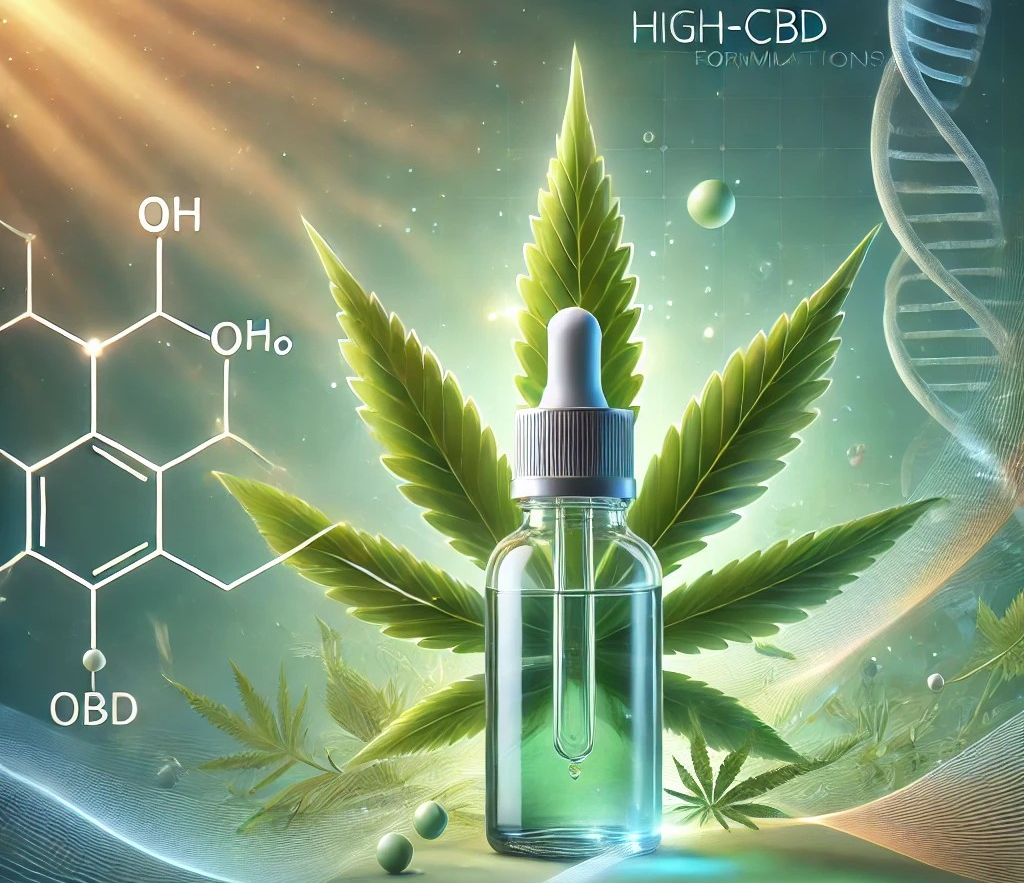
High-CBD formulations typically feature products where CBD constitutes the overwhelming majority of the cannabinoid content, with minimal amounts of tetrahydrocannabinol (THC), the psychoactive compound in cannabis. These formulations are often designed to contain less than 0.3% THC (as per legal definitions in many countries), rendering them non-intoxicating. High-CBD products may contain 95% or more CBD, often accompanied by minor cannabinoids like cannabigerol (CBG) and cannabichromene (CBC), as well as terpenes, flavonoids, and other cannabis plant compounds.
The therapeutic benefits of high-CBD formulations arise primarily from CBD’s broad pharmacological profile, which includes its ability to:
- Activate and modulate ECS receptors – CBD interacts with CB1 and CB2 receptors indirectly, modulating the balance of neurotransmitter signaling and reducing overactive immune responses.
- Enhance endogenous cannabinoids – CBD inhibits the enzyme fatty acid amide hydrolase (FAAH), which breaks down anandamide, a naturally occurring endocannabinoid known as the “bliss molecule.” By increasing anandamide levels, CBD can promote mood stabilization, analgesia, and immune regulation.
- Interact with non-ECS targets – CBD has been shown to influence transient receptor potential vanilloid (TRPV1) channels, serotonin (5-HT1A) receptors, and peroxisome proliferator-activated receptors (PPARs), further diversifying its therapeutic potential.
Medical Applications of High-CBD Formulations
1. Epilepsy and Seizure Disorders
High-CBD products have been transformative for individuals with treatment-resistant epilepsy. The U.S. Food and Drug Administration (FDA) approved Epidiolex, a high-CBD medication, for the treatment of Dravet syndrome and Lennox-Gastaut syndrome, two severe forms of epilepsy. Clinical trials demonstrated that high doses of CBD reduced seizure frequency by up to 50% in patients who failed to respond to conventional anticonvulsants.
The mechanism behind CBD’s anti-seizure properties is attributed to its modulation of the TRPV1 channels and inhibition of excitatory neurotransmitter release. Additionally, CBD’s neuroprotective properties may help prevent the long-term damage associated with repeated seizures.
2. Anxiety and Stress-Related Disorders
High-CBD formulations are effective in reducing symptoms of generalized anxiety disorder (GAD), post-traumatic stress disorder (PTSD), and social anxiety. Studies have found that CBD’s anxiolytic effects are mediated through its activation of the 5-HT1A serotonin receptor, which plays a key role in mood and stress regulation. Patients using high-CBD products report reduced physiological markers of anxiety, such as lowered heart rate and blood pressure, as well as subjective improvements in feelings of calmness and well-being.
3. Chronic Pain and Inflammation
CBD’s anti-inflammatory properties are well-documented in both preclinical and clinical studies. High-CBD formulations exert these effects through multiple pathways, including inhibition of pro-inflammatory cytokines and activation of PPAR-gamma receptors. Conditions such as rheumatoid arthritis, fibromyalgia, and neuropathic pain have shown significant improvements with high-CBD treatments, making them a safer alternative to opioids or NSAIDs, which carry significant side effects.
4. Neurodegenerative Disorders
High-CBD formulations are being explored for their neuroprotective potential in conditions like Alzheimer’s disease, Parkinson’s disease, and multiple sclerosis (MS). Research suggests that CBD can reduce oxidative stress, decrease inflammation, and promote cellular repair in the central nervous system. For instance, CBD has been demonstrated to improve mobility and general quality of life in MS patients while reducing pain and spasticity.
5. Autoimmune Diseases
By modulating the immune system, high-CBD products can downregulate hyperactive immune responses, making them promising for conditions like lupus, Crohn’s disease, and ulcerative colitis. CBD’s ability to regulate cytokine release and suppress T-cell proliferation can prevent the immune system from attacking healthy tissues, providing both symptom relief and slowing disease progression.
Balanced CBD: An Overview
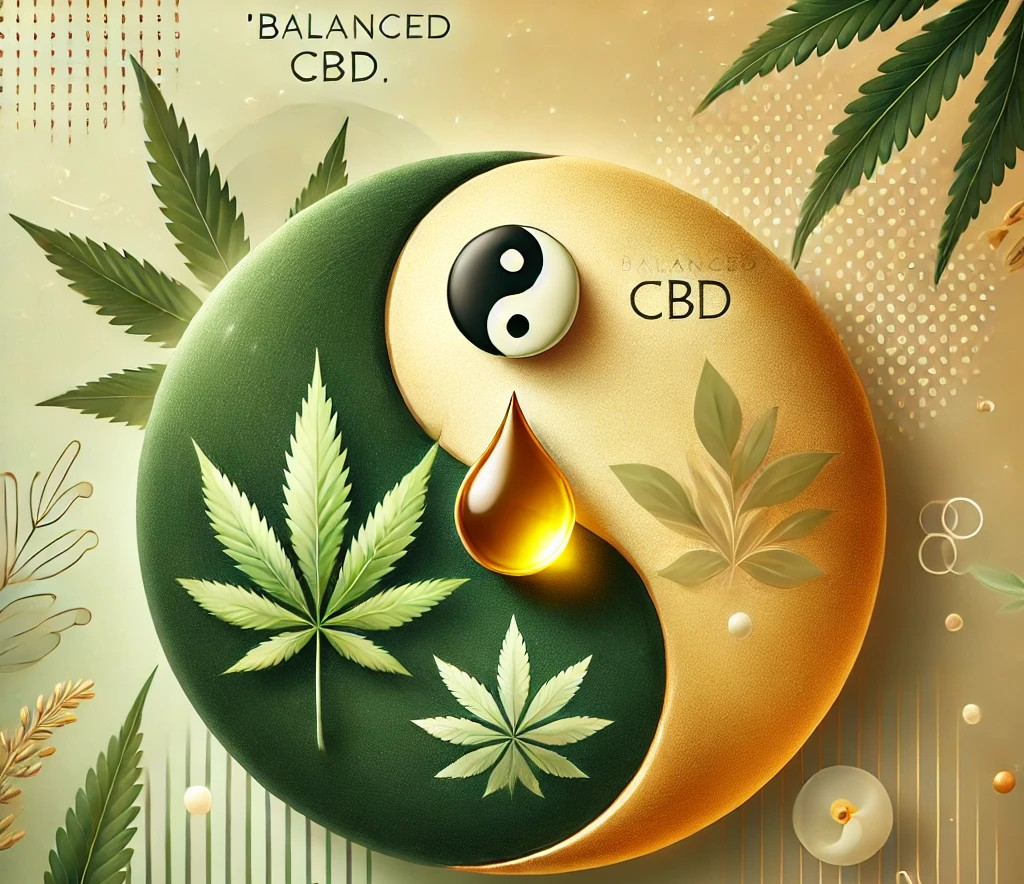
Balanced CBD formulations typically contain an equal or near-equal ratio of CBD to THC, often in a 1:1 or 2:1 ratio. These formulations leverage the synergistic effects of the “entourage effect,” wherein the combined presence of cannabinoids enhances their individual therapeutic benefits. While THC remains intoxicating in higher concentrations, the presence of CBD can mitigate many of THC’s psychoactive side effects, including anxiety, paranoia, and sedation, allowing for a more controlled therapeutic application.
Balanced CBD products are often used in clinical settings where the combined effects of both cannabinoids are required for optimal outcomes. The primary advantage of balanced formulations lies in their ability to target a broader range of receptors and signaling pathways, enhancing efficacy for certain medical conditions.
Medical Applications of Balanced CBD Formulations
1. Chronic and Severe Pain
Balanced CBD products are particularly effective for treating chronic pain conditions that involve both inflammatory and neuropathic components. THC’s ability to activate CB1 receptors provides analgesic effects, while CBD’s anti-inflammatory properties work to address the underlying cause of pain. For patients with conditions like cancer pain, spinal cord injuries, or endometriosis, balanced formulations may offer greater relief than high-CBD products alone.
2. Cancer Symptom Management
Cancer patients undergoing chemotherapy often experience severe nausea, vomiting, and appetite loss, symptoms that are difficult to manage with conventional treatments. Balanced CBD formulations have shown significant efficacy in reducing chemotherapy-induced nausea and vomiting (CINV) through the activation of CB1 receptors in the brain’s emetic center. Additionally, these formulations can stimulate appetite, improve sleep, and alleviate cancer-related pain, enhancing the overall quality of life for patients.
3. Neurological Disorders
Balanced CBD products show promise in managing conditions such as multiple sclerosis (MS) and amyotrophic lateral sclerosis (ALS). In MS, THC’s muscle-relaxant properties complement CBD’s anti-inflammatory effects, reducing spasticity and improving mobility. For ALS, balanced formulations may help alleviate symptoms such as pain, spasticity, and loss of appetite, while potentially slowing disease progression through neuroprotection.
4. Sleep Disorders
Balanced formulations can address both the physiological and psychological components of sleep disturbances. While CBD promotes relaxation and reduces anxiety, THC has sedative properties that can help patients fall asleep faster and stay asleep longer. Balanced products may be particularly beneficial for individuals with insomnia related to chronic pain or PTSD, where both cannabinoids are needed to address the underlying causes of disrupted sleep.
5. Mood Disorders and PTSD
The synergistic effects of CBD and THC in balanced formulations make them effective for mood stabilization in conditions like PTSD, bipolar disorder, and depression. While CBD acts on serotonin receptors to promote emotional resilience, THC’s activation of CB1 receptors can help regulate mood and reduce intrusive memories or flashbacks in PTSD patients. This dual action provides comprehensive symptom management that high-CBD products alone may not achieve.
High-CBD vs. Balanced CBD: Key Differences in Therapeutic Use
The choice between high-CBD and balanced CBD formulations often depends on the specific medical condition being treated, the patient’s tolerance for THC, and the desired therapeutic outcomes. The following are some of the main differences between the two:
- THC Sensitivity: High-CBD products are ideal for patients who are highly sensitive to THC or wish to avoid any psychoactive effects. Balanced formulations, on the other hand, may be more effective for patients who can tolerate small amounts of THC and require its additional therapeutic benefits.
- Targeted Applications: High-CBD formulations are more suited for conditions involving inflammation, anxiety, and seizures, where CBD’s mechanisms of action are well-suited to address the root causes. Balanced formulations are often used for conditions involving severe pain, spasticity, or chemotherapy-related symptoms, where THC plays a complementary role.
- Side Effects: High-CBD products have a very low risk of side effects, making them suitable for pediatric and geriatric populations. Balanced products, while effective, may carry a higher risk of side effects such as mild euphoria, sedation, or dry mouth due to the presence of THC.
- Regulatory Considerations: In many jurisdictions, high-CBD products with less than 0.3% THC are more widely available and legally accessible than balanced formulations, which may fall under stricter regulations due to their THC content.
The Role of the Entourage Effect
One of the most important factors to consider when comparing high-CBD and balanced CBD formulations is the “entourage effect,” a phenomenon in which the combined presence of cannabinoids, terpenes, and other cannabis compounds produces synergistic therapeutic effects. Balanced formulations are often favored for leveraging this effect, as the inclusion of THC can amplify the benefits of CBD and other minor cannabinoids. However, even high-CBD products can produce an entourage effect when they contain a full spectrum of plant compounds, including terpenes and flavonoids.
Restrictions on Growing and Using Cannabis Components in the Medical Field: A Focus on Safety and THC Regulation
Cannabis has become an important area of exploration in the medical field due to its therapeutic potential, primarily derived from cannabinoids such as cannabidiol (CBD) and tetrahydrocannabinol (THC). However, the psychoactive properties of THC, as well as the regulatory concerns surrounding the cultivation and use of cannabis components, necessitate strict oversight when utilizing these compounds in medical treatments. To ensure patient safety, cannabis is often restricted for use as a last-resort medication, with robust systems in place for monitoring THC levels in formulations to minimize or eliminate psychoactive effects. This article explores these restrictions and emphasizes the importance of stringent protocols for medical cannabis.
Regulating the Cultivation of Cannabis for Medical Use
The cultivation of cannabis for medical purposes is heavily regulated worldwide to prevent misuse and ensure consistent quality for patients. In many countries, cultivation is limited to licensed growers operating under strict government oversight. These regulations typically include:
- Licensed Cultivation Facilities: Only authorized entities are allowed to grow cannabis for medical use. These facilities must comply with strict guidelines regarding location, security, and cultivation practices to prevent diversion into the illegal market.
- Standardized Growing Conditions: Cannabis grown for medical use must adhere to Good Agricultural and Collection Practices (GACP) to ensure consistency in cannabinoid content and minimize contaminants such as pesticides, heavy metals, or microbial impurities. This consistency is critical for producing reliable medical products with predictable therapeutic effects.
- Cannabinoid Profile Monitoring: Regular testing of harvested cannabis plants is mandated to ensure they meet predetermined cannabinoid content requirements. For example, high-CBD strains must have minimal THC levels (typically below 0.3%) to comply with non-psychoactive medical product standards.
- Restricted Strains: Medical cannabis programs often permit the cultivation of specific cannabis strains bred for their therapeutic cannabinoid profiles, such as high-CBD, low-THC varieties. This ensures the production of cannabis suitable for medical applications without unnecessary psychoactive effects.
By tightly controlling the cultivation process, governments and regulatory bodies aim to ensure that cannabis used in the medical field meets the highest safety and efficacy standards.
Cannabis as a Last Resort in Medical Treatment
Cannabis is commonly restricted for use as a last-resort treatment in medical settings. This means that medical cannabis products are typically prescribed only when conventional therapies have failed to provide adequate relief. This restriction arises from the need to balance access to potentially life-changing treatments with the ethical and regulatory concerns surrounding cannabis use.
- Efficacy of Conventional Treatments: Physicians are generally required to exhaust all evidence-based conventional treatments before considering cannabis as an option. This is particularly true for conditions such as chronic pain, epilepsy, or spasticity in multiple sclerosis, where cannabis is not considered a first-line therapy.
- Medical Documentation: In many countries, doctors must provide detailed documentation demonstrating why cannabis is being prescribed, including a clear medical history, treatment failures, and the expected benefits of cannabis therapy. This helps prevent the overuse of cannabis and ensures that it is reserved for cases where it is genuinely needed.
- Patient Monitoring: Even after cannabis is prescribed, patients are closely monitored to evaluate its effectiveness and any adverse effects. This allows physicians to adjust the treatment plan as necessary and ensures that cannabis use remains medically justified.
Restricting cannabis to last-resort applications ensures that its use is based on genuine medical necessity, preserving its credibility as a therapeutic option and preventing overuse or misuse.
Monitoring THC Levels in Medical Cannabis
One of the most critical aspects of using cannabis in medicine is controlling the THC content in formulations. THC is the primary psychoactive component of cannabis, and while it has therapeutic benefits, its psychoactive effects can be undesirable for many patients. As a result, medical cannabis programs often implement stringent measures to regulate THC levels in products.
- Legal THC Limits: Many jurisdictions impose legal limits on THC content in medical cannabis products to reduce the risk of psychoactive effects. For instance, CBD oils must often contain less than 0.3% THC to be classified as non-psychoactive and suitable for widespread medical use.
- Pharmaceutical-Grade Testing: All cannabis-based medications are subjected to rigorous laboratory testing to verify their cannabinoid profiles. This ensures that THC levels remain within the prescribed range and guarantees the safety and reliability of the product.
- Formulation Design: Medical cannabis products are often formulated to minimize or counteract THC’s psychoactive effects. For example, products with a high CBD-to-THC ratio can mitigate THC-induced euphoria, anxiety, or sedation, making them more suitable for medical use.
- Patient-Specific Prescriptions: Physicians tailor THC content to the individual patient’s needs and tolerances. For some conditions, small amounts of THC may be necessary for therapeutic efficacy (e.g., for pain relief or appetite stimulation), but the dose is carefully controlled to avoid intoxication or dependence.
By closely monitoring and regulating THC levels, medical cannabis programs can maximize the therapeutic benefits of cannabis while minimizing its risks.
Ethical and Regulatory Considerations
The use of cannabis in the medical field is subject to ethical and regulatory scrutiny to ensure that it is used responsibly. These considerations include:
- Avoiding Dependency: Restricting THC levels and limiting cannabis use to last-resort scenarios helps prevent dependency and misuse among patients.
- Preventing Diversion: Strict cultivation and distribution controls reduce the risk of medical cannabis being diverted for recreational use.
- Promoting Research: Regulatory frameworks encourage ongoing research into the safety and efficacy of cannabis components, ensuring that medical use is guided by robust scientific evidence.
- Patient Education: Physicians and regulatory bodies play a critical role in educating patients about the risks and benefits of medical cannabis, ensuring informed decision-making.
Conclusion: Balancing Medical Cannabis Use with Safety, Efficacy, and Regulation
The growing acceptance of cannabis in the medical field underscores its therapeutic potential in treating a wide range of conditions. However, this potential must be balanced with rigorous regulatory frameworks, ethical considerations, and scientific oversight to ensure patient safety and efficacy in treatment. Key aspects such as the differences between high-CBD and balanced CBD formulations, the need for cannabis as a last-resort therapy, and the importance of monitoring THC levels have been explored to emphasize the responsible use of cannabis components in medicine.
High-CBD formulations are particularly effective for treating conditions like epilepsy, anxiety, chronic pain, and autoimmune disorders, offering a non-intoxicating option that is safe for most patients. In contrast, balanced CBD formulations leverage the synergistic effects of both CBD and THC, making them better suited for severe pain, spasticity, and cancer-related symptoms. The choice between these formulations depends on the patient’s medical needs, tolerance, and the specific therapeutic goals.
The cultivation of cannabis for medical use is highly controlled, with stringent licensing and growing practices to ensure quality, consistency, and safety. By focusing on specific cannabinoid profiles, medical cannabis programs can produce formulations tailored to therapeutic applications while avoiding contaminants and diversion to recreational markets.
Restricting cannabis use to a last-resort option ensures that it is prescribed based on genuine medical necessity, rather than as a first-line treatment. This approach prioritizes evidence-based medicine and helps preserve the credibility of cannabis as a therapeutic tool. Additionally, close monitoring of patients ensures that cannabis remains an effective and safe option, with minimal risk of adverse effects or dependency.
Perhaps most critically, the psychoactive properties of THC require careful regulation. THC monitoring ensures that medical cannabis products meet legal thresholds for safety, reducing the risk of intoxication while still providing therapeutic benefits. High-CBD, low-THC products have gained widespread acceptance due to their non-psychoactive properties, while balanced CBD formulations are designed to optimize the therapeutic potential of THC without overwhelming psychoactive effects.
Ultimately, the successful integration of cannabis into the medical field depends on strict adherence to regulatory guidelines, ongoing research, and patient-centered care. By implementing stringent controls on cultivation, THC levels, and usage protocols, the medical community can harness the therapeutic power of cannabis while minimizing risks. These safeguards not only ensure patient safety but also reinforce the integrity of medical cannabis as a legitimate and effective treatment option for complex and refractory conditions. As research continues to expand, the role of cannabis in medicine will likely grow, offering new hope to patients while maintaining the high standards required in healthcare.
