Table of Contents
High-CBD Cannabis Seeds for Wellness Growing
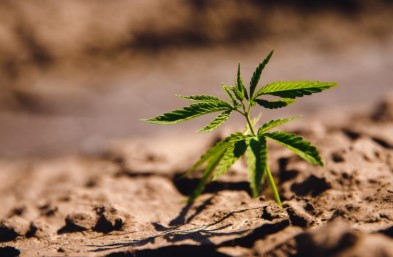
As the global understanding of cannabis evolves, high-CBD (cannabidiol) cannabis seeds have gained notable recognition in the wellness industry. These seeds, when cultivated with care and knowledge, yield plants rich in CBD and minimal in THC (tetrahydrocannabinol), the psychoactive compound that induces intoxication. High-CBD strains offer an ideal route for individuals seeking therapeutic benefits without the high, making them especially valuable in holistic health, alternative medicine, and personal wellness practices.
Recognizing CBD’s Function in Wellness
Among the more than 100 cannabinoids present in cannabis is cannabidiol (CBD). Unlike THC, CBD is non-intoxicating and is known for its anxiolytic, anti-inflammatory, antispasmodic, antiepileptic, and analgesic properties. The endocannabinoid system (ECS), a network of receptors in the body, is impacted by it, immune response, pain perception, sleep, and homeostasis.
CBD does not directly bind to CB1 or CB2 receptors like THC but modulates their activity indirectly. It also influences non-cannabinoid receptors, such as serotonin 5-HT1A (associated with anxiety and mood regulation), TRPV1 (linked to inflammation and pain), and GPR55 (involved in blood pressure and bone density).
These mechanisms make CBD-rich cannabis highly attractive for addressing:
- Chronic pain
- Anxiety and depression
- Epilepsy (notably, Dravet and Lennox-Gastaut syndromes)
- Inflammation
- Muscle spasms and spasticity (e.g., in multiple sclerosis)
- Neurodegenerative disorders
- Sleep disorders
Why Grow High-CBD Cannabis Seeds?
Growing your own high-CBD cannabis seeds provides several advantages:
- Control Over Cultivation: Home or boutique growers can control all aspects of production, including soil composition, nutrients, pesticide use, and harvesting methods—ensuring organic, clean, and chemical-free results.
- Strain-Specific Benefits: Many commercially available CBD products are isolates or broad-spectrum extracts, lacking the full-plant entourage effect. Growing whole plants allows for synergistic interactions among cannabinoids and terpenes.
- Cost-Effective Wellness: Over time, growing your own CBD-rich plants can be more economical than purchasing high-quality products regularly.
- Legal Clarity: In jurisdictions where hemp or medical cannabis cultivation is permitted, high-CBD plants with <0.3% THC are often legally distinguishable from THC-dominant varieties.
- Therapeutic Gardening: The act of gardening itself can be meditative and beneficial to mental well-being, enhancing the total wellness experience.
Cultivation Insights: Best Practices for High-CBD Seeds
Growing high-CBD cannabis requires a strategic approach to ensure consistent cannabinoid profiles and maximum wellness yield. Key factors include:
1. Genetics Selection
High-CBD cannabis seeds are selectively bred to produce flowers with a high CBD-to-THC ratio. Many modern cultivars are hybrid crosses of industrial hemp (high CBD, low THC) and cannabis strains (for terpene diversity and yield).
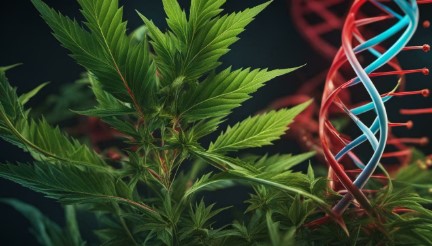
Select seeds from reputable breeders with verified cannabinoid lab results. Some strains may offer a 20:1 CBD:THC ratio, while others hover around 2:1 depending on therapeutic goals.
2. Environment
CBD plants can be grown indoors, outdoors, or in greenhouses:
- Indoor Cultivation offers the most precise control over lighting, humidity, and pests.
- Outdoor Cultivation leverages natural sunlight but is subject to environmental fluctuations and cross-pollination risks.
- Greenhouse Cultivation combines benefits of both while maintaining sustainability.
Regardless of the environment, CBD production is sensitive to:
- Light cycles: Photoperiod strains require light/dark cycles to flower, while autoflowers flower automatically based on age.
- Soil: Organic, well-aerated soils rich in beneficial microbes support strong cannabinoid expression.
- Nutrients: Balanced feeding, especially during flowering, enhances cannabinoid and terpene biosynthesis.
3. Harvest Timing
Harvesting at the right time is crucial for maximizing CBD content. Monitor trichomes under magnification; cloudy or milky trichomes typically indicate peak cannabinoid levels.
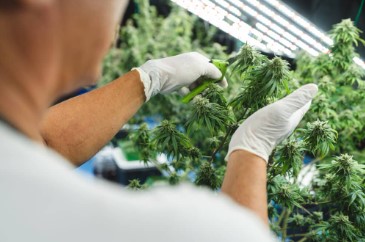
Late harvests may increase CBN (cannabinol), a mildly psychoactive degradation product of THC, which can influence sedative effects beneficial in sleep formulations.
4. Drying and Curing
Post-harvest handling is vital. Improper drying can degrade cannabinoids and terpenes:
- Dry slowly at ~60°F (15°C) and 50–60% RH for 7–10 days.
- Cure buds in sealed glass jars for 2–6 weeks to stabilize moisture and preserve terpene profiles.
The Entourage Effect: Why Whole-Plant Matters
The “entourage effect” refers to the synergistic interaction between cannabinoids (CBD, THC, CBG, CBC, etc.) and terpenes (aromatic compounds like myrcene, linalool, and pinene). This phenomenon enhances therapeutic efficacy beyond isolated compounds.
For example, CBD and linalool together may provide stronger anxiolytic effects than either compound alone. Therefore, cultivating high-CBD strains that retain full-spectrum profiles rather than producing isolates can lead to broader wellness outcomes.
Terpene Profiles in High-CBD Strains
Terpenes contribute both to aroma and pharmacological effects. Common terpenes in CBD-dominant strains include:
- Myrcene – Sedative, muscle relaxant
- Limonene – Uplifting, anti-anxiety
- Beta-caryophyllene – Anti-inflammatory, binds to CB2 receptors
- Linalool – Calming, antianxiety
- Pinene – Cognitive clarity, bronchodilator
Different terpene profiles can tailor a high-CBD strain toward relaxation, focus, or physical relief, making terpene awareness crucial in medical cannabis gardening.
Popular High-CBD Cannabis Seed Strains
Here are several well-regarded high-CBD strains suitable for wellness cultivation:
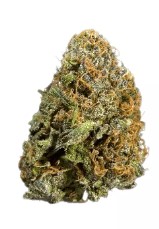
- ACDC – ~20:1 CBD:THC ratio. Excellent for anxiety, pain, and epilepsy. Citrus-pine aroma.
- Charlotte’s Web – Famous for pediatric epilepsy. Earthy, floral aroma. Often <0.3% THC.
- Harlequin – 5:2 CBD:THC ratio. Balanced effects for pain and mood. Sweet mango and musky aroma.
- Cannatonic – 1:1 to 2:1 ratio. Soothing but functional. Effective for migraines and neuropathy.
- Ringo’s Gift – Cross of ACDC and Harle-Tsu. High CBD content, often 20%+. Clear-headed and calming.
- Suzy Q – Often 10–15% CBD and <1% THC. Good for daytime use and inflammation.
- CBD Critical Mass – Heavier-yielding, body-soothing strain with a mild THC presence. Suitable for sleep support.
Each of these strains has unique cannabinoid-terpene compositions, offering tailored wellness applications.
Applications and Wellness Products
Once harvested and cured, CBD-rich flowers can be used in a variety of forms:
- Smoking/Vaporizing – Offers rapid relief from anxiety or pain.
- Oils/Tinctures – Sublingual application for steady absorption.
- Topicals – CBD-infused balms for localized inflammation or muscle pain.
- Edibles – Provide long-lasting systemic effects.
- Capsules – Ideal for precise dosing and routine supplementation.
- Teas and Juices – Fresh leaves and flowers can be infused for wellness beverages.
Many home growers decarboxylate (heat-activate) CBDa to CBD before extraction, though raw forms like juicing may preserve CBDa’s own anti-inflammatory effects.
Legal and Ethical Considerations
Legal restrictions on cannabis cultivation vary. In many regions:
- CBD hemp (<0.3% THC) is legal for cultivation.
- Medical or adult-use cannabis requires licensure or homegrow permission.
- Transport and sale of cannabis remains regulated and should follow local laws strictly.
Growers should also consider ethical practices like non-GMO seeds, sustainable resource use, and respecting plant genetics and indigenous knowledge.
Final Thoughts
High-CBD cannabis seeds offer a dynamic gateway into personal wellness cultivation, bridging natural medicine, science, and self-reliance. Whether you’re a patient seeking relief, a herbalist crafting remedies, or a wellness enthusiast exploring plant-based healing, cultivating high-CBD strains can provide empowerment, therapeutic benefits, and a deeper connection with nature.
By selecting the right genetics, optimizing environmental conditions, and respecting the plant’s complex chemistry, growers can unlock the full potential of CBD as a cornerstone of modern holistic health.
