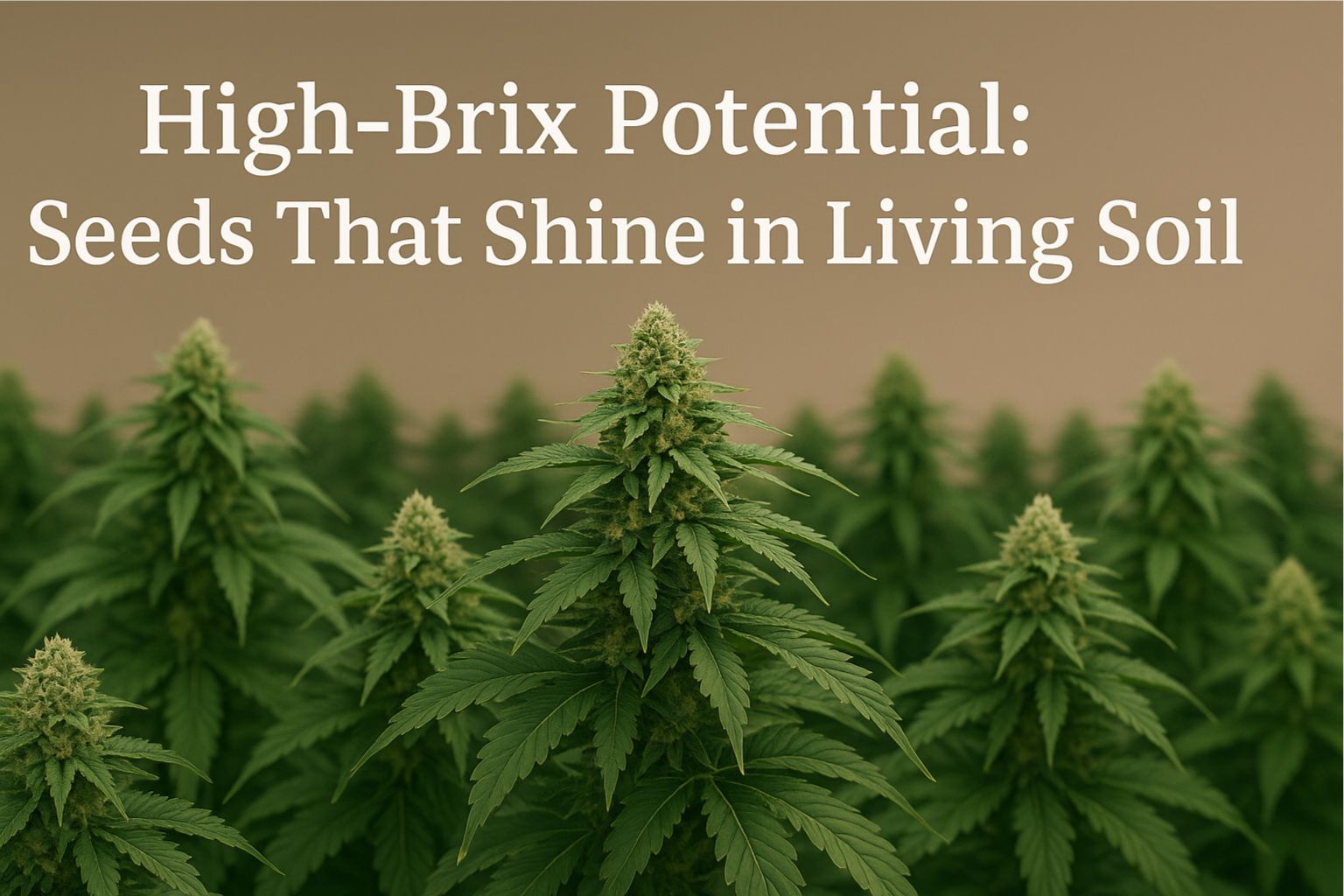
When I first heard growers brag about brix numbers, I thought it sounded like another trend that would disappear as fast as it arrived. Then I ran my own side-by-side with high-brix cannabis seeds in a living soil cannabis bed and watched one tray of plants outshine the other in aroma, density, and resilience.
The difference was not subtle. The high-brix cannabis seeds in living soil took on deeper colors, carried a louder nose in the dry room, and stayed noticeably healthier under minor stress. My brix meter readings backed up what my nose and eyes were already telling me.
In this article, I will walk through how I choose and grow high-brix cannabis seeds in both an indoor weed grow and an outdoor cannabis garden, using living soil cannabis methods, organic marijuana nutrients, and a strong soil food web. This is not theory; it is a collection of practices that have worked for me over multiple runs.
What “high brix” actually means for cannabis

In simple terms, brix is a measure of dissolved solids, mostly sugars, in plant sap. Higher brix levels usually indicate better photosynthesis, stronger mineral nutrition, and healthy microbial relationships in the root zone.
When I focus on high-brix cannabis seeds, I am chasing three things:
- Rich, layered terpene profiles rather than flat smells
- Stronger plant immunity and pest resistance
- Satisfying, resin-heavy buds that hold their structure after drying
My best brix meter readings on cannabis leaf sap hover in the 12–15 range during peak flower. I do not obsess over every point, but patterns matter. Plants grown in a living soil cannabis system with a diverse soil food web consistently test higher than the same genetics in sterile media and bottled salts.
Growers often ask me, “Do I really need special seeds for high brix, or can any strain do it?” In theory, any healthy plant can raise its brix with the right environment. In practice, certain lines clearly respond better, especially when paired with living soil cannabis practices.
What makes a seed “high-brix capable”
Genetic depth and vigor
High-brix cannabis seeds start with strong genetics. When I am scrolling through a cannabis seed bank, I look for lines with:
- Proven vigor in both indoor weed grow and outdoor cannabis garden environments
- A history of dense, resinous flowers rather than wispy, airy buds
- Stable structure across multiple phenotypes
My favorite feminized high-brix strains tend to be indica sativa hybrid seeds rather than pure indica or pure sativa. The hybrid vigor gives them the ability to sink deep roots, handle variable conditions, and keep pushing sugars even late into flower.
When I pop a new pack, I always run the high-brix cannabis seeds alongside other varieties. The plants that regularly finish with excellent brix meter readings, rich aroma, and solid resistance to pests earn a permanent spot in my rotation of feminized high-brix strains.
Root architecture and nutrient appetite
Under a microscope, high-brix cannabis seeds produce root systems that mesh beautifully with a living soil cannabis profile. These plants:
- Colonize containers quickly
- Show dense fine root hairs
- Respond well to gentle increases in mineral availability
If I see a cultivar that refuses to root deeply, or constantly fights me on nutrient uptake, it rarely becomes part of my long-term collection of indica sativa hybrid seeds for high brix.
Building the foundation: living soil cannabis and the soil food web
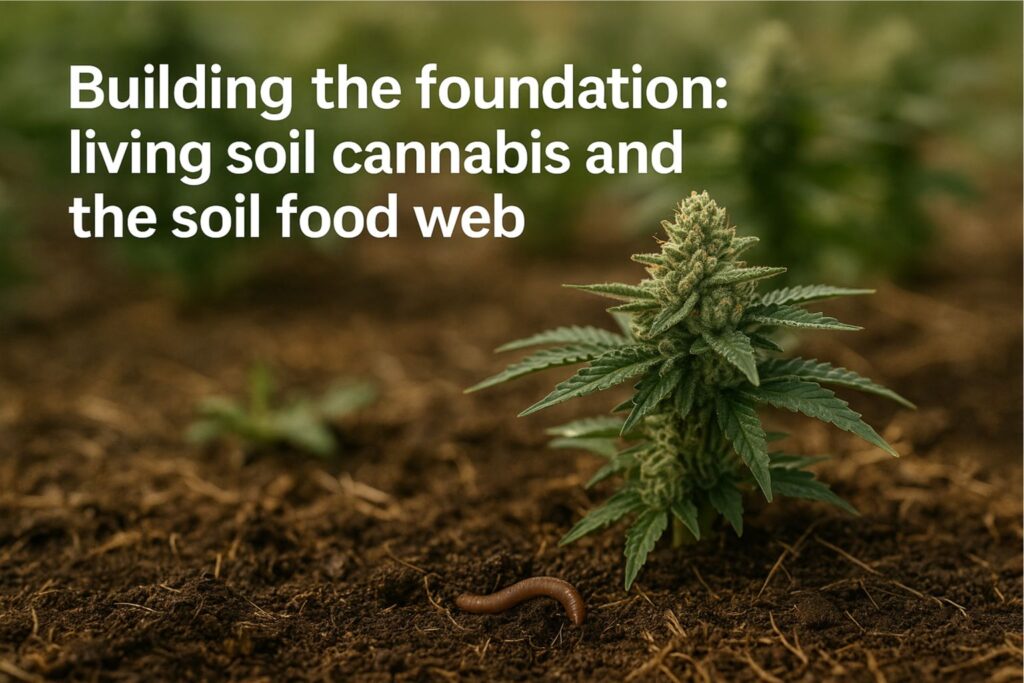
If the genetics are the engine, the medium is the track. High-brix cannabis seeds shine best in a soil food web that can supply a full spectrum of nutrients in plant-available forms.
Designing a living soil that supports high brix
My base mix for living soil cannabis usually includes:
- High-quality compost or worm castings
- Aeration components like pumice or perlite
- A balanced blend of minerals (basalt, gypsum, and carbonate sources)
- Organic matter such as peat or coco, depending on regional availability
I activate this mix several weeks before transplant, keeping it slightly moist and inoculated with beneficial microbes. During this period, the soil food web wakes up. Fungi, bacteria, protozoa, and micro-arthropods begin cycling nutrients into forms that high-brix cannabis seeds can actually use when they arrive.
Feeding the soil food web with organic marijuana nutrients
In a high-brix program, I stop thinking about “feeding plants” and focus on feeding the soil food web. I rely heavily on organic marijuana nutrients such as:
- Composted manures and plant-based meals
- Kelp, alfalfa, and neem seed meals in moderate amounts
- Fermented plant extracts and simple carbohydrate sources
Every application is calibrated to support, not overwhelm, the microbes. When the soil food web is balanced, brix meter readings climb steadily and stay stable. When I get greedy with organic marijuana nutrients, leaves lose that vibrant shine and readings flatten out.
By mid flower, my top dressings are lighter and more targeted. At that point, the living soil cannabis bed is doing most of the heavy lifting, and I simply maintain moisture and avoid extremes.
Indoor weed grow vs outdoor cannabis garden for high brix
High-brix cannabis seeds behave differently under roof and sky. I use slightly different strategies for each environment.
Running high-brix seeds in an indoor weed grow
Indoors, I control every variable. For high-brix cannabis seeds, my key targets are:
- PPFD: 700–900 µmol/m²/s in mid flower
- Temperature: 25–27 °C lights on, 20–22 °C lights off
- Relative humidity: 55–65% in veg, tapering to 45–55% in late flower
- VPD: Around 1.0–1.3 kPa during the most productive weeks
I keep CO₂ near ambient for most high-brix runs. I am not opposed to enrichment, but I have noticed that very high CO₂ can shorten flowering time slightly and change how certain terpenes express. For flavor-focused high-brix cannabis seeds, I prefer moderate intensity and longer, steady development.
In my indoor weed grow rooms, I use large fabric beds rather than small pots. This gives the soil food web enough volume to stabilize. The beds become semi-permanent ecosystems, and each cycle of high-brix cannabis seeds taps into that established biology.
Letting high-brix seeds stretch in an outdoor cannabis garden
Outdoors, the sun handles PPFD without asking permission, and the wind constantly prunes weak tissue. My job is to give high-brix cannabis seeds a strong start and protect them from major shocks.
In an outdoor cannabis garden, I:
- Plant into large holes or raised beds filled with living soil cannabis mix
- Mulch heavily with straw, leaves, and compost
- Seed cover crops to keep the soil food web active year-round
The best brix meter readings I have ever recorded came from an outdoor cannabis garden that had been managed with regenerative cannabis farming principles for several seasons. Each year, I added compost, reduced tillage, and allowed roots to decompose in place. Over time, brix numbers rose without any dramatic changes in inputs.
Outdoors, high-brix cannabis seeds reward patience. The flavors from sun-grown buds in truly healthy soil can be hard for indoor plants to match, even with perfect climate control.
Regenerative cannabis farming and long-term soil health
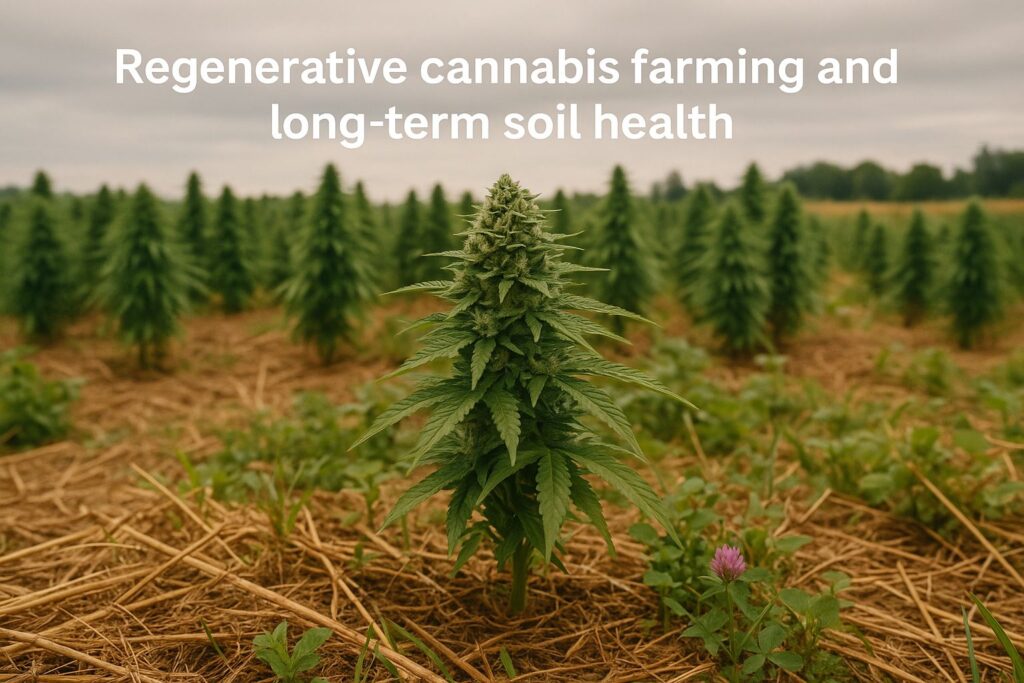
High-brix growing pairs naturally with regenerative cannabis farming practices. When I focus on building soil instead of fighting it, everything else becomes easier.
Some of the practices I use in both my indoor weed grow and outdoor cannabis garden include:
- Avoiding aggressive tilling that tears apart the soil food web
- Using compost teas and fermented extracts sparingly as microbial inoculants
- Rotating companion crops and cover crops between cannabis runs
- Allowing portions of the garden to rest with deep-rooted plants that mine minerals
Regenerative cannabis farming is not a quick fix. It is a mindset that says, “Each crop should leave the soil better than it found it.” High-brix cannabis seeds respond beautifully to that philosophy, because brix essentially measures cumulative success at soil building.
Step-by-step: a typical high-brix cycle from seed to jar
1. Selecting and popping high-brix cannabis seeds
I start with at least two packs of feminized high-brix strains from a trusted cannabis seed bank. Having multiple packs gives me enough plants to see phenotype variation clearly. I want several expressions of each line so I can evaluate which phenos deliver the best brix meter readings and overall quality.
In the germination phase, I keep things simple:
- Room temperature around 24–26 °C
- Lightly moistened starter cubes or plugs
- Gentle LED lighting at 200–300 µmol/m²/s
Once the taproot is visible, seeds move into small containers of lightly amended living soil cannabis mix.
2. Vegging in living soil
As plants move into veg, I transplant them into larger pots or directly into beds. During this stage:
- I maintain 18/6 lighting for an indoor weed grow
- I top plants once or twice to encourage branching
- I introduce low-stress training, bending tops to create an even canopy
I apply mild organic marijuana nutrients early on, mainly in the form of compost and small amounts of dry amendments. The goal is to let the soil food web and the roots establish a stable partnership.
I take my first brix meter readings roughly three weeks into veg. I squeeze sap from a healthy fan leaf and note the value. This becomes my baseline for that run of high-brix cannabis seeds.
3. Transitioning to flower
When plants are the right size, I flip the photoperiod to 12/12 indoors, or simply let natural day length handle the timing in an outdoor cannabis garden.
During the stretch:
- I gradually increase light intensity toward the 700–900 µmol/m²/s range
- I watch internode spacing to see how each phenotype behaves
- I top dress with flowering-focused organic marijuana nutrients, including phosphorus and potassium sources
At this point, I am especially attentive to humidity and airflow. High-brix cannabis seeds often build thick buds, and the last thing I want is to lose them to mold because the room was stagnant.
4. Peak flower management and brix monitoring
Around week four or five of flower, the high-brix cannabis seeds are in full production. I check:
- Brix meter readings every 7–10 days
- Leaf color and texture for signs of deficiency or excess
- Smell intensity when I gently brush the flowers
If brix numbers plateau or drop, I double-check irrigation and soil moisture before adding more inputs. Over-watering is one of the fastest ways to suffocate the soil food web and flatten the performance of high-brix cannabis seeds.
I keep VPD in the 1.0–1.3 kPa range and maintain good air exchange, even in sealed rooms. High-brix plants still need fresh air.
5. Harvest, dry, and cure
I harvest high-brix cannabis seeds when:
- Trichomes are mostly cloudy with some amber
- Pistils have receded and buds feel dense
- Brix meter readings have remained stable for a couple of weeks
Drying is slow and controlled:
- 18–20 °C
- 55–60% relative humidity
- Gentle air circulation, never directly on the buds
A careful cure in jars or bins over several weeks completes the process. In my notes, I compare aroma, burn quality, and effects to the brix meter readings from late flower. Over time, this helps me decide which feminized high-brix strains and which phenotypes are truly worth keeping.
Troubleshooting common high-brix mistakes
Even with good genetics and living soil cannabis beds, things can go sideways. Here are a few problems I see often.
- Over-amending with organic marijuana nutrients
- Symptom: Dark, clawed leaves and low brix meter readings
- Fix: Leach excess salts if necessary, then rely more on mild compost and less on heavy meals.
- Ignoring the soil food web
- Symptom: Plants in “organic” soil that still look hungry
- Fix: Introduce diverse composts, mulches, and inoculants; avoid harsh chemicals that kill microbes.
- Treating high-brix cannabis seeds like typical bottle-fed plants
- Symptom: Chasing deficiencies with bottled fixes instead of addressing root causes
- Fix: Step back, test soil where possible, and remember that high brix starts below ground.
- Poor environmental control in an indoor weed grow
- Symptom: Great soil, but inconsistent temperatures and humidity leading to stress
- Fix: Invest in basic monitoring and dehumidification before piling on new nutrients.
FAQ: High-brix cannabis seeds and living soil
What are high-brix cannabis seeds?
High-brix cannabis seeds are simply genetics that respond especially well to mineral-balanced, biologically rich environments. They consistently produce strong brix meter readings, intense aroma, and resilient growth when paired with living soil cannabis and a healthy soil food web.
Do I have to buy special seeds from a cannabis seed bank?
You do not need a label that says “high brix.” However, it helps to choose breeders with a reputation for stable, vigorous lines. I prefer to buy from a cannabis seed bank that tests its offerings in both an indoor weed grow and an outdoor cannabis garden. Over time, you will discover your own lineup of feminized high-brix strains and indica sativa hybrid seeds that excel in your conditions.
Can I use bottled nutrients instead of organic marijuana nutrients?
You can, but you may not see the full benefit. High brix is tightly linked to a robust soil food web and long-term regenerative cannabis farming practices. Bottled salt nutrients can grow healthy marijuana, but they often bypass the biological processes that push sugars higher. If you want to experiment, try a hybrid approach with minimal salts and heavy biological support.
Are high-brix methods only for outdoor cannabis gardens?
No. I run most of my high-brix cannabis seeds indoors because it allows precise control over environment and irrigation. Living soil cannabis beds work just as well in a tent or room as they do in a field, as long as you give them enough volume and manage moisture carefully.
How often should I take brix meter readings?
I usually take brix meter readings once in late veg, once during early flower, and every week or so during peak bloom. I focus more on trends than single numbers. If readings steadily rise and the plants look and smell better each week, the system is working.
High-brix cannabis seeds are not magic beans. They are simply genetics capable of expressing their full potential when paired with living soil cannabis, a thriving soil food web, balanced organic marijuana nutrients, and thoughtful regenerative cannabis farming practices.
If you are willing to treat your medium as a living ecosystem rather than a disposable substrate, high-brix growing can reward you with weed that tastes and smells closer to how the plant evolved to be. For me, that alone makes the extra effort worthwhile.
