Table of Contents
1. Overview of Herijuana Cannabis Strain
Genetics and Origins:
Herijuana is a hybrid cannabis strain that is often classified as indica-dominant. Its genetics are a mix of two powerhouse strains: LA Confidential and White Widow. The resulting offspring delivers a strain with both sedative properties and a creative, uplifting edge. The LA Confidential parent contributes to the strain’s heavy body effects, while White Widow is known for its mental clarity and euphoric qualities.
It is famous for its high THC content, often ranging between 20-25% THC. This makes it a potent strain, especially for users seeking relief from pain or other medical conditions that require strong cannabinoid support.
2. Appearance and Aroma
Appearance: This strain’s plants are typically medium-sized with a bushy structure. The buds are dense and resinous, often displaying rich green hues with deep purple undertones. The hairs on the buds are covered in trichomes, giving them a frosty appearance. These trichomes are where the strain’s THC and other cannabinoids are concentrated, making Herijuana a highly potent strain. The buds are typically compact, making it suitable for indoor cultivation.
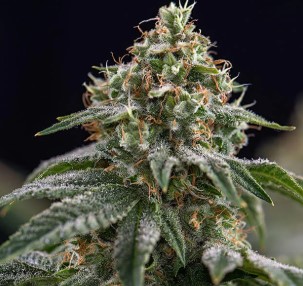
Aroma and Flavor: Herijuana has a pungent aroma that combines earthy, woody, and sweet notes. The strain tends to have a skunky scent with hints of pine and a slightly floral undertone, especially when the buds are broken apart. When smoked, the flavor can be described as earthy, with a spicy aftertaste and a slight sweetness on the exhale. The complex combination of flavors and aromas makes Herijuana a delight for many cannabis connoisseurs.
3. THC and CBD Content
One of the key features of Herijuana is its potent THC content. Typically, the THC levels in Herijuana range from 20-25%, making it suitable for experienced cannabis users. The strain’s potent euphoric effects are caused by its high THC concentration.
As for CBD content, Herijuana tends to be low in this non-psychoactive cannabinoid, with levels generally under 1%. While it can still offer some therapeutic benefits due to its THC profile, users seeking a higher CBD content might want to consider other strains.
4. Effects of Herijuana
Herijuana is a potent strain, and its effects are felt strongly by most users. The strain’s high THC content leads to powerful physical and mental effects that can vary depending on the user’s tolerance level.
1. Recreational Effects:
- Relaxation and Euphoria: One of the most common recreational effects of Herijuana is intense relaxation, both physically and mentally. The indica-dominant genetics promote a calming body high, often leading to a state of deep relaxation or sedation. This makes Herijuana an excellent strain for unwinding after a long day or for those looking to get away from the worries of everyday life.
- Increased Creativity and Mental Clarity: While Herijuana is typically associated with relaxation, many users report that it helps them focus and boosts their creativity. This mental clarity combined with euphoria can be particularly beneficial for those looking for an enhanced sense of inspiration.
- Couch-lock and Sedation: Due to the heavy indica influence, Herijuana is known for its “couch-lock” effect, which can leave users feeling physically immobilized or deeply relaxed. This makes it a great strain for evening use or for users looking for an escape from their busy schedules.
2. Medical Effects:
Herijuana is highly regarded for its medical potential, particularly in the following areas:
- Pain Relief: The potent physical effects of Herijuana make it an excellent strain for individuals suffering from chronic pain, muscle spasms, and conditions like arthritis. The sedative body high can help reduce inflammation and muscle tension, providing relief from pain.
- Stress and Anxiety Relief: Users often report feeling a sense of calm and peace after consuming Herijuana. Its ability to relax the body and ease mental tension makes it a popular choice for those with anxiety or stress-related disorders. However, due to its potency, it is recommended to use Herijuana with caution in those with high anxiety as the initial onset of effects can sometimes be overwhelming.
- Insomnia and Sleep Disorders: Herijuana’s sedative effects are well-suited for those struggling with insomnia or other sleep disorders. The relaxing body high and mental calmness help users unwind and fall into a deep, restful sleep.
- Appetite Stimulation: Like many cannabis strains, Herijuana can stimulate appetite. This makes it a helpful option for individuals dealing with conditions that cause a loss of appetite, such as cancer, HIV/AIDS, or other illnesses.
- Depression and Mood Disorders: The euphoria and uplifting mental effects of Herijuana can help alleviate symptoms of depression. Many users report feeling a sense of happiness and contentment after consuming this strain, which can be beneficial for managing mood disorders.
5. Therapeutic Uses of Herijuana
Herijuana has a wide range of therapeutic uses due to its powerful effects. Here are the specific conditions and symptoms it may help alleviate:
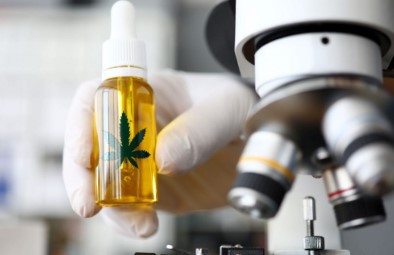
1. Chronic Pain and Inflammation: Herijuana’s analgesic properties make it a valuable tool for individuals suffering from chronic pain. Its high THC content can effectively numb physical pain and reduce inflammation, which can be especially helpful for those with arthritis, fibromyalgia, or neuropathy.
2. Stress and Anxiety: Herijuana’s calming effects can reduce stress and anxiety. The strain’s ability to promote mental relaxation and reduce physical tension helps users manage the physiological effects of stress and anxiety. However, individuals with a sensitivity to THC should use this strain with caution, as it can sometimes exacerbate anxiety in higher doses.
3. Insomnia and Sleep Disorders: Due to its sedative properties, Herijuana is often used by individuals who have difficulty falling asleep. Its ability to induce physical relaxation and mental calmness makes it ideal for those with insomnia or disrupted sleep patterns. It can help users fall asleep faster and stay asleep throughout the night.
4. Depression and Mood Enhancement: The euphoric effects of Herijuana can boost mood, providing relief from depressive symptoms. It promotes a sense of happiness and contentment, which can help individuals with depression or mood disorders feel more balanced and at ease.
5. Appetite Loss: For those suffering from appetite loss due to medical treatments or conditions, Herijuana is effective in stimulating hunger. The strain’s effects are particularly beneficial for cancer patients undergoing chemotherapy or individuals with eating disorders.
6. Growing Herijuana
Herijuana, like many cannabis strains, requires a specific set of environmental conditions and cultivation practices to thrive and produce high-quality buds. Below, I will break down the key scientific aspects of Herijuana’s cultivation, including its genetic requirements, growth conditions, environmental factors, and techniques used to optimize yield and potency.
1. Genetic and Phenotypic Characteristics
Herijuana is a hybrid strain, with indica-dominant genetics. The hybridization of LA Confidential and White Widow results in a strain that combines both indica and sativa characteristics, though with a strong emphasis on the indica side. This impacts how Herijuana grows, its structural development, and how it reacts to different cultivation methods.
Key Genetic Traits:
- Height: Herijuana tends to be of medium height, often ranging from 3 to 5 feet tall, making it appropriate for growing both indoors and outdoors.
- Branching: The strain generally has a bushy growth habit due to its indica genetics. This feature necessitates pruning and proper plant management to ensure airflow and light penetration.
- Leaf Shape: Like many indica plants, Herijuana has wide, broad leaves that are dark green in color. These leaves help maximize photosynthesis, which is crucial during the flowering stage.
2. Optimal Growing Conditions
Herijuana requires a balance of environmental factors to thrive and produce optimal yields. This includes the right levels of temperature, humidity, light intensity, and air circulation. Each of these factors influences the plant’s metabolism, growth rate, and flowering period.
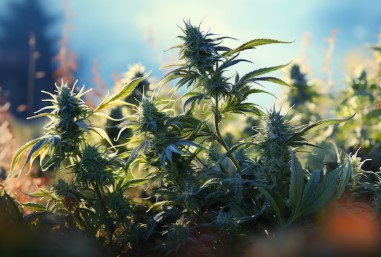
1. Temperature:
- Daytime Temperature: During the vegetative stage, Herijuana grows best with a daytime temperature range of 70–80°F (21–27°C). This temperature range allows for optimal photosynthesis and metabolic processes.
- Nighttime Temperature: During the night, a slight drop in temperature to 65–75°F (18–24°C) is beneficial, as it mimics natural environmental changes and promotes robust plant health.
- Flowering Phase Temperature: As the plant transitions into the flowering phase, maintaining temperatures in the 65–75°F (18–24°C) range encourages maximum resin production. Excessive heat can lead to nutrient deficiencies and lower quality buds.
2. Humidity:
- Vegetative Stage: In this early stage, Herijuana thrives in relative humidity (RH) of around 50–70%. This higher humidity level supports leaf and stem growth.
- Flowering Stage: Once Herijuana enters the flowering stage, the humidity should be lowered to around 40–50% RH. Lower humidity during flowering prevents mold and mildew growth and encourages the plant to focus energy on bud development.
3. Light:
- Indoor Light Requirements: In indoor growing environments, Herijuana requires around 18-24 hours of light per day during the vegetative stage to encourage healthy plant growth. During the flowering stage, light exposure should be reduced to 12 hours of light and the blossoming process is triggered by 12 hours of darkness.
- Outdoor Light Requirements: Outdoors, Herijuana should be planted in a sunny, warm location, ideally in the northern or southern latitudes where it can receive ample direct sunlight, with approximately 8-10 hours of sunlight daily.
- Light Spectrum: For optimal growth, plants in the vegetative stage respond well to blue light (around 400-500nm), while plants in the flowering stage benefit from red light (around 600-700nm) to encourage bud formation and resin production.
4. Air Circulation: Herijuana, like other cannabis strains, requires good airflow to prevent the development of mold or mildew. Proper air circulation ensures that the plant’s leaves remain dry and healthy. This is especially important in high-humidity environments or during the flowering phase when the plant’s resin content is at its peak.
3. Soil vs. Hydroponics:
Soil Cultivation:
- Herijuana can be grown in organic soil for a more natural growth process. Cannabis plants grown in soil have a higher likelihood of producing terpenes and cannabinoids that contribute to the strain’s signature aroma and flavor.
- Soil also acts as a buffer for nutrient release, reducing the risk of nutrient burns. It is also more forgiving to novice growers who may struggle with water pH or nutrient imbalances.
Hydroponic Cultivation:
- Hydroponic systems, particularly deep water culture (DWC) and aeroponics, can be used for growing Herijuana indoors. These methods offer faster growth rates and allow for precise control over nutrient delivery, pH, and water levels.
- Hydroponic systems tend to produce higher yields and more potent buds, but they also require more attention and expertise, particularly in managing water pH, oxygen levels, and nutrient ratios.
4. Pruning and Training Techniques
Due to Herijuana’s bushy structure, proper pruning and training are essential for maximizing yield and ensuring the plants receive optimal light exposure during the flowering stage. Here are some effective cultivation techniques for Herijuana:
1. Low Stress Training (LST):
- To achieve an equal canopy, LST entails carefully bending and tying down the plant’s branches. This allows light to penetrate deeper into the plant and encourages the growth of more bud sites, which can lead to higher yields.
- LST is effective during the vegetative stage and ensures that the plant grows in a more uniform manner, reducing the risk of overcrowding and improving airflow.
2. Topping:
- Cutting off the plant’s main growing tip in order to promote growth is known as topping. of two or more main colas (bud sites). This method promotes lateral growth and increases the plant’s overall yield. It is typically done during the early vegetative stage.
- Topping is particularly useful for controlling the height of the Herijuana plant, which can otherwise become too tall for certain indoor growing environments.
3. Defoliation:
- Defoliation is the removal of larger fan leaves that may block light from reaching lower branches. By selectively removing leaves, growers can encourage more lateral growth and better light penetration to all areas of the plant.
- This technique should be done sparingly, as excessive defoliation can stress the plant and reduce overall yield.
4. ScrOG (Screen of Green):
- The ScrOG method involves placing a screen or net above the plants and weaving branches through the net to create an even canopy. This technique ensures that all branches receive equal light and helps control plant height.
- ScrOG is beneficial for maximizing yield in smaller indoor spaces and can help increase resin production in Herijuana.
5. Flowering and Harvesting
1. Flowering Time:
- Herijuana typically has a flowering period of around 8-9 weeks. During this time, the plant transitions from vegetative growth to the production of dense, resin-filled buds.
- The flowering period is marked by a noticeable change in the plant’s structure as it begins to focus energy on producing flowers (buds) rather than new leaves or stems.
2. Harvesting:
- The ideal harvest time for Herijuana is determined by the trichome color and the pistil color.
- Trichomes: When the trichomes (the tiny, crystal-like structures on the buds) turn from clear to cloudy or milky, and some are beginning to turn amber, the plant is ready for harvest. This is when the THC content is highest.
- Pistils: The pistils (the hair-like structures on the buds) typically turn from white to red or orange when the plant is ready for harvest.
3. Drying and Curing:
- After harvesting, Herijuana buds must be properly dried and cured to maximize potency and flavor. The drying process should take around 7–14 days, depending on the humidity and temperature conditions. The buds should be hung in a dark, well-ventilated space with a temperature of 65–70°F (18–21°C) and a humidity of around 50%.
- After drying, curing should occur in glass jars for 2-4 weeks, which helps to further improve the buds’ flavor, fragrance, and strength.
6. Pest and Disease Management
Herijuana, like all cannabis plants, is susceptible to pests and diseases, which can impact its growth and yield. Common issues include:
Nutrient deficiencies: Herijuana requires a balanced nutrient regimen, especially during the flowering phase. Nitrogen, phosphorus, and potassium are essential for healthy growth, while trace minerals like calcium and magnesium are needed for optimal bud production.
Spider mites: These tiny pests feed on the plant’s sap and can cause the leaves to turn yellow and curl. Preventive measures include maintaining good airflow and using organic pest control methods like neem oil.
Powdery mildew: This fungal disease thrives in high humidity. Proper ventilation and humidity control are essential to prevent its spread.
7. Side Effects of Herijuana
As with any potent cannabis strain, Herijuana comes with its own set of potential side effects. These side effects can be more intense for inexperienced users or those sensitive to THC.
- Dry Mouth and Eyes: Common side effects of cannabis use, including Herijuana, are dry mouth and red, irritated eyes. Using eye drops and maintaining proper hydration can help manage them.
- Dizziness and Paranoia: In some individuals, especially those who are not accustomed to high-THC strains, Herijuana may cause dizziness or feelings of paranoia. It is recommended to start with a low dose if you are new to this strain or have a low tolerance to THC.
- Couch-lock: While this is often seen as a positive effect, the intense sedative properties of Herijuana can leave users feeling immobile or “couch-locked.” This can be uncomfortable if users are not prepared for the deep relaxation.
8. Conclusion
Herijuana is a highly potent cannabis strain that offers both recreational and medicinal benefits. Its ability to induce deep relaxation, provide pain relief, and promote euphoria makes it a well-liked option for people looking for assistance from a variety of illnesses. However, due to its strong effects and high THC content, it is best suited for experienced cannabis users. Whether you are using Herijuana to relieve stress, combat insomnia, or simply enjoy a relaxing evening, this strain has a lot to offer.
For a complete directory of cultivars, visit our Cannabis Strain Reviews.
