Table of Contents
Hell’s OG Haze is a rare and potent hybrid cannabis strain that fuses the genetics of two legendary cultivars: Hell’s OG (also known as “Hell OG” or “Hellfire OG”) and Haze. This combination merges the heavy, sedative qualities of Hell’s OG—an indica-dominant OG Kush descendant—with the energetic, cerebral buzz of classic Haze sativas. The resulting hybrid is typically balanced to slightly sativa-dominant, offering a complex array of effects that are suitable for both recreational and medical users.
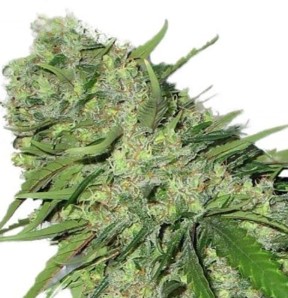
Lineage:
- Hell’s OG: A potent, indica-leaning phenotype of OG Kush, known for its high THC levels, deep relaxation, and strong couch-lock potential.
- Haze: A classic sativa strain developed in the 1960s–70s, revered for its euphoric, uplifting effects and extended flowering period.
Combining these two produces a cultivar with high THC content, moderate-to-low CBD, and a terpene profile that blends earthy, citrusy, spicy, and piney characteristics.
Cannabinoid Profile
Hell’s OG Haze typically exhibits the following cannabinoid concentrations:
| Cannabinoid | Average Content |
|---|---|
| THC | 22% – 28% |
| CBD | <1% |
| CBG | ~1% |
| CBC | ~0.3% |
| THCV | ~0.2% |
Scientific Implications:
- THC is the dominant psychoactive compound and underpins the majority of Hell’s OG Haze’s effects. It activates CB1 receptors in the central nervous system, leading to euphoric, analgesic, and appetite-stimulating properties.
- CBD, while present in trace amounts, helps mitigate THC-induced anxiety and paranoia.
- CBG (Cannabigerol) and CBC (Cannabichromene) contribute synergistically through the entourage effect, enhancing pain relief, anti-inflammatory, and neuroprotective mechanisms.
Terpene Profile
The terpene spectrum of Hell’s OG Haze is both diverse and therapeutically relevant:
| Terpene | Approx. Percentage | Effects and Aroma |
|---|---|---|
| Myrcene | 0.4% – 1.2% | Sedative, musky, herbal |
| Limonene | 0.3% – 0.8% | Anti-anxiety, citrus aroma |
| Caryophyllene | 0.2% – 0.6% | Anti-inflammatory, peppery |
| Pinene | 0.2% – 0.5% | Bronchodilator, pine scent |
| Terpinolene | 0.1% – 0.3% | Sedative, floral/woody |
| Linalool | 0.1% – 0.2% | Anxiolytic, lavender scent |
Entourage Effect:
These terpenes interact synergistically with cannabinoids, modulating effects on mood, pain, and cognition. For example, limonene can elevate mood and counteract anxiety, while myrcene enhances the sedative qualities, especially in higher doses or evening use.
Medical Uses
Hell’s OG Haze combines high THC potency (22–28%), trace CBD, and a diverse terpene profile to exert effects across pain modulation, mood stabilization, appetite stimulation, and neuroinflammation. This hybrid strain offers both uplifting cerebral effects (from Haze) and deep physical relaxation (from Hell’s OG), making it a versatile therapeutic agent.
Chronic Pain Management
Mechanism of Action:
- THC activates CB1 receptors in the periaqueductal gray and spinal cord, inhibiting nociceptive signaling (pain).
- β-Caryophyllene, a sesquiterpene, binds to CB2 receptors, providing peripheral anti-inflammatory relief without psychoactivity.
Scientific Evidence:
- CB1 receptor agonism has been shown to reduce neuropathic and inflammatory pain in rodent and human models.
- A 2020 study (NIH) demonstrated that high-THC cannabis reduced pain severity by up to 40% in treatment-resistant conditions like fibromyalgia and multiple sclerosis.
Ideal Use Cases:
- Neuropathic pain (sciatica, diabetic neuropathy)
- Migraines and cluster headaches
- Post-surgical inflammation
- Arthritis and joint pain
Anxiety and Stress Relief
Mechanism of Action:
- Limonene and linalool, two dominant terpenes in Hell’s OG Haze, modulate serotonin (5-HT1A) and GABA receptors, promoting anxiolytic and calming effects.
- THC, in low to moderate doses, reduces amygdala reactivity, dampening fear and stress responses.
Scientific Evidence:
- Studies show limonene exhibits antidepressant effects via monoamine modulation.
- Linalool reduces corticosterone levels in stressed animals, mimicking benzodiazepine-like calming without the sedative drag.
- However, high doses of THC can increase anxiety in sensitive users due to CB1 receptor overstimulation in limbic regions.
Ideal Use Cases:
- Generalized Anxiety Disorder (GAD)
- Situational stress
- Panic attacks (mild to moderate cases, low dose)
- Public speaking/social phobia (pre-dose strategy)
Depression and Mood Disorders
Mechanism of Action:
- THC enhances dopamine transmission in the ventral tegmental area (VTA), leading to mood elevation, pleasure, and motivation.
- Limonene supports neurogenesis and hippocampal plasticity, countering cognitive and emotional deficits linked to chronic depression.
Scientific Evidence:
- Animal studies on limonene show reversal of chronic mild stress-induced anhedonia.
- Human observational data links cannabis with short-term improvements in depressive symptoms, especially strains high in THC and limonene.
Ideal Use Cases:
- Dysthymia
- Seasonal Affective Disorder (SAD)
- Bipolar depression (with caution; avoid manic phases)
- Depression with fatigue and apathy
Appetite Stimulation (Cachexia, Anorexia)
Mechanism of Action:
- THC stimulates ghrelin production, increases hypothalamic activity, and enhances olfactory perception, all of which promote eating behavior.
- CB1 activation alters the mesolimbic reward system, making food more pleasurable.
Scientific Evidence:
- A 2011 clinical trial found THC increased caloric intake in HIV/AIDS patients by 30% compared to placebo.
- CB1 agonists are already used pharmaceutically (e.g., dronabinol) for chemotherapy-induced appetite loss.
Ideal Use Cases:
- Cancer patients (chemo/radiation-related anorexia)
- HIV/AIDS-associated cachexia
- Eating disorders like anorexia nervosa
- Elderly patients with wasting syndrome
Insomnia and Sleep Disorders
Mechanism of Action:
- THC shortens sleep latency (time to fall asleep) and increases slow-wave sleep in the early night.
- Myrcene and linalool enhance sedation through GABAergic pathways.
Scientific Evidence:
- Controlled studies show high-THC strains decrease REM sleep, which may reduce nightmares (especially in PTSD).
- Myrcene has a prolonged muscle relaxant effect, often acting synergistically with THC to induce deep sleep.
Ideal Use Cases:
- Sleep-onset insomnia
- PTSD-related nightmares
- Restless leg syndrome (via muscle relaxation)
- Shift workers with circadian dysregulation
PTSD and Trauma-Related Disorders
Mechanism of Action:
- THC reduces hyperarousal and intrusive thoughts via amygdala and hippocampus modulation.
- Terpenes like pinene, limonene, and linalool provide emotional regulation and memory reconsolidation support.
Scientific Evidence:
- Open-label studies suggest cannabis use improves sleep, mood, and anxiety in veterans with PTSD.
- CB1 activation alters fear extinction learning, helping users suppress traumatic memories over time.
Ideal Use Cases:
- Combat veterans with PTSD
- Sexual assault survivors
- First responders with trauma exposure
- Patients with complex PTSD
ADHD and Cognitive Focus
Mechanism of Action:
- Low doses of THC stimulate dopaminergic tone in the prefrontal cortex, enhancing executive function and working memory.
- Pinene acts as an acetylcholinesterase inhibitor, boosting alertness and attention.
Scientific Evidence:
- Some user reports and case studies suggest sativa-leaning hybrids improve concentration and impulse control in ADHD patients.
- Pinene-rich strains have been used anecdotally to combat short-term memory loss sometimes associated with high-THC use.
Ideal Use Cases:
- ADHD (Inattentive or combined type)
- Adult learners with concentration fatigue
- Brain fog from depression or trauma
Caution: Overdosing can cause distraction and racing thoughts—dosing must be precise.
Inflammatory and Autoimmune Conditions
Mechanism of Action:
- CB2 receptor activation by caryophyllene reduces production of pro-inflammatory cytokines (e.g., IL-6, TNF-alpha).
- Cannabinoids modulate microglial activity, reducing neuroinflammation associated with MS, lupus, and RA.
Scientific Evidence:
- Animal studies show that caryophyllene prevents colitis and reduces neuroinflammation in models of Parkinson’s and Alzheimer’s.
- THC also inhibits NF-κB, a transcription factor involved in chronic inflammatory states.
Ideal Use Cases:
- Rheumatoid arthritis
- Crohn’s disease and ulcerative colitis
- Lupus and Sjögren’s syndrome
- Multiple sclerosis (especially spasticity)
Neuroprotective Potential
Mechanism of Action:
- THC and CBD (if present in trace levels) exert antioxidant effects, preserving neuronal integrity.
- Terpenes such as linalool and caryophyllene promote anti-excitotoxic and anti-apoptotic activity.
Scientific Evidence:
- THC has shown neuroprotection against glutamate-induced excitotoxicity, a mechanism common in Alzheimer’s, ALS, and stroke.
- Linalool modulates NMDA receptor activity and may support neuroplasticity.
Potential Experimental Use Cases:
- Alzheimer’s disease
- Early Parkinson’s disease
- ALS
- Traumatic brain injury (TBI)
Additional Notes on Safety and Dosing
Risks:
- Paranoia and anxiety in THC-sensitive individuals
- Cognitive impairment in high doses or adolescent use
- Potential tolerance and withdrawal if used heavily
Recommended Strategy:
- Start low (e.g., 1–2 mg THC) and titrate based on symptom control.
- Combine with CBD-rich strains or extracts to buffer psychoactivity for daytime or functional use.
- Use vaporizers or tinctures for fast onset and dose control.
Summary Table of Medical Use Cases
| Condition | Mechanism | Key Components |
|---|---|---|
| Chronic Pain | CB1/CB2 activation | THC, Caryophyllene |
| Anxiety | 5-HT1A/GABA modulation | Limonene, Linalool |
| Depression | Dopamine/serotonin boost | THC, Limonene |
| Appetite Loss | Hypothalamic stimulation | THC |
| Insomnia | GABA agonism + sleep latency ↓ | Myrcene, Linalool |
| PTSD | Amygdala modulation | THC, Pinene, Linalool |
| ADHD | PFC stimulation | THC (low dose), Pinene |
| Autoimmune Conditions | NF-κB suppression, cytokine ↓ | THC, Caryophyllene |
| Neurodegeneration | Antioxidant, anti-glutamate | THC, Linalool, CBD trace |
Recreational Uses
Hell’s OG Haze is a connoisseur’s strain, appreciated by users who seek a full-spectrum high that evolves over time.

1. Creative Enhancement
- The Haze side delivers a euphoric, almost psychedelic cerebral buzz, increasing associative thinking and verbal fluency.
- Popular among:
- Artists
- Musicians
- Writers
2. Social Engagement
- Users report improved mood and sociability, especially in the first 1–2 hours of the experience.
- Ideal for small gatherings or solo explorations of music and art.
3. Mind-Body Experience
- Balanced hybrid nature provides mental clarity and physical euphoria—suitable for hiking, yoga, or sensual exploration.
- Enhances tactile sensitivity and awareness.
4. Evening Use and Wind-Down
- Although not a knockout strain, Hell’s OG Haze transitions into a deeply calming phase, making it suitable for pre-bed relaxation or reflective introspection.
Cultivation Insights
Genetic Considerations and Phenotypic Expression
Hell’s OG Haze is a polyhybrid strain, meaning it expresses a diverse set of traits due to its indica-dominant Hell’s OG and sativa-dominant Haze lineage. This makes phenotype selection critical for cultivators.
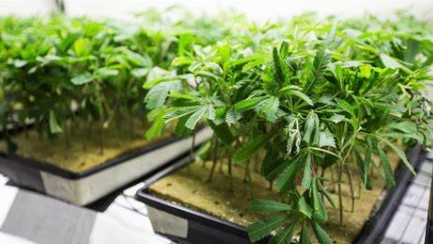
- Indica-leaning phenotypes tend to be shorter, bushier, and faster flowering.
- Sativa-leaning phenotypes are taller with longer internodal spacing, often with longer flowering periods.
Grower’s Tip: Clone from the most desirable phenotype after initial seed grow to stabilize the expression and increase uniformity.
Vegetative Stage: Structural Management and Pre-Training
Hell’s OG Haze shows vigorous vertical growth due to its Haze heritage. Managing this early is crucial to prevent light burn and inefficient canopy development.
Environmental Parameters:
| Factor | Optimal Range |
|---|---|
| Light (PPFD) | 400–600 µmol/m²/s |
| Temperature | 22–26°C (71–79°F) |
| RH | 60–70% |
| CO₂ (optional) | 400–800 ppm |
Best Practices:
- Low Stress Training (LST): Gently bend and tie branches to encourage lateral growth and even canopy development.
- Topping: Remove the apical meristem (main top node) early to promote bushier growth and more main colas.
- SCROG (Screen of Green): Use a horizontal screen to train branches laterally and expose multiple bud sites to light.
The goal is to maximize light penetration and airflow while preventing apical dominance.
Flowering Stage: Timing, Control, and Morphology
Hell’s OG Haze requires attention in flowering due to:
- Stretch phase: Expect 2x–3x increase in height during the first 2–3 weeks.
- Flowering time: 9–11 weeks depending on phenotype and environment.
Environmental Parameters:
| Factor | Optimal Range |
|---|---|
| Light (PPFD) | 800–1100 µmol/m²/s |
| Temperature | 20–26°C (68–79°F) |
| RH | 40–50% (lower in late flower) |
| CO₂ (optional) | 800–1200 ppm |
Key Techniques:
- Defoliation: Strategically remove large Hell’s OG Haze’s fan leaves to improve airflow and light distribution in dense OG-style buds.
- Lollipop Pruning: Clean lower 30% of the plant to prevent energy loss to underdeveloped buds.
- Support Structures: Due to heavy colas from the OG side, use trellis nets or bamboo stakes to prevent snapping.
Nutrient Science
Hell’s OG Haze demands a precise nutrient profile to support vigorous growth and dense flower development.
Nutrient Schedule:
| Phase | N-P-K Ratio Example | Notes |
|---|---|---|
| Early Veg | 4-2-3 | Emphasize nitrogen (N) for foliage |
| Late Veg | 3-1-4 | Prep for stretch phase, boost potassium (K) |
| Early Flower | 1-3-2 | Increase phosphorus (P) for bud formation |
| Mid-Late Flower | 0-4-4 | Maximize trichome development and oil production |
| Flush (Final 2 Weeks) | 0-0-0 | Use pH-balanced water only |
Micronutrients:
- Calcium/Magnesium (Cal-Mag): Essential in coco coir and hydroponic systems.
- Silica: Strengthens cell walls—crucial for long colas.
- Sulfur and Molybdenum: Important for terpene synthesis and enzymatic activity.
Foliar Feeding:
- During veg, can supplement kelp extract, amino acids, and silica through foliar sprays for stress resistance.
Medium & Root Zone Optimization
Hell’s OG Haze performs well in:
- Soil: Organic super soil promotes rich terpene expression.
- Coco Coir: Allows precise control over nutrients and faster growth cycles.
- Hydroponics (DWC/NFT): Maximizes yield but can reduce terpene complexity if not balanced with stressors.
Root Zone Tips:
- Maintain temperature at 18–20°C (64–68°F).
- Ensure adequate oxygenation in hydro systems to avoid root rot.
- In soil, use mycorrhizal fungi to increase phosphorus uptake.
Lighting Strategies
Due to Hell’s OG Haze’s long flowering cycle and tall structure, lighting strategy should be dynamic.
Veg Stage:
- 18/6 light cycle
- Full-spectrum white or blue-dominant LED
- 400–600 µmol/m²/s PPFD
Flower Stage:
- 12/12 cycle
- Add red/far-red spectrum (660–730nm) to promote deeper flowering
- 800–1100 µmol/m²/s PPFD
For terpene preservation, dim lights slightly in the final 10 days or simulate sunrise/sunset cycles with programmable LEDs.
Terpene and Cannabinoid Maximization
Controlled Stress Techniques:
- UVB Exposure: Brief daily doses during flower can stimulate trichome and cannabinoid production (caution: too much causes leaf damage).
- Low Temperatures at Night (17–19°C): Triggers anthocyanin production and improves flavor preservation.
- Extended Darkness Before Harvest (24–48 hrs): Anecdotally believed to increase resin production; science is still inconclusive.
Organic Additives:
- Molasses or Sugar-Based Teas: Feed Hell’s OG Haze’s soil microbes to enhance nutrient cycling and plant immune function.
- Amino Acids (e.g., L-glutamine, L-tryptophan): Help build proteins needed for secondary metabolite (terpene/cannabinoid) synthesis.
Harvest and Post-Harvest Optimization
Harvest Timing:
- Trichome Coloration: 10–20% amber for a balance of potency and maturity.
- Terpene Retention: Harvest early in the morning or lights-off cycle when terpene levels are highest.
Drying Conditions:
- Temperature: 18–21°C (65–70°F)
- Humidity: 50–60%
- Dark, ventilated environment
Slow drying over 10–14 days preserves terpene profile and avoids chlorophyll bitterness.
Curing:
- Cure in glass jars or stainless containers with burping daily for first 1–2 weeks.
- Total curing period: 4–8 weeks for maximum smoothness and complexity.
Final Notes for Advanced Cultivators
- Phenohunting: Critical with Hell’s OG Haze due to its genetic variability. Test multiple seeds, document growth traits, cannabinoid/terpene outputs, and select the most desirable phenotype.
- Lab Testing: If feasible, test cannabinoid and terpene levels to optimize environmental adjustments batch-to-batch.
Scientific Mechanisms Behind Effects
Hell’s OG Haze exerts its effects through a complex interplay of pharmacological actions:
1. THC and the Endocannabinoid System (ECS)
- Binds to CB1 receptors, producing:
- Dopamine release → euphoria, mood elevation
- Inhibition of GABA → mental disinhibition, creativity
- Modulation of pain signals
2. Terpene Modulation
- Myrcene enhances cell membrane permeability, facilitating THC uptake—potentially intensifying the high.
- Limonene modulates serotonin signaling, contributing to its antidepressant properties.
- Caryophyllene, unique among terpenes, interacts directly with CB2 receptors, adding anti-inflammatory effects.
3. Synergistic Interactions (Entourage Effect)
- The combination of cannabinoids and terpenes amplifies therapeutic effects.
- For example, THC + myrcene + linalool = sedative and muscle-relaxing effect.
- THC + limonene + pinene = mood elevation with cognitive clarity.
Potential Side Effects
As with all high-THC strains, side effects are dose-dependent and vary by individual tolerance.
Common Side Effects:
- Dry mouth
- Dry eyes
- Increased appetite
Less Common:
- Paranoia
- Anxiety (especially in novice users or high doses)
- Dizziness
Mitigation strategies include:
- Staying hydrated
- Using in a safe, familiar environment
- Beginning with modest dosages, particularly for novice users
Ideal Use Cases and Populations
| Use Case | Why Hell’s OG Haze Is Suitable |
|---|---|
| Creative sessions | Boosts idea generation and mental flow |
| Day-to-evening use | Uplifting onset with relaxing finish |
| Mixed symptom relief | Addresses both pain and mood-related disorders |
| Social engagement | Enhances sociability and laughter |
| Appetite stimulation | Reliable orexigenic properties |
Populations Who May Benefit:
- Veterans with PTSD
- Chronic pain sufferers
- Cancer patients
- Artists and creatives
- Those with high THC tolerance
Summary
Hell’s OG Haze is a robust hybrid cannabis strain that brings together the cerebral stimulation of Haze and the potent sedation of Hell’s OG. With THC levels typically hovering between 22–28%, it provides a long-lasting, multifaceted experience, making it perfect for both recreational and therapeutic purposes.
Scientifically, its impact on the endocannabinoid system, enhanced by a rich terpene profile, allows it to treat conditions ranging from chronic pain to mood disorders, while also offering a deeply enjoyable high for those seeking creative, euphoric, and relaxing experiences.
Whether you’re a medical user in search of comprehensive relief or a recreational consumer looking for a well-rounded hybrid with personality, Hell’s OG Haze delivers a dynamic, full-spectrum cannabis experience worthy of its bold name.
For a complete directory of cultivars, visit our Cannabis Strain Reviews.
