Table of Contents
The Hektol cannabis strain is one that stands out for its unique characteristics, blending a potent high with significant medicinal properties. Below is a detailed analysis of the Hektol cannabis strain, including its origins, genetic profile, effects, medical and recreational uses, as well as its comprehensive scientific breakdown.
1. Introduction
The Hektol cannabis strain is not one of the most commonly found names in the cannabis world, yet it holds significant value due to its impressive properties, both recreationally and medicinally. Like many cannabis strains, it has been cultivated for specific effects that can aid with various medical conditions or serve as an enhancer for recreational experiences.
The strain is particularly known for its ability to provide deep relaxation, relief from anxiety, and uplifted moods. Whether grown for personal use or for medicinal purposes, Hektol remains a highly regarded strain in various cannabis communities.
2. Genetic Profile
Understanding the genetics of any cannabis strain is fundamental in appreciating its characteristics, effects, and medical uses. The Hektol strain is predominantly an Indica-dominant hybrid. Although specific genetic lineage details are often not disclosed for all strains, hybrid strains like Hektol are typically bred from parent plants with complementary effects. In the case of Hektol, it is assumed that the strain draws on a mix of strong Indica strains known for their sedative properties and uplifting hybrid genetics that lend themselves well to relaxation and mood enhancement.
The precise ratio of Indica to Sativa in Hektol may vary based on the grower and cultivation methods. However, Hektol typically falls around 70% Indica and 30% Sativa, making it ideal for those seeking the calming body effects of an Indica with a slight cerebral boost, more akin to a balanced hybrid.
2.1. THC and CBD Content
One of the most important factors to consider when evaluating the effectiveness of a cannabis strain is its cannabinoid profile, specifically THC (tetrahydrocannabinol) and CBD (cannabidiol) levels.
- THC Content: The Hektol strain generally has a THC content ranging from 18% to 22%, depending on the cultivation methods used. This moderate to high THC level ensures the strain’s psychoactive effects are noticeable and strong.
- CBD Content: The CBD levels in Hektol are typically low, usually hovering around 0.1% to 0.3%. This suggests that while the strain may provide some minor medicinal benefits related to CBD (like anti-inflammatory properties), the focus is more on the THC-driven effects.
3. Appearance and Aroma
Like most cannabis strains, the appearance of Hektol can vary slightly depending on its growing conditions. However, certain characteristics remain relatively consistent:
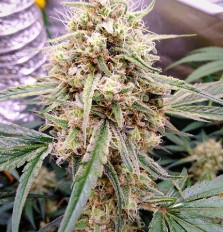
- Bud Structure: The buds of the Hektol strain are dense, with a heavy, compact look typical of Indica-dominant strains. The nugs are often covered in a significant layer of trichomes, contributing to their frosty appearance.
- Color: The color of Hektol buds ranges from deep green to purple hues, with occasional orange or reddish pistils that give it a visually appealing aesthetic.
- Aroma: Hektol has a distinctly earthy aroma, with undertones of skunky and piney notes. A blend of woodsy fragrances with a slight sweetness is often noticeable when breaking apart the buds. The scent is pungent but not overwhelmingly strong, making it a moderate option for those who prefer subtler aromas.
- Flavor: When consumed, Hektol offers a smooth and spicy flavor profile, with earthy and herbal undertones combined with hints of citrus or pine, depending on the specific batch.
4. Effects of Hektol
The effects of Hektol cannabis are a defining feature of its appeal, both for recreational and medicinal users.
4.1. Recreational Effects
For recreational users, the Hektol strain provides a balanced and enjoyable experience:
- Relaxation: Hektol is best known for its deeply relaxing effects, making it an ideal strain for unwinding after a long day. The Indica dominance provides a calming sensation that spreads throughout the body, promoting physical relaxation without rendering the user entirely couch-locked.
- Mood Enhancement: A common effect of Hektol is a noticeable elevation in mood, often providing feelings of euphoria and happiness. This makes it great for social situations or solo relaxation.
- Increased Creativity: While Hektol leans more toward relaxation, some users report a slight mental stimulation that enhances creative thinking or deepens conversation. This could be appealing for those looking to engage in artistic activities or brain-storming sessions.
- Sleep Inducement: Due to its sedative effects, it is also a great strain to use in the evening to help with falling asleep. For those suffering from insomnia or stress-induced sleep disturbances, Hektol’s calming effects can help guide the user into a restful sleep.
4.2. Medicinal Effects
For medical users, the Hektol strain can be incredibly beneficial in treating a wide range of conditions:
- Pain Relief: Like many Indica-dominant strains, Hektol is effective for managing both chronic and acute pain. It can help with conditions such as arthritis, fibromyalgia, muscle spasms, and migraine relief. The strain’s analgesic properties work by relaxing muscles and reducing inflammation.
- Anxiety and Stress Relief: Many users report that Hektol has calming effects that reduce feelings of anxiety, stress, and nervous tension. This makes it suitable for those suffering from generalized anxiety disorder (GAD), social anxiety, and stress-related conditions.
- Insomnia: As mentioned, the strain’s sedative effects make it an excellent choice for those suffering from insomnia or irregular sleep patterns. It helps ease the mind, calm the body, and promote deep sleep.
- Appetite Stimulation: Hektol can also be beneficial for individuals who need to increase their appetite, such as those undergoing chemotherapy or suffering from eating disorders. The strain stimulates hunger without overwhelming the user with high-energy effects.
- Muscle Relaxation: The muscle-relaxing effects of Hektol can help alleviate discomfort related to muscle tightness or spasms, providing comfort for people dealing with conditions like multiple sclerosis or muscular dystrophy.
- Depression and Mood Disorders: Due to its uplifting and euphoria-inducing effects, Hektol has been used to help individuals manage symptoms of depression, bipolar disorder, and PTSD. The mild mood-enhancing qualities provide temporary relief from negative thought patterns.
5. Growing Hektol Cannabis
1. Cultivation Overview
Cultivating Hektol cannabis, like other strains, involves understanding the plant’s genetics, growth cycle, and optimal environmental conditions. Cannabis plants are highly sensitive to light, temperature, humidity, and nutrients. Proper cultivation practices can significantly impact the potency, flavor profile, and yield of the strain.
1.1. Growing Environments
The Hektol cannabis strain can be cultivated both indoor and outdoor, but there are some nuances between the two:
- Indoor Growing: This method offers the grower complete control over the growing environment, allowing them to optimize temperature, humidity, light cycles, and airflow to maximize yield and potency. Indoor growing also helps mitigate risks from pests and extreme weather conditions.
- Outdoor Growing: Outdoor cultivation is more dependent on climate conditions, and it works best in temperate regions with mild winters. This method tends to yield larger plants and more substantial harvests, but it requires more space and is subject to weather fluctuations.
2. Optimal Growing Conditions for Hektol Cannabis
2.1. Temperature
Cannabis is a warm-weather plant, and the temperature plays a critical role in its growth. For Hektol, the optimal temperature range is between:
- Daytime: 21°C to 27°C (70°F to 80°F)
- Nighttime: 15°C to 21°C (60°F to 70°F)
If the temperature fluctuates too much, it can stress the plant, reducing growth or potency. Extremely hot conditions (above 90°F or 32°C) can lead to nutrient deficiencies, dehydration, and other issues, while cold temperatures (below 55°F or 13°C) can stunt growth and damage plant tissues.
2.2. Humidity
Humidity is another critical factor for Hektol cultivation. During the vegetative phase, humidity levels should be 60% to 70%, as this range promotes healthy leaf and root development.
During the flowering phase, it’s important to reduce the humidity to 40% to 50% to prevent mold growth, particularly because the buds will be dense and more susceptible to moisture retention. Lower humidity levels also help prevent the development of mildew and other fungal infections that can harm the crop.
2.3. Light Cycle and Photoperiod
The light cycle is particularly important for the flowering phase of the Hektol strain. Cannabis plants, including Hektol, are photoperiod-sensitive, meaning that the amount of light they receive each day influences their growth and flowering.
- Vegetative Stage: In this phase, plants need at least 18 hours of light per day. This promotes rapid growth of stems, leaves, and roots.
- Flowering Stage: Once the light cycle is reduced to 12 hours of light and 12 hours of darkness, the plant will begin its transition into the flowering phase. Ensuring a proper light-dark cycle is essential for successful bud production. Any light exposure during the dark period can stress the plant and lead to poor yields.
For indoor cultivation, LED grow lights or high-pressure sodium (HPS) lights are often used, as these provide the full spectrum of light required for healthy growth. For outdoor growing, natural sunlight is generally sufficient, although the number of sunlight hours might differ according to the season and geographic area.
3. Soil vs. Hydroponics: Which is Better for Hektol?
Cannabis can be cultivated in both soil-based systems and hydroponic setups. Each method has its pros and cons, but here’s how it applies specifically to Hektol:
3.1. Soil Cultivation
- Soil composition: For soil cultivation, a well-draining, slightly acidic soil (pH 6.0-6.5) is ideal for Hektol. Soil should be rich in organic matter and nutrients, allowing for healthy root development and nutrient uptake.
- Advantages: Soil-grown plants often develop a more complex flavor profile due to the natural interaction between plant roots and soil microorganisms. The growth process is generally slower but results in a more balanced plant that might be more appropriate for use in medicine.
- Challenges: Soil can be more prone to pests, and the growth cycle is slower than hydroponics, making it less efficient for larger-scale commercial growers.
3.2. Hydroponics Cultivation
Hydroponics involves growing cannabis without soil, using a water-based nutrient solution that directly nourishes the plant roots. While not as common for smaller, home-based grows, hydroponic systems can be very efficient for large-scale, controlled environments.
- Nutrient Management: In hydroponics, the grower has complete control over the nutrient levels provided to the plants, allowing for rapid growth and potentially higher yields. However, it requires careful monitoring of pH (around 5.5-6.5) and nutrient levels to avoid overfeeding or nutrient deficiencies.
- Advantages: Hydroponic setups can lead to faster growth rates and more consistent yields since the plants are fed precisely the nutrients they need. They also tend to have a higher potential THC content since plants are often more vigorously healthy.
- Challenges: The initial setup cost for hydroponics is higher than soil growing, and it requires more expertise and monitoring to maintain the nutrient solution and pH levels.
4. Nutrient Requirements
Proper nutrient management is crucial to cultivating a healthy and high-yielding cannabis plant like Hektol. Plants require macronutrients (nitrogen, phosphorus, potassium) as well as micronutrients (iron, calcium, magnesium, etc.).
4.1. Vegetative Stage Nutrients
During the vegetative stage, Hektol cannabis plants require higher amounts of nitrogen to promote healthy leaf and stem growth. Nutrient formulas should be high in nitrogen (around 3-1-2 ratio, with more nitrogen) during this phase.
- Nitrogen (N): Promotes leafy growth.
- Phosphorus (P): Encourages strong root and flower development.
- Potassium (K): Helps improve the plant’s overall resilience and metabolism.
4.2. Flowering Stage Nutrients
Once the plant enters the flowering stage, the nutrient mix should shift towards a higher concentration of phosphorus and potassium to support flower development and resin production.
- Phosphorus (P): Supports bud formation and root health.
- Potassium (K): Increases overall plant strength and flower density.
- Calcium (Ca) and Magnesium (Mg): Essential for cell structure and nutrient uptake.
5. Pruning and Training Techniques
To maximize yields and optimize the growth of Hektol, growers often employ various pruning and training techniques. These methods help control plant size, increase light penetration, and promote better air circulation.
5.1. Topping
- In order to promote lateral development and topping, the top of the primary stem is chopped off to create multiple main colas (buds). This technique helps maximize yields and ensures that more parts of the plant receive light.
5.2. LST (Low-Stress Training)
- LST involves gently bending and tying down branches to spread out the canopy and create more even growth. This allows light to penetrate all areas of the plant, increasing bud production.
5.3. ScrOG (Screen of Green)
- A ScrOG screen is used to spread the plant’s branches out horizontally. This technique maximizes the use of available light and ensures the entire plant is evenly exposed to light, which can improve the quality of the buds.
6. Pest and Disease Management
As with any cannabis strain, pest and disease management is a critical part of Hektol cultivation. The most common pests include spider mites, aphids, and whiteflies, while powdery mildew and botrytis (bud rot) are typical fungal issues.
To mitigate these risks:
- Integrated Pest Management (IPM): This approach focuses on preventative measures such as using beneficial insects (e.g., ladybugs) or organic pest control methods.
- Fungicides: Natural fungicides such as neem oil can be used to prevent fungal issues like powdery mildew.
7. Harvesting and Post-Harvest Processing
The timing of the harvest is crucial to maximize the potency and flavor of Hektol cannabis. Growers should monitor the trichomes on the buds to determine the best harvest window.
- Harvesting: When about 70-80% of the trichomes are cloudy, with a few amber-colored trichomes, it’s the ideal time for harvest to ensure maximum THC content.
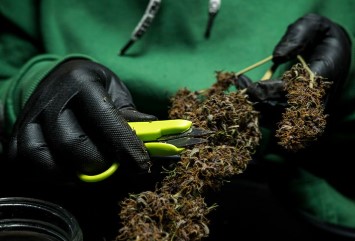
- Curing: After harvesting, Hektol buds should be dried slowly in a well-ventilated area, followed by curing in glass jars. This process enhances the flavor profile and potency.
6. Risks and Side Effects
While the Hektol strain is generally well-tolerated, users should be mindful of potential side effects, which are common among cannabis strains that have a significant THC content:
- Dry Mouth (Cottonmouth): As with most cannabis strains, users may experience dry mouth, which can be alleviated by staying hydrated and using moisturizing lip balm.
- Dry Eyes: Dryness of the eyes is another typical side effect, though it can be remedied by using eye drops.
- Anxiety: While Hektol is typically calming, higher doses of THC can occasionally lead to feelings of anxiety or paranoia, especially for inexperienced users or those sensitive to THC.
- Dizziness or Headaches: Some users may experience mild dizziness or headaches, particularly when consuming in large quantities.
7. Conclusion
In conclusion, the Hektol cannabis strain is a versatile option for both recreational and medicinal users. With its blend of relaxing physical effects and mood-enhancing properties, Hektol is suitable for a wide variety of purposes. Whether you’re using it to alleviate pain, reduce anxiety, improve sleep, or simply enjoy a moment of relaxation, Hektol provides significant value.
Its moderate THC content ensures that it provides a strong yet manageable high, while its mild CBD levels allow for a more THC-focused effect. For growers, the strain’s relatively easy cultivation and moderate yield make it an appealing option for personal use or commercial production.
If you are looking for a cannabis strain that balances relaxation with a touch of euphoria, Hektol may be a perfect choice for you. Always remember to start with small doses to gauge your tolerance and enjoy the therapeutic benefits it offers.
For a complete directory of cultivars, visit our Cannabis Strain Reviews.
