Table of Contents
Heirloom marijuana seeds
Heirloom marijuana seeds represent an essential part of the genetic heritage of Cannabis sativa and Cannabis indica. These seeds originate from landrace strains that have evolved naturally over centuries in specific regions, without extensive human-driven hybridization. As the cannabis industry advances toward modern hybrid strains that prioritize specific traits like high THC or CBD levels, heirloom seeds stand as a testament to cannabis’ original, unaltered genetic blueprint.
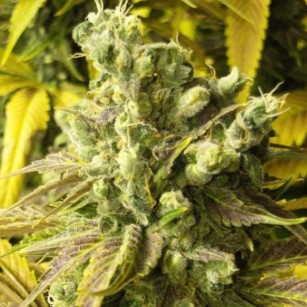
Understanding heirloom marijuana seeds from a scientific perspective requires exploring their origin, genetic integrity, phenotypic expressions, cannabinoid and terpene profiles, cultivation techniques, and medical/recreational uses. This comprehensive document delves deeply into these aspects.
Origins and Evolution of Heirloom Cannabis
1. Landrace Ancestry Heirloom strains descend directly from landrace strains — cannabis varieties that adapted to their native environments over hundreds or thousands of years. Examples include Afghan Kush (Afghanistan), Malawi Gold (Africa), and Acapulco Gold (Mexico).
2. Migration and Preservation In the 1960s and 1970s, global travelers and botanists collected seeds from native regions and brought them to the West. They cultivated these strains without extensive crossbreeding, preserving their genetic lineages. Seeds stored under correct conditions maintained high viability, becoming what we call “heirloom” seeds today.
3. Genetic Stability Unlike modern hybrids, heirloom cannabis exhibits relatively low genetic variation within specific populations. This stability results from natural selection pressures like climate, soil type, altitude, and native pests/pathogens.
Genetic Characteristics
1. Genetic Purity Heirloom strains have not been crossbred with unrelated varieties. Their gene pools retain a wealth of original alleles responsible for diverse cannabinoid and terpene expressions, structural morphologies, and stress responses.
2. Adaptation Mechanisms
- Photoperiod Sensitivity: Many heirlooms are sensitive to light cycles, an adaptive trait rooted in equatorial versus temperate zone differences.
- Stress Resistance: Some heirlooms have developed tolerance to drought, poor soil, and high pathogen pressures, making them resilient compared to some modern hybrids.
3. Genetic Markers Molecular techniques, such as RAPD (Random Amplified Polymorphic DNA) and AFLP (Amplified Fragment Length Polymorphism), confirm genetic distinctions between heirloom varieties and commercial strains.
Phenotypic Traits
1. Morphology
- Indica Heirlooms: Typically short, bushy, with broad leaves. Flowering is faster (7-9 weeks).
- Sativa Heirlooms: Taller plants, narrow leaves, longer flowering periods (10-16 weeks).
2. Flower Structure Heirloom buds may be looser and airier than dense modern buds but often exhibit intense trichome production and vibrant coloration, depending on environmental conditions.
3. Growth Rates They often exhibit slower vegetative growth compared to hybrids, a factor attributed to evolutionary adaptations for survival over yield maximization.
Cannabinoid Profiles
1. THC and CBD Balance Heirloom strains often present a broader range of THC:CBD ratios:
- Some have high THC (>20%) like original Thai landraces.
- Others maintain more balanced ratios, essential for therapeutic applications.
2. Minor Cannabinoids Heirlooms tend to have richer profiles of minor cannabinoids:
- CBG (Cannabigerol): Precursor to THC and CBD.
- THCV (Tetrahydrocannabivarin): Known for appetite suppression and potential anti-diabetic properties.
- CBC (Cannabichromene): Linked to anti-inflammatory effects.
Terpene Profiles
1. Diversity of Terpenes Heirlooms exhibit complex and diverse terpene profiles due to their adaptation to specific environmental pressures.
2. Key Terpenes in Heirlooms
- Myrcene: Sedating, earthy aroma; abundant in Afghani Kush.
- Limonene: Citrus scent; present in Mexican heirlooms.
- Pinene: Pine aroma; protective against memory impairment.
- Caryophyllene: Spicy, peppery scent; known for anti-inflammatory activity.
- Linalool: Floral scent; linked to anti-anxiety properties.
3. Entourage Effect The interaction between cannabinoids and terpenes, termed the “entourage effect,” is pronounced in heirlooms, offering therapeutic effects often superior to isolates or highly bred THC-heavy strains.
Cultivation Techniques
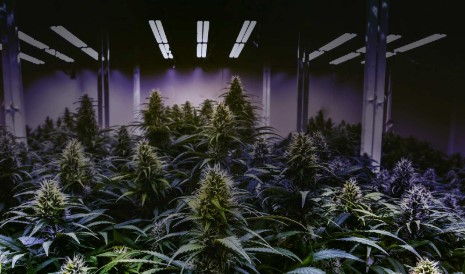
1. Seed Preservation
- Storage Conditions: Heirloom seeds require cool (4°C), dry (<10% humidity), and dark environments.
- Germination Rates: Seeds older than five years may require scarification or gibberellic acid treatments to promote germination.
2. Soil and Nutrients Heirlooms thrive in organic soils with living microbiota. They benefit from amendments like compost teas, mycorrhizal fungi, and minimal synthetic inputs.
3. Climate Requirements Matching a strain’s ancestral climate is critical:
- Thai heirlooms prefer humid, tropical conditions.
- Afghani heirlooms thrive in arid, mountainous regions.
4. Pruning and Training Traditional techniques such as topping, LST (low-stress training), and SCROG (Screen of Green) maximize yields without stressing the plant.
5. Flowering and Harvest Heirlooms have specific flowering triggers based on photoperiod and temperature changes. Monitoring trichome development rather than relying solely on breeder-recommended harvest windows ensures peak cannabinoid and terpene production.
Medical and Recreational Applications
1. Medical Uses Heirloom strains offer therapeutic versatility:

- Pain Relief: High-THC Afghani strains.
- Anxiety and Depression: Balanced THC:CBD Mexican or Colombian strains.
- Anti-inflammatory: High-CBD African landraces.
2. Recreational Uses Recreationally, heirloom strains provide nuanced psychoactive experiences:
- Sativa-dominant heirlooms induce energetic, cerebral highs.
- Indica-dominant heirlooms provide body relaxation and couch-lock effects.
3. Personalized Medicine Given their diverse chemotypes, heirloom strains offer unique opportunities for personalized cannabinoid and terpene therapy, appealing to both medical patients and discerning recreational users.
Challenges and Risks
1. Genetic Drift Without careful cultivation practices, inbreeding depression or genetic drift can occur, diminishing the desirable traits over generations.
2. Susceptibility to Disease While some heirlooms have developed pathogen resistance, others, especially tropical sativas, can be prone to mildew and pest infestations in temperate environments.
3. Legal and Supply Issues Legal restrictions in some jurisdictions have historically hindered the collection, propagation, and study of heirloom genetics.
4. Loss of Genetic Resources As commercial cannabis markets favor high-yield, high-THC strains, heirloom varieties risk extinction. Seed banks and preservation projects are crucial to maintain these genetic resources.
Preservation Efforts
1. Seed Banks Organizations such as the Vavilov Institute, the International Cannabis Preservation Society, and small private collectors strive to maintain viable heirloom seed collections.
2. Breeding Programs Responsible breeders utilize heirlooms to reintroduce vigor, resilience, and therapeutic diversity into modern cannabis breeding programs.
3. Cultivation Networks Grassroots initiatives encourage the local cultivation of heirlooms in appropriate climates, maintaining open-pollination practices to preserve genetic integrity.
4. Genomic Studies Advances in whole-genome sequencing allow researchers to catalog heirloom genetic profiles, aiding conservation efforts and providing insights into cannabis evolution.
Future Prospects
1. Integration into Breeding Heirloom strains will increasingly play roles in breeding projects seeking to:
- Restore genetic diversity.
- Develop pathogen-resistant cultivars.
- Create unique terpene-cannabinoid combinations.
2. Pharmaceutical Interest Pharmaceutical companies exploring whole-plant therapies are beginning to appreciate heirloom strains’ full-spectrum chemovars, leading to renewed scientific interest.
3. Cannabis Terroir Movement Just as wine lovers value terroir, cannabis connoisseurs are embracing the concept of “cannabis terroir,” in which heirloom strains grown in their native environments offer unparalleled authenticity and quality.
4. Citizen Science Citizen scientists and home growers increasingly participate in documenting, preserving, and cultivating heirloom genetics, democratizing cannabis research and conservation.
Conclusion
Heirloom marijuana seeds embody the original spirit, resilience, and medicinal potential of cannabis. Their unique genetic signatures, phenotypic expressions, and chemical compositions offer treasures that the modern cannabis community must protect. As research into minor cannabinoids and the entourage effect accelerates, heirlooms will undoubtedly prove to be vital reservoirs of natural medicine, cultural heritage, and agricultural biodiversity.
