Table of Contents
Headband is a hybrid cannabis strain known for its potency, which often provides both a cerebral and physical experience. This strain is named for the distinct sensation it imparts around the head, often described as a “headband” feeling—an intense pressure around the temples and forehead. It’s a cross between two famous strains, OG Kush and Sour Diesel, which combine to produce a powerful, long-lasting high.
Headband has a significant reputation for its versatility, offering a combination of both mental and physical effects. It is widely used for both recreational and medical purposes due to its well-rounded effects. Below is a detailed exploration of the Headband cannabis strain, including its medical and recreational uses, scientific background, chemical composition, cultivation, and therapeutic potential.
Cannabis Strain Overview
Genetics and Origins
Headband is a hybrid strain that results from crossing two well-known cannabis varieties:
- OG Kush: A legendary strain in its own right, OG Kush is the foundation of many other famous strains. It’s known for its potent effects, which deliver both a calming body high and euphoric cerebral sensations.
- Sour Diesel: This sativa-dominant strain is famous for its energizing, uplifting effects and pungent diesel-like aroma.
These two parent strains combine to create a balanced hybrid that offers an interesting blend of sativa and indica effects, making it popular for a wide range of users.
Type of Strain
Headband is often described as a hybrid strain, with its exact balance of sativa and indica varying depending on the phenotype. It typically leans more toward a balanced hybrid (50/50) but can sometimes have slightly more sativa dominance. The effects are a blend of mental stimulation and physical relaxation, making it ideal for users seeking an overall well-rounded experience.
Physical Characteristics
Appearance
Headband cannabis plants often showcase the distinctive appearance typical of high-quality cannabis. The buds are usually dense, with a mix of light and dark green hues. These buds are often adorned with orange hairs and a thick layer of frosty trichomes, making them sticky and potent.
Aroma and Flavor
Headband’s aroma is pungent and complex. It often has a sour, diesel-like smell thanks to its Sour Diesel parent. Users can also detect earthy and woody notes, with some citrus undertones. The flavor profile follows suit, blending earthy, sour, and slightly sweet elements with a diesel aftertaste.
Chemical Composition: Cannabinoids and Terpenes
Headband’s effects are driven by its chemical composition, primarily the concentration of cannabinoids and terpenes. Below is a breakdown of the most important components of this strain.
Cannabinoid Profile
- THC Content: Headband is known for its high THC levels, which can range from 20% to 27%, making it a potent strain. The high THC content is primarily responsible for its intense effects, both recreational and medicinal.
- CBD Content: The CBD content in Headband is typically low, usually under 1%. This makes it less suitable for medical users specifically seeking CBD for therapeutic reasons, though it can still offer relief for certain conditions when combined with THC.
Terpene Profile
The aromatic compounds that give Headband its distinctive scent also influence its effects. The most common terpenes found in Headband are:
- Caryophyllene: Known for its spicy, peppery scent, this terpene has anti-inflammatory and pain-relieving properties. It also acts as a CB2 receptor agonist, potentially helping with conditions like arthritis and chronic pain.
- Limonene: This terpene is responsible for citrusy, lemon-like aromas and is known for its uplifting and anti-anxiety properties. It may help improve mood and alleviate stress.
- Myrcene: Often found in indica strains, myrcene has a musky, earthy aroma and is believed to have sedative effects, contributing to the body high that Headband offers.
- Pinene: Giving off a piney aroma, pinene has potential anti-inflammatory effects and may help with memory retention and alertness.
Effects and High
Recreational Effects
Headband is known for providing a balanced and long-lasting high. Upon consumption, users may experience an immediate cerebral rush, characterized by a euphoric and uplifting feeling. This is followed by a calming body sensation that can leave users feeling relaxed, happy, and at ease. The strain is often praised for its ability to provide both mental stimulation and physical relaxation simultaneously.
Users often report the following effects:
- Euphoria and Happiness: A sense of joy and happiness is common with Headband, making it a popular choice for users looking to improve their mood.
- Mental Clarity and Focus: While it induces euphoria, Headband also provides a degree of mental clarity, making it useful for creative or social activities.
- Relaxation: The physical effects of Headband are calming, helping users feel relaxed and at ease without being overly sedative.
Because of its balanced nature, Headband is suitable for a variety of recreational uses, from socializing to artistic pursuits. It’s ideal for evening use or when users want to unwind after a long day.
Medical Effects
Medically, Headband has found favor among those seeking relief from a variety of conditions. Its high THC content and the presence of therapeutic terpenes make it an effective strain for managing both physical and psychological symptoms.
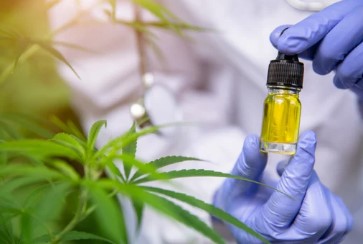
Some common medical uses of Headband include:
- Chronic Pain: Thanks to the anti-inflammatory properties of caryophyllene and myrcene, Headband can provide significant relief for individuals suffering from chronic pain, including conditions like arthritis, migraines, and back pain.
- Stress and Anxiety: Limonene’s uplifting properties help users feel more at ease, making Headband a good choice for those dealing with stress, anxiety, or mild depression. The strain’s calming effects can also help reduce symptoms of tension or nervousness.
- Insomnia: While not overly sedative, the relaxing nature of Headband’s body high can help people wind down and fall asleep, making it useful for those struggling with insomnia.
- Appetite Stimulation: Like many cannabis strains, Headband can increase appetite, which may be helpful for individuals undergoing chemotherapy or dealing with conditions like anorexia or cachexia.
- Nausea: Headband’s anti-nausea properties make it an effective remedy for people experiencing nausea from medications, treatments, or digestive issues.
Potential Side Effects
As with any cannabis strain, there are potential side effects that users should be aware of. The most common adverse effects of Headband include:
- Dry Mouth (Cottonmouth): A frequent side effect of cannabis consumption, dry mouth can be mitigated by staying hydrated.
- Dry Eyes: Some users may experience dry or red eyes, which can be alleviated by using eye drops.
- Paranoia or Anxiety: While Headband is generally considered to have calming effects, its high THC content can sometimes cause paranoia or heightened anxiety, especially in users who are sensitive to THC.
- Dizziness or Lightheadedness: Some users report feeling dizzy, especially when consuming large amounts of the strain.
Cultivation
Cultivating Headband cannabis requires an understanding of its growth traits and the specific environmental factors that affect its development. As a hybrid strain with both sativa and indica influences, Headband can adapt to various growing conditions, but it thrives best when given proper care, attention, and environmental control. Below is a scientific breakdown of the cultivation methods for Headband, including environmental conditions, growing techniques, and the biological aspects that influence its growth.
1. Growth Characteristics
Headband cannabis plants exhibit a combination of sativa and indica traits, with the plant’s morphology influenced by these genetic backgrounds. It generally grows tall and bushy, with dense, resin-coated buds. Understanding its growth characteristics is essential for maximizing yield and quality.
Height:
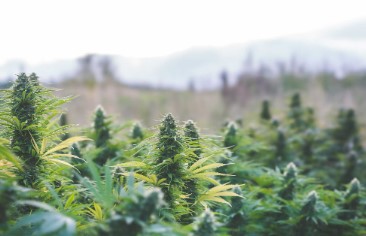
Headband plants are moderately tall, particularly in the sativa-dominant phenotypes. When grown indoors, they can reach heights of 3 to 5 feet, while outdoor plants may exceed 6 feet. Therefore, controlling plant height is crucial, especially in indoor environments.
Structure:
Headband has a dense and bushy structure with thick foliage. It develops strong lateral branches, which require attention during the growth cycle to ensure that the plant receives sufficient light. The buds are compact and heavy, often covered in a thick layer of trichomes, which makes the plant sticky and potent.
2. Environmental Factors for Optimal Growth
Headband is a relatively resilient strain but requires optimal environmental conditions for maximum yield and potency. Below is a breakdown of the environmental factors that affect its growth.
Temperature:
Headband cannabis grows best in temperatures between 70°F and 80°F (21°C to 27°C) during the day and slightly cooler at night (around 60°F to 70°F or 15°C to 21°C). Maintaining these temperatures helps to regulate the plant’s metabolic processes, such as photosynthesis and respiration, ensuring healthy growth.
- If the temperature is too high, it may lead to stress, nutrient deficiencies, and reduced resin production. Conversely, if the temperature drops too low, the plant may suffer from stunted growth and an increased risk of mold or mildew.
Humidity:
Headband prefers moderate humidity levels, especially during the vegetative stage (around 50% to 60%) and lower levels during the flowering stage (40% to 50%). Excessive humidity can increase the risk of mold and bud rot, especially in dense, resinous buds. On the other hand, too little humidity can lead to dehydration and slow growth.
Light:
As a hybrid strain, Headband requires a balanced light schedule. Indoor growers should provide approximately 18 hours of light per day during the vegetative stage, switching to a 12-hour light cycle during the flowering stage to induce bud formation. The light should be of high intensity to ensure strong growth and bud development.
For outdoor cultivation, Headband benefits from a warm climate with direct sunlight for at least 6 hours a day. The ideal growing season is late spring through early fall, depending on the location’s climate.
3. Growing Techniques
To maximize the yield and quality of Headband cannabis, several cultivation techniques are commonly used. These methods are designed to manipulate the plant’s growth, increase light exposure, and improve air circulation.
Training Techniques:
- Low-Stress Training (LST):
Low-stress training involves gently bending and tying down the branches of the plant to create an even canopy. This ensures that all parts of the plant receive equal light, which can improve bud development and overall yield. LST is especially useful for Headband because of its dense and bushy nature. - High-Stress Training (HST):
Headband can also respond well to high-stress training methods, such as topping, where the main stem is cut above the node to promote the growth of two new main stems. This technique encourages the plant to grow horizontally, increasing the number of bud sites and improving yield. - Screen of Green (SCROG):
SCROG is a technique that involves using a screen to train the plant’s growth horizontally. This method maximizes the plant’s light exposure, encourages more bud sites, and helps to manage the plant’s height. SCROG is particularly useful for Headband when grown indoors, where space is limited.
Pruning and Defoliation:
Due to its bushy nature, Headband benefits from periodic pruning and defoliation to ensure that light penetrates all parts of the plant and to remove any dead or yellowing leaves. This enhances ventilation and lowers the possibility of mold or mildew growth. It’s important to be careful not to over-prune, as excessive removal of foliage can stress the plant.
Trellising and Support:
As Headband produces dense, resinous buds, using trellises or support stakes is important to prevent preventing branches from snapping beneath the blossoms’ weight. This support system helps maintain structural integrity and maximizes bud development.
4. Nutrient Requirements
Headband requires a balanced feeding regimen throughout its growth cycle, with different nutrient needs during the vegetative and flowering stages.
Vegetative Stage:
During the vegetative stage, Headband benefits from higher levels of nitrogen, which promotes leaf and stem growth. The synthesis of chlorophyll, which promotes photosynthesis, requires nitrogen. It’s important to also provide adequate amounts of phosphorus and potassium, which support root development and overall plant health.
Flowering Stage:
Once Headband enters the flowering stage, it will require more phosphorus and potassium to support bud formation and resin production. During this phase, it’s crucial to reduce nitrogen levels to prevent excessive vegetative growth. Excess nitrogen during flowering can lead to slower bud development and smaller yields.
Micronutrients:
In addition to macronutrients (nitrogen, phosphorus, potassium), Headband also requires trace minerals such as calcium, magnesium, sulfur, and iron. These micronutrients help ensure strong cellular structures, facilitate enzyme activity, and support overall plant health.
pH Levels:
The optimal pH for Headband is between 6.0 and 7.0 when grown in soil. For hydroponic systems, a slightly more acidic pH of 5.5 to 6.5 is ideal. Monitoring and adjusting the pH is crucial, as improper pH levels can lead to nutrient lockout, where the plant cannot absorb necessary nutrients, causing stunted growth or deficiencies.
5. Pest and Disease Management
As with all cannabis strains, Headband is susceptible to pests and diseases, particularly during the flowering stage when the dense buds can trap moisture and create a favorable environment for mold or mildew. Aphids, whiteflies, and spider mites are common pests. These can be managed through integrated pest management (IPM) techniques, such as introducing natural predators (e.g., ladybugs for aphids) or using organic pest control products.
Mold and Mildew:
Given Headband’s dense structure and high resin production, mold and mildew are concerns, particularly in humid environments. To prevent this, growers should ensure proper airflow and humidity control. Regular inspection of the plants for any signs of mold or mildew is critical, and any affected areas should be promptly removed.
Fungicides and Pesticides:
If necessary, organic fungicides and pesticides can be used to manage mold, mildew, and pests. It’s important to ensure that any treatments are safe for cannabis cultivation and that they are used in moderation to avoid affecting the flavor or potency of the final product.
6. Harvesting and Curing
Headband typically has a flowering time of 8 to 9 weeks, though this can vary somewhat based on the growing environment and phenotypic. Harvesting is ideally done when the buds’ trichomes have turned a milky white with some amber hues, indicating peak THC content.
After harvesting, the buds must be carefully dried and cured to preserve their potency, flavor, and aroma. Drying typically takes 7 to 10 days in a controlled environment with low humidity and temperatures between 60°F to 70°F. Once dried, the buds should be cured in glass jars for 2 to 4 weeks, with periodic burping to release excess moisture and prevent mold growth. expect yields of around 14 to 18 ounces per plant when cultivated properly.
Conclusion
Headband is a versatile and potent cannabis strain that has gained popularity for its balanced effects and medicinal benefits. Whether used recreationally or for medical purposes, this strain provides a satisfying experience, offering a combination of physical rest and mental stimulation. With its high THC content, therapeutic terpenes, and ability to treat various conditions, Headband remains a top choice for many cannabis enthusiasts and patients alike.
While it may cause some mild side effects like dry mouth or dizziness, its benefits far outweigh the potential downsides for most users. Those looking to alleviate chronic pain, stress, insomnia, or nausea will find Headband to be an effective and reliable strain. For recreational users, it’s a perfect choice for both creative activities and social gatherings, offering a well-rounded and enjoyable experience.
For a complete directory of cultivars, visit our Cannabis Strain Reviews.
