Table of Contents
Haze XL is a highly regarded cannabis strain known for its potent effects, distinctive aroma, and a rich lineage rooted in the world-famous Haze genetics. As a sativa-dominant hybrid, Haze XL offers a balanced yet uplifting experience, making it favored by both medical and recreational cannabis consumers. This document provides an in-depth analysis of Haze XL, covering its origin, characteristics, medical and recreational uses, and the science behind its effects.
Genetics and Origin
Haze XL is a product of crossbreeding two legendary strains: Haze and Northern Lights. The Haze lineage, originating in California during the 1960s and 1970s, is renowned for its cerebral high and energizing effects. Northern Lights, a pure indica strain, contributes its calming properties and resilience to Haze XL’s genetic profile. This combination results in a strain that embodies the best of both worlds: a robust sativa experience complemented by subtle indica undertones.
Appearance and Aroma
Haze XL plants grow tall and slender, characteristic of sativa-dominant strains. The buds are elongated, with a vibrant green hue accented by bright orange pistils and a generous coating of crystalline trichomes. The strength and aromatic nature of the strain are enhanced by the abundance of terpenes and cannabinoids found in these trichomes.
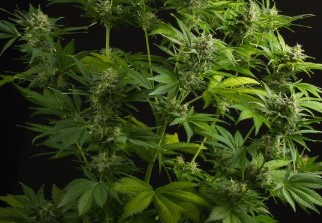
The aroma of Haze XL is a complex blend of citrus, pine, and earthy undertones, with hints of sweet spice. The dominant terpenes include myrcene, limonene, and pinene, which not only define its fragrance but also influence its therapeutic effects.
Chemical Composition
Haze XL’s chemical profile is a key factor in its wide-ranging effects. The following are the primary cannabinoids and terpenes present in this strain:
- Cannabinoids
- THC: Haze XL typically contains THC levels ranging from 18% to 22%, making it a potent strain suitable for experienced users.
- CBD: The CBD content is relatively low, usually below 1%, which means the strain is more suited for recreational purposes and conditions that benefit from THC.
- CBG and CBN: Trace amounts of cannabigerol (CBG) and cannabinol (CBN) are also present, contributing to the entourage effect.
- Terpenes
- Myrcene: Known for its relaxing properties, myrcene enhances the strain’s mild sedative effects.
- Limonene: Provides citrusy notes and uplifting effects, often linked to mood enhancement and stress relief.
- Pinene: Offers anti-inflammatory benefits and a refreshing pine aroma.
- Caryophyllene: Adds a spicy kick to the flavor profile and has anti-inflammatory properties.
Recreational Uses
Haze XL is a versatile strain that caters to various recreational needs. Its high THC content and uplifting effects make it a popular choice for those seeking a stimulating and enjoyable experience.
- Creative Stimulation
- Haze XL is known to inspire creativity, making it an ideal choice for artists, writers, and musicians. The strain’s cerebral effects enhance focus and spark new ideas.
- Social Interactions
- The euphoric and uplifting nature of Haze XL makes it perfect for social gatherings. It helps reduce social anxiety and fosters a relaxed, talkative atmosphere.
- Outdoor Activities
- Many users report enhanced enjoyment of outdoor activities such as hiking, gardening, or simply spending time in nature. The strain’s energizing properties align well with active lifestyles.
- Evening Relaxation
- While predominantly sativa, the Northern Lights lineage provides a subtle calming effect, making Haze XL suitable for unwinding after a busy day.
Medical Applications
Haze XL offers several therapeutic benefits, largely attributed to its balanced cannabinoid and terpene profile. Below are some of the specific medical conditions for which Haze XL may be beneficial:
- Mental Health Disorders
- Depression: The uplifting and euphoric effects of Haze XL can help alleviate symptoms of depression by promoting a positive mood and enhancing mental clarity.
- Anxiety: While its energizing effects may be too intense for some anxiety-prone individuals, moderate doses can reduce mild anxiety and stress.
- Chronic Pain Management
- The strain’s high THC content, combined with its anti-inflammatory terpenes like caryophyllene, can provide relief from chronic pain conditions such as arthritis, migraines, and fibromyalgia.
- Fatigue
- Haze XL’s energizing properties make it a natural choice for combating fatigue and improving daytime productivity.
- Appetite Stimulation
- Like many high-THC strains, Haze XL can help stimulate appetite, making it beneficial for patients going through hunger-suppressing therapies like chemotherapy.
- Neurological Conditions
- Emerging research suggests that strains high in THC and terpenes like pinene may aid in managing symptoms of neurological disorders such as multiple sclerosis and Parkinson’s disease.
- Nausea Relief
- The strain’s antiemetic properties are useful for patients experiencing nausea due to medical treatments or gastrointestinal issues.
Consumption Methods
The way Haze XL is consumed significantly impacts the onset, duration, and effects due to differences in absorption and metabolism. Below are the primary methods of ingestion:

1. Smoking
- Description: Combustion of the dried flower in a joint, pipe, or bong.
- Onset:
- Effects are felt almost immediately, typically within 1-3 minutes after inhalation, as THC is rapidly taken up by the circulation through the lungs.
- Duration:
- Effects peak around 10-30 minutes after smoking and last for approximately 2-3 hours.
- Bioavailability:
- Smoking provides a bioavailability of 15-30% due to some THC degradation during combustion.
- Advantages:
- Rapid relief for acute symptoms like pain or anxiety.
- Easy to control dosage by adjusting the amount inhaled.
- Drawbacks:
- Potential respiratory irritation due to inhalation of combustion byproducts.
- High combustion temperatures that cause the loss of some terpenes and cannabinoids.
2. Vaping
- Description: Heating the flower or cannabis concentrate to release cannabinoids and terpenes as vapor without combustion.
- Onset:
- Similar to smoking, effects begin within 1-3 minutes due to rapid lung absorption.
- Duration:
- Effects peak within 15-30 minutes and last 2-4 hours.
- Bioavailability:
- Higher than smoking, typically 40-50%, as vaping avoids combustion and preserves more cannabinoids and terpenes.
- Advantages:
- Cleaner delivery system with reduced respiratory irritation.
- Preserves the full terpene profile of Haze XL, enhancing flavor and therapeutic benefits.
- Drawbacks:
- Requires a vaporizer device.
- Some vaporizers may not evenly heat the material, leading to uneven cannabinoid extraction.
3. Edibles

- Description: Cannabis-infused food, beverages, or gummies containing decarboxylated THC.
- Onset:
- Effects are delayed, starting 30 minutes to 2 hours after ingestion due to digestion and liver metabolism.
- Duration:
- Effects last much longer, typically 6-8 hours, with some residual effects lasting up to 12 hours in higher doses.
- Mechanism:
- THC is converted to 11-hydroxy-THC in the liver, which is more potent and longer-lasting than delta-9-THC.
- Bioavailability:
- Lower than inhalation methods, around 4-12%, as THC undergoes first-pass metabolism.
- Advantages:
- Discreet consumption method with prolonged relief for chronic symptoms.
- No respiratory irritation.
- Drawbacks:
- Harder to titrate dosage, increasing the risk of overconsumption.
- Delayed onset can lead to accidental overuse by inexperienced users.
4. Sublingual (Tinctures and Oils)
- Description: Liquid cannabis extracts applied under the tongue for direct absorption through mucous membranes.
- Onset:
- Effects are felt within 15-30 minutes, as cannabinoids bypass the digestive system and enter the bloodstream directly.
- Duration:
- Effects last 4-6 hours, depending on the dose and individual metabolism.
- Bioavailability:
- Higher than edibles, around 20-35%, as it avoids first-pass metabolism.
- Advantages:
- Precise dosing with quick onset.
- Convenient for medical users needing consistent relief.
- Drawbacks:
- The taste of tinctures may not be to everyone’s taste.
5. Topicals
- Description: Creams, balms, or patches infused with cannabinoids for localized application.
- Onset:
- Effects are felt within 15-30 minutes for creams and 1-2 hours for transdermal patches.
- Duration:
- Relief lasts 4-6 hours, but transdermal patches can provide effects for up to 12 hours.
- Mechanism:
- Cannabinoids interact with CB2 receptors in the skin but typically do not enter the bloodstream (except transdermal patches, which can deliver cannabinoids systemically).
- Bioavailability:
- Minimal systemic absorption unless using a transdermal patch.
- Advantages:
- Effective for localized pain or inflammation.
- Non-psychoactive unless cannabinoids enter the bloodstream via a patch.
- Drawbacks:
- Limited to external application and localized effects.
6. Dabbing
- Description: Inhaling vapor from concentrated cannabis extracts (wax, shatter, or oil) using a dab rig.
- Onset:
- Instantaneous, with effects felt within 1-2 minutes due to rapid absorption.
- Duration:
- Intense effects that peak within 15-30 minutes and taper off over 2-4 hours.
- Bioavailability:
- Very high, around 50-75%, due to the concentrated nature of the extract.
- Advantages:
- Extremely potent, making it suitable for users with high tolerance or severe symptoms.
- Concentrates retain terpenes for enhanced flavor and effects.
- Drawbacks:
- High potency increases the risk of overconsumption.
- Requires specialized equipment and may not be beginner-friendly.
Factors Influencing Onset and Duration
- Metabolism:
- Faster metabolisms lead to quicker onset and shorter duration, particularly for edibles.
- Body Fat:
- THC is lipophilic and stored in fat cells, which can affect the duration of effects.
- Tolerance:
- Regular cannabis users often require higher doses for the same effects.
- Strain Composition:
- Haze XL high THC and sativa dominance generally provide an energetic onset with a slightly shorter duration than indica-heavy strains.
- Cannabinoid Profile:
- The presence of minor cannabinoids like CBG and terpenes like limonene influences the onset and perceived effects.
- Set and Setting:
- Psychological factors (mood, expectations) and environment can alter how quickly effects are perceived and how long they last.
Comparison of Onset and Duration by Method
| Method | Onset | Peak | Duration | Potency |
|---|---|---|---|---|
| Smoking | 1-3 minutes | 10-30 minutes | 2-3 hours | Moderate |
| Vaping | 1-3 minutes | 15-30 minutes | 2-4 hours | High |
| Edibles | 30 minutes-2 hrs | 2-4 hours | 6-8 hours | Variable |
| Sublingual | 15-30 minutes | 30-60 minutes | 4-6 hours | Moderate |
| Topicals | 15-30 minutes | N/A (localized) | 4-6 hours | Low/Localized |
| Dabbing | 1-2 minutes | 15-30 minutes | 2-4 hours | Very High |
Potential Side Effects
While Haze XL is generally well-tolerated, users may experience side effects, especially when consumed in large quantities. Common side effects include:
- Dry Mouth and Eyes
- Staying hydrated and utilizing eye drops can help lessen these symptoms.
- Paranoia and Anxiety
- High doses may lead to heightened anxiety or paranoia, particularly in individuals sensitive to THC.
- Dizziness
- Some users may experience mild dizziness, especially when standing up quickly.
- Increased Heart Rate
- As with many sativa-dominant strains, Haze XL may cause a temporary increase in heart rate, which could be uncomfortable for individuals with cardiovascular conditions.
Scientific Research and Studies
The effects of Haze XL are supported by scientific studies focusing on its primary cannabinoids and terpenes:
- THC’s Impact on Pain and Mood
- Research shows that THC activates CB1 receptors in the brain, which play a role in modulating pain and mood. This mechanism underpins Haze XL’s ability to alleviate pain and enhance mood.
- Terpenes and the Entourage Effect
- The synergy between THC, CBD, and terpenes like myrcene and limonene enhances the strain’s therapeutic potential. Studies suggest that myrcene contributes to sedation, while limonene may reduce anxiety and improve mood.
- Neuroprotective Properties
- Preliminary research indicates that THC and pinene may have neuroprotective effects, potentially benefiting patients with neurodegenerative diseases.
- Anti-inflammatory Benefits
- Caryophyllene’s interaction with CB2 receptors has been shown to reduce inflammation, making it a valuable component of Haze XL’s profile.
Cultivation Information
1. Genetics and Phenotype Selection
- Genetic Stability: Haze XL is a hybrid of Haze and Northern Lights, which means it inherits traits such as tall growth from its sativa lineage and resilience from its indica lineage. Selecting stable seeds with a high germination rate ensures consistent results.
- Phenotype Hunting: Growing several seeds to identify plants with the desired traits—such as potency, terpene profile, and yield—can optimize cultivation.
2. Optimal Environmental Conditions
- Temperature and Humidity:
- Vegetative Stage: 20-28°C (68-82°F) with a relative humidity (RH) of 50-70% promotes rapid growth.
- Flowering Stage: Lower temperatures (18-26°C or 65-78°F) and reduced humidity (40-50%) prevent mold and improve trichome production.
- Light Cycles:
- Indoors: During the vegetative stage, a 18/6 light cycle (18 hours light, 6 hours dark) is optimal.
- Flowering requires a 12/12 light cycle to trigger blooming.
- Outdoor Growth: Best suited for regions with long growing seasons and plenty of sunlight, as flowering can take 10-12 weeks.
3. Soil vs. Hydroponics
- Soil Cultivation:
- Rich, well-aerated soil with added organic matter, such as compost or worm castings, provides natural nutrients and promotes terpene development.
- Soil pH: Maintain between 6.0-6.5 for optimal nutrient uptake.
- Hydroponics:
- A hydroponic setup accelerates growth and yield by delivering nutrients directly to the roots in a water-based solution.
- Ensure proper pH (5.5-6.0) and use nutrient solutions rich in phosphorus (P) and potassium (K) during flowering.
4. Nutrient Requirements
- Macronutrients:
- Nitrogen (N): Vital for the growth of leaves during the vegetative stage.
- Phosphorus (P): Supports bud development in the flowering stage.
- Potassium (K): Improves the general health and resilience of plants to stress.
- Micronutrients:
- Zinc, magnesium, calcium, and iron are critical in small amounts. Deficiencies can lead to stunted growth or yellowing leaves.
- Use specialized cannabis nutrient products tailored for each growth phase.
5. Training Techniques
- Low-Stress Training (LST):
- Tying down branches to create an even canopy ensures light penetration and maximizes bud sites.
- Topping:
- Cutting the plant’s main stem encourages lateral growth, leading to more colas and higher yields.
- Defoliation:
- Selective removal of fan leaves improves airflow and light exposure to lower branches.
6. Pest and Disease Management
- Integrated Pest Management (IPM):
- Beneficial insects like ladybugs and predatory mites can control common pests such as aphids, spider mites, and whiteflies.
- Neem oil and insecticidal soaps can be used as natural repellents.
- Mold and Mildew Prevention:
- Maintaining proper airflow with oscillating fans and keeping humidity levels in check reduces the risk of mold.
- Strains with Northern Lights genetics, like Haze XL, show natural resistance but still benefit from these preventive measures.
7. Advanced Cultivation Techniques
- CO₂ Enrichment:
- Adding carbon dioxide to the grow room (up to 1200-1500 ppm) increases photosynthesis, resulting in faster growth and higher yields.
- Deep Water Culture (DWC):
- Roots are suspended in oxygen-rich nutrient water, which accelerates nutrient uptake.
- Sea of Green (SOG):
- Maximizes yield in limited spaces by growing multiple small plants close together and focusing on a single cola per plant.
8. Trichome and Terpene Optimization
- UV-B Exposure:
- Introducing UV-B light during the final weeks of flowering can enhance trichome production and potency.
- Flushing:
- Flushing the plants with pure water for the last 1-2 weeks removes excess nutrients, improving flavor and smoothness.
9. Post-Harvest Handling
- Harvest Timing:
- Monitor trichomes using a magnifying glass. Harvest when most trichomes turn milky white, with some amber ones for a balanced effect.
- Drying:
- Hang buds in a dark, well-ventilated space at 18-22°C (65-72°F) with 50-60% humidity for 7-14 days.
- Curing:
- Store dried buds in airtight containers, opening daily for the first week to release excess moisture. Potency, flavor, and fragrance are all improved by proper curing.
10. Yield Optimization
- Haze XL is known for its high yield potential, producing up to 600 grams/m² indoors and 700 grams per plant outdoors under ideal conditions. Regular monitoring of environmental parameters and nutrient levels ensures consistent results.
Conclusion
Haze XL is a versatile and potent cannabis strain that offers a wide range of benefits for recreational and medical users alike. Its uplifting effects, coupled with its therapeutic potential, make it a valuable addition to the cannabis community. Whether you are seeking a creative boost, pain relief, or a way to unwind, Haze XL provides a well-rounded experience backed by its rich genetic heritage and robust chemical profile.
For a complete directory of cultivars, visit our Cannabis Strain Reviews.
