Table of Contents
Hawaiian cannabis is a tropical sativa-dominant strain that has gained prominence for its uplifting effects, exotic aroma, and unique flavor profile. It holds a significant position in the pantheon of classic strains, often celebrated for its lineage, medicinal properties, and recreational benefits. This document delves deeply into the Hawaiian strain, examining its origins, genetic makeup, medical applications, recreational uses, and scientific characteristics, while offering a comprehensive understanding of its impact on users and its place in the cannabis community.
Origins and Genetics
The Hawaiian cannabis strain traces its roots to the islands of Hawaii, where the tropical climate and fertile volcanic soil create an ideal environment for cannabis cultivation. It is believed to have been cultivated for centuries by local farmers, eventually evolving into a sativa-dominant strain that embodies the unique terroir of the region. Hawaiian cannabis is part of the broader landrace category, meaning it is a strain that has naturally adapted to its environment over time without extensive crossbreeding.
Its genetic profile often includes:
- Sativa dominance: Typically, Hawaiian strains exhibit a ratio of approximately 70% sativa to 30% indica, although some variations lean even further towards sativa.
- Lineage: While Hawaiian is often classified as a pure landrace strain, modern hybrids may incorporate genetic influences from other tropical varieties like Maui Wowie or Kona Gold.
The Hawaiian strain’s genetic purity contributes to its distinct characteristics, including high THC content, minimal CBD presence, and a terpene profile that mirrors the vibrant tropical environment.
Aroma and Flavor Profile
Hawaiian cannabis is renowned for its rich and enticing sensory experience. The aroma is characterized by:
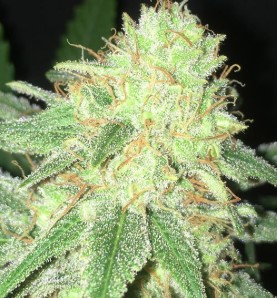
- Citrus notes: Bright and zesty scents of pineapple, mango, and orange dominate.
- Floral undertones: Subtle hints of hibiscus and jasmine add complexity.
- Earthy base: A mild, grounding earthiness balances the tropical sweetness.
The flavor mirrors the aroma, offering a smooth, fruity taste with a lingering tropical sweetness. On exhale, users often detect a slight spiciness or herbal quality, reminiscent of fresh island herbs.
Cannabinoid Profile
Hawaiian cannabis is typically high in THC, making it potent and effective for various uses. Its average cannabinoid concentrations include:
- THC: 15-25% – depending on cultivation and phenotypes, this high THC content is responsible for its euphoric and psychoactive effects.
- CBD: <1% – Hawaiian strains generally have low CBD levels, which limits their direct application in conditions requiring substantial cannabidiol.
- Other cannabinoids: Minor amounts of CBG, CBN, and CBC may contribute to its therapeutic potential.
Terpene Profile
The terpene profile of Hawaiian cannabis is a critical factor in its distinctive effects and sensory attributes. Key terpenes include:
- Myrcene: Adds a sweet and earthy aroma, potentially enhancing sedation and relaxation.
- Limonene: Imparts citrus notes and promotes stress relief and mood elevation.
- Pinene: Provides piney, herbal scents while enhancing focus and memory.
- Caryophyllene: Contributes spiciness and interacts with the endocannabinoid system to provide anti-inflammatory benefits.
- Linalool: Provides relaxing effects and floral undertones.
Medical Applications
Hawaiian cannabis is widely recognized for its therapeutic properties, particularly in managing mental health and pain-related conditions. The high THC content and sativa-dominant effects make it suitable for various medical applications:
1. Mental Health Disorders
- Depression: Hawaiian’s uplifting and euphoric effects make it a popular choice for individuals experiencing low mood or anhedonia. Its ability to stimulate dopamine release helps alleviate symptoms of depression.
- Anxiety: While caution is advised due to its high THC content, microdosing Hawaiian can provide relief from anxiety by promoting relaxation and an improved mood.
- Post-Traumatic Stress Disorder (PTSD): The strain’s ability to enhance mood and reduce stress makes it beneficial for managing PTSD symptoms.
2. Chronic Pain Management
- Migraines and Headaches: The analgesic properties of THC, combined with the strain’s uplifting effects, can alleviate pain while enhancing overall well-being.
- Neuropathic Pain: Hawaiian’s cannabinoids interact with the endocannabinoid system to reduce inflammation and discomfort associated with nerve pain.
- Muscle Spasms: Its mild relaxing effects can ease muscle tension and spasms.
3. Fatigue and Lethargy
- Hawaiian’s energizing effects make it an excellent choice for combating fatigue and promoting alertness without the jitteriness associated with stimulants.
4. Appetite Stimulation
- The strain’s THC content can induce hunger, making it beneficial for patients undergoing chemotherapy or experiencing appetite loss due to chronic illnesses.
5. Nausea and Vomiting
- Hawaiian’s antiemetic properties help alleviate nausea, particularly in individuals undergoing chemotherapy or dealing with gastrointestinal conditions.
Recreational Uses
Recreational users of Hawaiian cannabis are drawn to its uplifting and social effects, which make it ideal for various settings and activities:
1. Mood Enhancement
- Hawaiian is renowned for its euphoric and mood-boosting effects. Users often report feelings of happiness, contentment, and creativity, making it perfect for social gatherings or creative pursuits.
2. Social Interaction
- The strain’s cerebral effects encourage conversation and sociability, making it a popular choice for group activities, parties, and festivals.
3. Outdoor Activities
- Hawaiian’s energizing and uplifting effects pair well with outdoor activities like hiking, beach outings, or gardening, enhancing the overall experience and connection to nature.
4. Creativity and Focus
- Many users report heightened focus and creativity, making Hawaiian an excellent choice for artistic endeavors, brainstorming sessions, or any activity requiring a fresh perspective.
5. Stress Relief and Relaxation
- Despite its energizing nature, Hawaiian also offers a sense of calm and relaxation, making it ideal for relaxing after a demanding day.
1. Methods of Ingestion
A. Inhalation
- Smoking:
- Method: Combustion of dried flower material in joints, pipes, or bongs.
- Bioavailability: Approximately 10–25%.
- Advantages:
- Rapid onset of effects (within minutes).
- Precise dose control.
- Drawbacks:
- Hazardous byproducts such as carbon monoxide and tar are released during combustion.
- Terpenes may degrade at high temperatures, slightly altering the strain flavor profile.
- Vaporization:
- Method: Heating cannabis to a temperature that vaporizes cannabinoids and terpenes without combustion.
- Temperature Range:
- Optimal for Hawaiian strain: 315–428°F (157–220°C), preserving terpenes like limonene and myrcene.
- Bioavailability: Up to 56%, higher than smoking.
- Advantages:
- Cleaner delivery method with reduced respiratory irritation.
- Preserves the strain tropical flavor profile.
- Drawbacks:
- Requires specialized equipment (vaporizers).
B. Oral Consumption
- Edibles:
- Method: Cannabis-infused foods or drinks made from Hawaiian strain extracts or decarboxylated flower.
- Bioavailability: 4–20%, depending on individual metabolism and preparation methods.
- Onset: Delayed (30–120 minutes) due to digestion and liver metabolism.
- Duration: Long-lasting (4–8 hours), with potential for stronger psychoactive effects.
- Advantages:
- Discreet consumption.
- Prolonged medicinal benefits for chronic conditions.
- Drawbacks:
- Difficult to control dosage precisely.
- Overconsumption risk because of delayed onset.
- Capsules and Tablets:
- Method: Precise doses of THC extracted from Hawaiian strain, encapsulated for oral ingestion.
- Bioavailability: Similar to edibles but more predictable dosing.
- Advantages:
- Reliable and discreet.
- No taste or smell.
- Drawbacks:
- Slow onset (30–90 minutes).
C. Sublingual Delivery
- Tinctures:
- Method: Alcohol- or oil-based extracts placed under the tongue for absorption through oral mucosa.
- Bioavailability: 12–35%, higher than edibles due to bypassing first-pass metabolism.
- Onset: Rapid (15–30 minutes).
- Duration: Intermediate (3–6 hours).
- Advantages:
- Faster relief for medical applications.
- Precise dosing with droppers.
- Drawbacks:
- Bitter taste depending on preparation.
D. Topical Application
- Lotions, Balms, and Patches:
- Method: THC and terpenes from Hawaiian strain infused into transdermal products.
- Bioavailability: Localized; minimal systemic absorption unless delivered via transdermal patches.
- Onset: Gradual (15–60 minutes).
- Duration: Varies (2–8 hours).
- Advantages:
- Non-psychoactive when used topically.
- Effective for localized pain and inflammation.
- Drawbacks:
- Limited to localized effects unless using patches.
2. Onset of Effects
The onset of effects varies depending on the method of ingestion, individual physiology, and dose.
| Method | Onset | Mechanism |
|---|---|---|
| Smoking | 1–3 minutes | THC enters the bloodstream via alveoli in the lungs. |
| Vaporization | 1–5 minutes | Similar to smoking, with higher terpene preservation. |
| Edibles | 30–120 minutes | THC metabolized into 11-hydroxy-THC in the liver, a more potent psychoactive. |
| Sublingual | 15–30 minutes | Absorbed directly into the bloodstream through oral mucosa. |
| Topicals | 15–60 minutes | Gradual absorption through the skin into localized tissues. |
3. Duration of Effects
The duration depends on the ingestion method, with some methods providing longer-lasting effects than others.
| Method | Duration | Details |
|---|---|---|
| Smoking | 1–3 hours | Rapid onset but relatively short-lived due to quick metabolization. |
| Vaporization | 2–4 hours | Longer duration compared to smoking, with smoother effects. |
| Edibles | 4–8 hours | Prolonged effects due to slow digestion and liver processing. |
| Sublingual | 3–6 hours | Intermediate duration, ideal for balanced relief. |
| Topicals | 2–8 hours (localized) | Depends on product formulation and area of application. |
Factors Influencing Onset and Duration
- Metabolism: Faster metabolism leads to quicker onset but shorter duration, while slower metabolism has the opposite effect.
- Body Fat Percentage: THC, being lipophilic, binds to fat cells, influencing its release and duration.
- Tolerance Levels: Frequent users may experience reduced onset intensity and shorter durations due to desensitized cannabinoid receptors.
- Terpene Interactions: Terpenes like myrcene may enhance THC effects, altering perceived onset and duration.
Optimizing Consumption of Hawaiian Cannabis
To maximize the benefits of Hawaiian cannabis while minimizing potential side effects:
Start Low, Go Slow: Especially with edibles, begin with low doses (5–10 mg THC) and increase gradually.
Combine Methods: For example, combine vaping for immediate effects with edibles for prolonged relief.
Hydrate: Prevent dry mouth by staying hydrated before and after consumption.
Set and Setting: Use in a comfortable environment to avoid anxiety, particularly for new users or high doses.
Potential Side Effects
While Hawaiian cannabis is generally well-tolerated, users should be aware of potential side effects:
- Dry mouth and eyes: Common among high-THC strains, these effects are usually mild and manageable.
- Paranoia or anxiety: High doses may exacerbate anxiety in some individuals, particularly those sensitive to THC.
- Dizziness: Rarely, users may experience dizziness, especially when consuming large amounts.
- Increased heart rate: This is a temporary effect that may concern individuals with cardiovascular issues.
Cultivation Methods
1. Genetic Stabilization and Phenotype Selection
- Genotype-Phenotype Relationship:
- Hawaiian cannabis shows variability in terpene profiles and cannabinoid concentrations depending on its phenotype. Advanced breeding techniques, such as selective breeding and backcrossing, stabilize desired traits like tropical aroma, THC potency, or pest resistance.
- DNA Fingerprinting:
- Modern genetic sequencing allows cultivators to identify the unique genetic markers of the Hawaiian strain. This ensures the strain remains true to its landrace characteristics despite environmental or crossbreeding influences.
2. Precision Agriculture
- Sensor Technology:
- Smart sensors monitor real-time data on soil moisture, pH, temperature, and humidity, ensuring optimal growth conditions.
- IoT (Internet of Things) devices control lighting, irrigation, and nutrient delivery systems for consistent environmental management.
- Drones and Imaging:
- Multispectral imaging via drones identifies plant stress, nutrient deficiencies, or pest issues before visible signs appear.
3. Soil Health and Regeneration
- Living Soil Systems:
- Hawaiian cannabis thrives in soils rich in organic matter and microbial diversity. Adding biochar, compost, and organic matter ensures long-term fertility.
- Microbial Inoculants:
- Beneficial microorganisms such as Bacillus subtilis and Trichoderma spp. enhance nutrient cycling and protect against pathogens.
- Soil Testing:
- Regular soil analysis for macronutrient (NPK) and micronutrient levels ensures precise supplementation.
4. Light Management for Sativa Traits
- Spectral Manipulation:
- Full-spectrum LED lights with a higher ratio of blue light (400–500 nm) during vegetative growth promote tight internodes and robust foliage.
- Red and far-red light wavelengths (600–750 nm) during flowering enhance bud production and resin development.
- Supplemental UV-B Lighting:
- Controlled UV-B exposure increases trichome production, boosting cannabinoid and terpene concentrations.
5. Nutrient Optimization
- Custom Nutrient Regimens:
- Vegetative Phase: Emphasize nitrogen-rich fertilizers to support foliage and stem growth.
- Flowering Phase: Switch to phosphorus- and potassium-dominant nutrients to enhance flower development and resin production.
- Chelated Nutrients:
- Use chelated forms of micronutrients like iron and magnesium for efficient absorption and prevention of deficiencies.
- Foliar Feeding:
- Apply nutrient sprays directly to leaves to address immediate deficiencies and improve photosynthesis.
6. Hydroponic and Aeroponic Systems
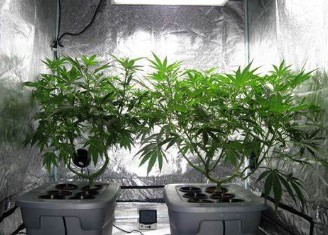
- Hydroponics:
- Soilless cultivation systems like deep water culture (DWC) or nutrient film technique (NFT) allow precise control of nutrient uptake and water levels. Hawaiian cannabis adapts well to hydroponics, provided it receives adequate root oxygenation.
- Aeroponics:
- Roots suspended in air are misted with nutrient-rich solutions. This method enhances oxygen uptake and accelerates growth, though it requires meticulous management to prevent root desiccation.
7. Integrated Pest and Disease Management (IPM)
- Biological Controls:
- Release natural predators like ladybugs for aphids or predatory mites for spider mites.
- Use entomopathogenic fungi (e.g., Beauveria bassiana) to target insect pests.
- Plant Extracts:
- Neem oil and garlic sprays act as natural repellents while being safe for human consumption.
- Pathogen Detection:
- Polymerase chain reaction (PCR) technology identifies pathogens like Fusarium or Botrytis at an early stage, preventing outbreaks.
8. Water Management Techniques
- Rainwater Harvesting:
- Using naturally soft rainwater aligns with the Hawaiian strain adaptation to island climates.
- Drip Irrigation:
- Provides precise hydration directly to the root zone, reducing water waste and preventing overwatering.
- pH Balancing:
- Optimal water pH levels range between 6.0 and 6.5. Adding citric acid or pH-up solutions helps maintain the balance for nutrient uptake.
9. Advanced Stress Techniques for Enhanced Yield
- Controlled Stress:
- Techniques such as low-stress training (LST) and supercropping encourage greater light exposure and stimulate plant growth.
- Drought Stressing:
- Brief periods of water restriction in late flowering can increase cannabinoid and terpene production as a defense mechanism.
- Temperature Fluctuations:
- Lowering nighttime temperatures during flowering can intensify anthocyanin production, enhancing visual appeal with purple hues.
10. Post-Harvest Optimization
- Controlled Drying:
- Maintain temperatures between 60–70°F (15–21°C) and humidity levels around 50–60% to retain volatile terpenes.
- Curing Atmosphere:
- Use oxygen-absorbing packets in curing jars to extend shelf life and prevent oxidation of THC into CBN, preserving potency.
- Terpene Preservation:
- Store cured buds in vacuum-sealed, UV-resistant containers to maintain the strain tropical aroma and flavor profile.
Emerging Scientific Trends
CRISPR Gene Editing: Researchers are exploring CRISPR to enhance disease resistance and increase specific cannabinoid or terpene production in Hawaiian cannabis.
Artificial Intelligence (AI): AI algorithms predict optimal growing conditions based on historical data and environmental variables.
Nano-fertilizers: Nanotechnology delivers nutrients directly to plant cells, improving efficiency and reducing environmental impact.
Scientific Studies and Findings
The Hawaiian strain has been the subject of various scientific investigations, particularly concerning its cannabinoids and terpenes:
1. Cannabinoid Efficacy
Studies have shown that THC-rich strains like Hawaiian can:
- Modulate the endocannabinoid system, promoting analgesia and anti-inflammatory effects.
- Enhance mood and reduce symptoms of depression by stimulating the release of dopamine and serotonin.
2. Terpene Effects
The terpene limonene, abundant in Hawaiian, has been associated with:
- Stress relief: Its anxiolytic properties contribute to relaxation and mood enhancement.
- Immune support: Limonene may exhibit anti-inflammatory and antioxidant effects.
3. Neuroprotective Properties
Preliminary research suggests that THC and other cannabinoids in Hawaiian may have neuroprotective effects, potentially aiding in conditions like Alzheimer’s disease and multiple sclerosis.
4. Pain Management
The analgesic properties of THC and the entourage effect of terpenes like myrcene and caryophyllene enhance its efficacy in managing chronic pain conditions.
Cultural Significance
Hawaiian cannabis holds cultural importance in its region of origin. It has been used in traditional ceremonies and as a means of fostering community and connection. Today, it remains a symbol of the laid-back, natural lifestyle associated with the Hawaiian Islands.
Conclusion
The Hawaiian cannabis strain is a quintessential representation of tropical sativa-dominant varieties, offering a unique combination of uplifting effects, therapeutic benefits, and cultural heritage. Its high THC content, distinctive terpene profile, and wide range of applications make it a versatile and celebrated strain in both medical and recreational contexts. Whether used for creative inspiration, social enjoyment, or symptom management, Hawaiian cannabis embodies the essence of its island origins and continues to captivate cannabis enthusiasts worldwide.
For a complete directory of cultivars, visit our Cannabis Strain Reviews.
