Table of Contents
1. Overview of Hawaiian Snow Cannabis Strain
Hawaiian Snow is a potent sativa-dominant hybrid, with a genetics lineage that includes Hawaiian, Laos, and Nevil’s Haze strains. These parent strains contribute to its energetic effects, complex aroma, and high THC content, making Hawaiian Snow a popular choice for users seeking an intense and euphoric experience.
The strain is renowned for its tropical and citrus-like scent, which is a direct reflection of its Hawaiian roots. Hawaiian Snow typically boasts a THC content ranging between 20% and 25%, which is relatively high for most cannabis strains, contributing to its potent effects.
2. Appearance, Aroma, and Flavor
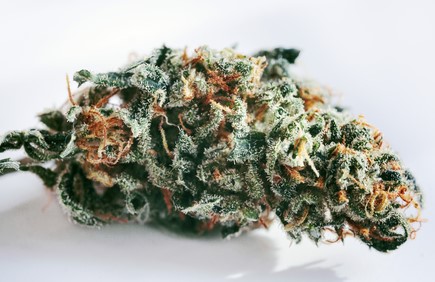
- Appearance: Hawaiian Snow cannabis plants tend to grow tall, with elongated, dense buds covered in trichomes, giving them a frosty appearance. The buds are typically a light green color with orange pistils, a hallmark of the Hawaiian Snow strain’s distinct look.
- Aroma: The aroma of Hawaiian Snow is a delightful mixture of tropical fruit, citrus, and earthy undertones. The Hawaiian lineage provides the strain with a sweet and fruity scent, which is often compared to the fragrance of fresh pineapple or other tropical fruits.
- Flavor: The flavor profile mirrors the aroma, offering sweet and fruity notes with a subtle tanginess. The taste is smooth, and the citrus elements provide a refreshing quality, making it a pleasant strain to vape or smoke.
3. THC and CBD Content
Hawaiian Snow is known for its high THC content, typically ranging from 20% to 25%. This potent level of THC makes it a popular choice for experienced cannabis users, though it can be overwhelming for novices. Despite its high THC content, Hawaiian Snow contains very low levels of CBD, usually below 1%. This ratio of THC to CBD makes the strain more suitable for recreational users or those looking for therapeutic benefits that do not require high CBD levels.
4. Effects and Recreational Uses
Hawaiian Snow is celebrated for its euphoric and uplifting effects, which are characteristic of sativa-dominant strains. It’s an excellent choice for recreational users looking for a burst of energy, creativity, and social interaction. The strain’s effects can be described as follows:

- Euphoria and Happiness: One of the most significant effects of Hawaiian Snow is the intense euphoria it delivers. Users often report a sudden mood boost, leading to feelings of joy and happiness. This makes it an ideal strain for users looking to alleviate feelings of stress, depression, or anxiety.
- Increased Energy and Focus: Hawaiian Snow is known for its energetic effects. It can help users stay active, motivated, and focused, making it an excellent choice for daytime use. Many consumers find that it helps them engage in creative pursuits or enjoy physical activities like hiking or working out.
- Creativity and Sociability: The uplifting effects of Hawaiian Snow can enhance creativity, making it ideal for artistic endeavors. Additionally, the strain’s mood-enhancing properties can make users more talkative and socially inclined, making it a popular choice for social gatherings or casual meetups with friends.
- Cerebral High: The high from Hawaiian Snow is primarily cerebral, which means it affects the mind more than the body. Users often experience a mental boost that leads to increased alertness, clarity, and an enhanced sense of well-being.
5. Medical Uses and Benefits
5.1. Stress Relief and Anxiety Management
Hawaiian Snow’s mood-enhancing and euphoric effects are highly effective in combating stress and anxiety. The uplifting high helps reduce tension and promotes relaxation, making it an excellent choice for patients experiencing anxiety, general stress, or mild depression. By promoting a positive mental state, it can also help reduce feelings of nervousness or unease in social situations.
5.2. Depression and Mood Disorders
The strain’s ability to induce euphoria and increase feelings of happiness is beneficial for patients dealing with depression. Hawaiian Snow has been reported to provide an emotional lift, helping users manage symptoms of depression and other mood disorders. The energetic and uplifting effects make it easier for patients to overcome the mental lethargy and lack of motivation that are often associated with depression.
5.3. Chronic Pain Relief
While Hawaiian Snow is primarily a cerebral strain, it can still provide some physical relief, especially when used in higher doses. Its ability to alleviate stress and improve mood can also extend to physical discomfort, as patients report a reduction in chronic pain, migraines, and headaches. The energetic buzz may also be helpful for individuals who have chronic pain but need to stay active or productive throughout the day.
5.4. Fatigue and Low Energy
Due to its energizing effects, Hawaiian Snow is often used by patients who suffer from chronic fatigue or low energy levels. The strain helps to uplift both the body and mind, providing the stimulation needed to stay productive and engaged in daily activities. It’s particularly useful for patients suffering from conditions that lead to mental or physical fatigue, such as fibromyalgia, multiple sclerosis, or even general burnout.
5.5. Appetite Stimulation
Like many THC-dominant strains, Hawaiian Snow can stimulate the appetite. For patients dealing with appetite loss due to medical conditions such as cancer or undergoing treatments like chemotherapy, Hawaiian Snow may be an effective tool for encouraging eating and improving nutrition. The strain’s uplifting effects may also help combat nausea, further supporting its potential as an appetite stimulant.
5.6. Migraines and Headaches
The potent, mind-altering effects of Hawaiian Snow may also benefit patients who suffer from chronic migraines or tension headaches. The cerebral high has been reported to reduce the intensity and frequency of headaches by relaxing the mind and alleviating the stress that can trigger these conditions. For migraine sufferers, the strain’s ability to both uplift the mood and provide mental clarity can be highly beneficial.
6. Potential Side Effects
- Dry Mouth: One of the most common side effects of consuming Hawaiian Snow is dry mouth, a condition known as “cottonmouth.” This can be alleviated by staying hydrated before, during, and after consumption.
- Dry Eyes: Some users may experience dry eyes, another common side effect of THC consumption. This irritation might be lessened by using eye drops.
- Paranoia and Anxiety: Although the strain is generally uplifting, inexperienced users or those who consume too much may experience heightened anxiety or paranoia, particularly when consuming Hawaiian Snow in large quantities. This side effect can be mitigated by using the strain in moderation.
- Dizziness and Headaches: Due to its potent cerebral effects, some users may experience dizziness or mild headaches, especially if they consume too much. Again, moderation is key when using Hawaiian Snow.
- Increased Heart Rate: The energetic high can lead to an increased heart rate, which may be uncomfortable for individuals with heart conditions or those who are sensitive to stimulants.
7. Cultivation of Hawaiian Snow
1. Genetic Background and Growth Characteristics
Hawaiian Snow is a sativa-dominant hybrid, and its genetic makeup has a significant impact on its cultivation methods. The strain inherits many traits from its parent strains, including Hawaiian, Laos, and Nevil’s Haze. The sativa influence is evident in its tall and lanky structure, which affects its growth and the need for specific cultivation practices.
- Sativa Growth Structure: Hawaiian Snow tends to grow tall, with long branches and spaced-out internodes. This makes it an excellent choice for growers who are interested in high yields, but it also means that proper support and training techniques must be implemented to ensure the plant’s health and productivity.
- Flowering Time: The flowering time for Hawaiian Snow is relatively long, typically 9 to 11 weeks. This extended period is common for sativa strains, which take more time to develop their full potential. Understanding the flowering time is critical for harvest timing and to ensure the desired THC potency and yield.
2. Environmental Conditions
2.1. Temperature
- Optimal Temperature Range: Hawaiian Snow requires a relatively warm environment with temperatures ranging between 70°F to 85°F (21°C to 29°C) during the day. At night, temperatures should not fall below 65°F (18°C) to prevent stress or hinder growth. Temperature fluctuations outside of this range can cause stunted growth, slow flowering, and a decrease in overall quality.
- Heat Sensitivity: Due to its Hawaiian lineage, the strain is somewhat resistant to heat stress. However, prolonged exposure to temperatures above 90°F (32°C) can lead to issues such as nutrient lockout, leaf curl, and dehydration. Ensuring proper air circulation and humidity control can help mitigate such risks in hotter climates.
2.2. Humidity Levels
- Ideal Humidity: Hawaiian Snow benefits from a relative humidity of 40% to 60%. This range prevents mold and mildew, which are common issues with cannabis plants in high-humidity environments. During the flowering phase, it is essential to lower humidity slightly (to around 40%) to reduce the risk of mold developing on the buds.
- Humidity Control: If growing indoors, using dehumidifiers or exhaust fans can help maintain the right moisture levels. Outdoors, it may be necessary to monitor for signs of mold or mildew, particularly in regions with wet climates or during late flowering.
2.3. Light Requirements
- Light Intensity: Like many sativa strains, Hawaiian Snow requires high-intensity light for robust growth. Whether grown indoors or outdoors, it thrives under strong light conditions. For indoor cultivation, high-pressure sodium (HPS) or metal halide (MH) lamps are ideal for providing the right spectrum of light. For outdoor growth, the strain benefits from natural sunlight and should be placed in an area that receives full sun for at least 6–8 hours per day.
- Photoperiod: Hawaiian Snow follows a 12/12 photoperiod (12 hours of light and 12 hours of darkness) during its flowering cycle, which is typical for most cannabis plants. However, for vegetative growth, it can handle an extended light cycle, such as 18/6 or 24/0, to promote healthy development before transitioning to the flowering stage.
2.4. Air Circulation
Proper air circulation is crucial for preventing mold and mildew, especially in the dense canopy of a tall sativa plant like Hawaiian Snow. The plant should have sufficient airflow to ensure that the environment remains clean and oxygenated, reducing the risk of fungal infections. This can be achieved by using fans in indoor grow rooms or ensuring enough space between plants for airflow.
3. Cultivation Methods and Techniques
Given the unique characteristics of Hawaiian Snow, certain cultivation techniques and methods are particularly effective in maximizing yield and quality. Below are some key methods:
3.1. Training Techniques
Training is an essential practice when cultivating Hawaiian Snow due to its tall and leggy growth pattern. The following techniques are useful for shaping the plant and optimizing yield:
- Low-Stress Training (LST): This entails carefully bending and fastening the plant’s branches to produce an even canopy. By spreading out the branches, growers can expose more bud sites to light, which promotes uniform growth and increased yield. LST is ideal for Hawaiian Snow because it helps manage its height and encourages more lateral growth.
- Screen of Green (SCROG): The SCROG technique uses a mesh screen to guide the plant’s growth, encouraging it to grow horizontally instead of vertically. This allows for better light penetration to the lower branches and an increase in the number of bud sites. Hawaiian Snow’s tall stature makes SCROG a beneficial technique for maximizing its potential.
- Topping and FIMing: Topping involves cutting off the top growth tip of the plant to encourage branching and lateral growth. FIMing is a similar technique but involves cutting the growth tip slightly above the main node, resulting in multiple new shoots. Both methods can help control the height and promote bushier plants, which is important for sativa strains like Hawaiian Snow.
3.2. Pruning and Defoliation
Regular pruning and defoliation are essential for Hawaiian Snow, especially during the flowering phase. Pruning helps remove dead or unnecessary foliage, ensuring the plant’s energy is directed toward producing large, resinous buds. Defoliating the lower branches and leaves will improve airflow and light penetration, allowing more energy to be devoted to the upper parts of the plant.
Because Hawaiian Snow has long branches with wide internodes, defoliation can help maintain airflow in the dense canopy, reducing the risk of mold and mildew, which is especially important in humid environments.
3.3. Nutrient Requirements
Hawaiian Snow, like most cannabis strains, requires different nutrient levels at various stages of its growth. During the vegetative stage, it requires higher nitrogen levels to promote robust leaf and stem growth. In the flowering stage, however, it requires more phosphorus and potassium to support the development of buds and improve resin production.
- Vegetative Stage: Hawaiian Snow should be fed with a high-nitrogen fertilizer during its vegetative stage, which helps the plant grow rapidly and develop a strong structure.
- Flowering Stage: During flowering, the plant should be switched to a fertilizer that is higher in phosphorus and potassium, which will enhance bud production, resin production, and overall yield. Reducing nitrogen levels at this point is crucial to prevent the plant from focusing on vegetative growth rather than flowering.
- pH Levels: Maintaining the correct pH range is essential for nutrient uptake. The ideal pH for Hawaiian Snow in soil is around 6.0 to 7.0, while for hydroponics, the optimal pH range is slightly lower, between 5.5 and 6.5. Monitoring pH and adjusting it as necessary ensures that the plant can absorb the nutrients it needs.
3.4. Pests and Diseases Management
While Hawaiian Snow is generally hardy, it is still susceptible to pests and diseases, particularly in humid environments. Common pests include spider mites, aphids, and whiteflies, all of which can damage the leaves and buds of the plant.
- Integrated Pest Management (IPM): IPM is a sustainable approach to managing pests and diseases, focusing on prevention, biological control, and selective use of chemical treatments when necessary. Methods like introducing beneficial insects (e.g., ladybugs for aphids) or using organic insecticides can help keep pests in check.
- Fungal Diseases: Due to its dense growth, Hawaiian Snow is susceptible to powdery mildew and botrytis (bud rot), especially in humid climates. Ensuring proper airflow and humidity control can mitigate these risks. Additionally, removing any dead leaves or debris from the grow area can reduce the chances of fungal outbreaks.
4. Harvesting and Post-Harvest Processing
The harvesting of Hawaiian Snow typically occurs after a long flowering period of 9 to 11 weeks. Determining the optimal time to harvest is crucial for maximizing THC content and overall quality. A common method for determining harvest time is by examining the trichomes using a magnifying tool:
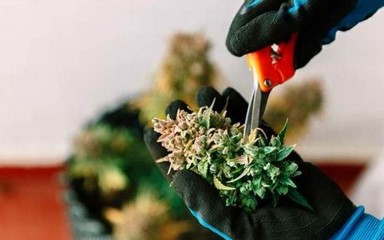
- Trichome Maturity: When the trichomes (resin glands) turn from clear to milky white or amber, it’s time to harvest. For a more cerebral and euphoric effect, harvesting when most trichomes are milky is ideal. Wait until more trichomes turn amber if you want a more sedative effect.
- Drying and Curing: After harvesting, the buds should be carefully dried in a controlled environment with temperatures around 60-70°F (15-21°C) and humidity levels at 50-60%. Once dried, the buds should undergo a curing process in glass jars, which improves their flavor, potency, and smoothness. Two to four weeks may be needed for proper curing.
8. Conclusion
Hawaiian Snow is a unique and versatile cannabis strain with a rich genetic heritage, delivering a potent combination of euphoria, energy, and relaxation. Whether used for recreational enjoyment or as a therapeutic tool, the strain provides a wide range of benefits. Its uplifting and energizing effects make it ideal for users seeking relief from anxiety, depression, chronic pain, and fatigue. However, its potency requires careful dosing, especially for less experienced users.
For both recreational and medicinal users, Hawaiian Snow is a fantastic choice, offering a tropical and flavorful experience along with a range of potential benefits. However, like all cannabis strains, it is essential to understand individual tolerance and moderation to ensure a safe and enjoyable experience.
For a complete directory of cultivars, visit our Cannabis Strain Reviews.
