Table of Contents
The Hawaiian Purple Kush cannabis strain is known for its balanced effects, vibrant colors, and unique flavor profile. It combines the tropical elements of Hawaiian cannabis with the potency and purple hues of Kush strains. This hybrid is highly valued for both recreational and medical uses, providing users with a satisfying experience. Below is a comprehensive guide to Hawaiian Purple Kush, including its genetic lineage, characteristics, effects, medical uses, and scientific insights.
1. Genetic Background and Origin
Hawaiian Purple Kush is a hybrid cannabis strain, typically characterized as an Indica-dominant variety. The strain is a cross between Hawaiian and Purple Kush strains. Here’s a breakdown of its parentage:
- Hawaiian: The Hawaiian strain brings tropical, fruity flavors and uplifting effects. It is famous for its sativa influence, producing a heady high that is often relaxing and mood-lifting.
- Purple Kush: This is a potent Indica that is known for its vibrant purple hues, earthy aroma, and heavy sedative effects. The strain’s deep, relaxing qualities are often sought after for its ability to ease physical pain and mental stress.
The hybrid nature of Hawaiian Purple Kush means it retains a balance of both sativa and indica characteristics, resulting in a complex profile of effects and flavors.
2. Appearance and Structure
Hawaiian Purple Kush plants typically exhibit the following visual traits:
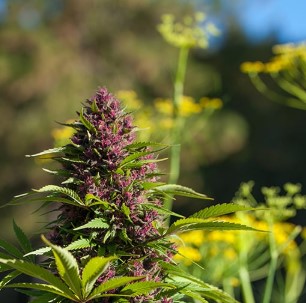
- Bud Structure: The buds of this strain are dense and compact, with a rounded shape. They are coated with a thick layer of trichomes, giving them a frosty appearance.
- Color: One of the most striking features of Hawaiian Purple Kush is its color. The buds often have deep purple hues, especially when exposed to cooler temperatures during the flowering stage. The purple is contrasted by shades of green and bright orange pistils that create a vibrant and appealing look.
- Trichomes and Resin: Like many other Kush strains, Hawaiian Purple Kush is rich in resin, which contributes to its high THC content and sticky texture. This resin layer also enhances its potency and flavor profile.
3. Aroma and Flavor Profile
Hawaiian Purple Kush offers a complex and distinctive flavor and aroma profile that makes it stand out from other cannabis strains:
- Aroma: The aroma is a fusion of tropical and earthy notes. There are hints of sweet, floral, and fruity scents, alongside a subtle earthy undertone that comes from its Kush parentage. When ground, the buds release a pungent fragrance that is both sweet and skunky.
- Flavor: The flavor profile is equally tropical and earthy. Users often describe the taste as smooth, with hints of pineapple, citrus, and tropical fruits, followed by the earthy, herbal undertones characteristic of Kush strains. The taste is well-rounded, providing a balance between sweetness and earthiness.
4. THC and CBD Content
- THC Content: Hawaiian Purple Kush is a potent strain with a THC content ranging between 18-25%, making it a strong choice for both recreational and medicinal users. The high THC content contributes to its potent effects, which can be felt both physically and mentally.
- CBD Content: The strain typically has low CBD levels, usually less than 1%. This means Hawaiian Purple Kush is not particularly useful for individuals seeking high CBD content for medical reasons like seizure control or anxiety.
5. Effects and Experience
Hawaiian Purple Kush is a well-balanced strain, offering a combination of both uplifting and relaxing effects. The effects can vary depending on the user’s tolerance, consumption method, and dosage, but the typical experience includes:
5.1 Recreational Effects
- Euphoria and Relaxation: Users typically report a sense of euphoria soon after consumption. This is often accompanied by a relaxed body sensation, making it ideal for evening use. While the high starts in the head, it gradually spreads throughout the body.
- Uplifting Mood: Despite being an Indica-dominant strain, Hawaiian Purple Kush has uplifting properties. It is not overwhelming or sedative in its onset, which makes it a great strain for daytime relaxation or unwinding without becoming too lethargic.
- Creativity and Focus: Some users find that Hawaiian Purple Kush boosts creativity and focus. Its effects can enhance artistic endeavors or encourage introspective thinking, although the strain is not likely to lead to hyperactivity or restlessness.
- Mild Sedation: While the high starts with an uplifting head buzz, it slowly transitions into a more relaxing, calming sensation. Users may find themselves becoming more physically relaxed as the effects progress, eventually leading to mild sedation.
- Social Use: Due to its euphoric and mellow effects, Hawaiian Purple Kush can be a good choice for social settings. It induces a sense of well-being and lightheartedness that can enhance conversations and interactions.
5.2 Medical Effects
Hawaiian Purple Kush is sought after for its potential therapeutic benefits, particularly for those dealing with physical discomfort and mental stress. Its medical uses are varied, including:
- Pain Relief: The strain’s Indica heritage makes it effective at treating chronic pain, muscle spasms, and conditions like arthritis or fibromyalgia. The body high helps alleviate tension and relaxes muscles, offering relief from pain and discomfort.
- Stress and Anxiety: Hawaiian Purple Kush is also known for its ability to alleviate stress and anxiety. The strain’s mood-lifting properties help calm the mind, while its relaxing effects reduce physical tension. It is commonly used by those who suffer from anxiety disorders, as well as those needing help managing stress or unwinding after a long day.
- Insomnia: The relaxing properties of Hawaiian Purple Kush make it an excellent choice for those dealing with insomnia. The strain can help users fall asleep faster and improve sleep quality, particularly when consumed in higher doses. Its sedative effects come on gradually, allowing for a peaceful night’s rest.
- Appetite Stimulation: Like many cannabis strains, Hawaiian Purple Kush is known to induce the munchies, which can help individuals struggling with appetite loss due to medical conditions such as cancer or HIV/AIDS. It stimulates the appetite and promotes eating in those who have difficulty maintaining a healthy diet.
- Mood Disorders: The strain’s uplifting effects make it helpful for individuals experiencing depression or other mood disorders. It can boost overall mood and provide a temporary sense of relief from feelings of sadness or despair.
6. Growing Hawaiian Purple Kush
When discussing the scientific aspects of cultivating Hawaiian Purple Kush, it’s important to focus on the environmental, genetic, and biological factors that contribute to the strain’s growth and development. Here’s a deeper look at the science behind cultivating this particular strain:
1. Genetics and Growth Patterns
The genetics of Hawaiian Purple Kush play a significant role in determining how the plant grows. As a hybrid of Hawaiian and Purple Kush, this strain exhibits a combination of sativa and indica traits, with most of its growth patterns being indica-dominant.
- Indica Influence: Indica-dominant strains like Hawaiian Purple Kush tend to have short, bushy growth with broad leaves. These strains usually grow more compact and may not stretch as much during the flowering phase. The plants can be ideal for smaller spaces or controlled indoor growing environments.
- Sativa Influence: The Hawaiian parent brings some sativa characteristics, which can make the plants slightly taller and more flexible. The plants tend to have a moderate stretch during the vegetative stage, requiring a little more attention in terms of height management when grown indoors.
The hybrid nature of Hawaiian Purple Kush means that it has a moderate growth rate and a relatively short flowering time, typically around 8–9 weeks. This allows for quick harvests compared to other strains with longer flowering cycles.
2. Optimal Growing Conditions
For successful cultivation of Hawaiian Purple Kush, the environmental conditions must be controlled with precision. Factors such as temperature, humidity, light exposure, and nutrient levels are crucial for a healthy plant.
Temperature:
- Ideal Range: Hawaiian Purple Kush thrives in temperatures between 65°F (18°C) to 80°F (27°C). While it can tolerate slightly higher or lower temperatures, extreme conditions can stress the plant and affect its overall yield and quality. It’s important to maintain stable temperatures to avoid fluctuations that could cause the plant to go into shock or delay flowering.
- Cold Stress: The strain’s Hawaiian genetics make it somewhat sensitive to extreme cold, so growers in cooler climates should avoid exposing the plant to temperatures below 55°F (13°C). Exposure to low temperatures can cause the plant to produce fewer trichomes and may prevent the purple coloration from developing.
Humidity:
- Humidity Levels: During the vegetative stage, Hawaiian Purple Kush prefers 60-70% humidity. As the plant enters the flowering stage, humidity levels should be reduced to around 40-50%. This is crucial for preventing mold and mildew, especially since the dense buds of Hawaiian Purple Kush can trap moisture.
- Airflow and Ventilation: Adequate airflow is essential for this strain to thrive. Poor airflow in a humid environment can lead to mold development, especially in indoor grows. Fans, carbon filters, and dehumidifiers can help maintain optimal conditions.
Light Intensity:
- Light Requirements: Hawaiian Purple Kush, like most cannabis strains, requires a high amount of light to maximize photosynthesis and flower development. For indoor growers, it’s best to use high-intensity discharge (HID) lights, LED lights, or full-spectrum lights to provide the necessary light intensity. The plants need about eighteen hours of light per day when they are in the vegetative stage, transitioning to 12 hours of light per day during flowering.
- Outdoor Cultivation: In outdoor environments, Hawaiian Purple Kush should be grown in regions that receive plenty of direct sunlight. This allows the plant to achieve its full potential and develop vibrant colors, especially the purples that are characteristic of this strain.
3. Soil and Nutrients
The composition of soil and the nutrients provided to Hawaiian Purple Kush during the cultivation process can significantly impact its overall growth and potency.
Soil Composition:
- Well-Draining Soil: Like most cannabis strains, Hawaiian Purple Kush prefers well-draining soil. It thrives in loamy, slightly acidic soil, with a pH level between 6.0 to 7.0. Poor drainage can cause root rot and other health issues, so it’s crucial to ensure proper drainage, whether you’re growing in soil or hydroponic systems.
- Soil Amendments: Organic compost or worm castings can be added to improve soil fertility. These amendments provide a natural source of nutrients without the risk of over-fertilization. Perlite can also be added to the soil to increase aeration, promoting better root health.
Nutrient Requirements:
- Nitrogen (N): During the vegetative phase, Hawaiian Purple Kush requires high amounts of nitrogen to support strong stem and leaf growth. A balanced fertilizer with a higher nitrogen content is ideal for this stage.
- Phosphorus (P) and Potassium (K): As the plant enters the flowering stage, its nutrient needs shift towards phosphorus and potassium to support the development of buds and flowers. Phosphorus promotes root development, while potassium helps with overall plant health and flower growth.
- Micronutrients: Trace elements like calcium, magnesium, sulfur, iron, and others are important for the plant’s metabolism. Deficiencies in these micronutrients can lead to problems like leaf curling, yellowing, or poor bud development. Ensuring that the plant gets all essential nutrients can boost both yield and quality.
4. Training Techniques
To maximize the yield of Hawaiian Purple Kush, many growers utilize various training techniques that encourage the plant to grow in a specific shape or structure. Here are some common methods:
Low-Stress Training (LST):
- What It Is: LST involves gently bending and tying the branches of the plant to encourage horizontal growth. This helps the plant develop multiple colas (main bud sites) and allows light to penetrate the lower parts of the plant more effectively.
- Benefits: LST can improve airflow, prevent light from getting blocked, and increase the overall yield by encouraging the plant to focus on producing more colas rather than a single main cola. This is especially helpful in indoor environments with limited vertical space.
Screen of Green (ScrOG):
- What It Is: ScrOG is a method that uses a mesh or wire screen to train the plant into a flat, even canopy. As the plant grows, branches are pulled through the screen, maximizing light exposure and airflow to all parts of the plant.
- Benefits: ScrOG is particularly effective for indoor growing where space is limited, as it helps control the vertical height of the plant and allows for better light distribution, resulting in larger, denser buds.
Topping and Pruning:
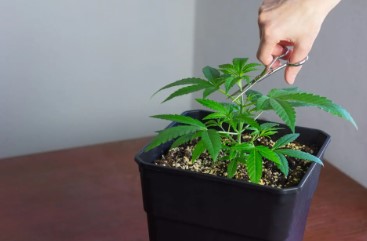
- What It Is: Topping involves cutting off the top of the main stem during the vegetative stage, which forces the plant to produce side branches. Pruning is the selective removal of leaves and branches to improve airflow and light penetration.
- Benefits: Topping helps control the plant’s height and encourages it to grow more evenly. Pruning promotes a healthier plant by removing unhealthy or underperforming leaves, which can direct energy toward bud development.
5. Harvesting and Post-Harvest
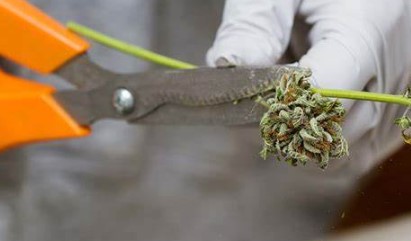
- Harvesting: The ideal time to harvest Hawaiian Purple Kush is when the trichomes have turned milky white with a few amber-colored trichomes appearing. This suggests that the plant’s potency has peaked.
- Post-Harvest Drying: After harvesting, the buds need to be dried slowly in a controlled environment with temperatures between 60-70°F (15-21°C) and humidity levels at 50-60%. This helps preserve the terpenes and cannabinoids, enhancing the overall flavor and potency of the strain.
- Curing: Once dried, the buds should be cured in airtight containers for about 2 to 4 weeks. Curing enhances the flavor, smoothness, and aroma of the buds, allowing the full profile of Hawaiian Purple Kush to develop.
7. Scientific Insights
Research into the specific genetic and chemical properties of Hawaiian Purple Kush is limited, but we can still gain insights from its parent strains and the general effects of cannabis.
- Cannabinoids: The primary psychoactive component in Hawaiian Purple Kush is delta-9-tetrahydrocannabinol (THC). THC interacts with the body’s endocannabinoid system (ECS), specifically binding to CB1 receptors in the brain and nervous system. This leads to the euphoric and relaxing effects associated with cannabis consumption.
- Terpenes: Hawaiian Purple Kush is rich in several terpenes that contribute to its unique aroma and effects. These include:
- Myrcene: Known for its sedative effects and earthy, musky smell, myrcene may enhance the strain’s relaxing qualities.
- Caryophyllene: This terpene contributes a spicy, peppery flavor and has potential anti-inflammatory properties.
- Limonene: Responsible for the citrus aroma, limonene is thought to have mood-enhancing and anti-anxiety effects.
- Pinene: Often associated with pine aromas, pinene is believed to improve memory and have bronchodilator effects.
8. Conclusion
Hawaiian Purple Kush is a versatile and powerful cannabis strain, offering a combination of recreational enjoyment and medical benefits. Whether you’re seeking a strain to relax, alleviate pain, or enhance your mood, Hawaiian Purple Kush offers a well-rounded experience. Its vibrant colors, tropical aroma, and balanced effects make it a popular choice among both novice and experienced users. With its complex genetic makeup and rich terpene profile, Hawaiian Purple Kush continues to be a sought-after strain for those seeking relief and a pleasurable cannabis experience.
For a complete directory of cultivars, visit our Cannabis Strain Reviews.
