Table of Contents
Hawaiian Dream CBD is a hybrid cannabis strain that is highly sought after for its remarkable balance of soothing effects, medicinal benefits, and mild recreational experience. As the name suggests, it evokes the tropical allure of the Hawaiian islands, with an emphasis on calmness, relaxation, and an uplifted mood. Unlike THC-dominant strains, Hawaiian Dream CBD focuses on the therapeutic qualities of cannabidiol (CBD), making it a favorite for individuals seeking relief without the psychoactive effects often associated with THC-heavy cannabis strains.
Genetics and Background of Hawaiian Dream CBD
Hawaiian Dream CBD is a carefully bred hybrid strain, specifically cultivated to highlight the medicinal properties of CBD while maintaining a well-rounded effect. The strain is known for its high CBD content and relatively low THC levels, making it suitable for a wide variety of users, especially those who seek therapeutic benefits without the psychoactive effects of THC.
Genetic Composition:
Hawaiian Dream CBD is a cross between two well-known strains:
- Hawaiian: A tropical sativa with a fruity and floral aroma, famous for its uplifting and euphoric effects.
- ACDC: A high-CBD strain known for its ability to provide significant relief from pain, inflammation, and anxiety, with very low THC content.
This crossbreed results in a balanced strain that offers a moderate to high level of CBD and a minimal amount of THC. Typically, Hawaiian Dream CBD has a THC content of around 5-8%, while CBD levels can range from 10-20%, depending on cultivation methods.
Cannabinoid and Terpene Profile
Cannabinoid Profile:
- CBD (Cannabidiol): The primary active compound in Hawaiian Dream CBD, CBD is non-psychoactive and is known for its potential therapeutic properties, including anti-inflammatory, analgesic, and anxiolytic effects.
- THC (Tetrahydrocannabinol): Although Hawaiian Dream CBD has a low THC content, the trace amounts present can still contribute to a mild sense of euphoria and relaxation. The low THC content ensures that users do not experience the intense psychoactive effects typically associated with high-THC strains.
- Other Cannabinoids: Hawaiian Dream CBD may also contain trace amounts of other cannabinoids such as CBC (Cannabichromene), CBG (Cannabigerol), and CBN (Cannabinol), which may contribute to the entourage effect, where cannabinoids work synergistically to enhance the overall therapeutic benefits of the strain.
Terpene Profile:
- Myrcene: Known for its relaxing, sedative effects, myrcene is one of the most abundant terpenes in cannabis. It contributes to the calm and peaceful feeling associated with Hawaiian Dream CBD.
- Limonene: This citrus-scented terpene has uplifting properties and can help improve mood and reduce stress. Limonene also has potential anti-inflammatory and antioxidant effects.
- Pinene: With its pine aroma, pinene is thought to have anti-inflammatory, bronchodilatory, and memory-enhancing properties.
- Caryophyllene: Known for its peppery scent, caryophyllene is the only terpene that can bind to CB2 receptors in the body, potentially offering additional pain relief and anti-inflammatory effects.
Medical Uses of Hawaiian Dream CBD
Hawaiian Dream CBD is primarily used for its medicinal properties, providing relief from a wide range of conditions without the mind-altering effects commonly associated with THC-heavy strains. Here are some of the most common medical uses of this strain:
Anxiety and Stress Relief
CBD has been studied for its potential to alleviate anxiety and stress. Hawaiian Dream CBD, with its high CBD content and low THC levels, is an excellent choice for individuals who suffer from anxiety disorders but want to avoid the intoxicating effects of THC. Many users report that this strain helps them feel more relaxed and calm without feeling sedated or disconnected from reality.
Pain and Inflammation Relief
The anti-inflammatory and analgesic properties of CBD make Hawaiian Dream CBD a valuable option for those experiencing chronic pain or inflammation. Whether dealing with conditions like arthritis, muscle spasms, or general aches and pains, this strain provides a natural alternative to traditional pain medications, with fewer side effects.
Mood Enhancement and Depression
The mood-enhancing effects of Hawaiian Dream CBD are attributed to both its high CBD content and the presence of uplifting terpenes like limonene. Users have reported feeling more positive, energized, and balanced after consuming this strain, making it an effective option for individuals dealing with mild to moderate depression.
Seizure Management
CBD has been widely studied for its potential to reduce the frequency and severity of seizures in individuals with epilepsy. While the research is still ongoing, Hawaiian Dream CBD may offer support for those who suffer from epilepsy or other seizure-related disorders. Many anecdotal reports suggest that high-CBD strains like Hawaiian Dream can have a positive impact on seizure management.
Sleep Aid
Due to its relaxing effects, Hawaiian Dream CBD may also help individuals who struggle with sleep disorders such as insomnia. While not as sedating as some THC-heavy strains, its calming and anti-anxiety effects can promote a sense of peace, making it easier to unwind and fall asleep.
Recreational Uses of Hawaiian Dream CBD
While Hawaiian Dream CBD is primarily used for its medicinal benefits, it also has a place in the recreational cannabis market. Its mild, relaxing effects and balanced profile make it ideal for users who want to enjoy cannabis without the intense high commonly associated with THC-dominant strains.
Social Relaxation
For those who want to engage socially without the risk of getting too high, Hawaiian Dream CBD is an excellent choice. The strain’s mild effects create a sense of euphoria and well-being, allowing users to engage in conversations and social interactions with ease. It is also ideal for outdoor activities, such as spending time in nature or enjoying a laid-back day with friends.
Creative Stimulation
Although Hawaiian Dream CBD is not known for inducing intense cerebral effects, some users report feeling more creatively inspired or focused after consuming it. This makes it suitable for artistic or creative endeavors, where a calm, focused state is needed, but without the overwhelming mental stimulation of a THC-heavy strain.
Moderate Upliftment Without Intoxication
Many recreational cannabis users prefer strains that offer a subtle, manageable effect. Hawaiian Dream CBD provides just enough of an uplifting experience to enhance the day or evening without making the user feel overly intoxicated or out of control. Its effects are gentle and easy to moderate, making it an ideal choice for individuals seeking a well-rounded leisure experience.
Scientific Research and Evidence
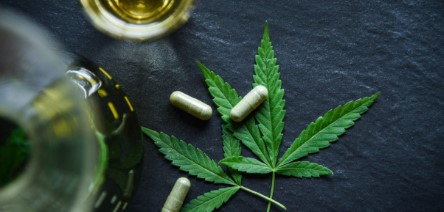
The scientific community has begun to take a closer look at CBD and its potential therapeutic applications, and Hawaiian Dream CBD, with its high CBD content, stands as an example of how these compounds may work in practice. Below are some key scientific findings regarding CBD and its effects, many of which apply to strains like Hawaiian Dream CBD:
CBD for Anxiety and Stress
According to research, CBD may help reduce anxiety symptoms. A 2015 review published in Neurotherapeutics concluded that CBD has significant potential as a treatment for anxiety disorders, including generalized anxiety disorder, panic disorder, and social anxiety disorder. Hawaiian Dream CBD, with its calming effects, may be beneficial for users dealing with these conditions.
Anti-Inflammatory Properties of CBD
Numerous studies have highlighted the anti-inflammatory properties of CBD. For example, a 2016 study published in Frontiers in Pharmacology found that CBD could reduce inflammation and pain in animal models of arthritis. These findings suggest that Hawaiian Dream CBD could be useful for people suffering from chronic pain conditions like arthritis, fibromyalgia, and other inflammatory disorders.
CBD for Seizures and Epilepsy
In 2018, the FDA approved Epidiolex, a CBD-based medication, for the treatment of certain types of epilepsy. This approval followed extensive clinical trials demonstrating CBD’s effectiveness in reducing the frequency of seizures. While Hawaiian Dream CBD has not been specifically studied for epilepsy, its high CBD content makes it a promising option for seizure management.
CBD and Sleep
Several studies suggest that CBD may promote better sleep. Research published in The Permanente Journal in 2019 showed that CBD significantly improved sleep in people with anxiety and poor sleep patterns. Hawaiian Dream CBD’s ability to reduce anxiety and promote relaxation may make it a valuable tool for improving sleep quality.
Genetic Selection and Breeding
Hawaiian Dream CBD is a hybrid strain, a cross between the Hawaiian and ACDC strains. The process of breeding cannabis strains is a complex science that involves selecting parent plants based on desirable traits, including CBD levels, terpene profiles, and overall plant health. To cultivate a strain like Hawaiian Dream CBD, breeders typically focus on:
- Phenotype Selection: Phenotypes refer to the observable characteristics of the plant, such as growth patterns, cannabinoid levels, and resistance to pests. Breeders often grow multiple generations of cannabis plants to ensure that only those with the desired traits are selected for the next generation. For Hawaiian Dream CBD, breeders would select phenotypes with high CBD levels, low THC content, and a robust terpene profile.
- Genetic Stability: Achieving consistency in the strain’s effects and chemical composition requires stabilizing the genetics over multiple generations. Hawaiian Dream CBD’s breeders would aim to maintain a consistent cannabinoid profile by selecting plants that consistently exhibit high CBD levels and low THC content.
- CBD to THC Ratio: The primary goal in breeding Hawaiian Dream CBD is to increase the CBD content while minimizing the THC content. This balance is crucial for ensuring that the strain retains its therapeutic qualities without inducing the psychoactive effects associated with higher THC strains.
Growing Environment and Climate Control
Hawaiian Dream CBD is typically cultivated in controlled environments to maximize its medicinal qualities and to create an environment where the plant can thrive. Cannabis plants are sensitive to environmental conditions, and understanding the science of light, temperature, humidity, and soil quality is key to successful cultivation.
Temperature
Temperature plays a vital role in the overall health of cannabis plants. Hawaiian Dream CBD is often grown in climates that mimic the tropical conditions of Hawaii, where it thrives. Generally, cannabis plants grow best in a temperature range between 70°F and 85°F (21°C to 29°C) during the daytime. At night, temperatures can drop slightly, but they should not fall below 60°F (15°C), as low temperatures can stunt growth and affect cannabinoid production.
- Light Stress and Cannabinoid Production: Studies have shown that temperature fluctuations and light stress can impact the production of cannabinoids and terpenes. When plants experience slightly stressful conditions, such as a mild increase in temperature during the day, they may produce higher amounts of cannabinoids like CBD as a protective mechanism. For Hawaiian Dream CBD, cultivating it under slightly elevated daytime temperatures may increase its overall yield of CBD.
Humidity and Watering
Cannabis plants, including Hawaiian Dream CBD, require moderate humidity levels during their growth cycle, generally ranging from 40% to 60% humidity during the vegetative phase. During flowering, humidity should be reduced to between 40% and 50% to prevent mold and mildew. Excess moisture during the flowering phase can lead to fungal infections, which can damage the plant and affect cannabinoid production.
- Water Quality: The quality of water used for irrigation is crucial. Many commercial growers use purified or filtered water, as it ensures that the plants receive essential nutrients without harmful contaminants. Research shows that water with too high a concentration of chlorine, for example, can hinder plant growth and cannabinoid synthesis.
Light and Photoperiod
- Vegetative Phase: During the vegetative stage, cannabis plants require about 18-24 hours of light per day to promote healthy growth. The increased light exposure encourages the plant to grow larger, producing more leaves and stems, which are necessary for photosynthesis.
- Flowering Phase: When transitioning into the flowering phase, the light cycle is reduced to twelve hours of light and twelve hours of darkness. This triggers the plant’s hormonal responses that induce the production of flowers, which contain the majority of cannabinoids.
- Light Spectrum: The light spectrum is also essential for optimal cannabinoid production. During the vegetative stage, plants benefit from a light spectrum with more blue wavelengths (around 450-495 nm), which encourages healthy foliage growth. During the flowering phase, red wavelengths (620-750 nm) become more important, as they encourage bud development.
Soil vs. Hydroponics
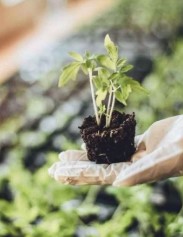
- Soil Cultivation: When cultivating Hawaiian Dream CBD in soil, growers often use organic soil mixtures enriched with nutrients. The soil provides a more gradual release of nutrients, ensuring that the plants receive a steady supply of minerals necessary for healthy growth. Organic cultivation can also enhance the flavor and terpene profile of the strain, producing a more robust and earthy aroma.
- Hydroponics: Hydroponic systems, where plants are grown in a soil-less medium with a nutrient-rich water solution, can accelerate growth and produce higher yields. Hydroponics provides precise control over the nutrients the plant receives, which can be particularly beneficial for producing strains like Hawaiian Dream CBD with specific cannabinoid ratios. However, hydroponic cultivation requires more technical knowledge and careful monitoring of nutrient levels.
Nutrient Management
Cannabis plants require a wide variety of nutrients during their growth cycle, including macronutrients like nitrogen (N), phosphorus (P), and potassium (K), as well as micronutrients such as magnesium (Mg), calcium (Ca), and sulfur (S). For optimal growth and cannabinoid production, Hawaiian Dream CBD requires a careful balance of these nutrients throughout its life cycle.
Vegetative Stage Nutrients
During the vegetative phase, Hawaiian Dream CBD requires a higher ratio of nitrogen to promote healthy leaf and stem growth. The synthesis of chlorophyll, which is required for photosynthesis, depends on nitrogen. However, too much nitrogen during flowering can inhibit bud development, so growers must adjust the nutrient mix as the plant transitions into the flowering stage.
Flowering Stage Nutrients
During the flowering stage, the focus shifts toward promoting bud growth. At this stage, growers reduce nitrogen levels and increase the availability of phosphorus and potassium. Phosphorus is crucial for the development of flowers, while potassium helps regulate water and nutrient transport within the plant, contributing to overall plant health and cannabinoid production.
Micronutrients and Trace Elements
Hawaiian Dream CBD, like all cannabis strains, requires trace elements such as iron, zinc, and manganese. These micronutrients support various cellular processes that ensure the plant remains healthy and productive. A deficiency in any of these elements can lead to stunted growth, poor terpene profiles, and low cannabinoid production.
Harvesting and Curing
The harvesting process of Hawaiian Dream CBD is critical for preserving its cannabinoid content and ensuring high-quality buds. When grown for medicinal purposes, the timing of the harvest is particularly important.
Optimal Harvest Time
Cannabis plants are typically harvested when the trichomes (the small, resinous glands that produce cannabinoids and terpenes) are at their peak maturity. For CBD-dominant strains like Hawaiian Dream CBD, this usually means harvesting when the trichomes are mostly cloudy with a few amber-colored trichomes. Harvesting too early can result in lower CBD levels, while waiting too long can lead to a degradation of cannabinoids.
Curing Process
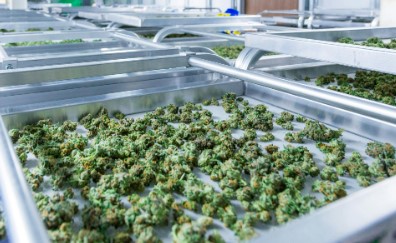
After harvesting, Hawaiian Dream CBD buds need to be carefully dried and cured to enhance their flavor, aroma, and potency. The curing process involves slowly drying the buds in a controlled environment with low humidity and temperatures of around 60-70°F (15-21°C). After drying, the buds are placed in airtight containers to continue curing for 2-4 weeks. Proper curing ensures that the cannabinoids and terpenes reach their full potential and results in a smoother, more flavorful smoke or vape experience.
Conclusion
Hawaiian Dream CBD is a versatile strain with significant therapeutic potential. Its high CBD content and mild THC levels make it suitable for a wide range of users, from those seeking relief from anxiety, pain, and inflammation to those who want a mild, relaxing recreational experience. The strain’s combination of cannabinoids and terpenes creates a well-rounded effect that can benefit both medicinal and recreational cannabis users. As research on CBD continues to grow, strains like Hawaiian Dream CBD will undoubtedly play a central role in the ongoing exploration of cannabis’ therapeutic potential.
For a complete directory of cultivars, visit our Cannabis Strain Reviews.
