Table of Contents
Hashberry is a highly regarded cannabis strain known for its potent effects and unique flavor profile. It has garnered a reputation both in the medical and recreational cannabis communities. Below is a detailed, structured analysis of the Hashberry strain, focusing on its origins, genetics, appearance, aroma, flavor, effects, medicinal uses, and recreational benefits. The scientific basis behind Hashberry’s medicinal uses will also be explored.
1. Overview and Origins of Hashberry Cannabis Strain
Hashberry is an indica-dominant hybrid strain, primarily known for its high THC content, potent effects, and resinous buds. This strain is the product of crossbreeding between two well-known cannabis strains: Blueberry and Afghani. These two strains contribute to Hashberry’s soothing and relaxing properties, alongside its distinctive berry-like flavor profile.
- Genetics:
- Blueberry is a highly esteemed strain that has won multiple awards for its sweet, fruity aroma and relaxing effects.
- Afghani is a landrace indica that is prized for its resin production and calming effects.
Hashberry is often cultivated for its high resin production, making it a popular choice among cannabis extractors. The name “Hashberry” refers to its potential to produce high-quality hashish, as the plant’s dense buds are laden with trichomes.
2. Appearance and Aroma
Appearance: Hashberry plants are medium to tall in stature, with strong lateral branching. The buds of this strain are large and dense, coated with thick, sticky trichomes. They feature a vibrant mix of dark green leaves, with some purple hues visible in the buds due to genetic influences from the Blueberry parent. The pistils are typically orange or red, adding to the striking visual appeal of this strain.
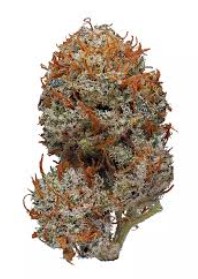
Aroma: The aroma of Hashberry is one of its defining features. It has a deep, earthy scent that is sweet and berry-like, largely derived from the Blueberry parent. When broken up or ground, Hashberry gives off a pungent, sweet, and slightly spicy scent, with hints of hash and subtle floral undertones. This strain’s aroma tends to linger and is known to be quite potent, so users should be prepared for its strong smell during both cultivation and consumption.
3. Flavor Profile
The flavor of Hashberry closely mirrors its aroma but with more pronounced sweet and berry flavors. Upon consumption, users can expect a smooth, earthy taste, with strong notes of ripe berries, particularly blueberries, combined with subtle undertones of pine and hash-like sweetness. The flavor is rich and satisfying, making Hashberry a delight for cannabis connoisseurs who appreciate a more complex taste profile.
4. THC and CBD Content
Hashberry typically boasts a THC content ranging between 18-24%, making it a potent strain. The THC concentration contributes to its strong effects, which are widely used for both medicinal and recreational purposes.
While Hashberry is primarily known for its THC content, its CBD content is relatively low, often measuring around 0.5-1%. This low CBD percentage is typical of many indica-dominant strains, which often focus more on THC for their therapeutic and psychoactive effects.
5. Effects of Hashberry
The effects of Hashberry are primarily indica-dominant, characterized by deep relaxation, mild sedation, and euphoria. This strain tends to create a sense of calm, which can help alleviate stress and anxiety, while also providing a gentle body high that promotes relaxation.
- Immediate Effects: Upon consumption, users typically experience a rapid onset of effects, starting with a cerebral euphoria that lifts the mood and instills a sense of happiness. This is followed by a slow but steady physical relaxation, making Hashberry ideal for individuals want to relax following a tough day.
- Physical Effects: The physical high produced by Hashberry can be quite sedative, and many users report feeling heavily relaxed and even slightly sedated. This makes it ideal for use during the evening or before sleep.
- Mental Effects: Mentally, Hashberry offers a mild euphoria that is calming rather than stimulating. It is less likely to cause paranoia or heightened anxiety compared to more potent sativa strains, making it a good choice for those who seek mental relief without an overwhelming high.
- Duration of Effects: The effects of Hashberry can last for several hours, with the peak typically occurring within the first 30-45 minutes. As with many indica-dominant strains, the physical relaxation tends to linger, making it an ideal choice for evening use.
6. Medicinal Uses of Hashberry
Hashberry’s medicinal uses are broad, owing to its balanced combination of relaxing and mood-enhancing effects. Many medical cannabis patients turn to Hashberry for its ability to treat a variety of conditions.
6.1 Pain Relief
Hashberry is known to be an effective strain for managing chronic pain, particularly conditions such as arthritis, fibromyalgia, and muscle spasms. Its relaxing properties help to reduce muscle tension and soothe the body, which can provide significant relief from discomfort. The deep body high and sedative effects are often cited as highly beneficial for pain management.
6.2 Stress and Anxiety
The calming effects of Hashberry make it a go-to strain for individuals struggling with stress, anxiety, or mild depression. The strain’s ability to induce relaxation while simultaneously uplifting the mood allows for a balanced mental state. As a result, Hashberry is often used as a natural remedy to reduce anxiety levels and alleviate stress-related symptoms.
6.3 Insomnia and Sleep Disorders
Hashberry’s sedative qualities are particularly helpful for individuals suffering from insomnia or other sleep disorders. The strain’s relaxing effects can help promote a peaceful night’s sleep, making it ideal for those who have difficulty falling asleep or staying asleep. The mild sedation provided by Hashberry can help users drift off into a restful sleep without waking up feeling drowsy.
6.4 Appetite Stimulation
As with many indica strains, Hashberry is effective at stimulating appetite. This makes it useful for individuals undergoing chemotherapy or those suffering from eating disorders like anorexia. The strain’s body high helps to increase hunger, making it easier for patients to maintain a healthy diet.
6.5 Anti-Inflammatory and Antioxidant Effects
Some research suggests that Hashberry’s parent strains, such as Blueberry and Afghani, contain compounds that may have anti-inflammatory and antioxidant properties. These compounds can contribute to the reduction of inflammation in conditions like arthritis, while also offering some neuroprotective benefits.
7. Recreational Uses of Hashberry
Hashberry is a popular choice among recreational cannabis users due to its well-rounded effects. The strain is known for providing a relaxed, euphoric high that is ideal for unwinding after a busy day.

7.1 Social Use
Hashberry’s gentle euphoria and mellow effects make it a good strain for social settings. While it’s not overly stimulating, it enhances mood and encourages relaxation, making it an excellent strain for gatherings or casual hangouts. The strain’s relaxing effects help users feel at ease, and its positive mood-enhancing properties often make for pleasant, low-key social experiences.
7.2 Creative Inspiration
Some users find that Hashberry helps to spark creativity, especially when consumed in moderation. The euphoria combined with the relaxing effects may help some people enter a state of mind conducive to creative activities such as drawing, writing, or playing music.
7.3 Evening Use and Relaxation
Due to its sedative effects, Hashberry is particularly popular for evening use. It is an excellent choice for users who want to unwind and relax after a long day. The strain’s ability to promote physical relaxation and mental calmness helps users to settle into a peaceful state of mind, making it ideal for evening relaxation.
8. Growing Hashberry Cannabis Strain
Hashberry is a cannabis strain that can be cultivated effectively with the right knowledge of its growth requirements. Like many cannabis strains, it has specific needs in terms of environmental conditions, nutrient levels, and cultivation techniques that can maximize its potential yield and potency. Below is a scientific breakdown of the methods and processes involved in cultivating Hashberry, including factors like soil type, water requirements, lighting conditions, training methods, and pest management.
1. Optimal Growing Environment for Hashberry
1.1 Temperature and Humidity
- Temperature Range: Hashberry is an indica-dominant strain, which means it typically prefers moderate temperatures. The ideal temperature for cultivating Hashberry is between 65°F to 80°F (18°C to 27°C) during the day. At night, temperatures can drop slightly but should not go below 60°F (15°C), as colder temperatures could stunt growth and negatively affect the quality of the buds.
- Humidity: This strain thrives in moderate humidity levels, typically between 40% and 60% during the vegetative stage. During the flowering phase, humidity should be reduced to about 40%-50% to help prevent mold and mildew from developing, especially as the buds become denser. Maintaining proper humidity is essential for avoiding fungal diseases and promoting optimal bud development.
1.2 Light Requirements
- Light Intensity: Hashberry requires ample light to achieve its full potential. When growing indoors, a high-quality grow light, such as LEDs or HPS lights, can provide the necessary intensity. During the vegetative stage, plants should receive about 18 hours of light per day, while during the flowering phase, it should be reduced to 12 hours of light and 12 hours of darkness.
- Outdoor Growing: When cultivated outdoors, Hashberry thrives in regions that receive at least 6-8 hours of direct sunlight per day. The strain can perform well in temperate climates, such as Mediterranean regions, where temperatures remain relatively stable.

2. Soil and Growing Medium
2.1 Soil Composition
The choice of growing medium is one of the most important aspects of cannabis cultivation. For Hashberry, soil-based cultivation is ideal, as it provides the necessary nutrients and drainage required for healthy plant growth. The optimal soil pH for Hashberry is around 6.0 to 6.5, which is slightly acidic.
- Soil Mix: A high-quality organic soil mix that drains well is essential for preventing root rot and promoting healthy growth. A mix of 50% high-quality organic compost, 25% perlite, and 25% vermiculite provides an excellent balance of drainage, aeration, and nutrient retention. Additionally, the use of earthworm castings and bat guano can be beneficial for improving soil fertility and enhancing nutrient availability.
- Hydroponics: While Hashberry can be grown hydroponically, it requires close attention to nutrient levels and pH. Hydroponic cultivation allows for better control of nutrients but can be more complex for beginners. Using a balanced hydroponic solution with appropriate levels of nitrogen (N), phosphorus (P), and potassium (K) is essential during the vegetative and flowering phases.
3. Watering and Nutrient Management
3.1 Watering Schedule
Watering Hashberry requires care to avoid overwatering, which can lead to root rot, or underwatering, which can stress the plant. It is important to keep the soil damp but not soggy. During the vegetative stage, it is recommended to water the plant every 2-3 days, but as it matures and enters the flowering phase, the watering schedule may need to be adjusted based on the growth environment.
- Water Quality: Using clean, filtered water is essential to avoid the introduction of chlorine or other harmful chemicals. pH level of the water should ideally be between 6.0 and 7.0 for soil-based hydroponics and between 5.5 and 6.5 for growing. Checking the water’s pH before watering helps ensure the plant can absorb nutrients effectively.
3.2 Nutrients
Hashberry, like other cannabis strains, requires a balanced diet of macronutrients (nitrogen, phosphorus, potassium) and micronutrients (iron, calcium, magnesium) throughout its lifecycle.
- Vegetative Stage: During the vegetative stage, Hashberry will require higher levels of nitrogen to support vigorous growth. A nutrient-rich organic soil or a high-quality vegetative fertilizer can meet these needs.
- Flowering Stage: As Hashberry transitions into the flowering stage, it needs less nitrogen and more phosphorus and potassium to support bud formation. Commercial flowering fertilizers that contain an N-P-K ratio of 1:3:2 or similar are ideal during this phase.
Micronutrients like magnesium and calcium should also be supplied to avoid deficiencies. Cal-mag supplements are often recommended to prevent issues like calcium deficiencies, which are common in hydroponic systems.
4. Training and Pruning Techniques
4.1 Training Methods
Training Hashberry is essential to maximize yield and ensure that the plant receives adequate light and airflow throughout the plant. Several common training techniques can be applied to this strain:
- Low Stress Training (LST): This technique involves gently bending and securing the branches to encourage lateral growth, which results in multiple bud sites. LST helps Hashberry grow wider, enhancing light exposure to lower parts of the plant and maximizing overall yield.
- Screen of Green (SCROG): SCROG is another technique used to train Hashberry to grow horizontally using a mesh screen. By guiding the plant’s growth horizontally, the SCROG method ensures that multiple buds receive optimal light. This increases overall yield and helps in producing more uniform buds.
- Topping: In order to do this, the top of the main stem is cut off, encouraging the plant to grow two main colas instead of one. Topping can help create a bushier plant with multiple flowering sites, increasing overall yield.
4.2 Pruning
Pruning is important to remove dead or excess foliage and allow better light penetration to the lower parts of the plant. Hashberry’s dense growth can benefit from regular defoliation to remove large fan leaves that may block airflow and light. Additionally, removing lower branches that don’t receive much light helps to direct energy toward the stronger colas.
- When to Prune: Pruning should occur during the vegetative stage, as well as early in the flowering stage, when the plant is establishing its bud sites. Pruning too late in the flowering stage can cause stress and reduce overall yield.
5. Pest Management and Disease Prevention
Hashberry, like all cannabis plants, is susceptible to certain pests and diseases, especially when grown outdoors. Proper pest management is essential for ensuring healthy growth and maximizing yield.
5.1 Common Pests
- Spider Mites: These tiny insects can infest the leaves and suck out the sap from the plant, causing yellowing and spotting. Organic insecticides like neem oil or spinosad are effective at controlling spider mites.
- Aphids: These small, sap-sucking insects can weaken the plant by feeding on its juices. Aphids can be controlled by releasing beneficial insects like ladybugs or by using insecticidal soap.
- Whiteflies: These pests are another common issue for cannabis plants. They can be controlled using sticky traps, or by spraying the plants with a mixture of water and dish soap.
5.2 Common Diseases
- Powdery Mildew: This fungal disease is common in high-humidity environments. Preventative measures, such as ensuring proper airflow and reducing humidity, are crucial. If it does occur, sulfur or baking soda sprays can help control it.
- Root Rot: Overwatering is a leading cause of root rot in cannabis plants. Ensuring proper drainage and allowing the soil to dry out between watering can prevent this condition.
5.3 Organic Pest Control
For organic growers, pest management can be accomplished through the use of beneficial insects, such as predatory mites, nematodes, and ladybugs. These insects feed on harmful pests without damaging the plants themselves.
6. Harvesting Hashberry
The harvest time for Hashberry typically falls 8-9 weeks after the onset of flowering. Harvesting at the correct time ensures that the buds have reached full maturity, maximizing potency and flavor.
- Trichome Monitoring: The best way to determine the right harvest time is by monitoring the trichomes with a jeweler’s loupe or magnifying glass. When most of the trichomes have turned a milky white with some amber coloration, it indicates peak potency.
- Drying and Curing: After harvesting, Hashberry buds should be carefully dried in a cool, dark, and well-ventilated space. The drying process usually takes about 7-10 days, and the buds should be hung upside down in small bunches. After drying, the buds should be cured in glass jars for 2-4 weeks to improve the flavor and potency.
9. Conclusion
Hashberry is a versatile cannabis strain with a rich genetic background, offering a well-balanced blend of relaxation, euphoria, and medicinal benefits. Its distinctive aroma and flavor, combined with its potent effects, make it a favorite among both medical and recreational users. Whether you are looking for sleeplessness, anxiety, or pain alleviation, or just a strain to unwind after a busy day, Hashberry delivers on all fronts. The strain’s ease of cultivation and generous resin production further add to its appeal, making it a sought-after choice for growers and extractors alike.
For a complete directory of cultivars, visit our Cannabis Strain Reviews.
