Table of Contents
Origins and Genetics
Hash Plant is an Indica-dominant strain with a rich history. It is believed to have originated from the Hindu Kush region, a region famous for its hashish production. The strain was brought to the West and further refined by breeders, particularly by Sensi Seeds, who crossed it with Northern Lights to enhance its stability and potency.
- Lineage: Hindu Kush x Northern Lights.
- Classification: Indica-dominant hybrid (approximately 80% Indica, 20% Sativa).
The strain’s lineage combines the resilience and resin production of its Kush heritage with the cerebral effects and balanced characteristics of Northern Lights.
Appearance, Aroma, and Flavor
- Appearance: Hash Plant features dense, compact buds with a generous coating of resinous trichomes. The leaves are dark green with hues of purple and orange pistils weaving through the structure.
- Aroma: A signature feature of Hash Plant is its pungent, earthy aroma with hints of pine and spice. The scent is reminiscent of classic hashish, hence the name.
- Flavor: The taste profile includes earthy, woody notes complemented by sweet undertones. On exhale, users often report a peppery or herbal aftertaste.
Chemical Profile
Hash Plant is prized for its robust cannabinoid and terpene profile, contributing to its therapeutic and recreational effects.
Cannabinoids:
- THC: Typically ranges from 15% to 20%, though some cultivars can exceed 25%.
- CBD: Less than 1%, making it primarily THC-dominant.
- CBG: A minor presence, often around 0.5%.
Terpenes:
- Myrcene: Dominant terpene, contributing to its earthy, musky aroma and sedative effects.
- Pinene: Adds a fresh pine scent and may help with focus and memory retention.
- Caryophyllene: Offers a spicy kick and potential anti-inflammatory benefits.
- Limonene: Offers mood-boosting qualities and faint citrus undertones.
Effects and Usage
Recreational Uses:
Hash Plant delivers classic Indica effects, characterized by deep relaxation and a sense of tranquility. Users often report:
- Body High: A heavy, couch-locking sensation ideal for evening or nighttime use.
- Stress Relief: The calming effects make it suitable for unwinding after a stressful day.
- Euphoria: Despite its sedative properties, Hash Plant offers a mild cerebral uplift, inducing feelings of happiness and contentment.
- Social Relaxation: In moderate doses, it can enhance social experiences by reducing anxiety.
Recommended for:
- Evening or nighttime use due to its sedative nature.
- Low-energy activities like watching movies, listening to music, or light socializing.
Medical Applications:
Hash Plant’s therapeutic properties stem from its chemical composition and Indica-dominant nature. It is frequently used to address:

- Chronic Pain: The high THC content and myrcene terpene contribute to potent analgesic effects, making it effective for conditions like arthritis, fibromyalgia, and migraines.
- Insomnia: The sedative qualities are particularly beneficial for individuals struggling with sleep disorders.
- Anxiety and Stress: Hash Plant’s calming effects can alleviate symptoms of anxiety, stress, and PTSD.
- Muscle Spasms: Its muscle-relaxing properties are helpful for those with conditions like multiple sclerosis or spasticity.
- Appetite Stimulation: Like many Indica strains, it may increase appetite, assisting patients dealing with nausea or appetite loss from chemotherapy or chronic illnesses.
Scientific Insights
Pharmacology:
The effects of Hash Plant are attributed to the interaction between its cannabinoids and the endocannabinoid system (ECS). THC binds to CB1 receptors in the brain, producing psychoactive effects, while CBD (though present in small amounts) modulates this interaction, potentially reducing THC-induced anxiety.
- Myrcene: Known for its sedative effects, myrcene enhances the permeability of cell membranes, potentially increasing cannabinoid absorption.
- Caryophyllene: This terpene interacts with CB2 receptors, contributing to anti-inflammatory and analgesic effects.
Cultivation Methods
Hash Plant is a hardy, Indica-dominant strain that thrives under controlled conditions, making it a fantastic option for producers of all skill levels. Below are detailed scientific and practical aspects of cultivating Hash Plant effectively.
1. Ideal Environmental Conditions

Hash Plant’s genetics make it naturally resistant to common pests and environmental stressors. However, optimizing certain conditions ensures the highest yield and quality.
- Temperature:
- Vegetative stage: 70–85°F (21–29°C).
- Flowering stage: 65–80°F (18–27°C).
- Nighttime temperatures: 10°F (5°C) cooler than daytime to enhance resin production.
- Humidity:
- Vegetative stage: 50–70%.
- Flowering stage: 40–50% to prevent mold or mildew on the dense buds.
- Final week: 30–40% to encourage trichome production.
- Light Cycle:
- Vegetative stage: 18–24 hours of light.
- Flowering stage: Twelve hours of darkness and twelve hours of brightness.
2. Soil vs. Hydroponics
- Soil Cultivation:
- Preferred for beginners due to its forgiving nature.
- Choose nutrient-rich, well-draining soil with a slightly acidic pH (6.0–6.5).
- Organic amendments like bat guano and worm castings enhance flavor and resin production.
- Hydroponics:
- Ideal for growers aiming for faster growth and higher yields.
- pH range: 5.5–6.0.
- Nutrient solution must be monitored closely for nitrogen, phosphorus, and potassium levels, particularly during flowering.
3. Nutrient Management
Hash Plant requires specific nutrients during different growth stages to optimize growth and resin production:
- Vegetative Stage:
- High nitrogen (N) levels.
- Moderate phosphorus (P) and potassium (K).
- Micronutrients: Calcium, magnesium, and sulfur are essential.
- Flowering Stage:
- Reduce nitrogen; increase phosphorus and potassium.
- Supplements like molasses or commercial bloom boosters can enhance terpene and cannabinoid profiles.
- Flush Period:
- Flush plants with pure water for 1–2 weeks before harvest to remove nutrient buildup and improve flavor.
4. Training Techniques
Training techniques can maximize yield and light exposure for Hash Plant:
- Low-Stress Training (LST):
- Gently bend and tie branches to create an even canopy.
- Increases light penetration and airflow.
- Topping:
- Cutting the main stem promotes bushier growth.
- Ideal for small grow spaces as Hash Plant is naturally compact.
- Defoliation:
- Remove excess fan leaves to enhance airflow and focus energy on bud development.
5. Pest and Disease Management
While Hash Plant is naturally resilient, proactive measures can prevent infestations or diseases:
- Common Pests: Aphids, fungus gnats, and spider mites.
- During vegetative growth, use insecticidal soaps or neem oil.
- Diseases: Powdery mildew and bud rot.
- Maintain proper humidity and airflow.
- Use organic fungicides like potassium bicarbonate for prevention.
6. Flowering and Harvesting
- Flowering Time: 7–8 weeks, shorter than many other strains.
- Indicators of Maturity:
- Trichomes: Harvest when trichomes turn cloudy or amber for desired potency.
- Pistils: 70–90% of pistils should darken and curl inward.
- Harvesting Tips:
- Harvest during early morning when cannabinoid levels are highest.
- Use sharp scissors to minimize damage to buds.
7. Post-Harvest Handling
Proper drying and curing are essential for maintaining Hash Plant’s potency and aroma:
- Drying:
- Hang buds upside down in a dark room with 50% humidity and 65°F (18°C).
- Drying typically takes 7–10 days.
- Curing:
- Store dried buds in airtight jars, opening daily to release moisture for the first week.
- Cure for at least 2–4 weeks to enhance flavor and terpene profile.
8. Advanced Scientific Techniques
For experienced growers, implementing advanced methods can further refine cultivation:
- CO2 Enrichment:
- Increasing CO2 levels to 1200–1500 ppm during the flowering stage boosts growth and yield.
- LED Lighting:
- Full-spectrum LEDs provide tailored wavelengths for different growth stages.
- Increased energy efficiency compared to traditional HID lights.
- Tissue Culture Propagation:
- Micropropagation ensures genetic consistency and disease-free clones.
1. Methods of Ingestion
1.1 Smoking
- Description: The most traditional method involves combusting the plant material and inhaling the smoke.
- Onset: Rapid; effects are felt within 1–5 minutes.
- Duration: 1–3 hours.
- Scientific Insight:
- Combustion activates cannabinoids through decarboxylation, converting THCA to THC.
- Direct inhalation delivers cannabinoids into the bloodstream via the lungs, bypassing first-pass metabolism.
- Pros: Immediate effects, straightforward.
- Cons: Potential respiratory irritation from smoke.
1.2 Vaping
- Description: Involves heating cannabis concentrates or flower in order to release terpenes and cannabinoids without burning.
- Onset: Rapid; 1–5 minutes.
- Duration: 1–3 hours.
- Scientific Insight:
- Vaporization preserves more terpenes and cannabinoids compared to smoking, offering a smoother experience.
- Temperatures between 315–440°F (157–227°C) are ideal for vaporizing THC and terpenes without burning plant material.
- Pros: Less harsh than smoking, efficient cannabinoid delivery.
- Cons: Requires specialized equipment.
1.3 Edibles
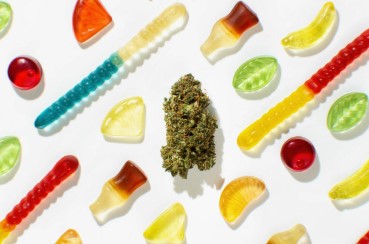
- Description: Cannabis-infused food or beverages.
- Onset: Delayed; 30 minutes to 2 hours.
- Duration: 4–8 hours.
- Scientific Insight:
- THC undergoes hepatic metabolism, converting into 11-hydroxy-THC, which is more potent and longer-lasting than THC.
- Bioavailability is lower (4–20%) compared to inhalation due to digestion and first-pass metabolism.
- Pros: Long-lasting effects, discreet.
- Cons: Risk of overconsumption due to delayed onset.
1.4 Tinctures
- Description: Alcohol- or oil-based cannabis extracts administered sublingually.
- Onset: Moderate; 15–45 minutes.
- Duration: 2–6 hours.
- Scientific Insight:
- Sublingual administration allows cannabinoids to enter the bloodstream through the mucous membranes, bypassing digestion.
- Pros: Precise dosing, quick onset.
- Cons: Taste may be unpleasant for some users.
1.5 Topicals
- Description: Creams, balms, or skin patches containing cannabis.
- Onset: Slow; effects felt within 20–60 minutes.
- Duration: 4–6 hours (localized).
- Scientific Insight:
- Cannabinoids like THC and CBD interact with CB2 receptors in the skin, providing localized relief without psychoactive effects.
- Pros: Non-intoxicating, targeted relief.
- Cons: Limited to localized effects; does not address systemic conditions.
1.6 Dabbing
- Description: Involves inhaling vaporized cannabis concentrates using a dab rig or electronic device.
- Onset: Immediate; within seconds.
- Duration: 1–3 hours.
- Scientific Insight:
- Concentrates contain high levels of THC (60–90%), delivering potent effects quickly.
- Terpene profiles are often preserved in high-quality concentrates, enhancing the entourage effect.
- Pros: High potency, immediate effects.
- Cons: Requires experience to manage dosage and specialized tools.
2. Duration and Onset of Effects
The method of ingestion influences how quickly and for how long Hash Plant’s effects are experienced. The differences are due to bioavailability, metabolism, and cannabinoid delivery pathways.
| Method | Onset | Peak Effects | Duration | Bioavailability |
|---|---|---|---|---|
| Smoking | 1–5 minutes | 10–30 minutes | 1–3 hours | 10–25% |
| Vaping | 1–5 minutes | 10–30 minutes | 1–3 hours | 30–60% |
| Edibles | 30 min–2 hours | 1–3 hours | 4–8 hours | 4–20% |
| Tinctures | 15–45 minutes | 1–2 hours | 2–6 hours | 20–35% |
| Topicals | 20–60 minutes | N/A (localized) | 4–6 hours | Minimal (localized) |
| Dabbing | Seconds | 10–30 minutes | 1–3 hours | 50–80% |
3. Factors Influencing Onset and Duration
Several factors affect how Hash Plant’s effects manifest in individuals:
- Metabolism: Faster metabolism leads to quicker onset but potentially shorter duration, particularly for edibles.
- Tolerance: Regular cannabis users may require higher doses for noticeable effects.
- Body Composition: Cannabinoids are lipophilic and may linger longer in individuals with higher body fat.
- Dosage: Larger doses typically result in prolonged and more intense effects.
- Terpene Profile: Hash Plant’s myrcene content may synergize with THC to promote a quicker onset of sedative effects.
4. Pharmacokinetics of Hash Plant Cannabinoids
- THC Absorption: Peak plasma levels occur:
- Smoking/Vaping: ~3–10 minutes post-inhalation.
- Edibles: ~1–2 hours post-ingestion.
- Elimination Half-Life: THC has a half-life of 25–36 hours but varies based on consumption method and individual physiology.
- Distribution: Cannabinoids rapidly distribute to highly vascularized tissues (brain, liver, lungs).
Side Effects
Like all cannabis strains, Hash Plant is not without potential side effects, particularly when consumed in large quantities:
- Dry Mouth and Eyes: Prevalent and controllable with hydration.
- Dizziness: Occasionally reported by novice users or those with low THC tolerance.
- Paranoia: Rare, but possible with high doses due to its THC content.
- Couch-Lock: Beneficial for some but can be overwhelming for users seeking an energizing experience.
Comparisons with Similar Strains
Hash Plant shares characteristics with other Indica-dominant strains but offers unique traits:
- Northern Lights: Similar in sedative effects but with a sweeter flavor profile.
- Afghan Kush: Both exhibit earthy, hash-like aromas, but Hash Plant has a shorter flowering period.
- Granddaddy Purple: Offers a comparable body high but features a grape-like flavor rather than Hash Plant’s earthy tones.
Consumer and Grower Insights
Consumer Feedback:
- Positive: Widely praised for its potency, relaxation effects, and classic hashish flavor.
- Negative: Some users find it too sedative for daytime use.
Grower Notes:
- Hash Plant’s resilience to pests and diseases makes it beginner-friendly.
- Its compact size is ideal for indoor setups, including small grow spaces.
- Proper curing enhances the flavor and preserves its signature aroma.
Legal and Cultural Impact

Hash Plant, like many cannabis strains, has played a role in shaping cannabis culture. Its connection to traditional hashish production highlights its historical importance, while its modern popularity underscores the enduring appeal of potent Indica strains. As cannabis legalization expands globally, Hash Plant continues to be a staple in dispensaries and a sought-after strain for medical patients and recreational users alike.
Final Thoughts
Hash Plant is a quintessential Indica strain that bridges traditional cannabis cultivation with modern breeding techniques. Its powerful effects, rich flavor, and therapeutic potential make it a favorite among consumers and growers. Whether used to manage chronic pain, alleviate stress, or simply relax after a long day, Hash Plant exemplifies the versatility and enduring appeal of cannabis.
By understanding its genetic lineage, chemical profile, and applications, consumers and cultivators alike can fully appreciate what makes Hash Plant a cornerstone of the cannabis world.
For a complete directory of cultivars, visit our Cannabis Strain Reviews.
