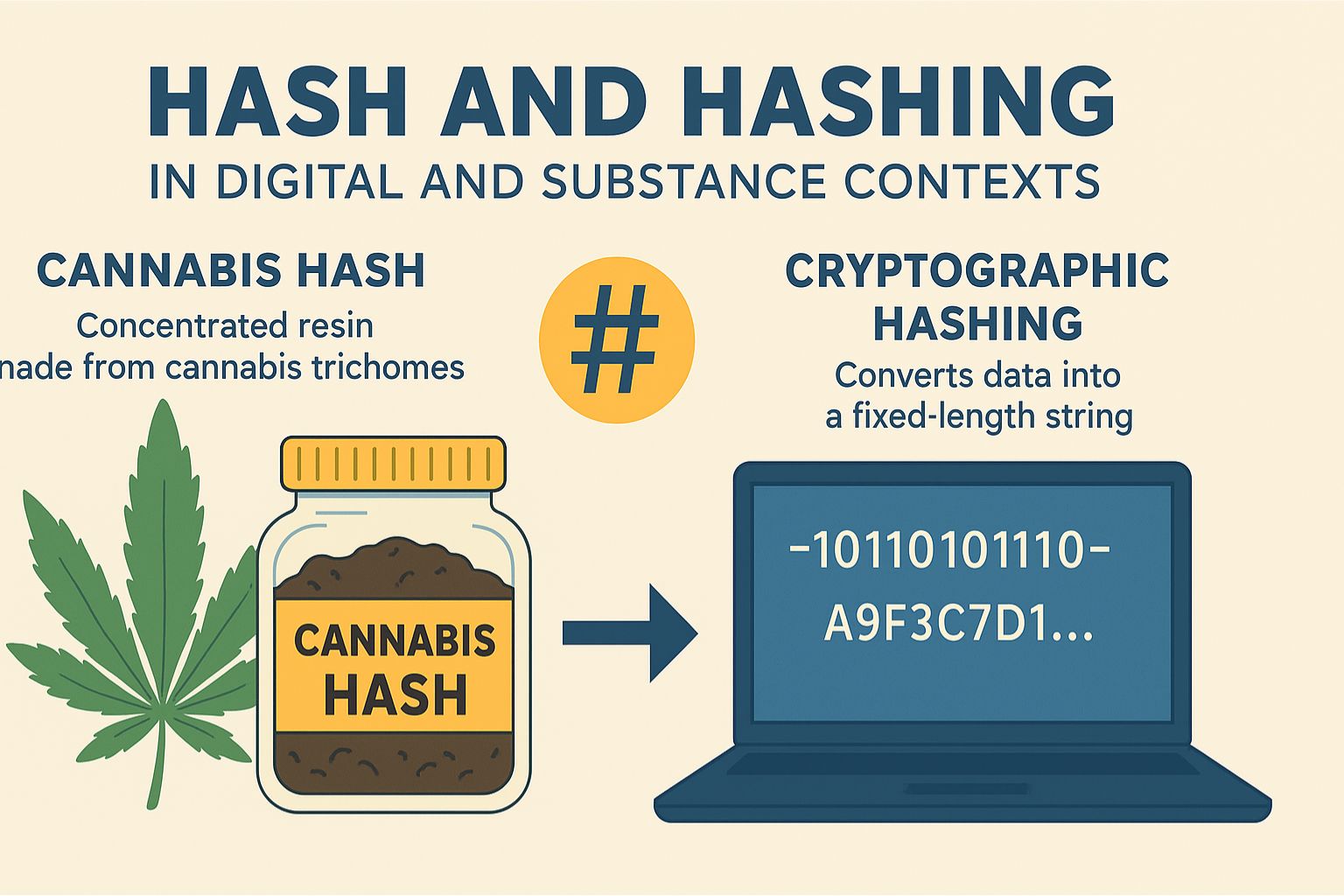
Why I Care About Hash And Hashing
I spend a lot of time in two worlds: the grow room and the digital workspace. In one, I am trimming resinous flowers and pressing them into cannabis hash or other weed concentrates. In the other, I am checking backups, verifying files, and relying on cryptographic hashing to keep data honest.
At first those two worlds felt completely separate. Then I realized that hash and hashing share more than a name. In both cases we are concentrating something important. With cannabis hash, we concentrate resin and flavor from a full plant. With cryptographic hashing, we condense huge amounts of digital information into a short fingerprint that proves authenticity.
In this article, I want to walk through both sides of hash and hashing from a hands-on perspective. I will stick to cultivation and practical digital knowledge, avoiding medical claims or legal advice. Always follow local laws before starting marijuana cultivation, buying seeds, or making any kind of weed concentrates.
My goal is to give you a grounded, grower-first guide you can actually use, whether you are choosing feminized cannabis seeds, dialing in indoor grow lights, or just trying to understand why your wallet app keeps talking about cryptographic hashing.
What Is Cannabis Hash In Real-World Grows?
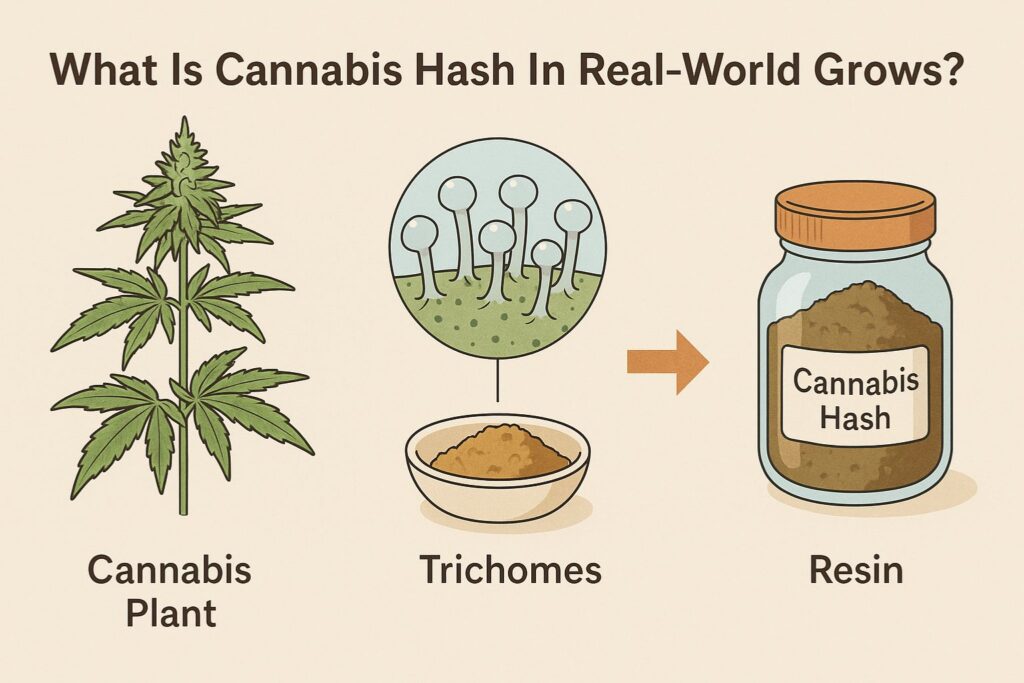
When I say cannabis hash, I am talking about concentrated resin made from cannabis trichomes. Those frost-covered glands you see on mature flowers hold the highest density of cannabinoids and terpenes. Cannabis hash is what you get when you separate those trichomes from the bulk of the plant and gather them into a mass or powder.
Over the years, the most common approaches I have used are:
- Dry sift, where gently agitated flowers rain trichome heads through screens.
- Ice-water separation, where cold water and agitation help knock trichomes loose.
- Rosin pressing, where heat and pressure squeeze resin from dried flower or sift.
I am deliberately not giving step-by-step production instructions here. The point is to understand that all of these methods respect the same basic idea: keep plant material and contaminants out while keeping trichomes in. When I approach cannabis hash this way, I focus on cleanliness, stable temperatures, and high-quality starting material.
If your starting buds are poorly grown, seeded, or full of pests, no technique will save the final cannabis hash. That is why this conversation always comes back to marijuana cultivation fundamentals.
Growing With Hash In Mind: My Cultivation Priorities
When I select feminized cannabis seeds for a new run, I already know whether the end goal is jar-ready flower, cannabis hash, or other weed concentrates. If hash is the goal, I prioritize resin production, terpene stability, and wash-friendly bud structure. Seed descriptions at reputable seed banks often hint at this, but real confirmation comes from my own runs.
Genetics, Phenotypes, And The Indica vs Sativa Question
People often ask me which side of the indica vs sativa spectrum is best for hash. In my experience, that question is too simple. I have washed heavy indica plants that produced average yields and hybrid-leaning lines that exploded in the bags.
Instead of getting stuck on indica vs sativa, I look at:
- Trichome density across the whole plant.
- How greasy or sandy the resin feels when handled.
- Terpene profile and stability during drying and curing.
Across several seasons, I will pop multiple feminized cannabis seeds from the same line and hunt phenotypes. Some phenos throw big buds but average resin, while others look modest yet yield outstanding cannabis hash. I tag and track each plant so I can return to those standout phenotypes later.
Autoflower weed seeds can play a role here too. For outdoor or balcony grows with short seasons, autoflower weed seeds give me a chance to pull resin earlier than a full photoperiod plant would allow. While not every auto is a hash monster, modern lines are much better than they used to be. I run them side-by-side with photoperiods so I can learn which autoflower weed seeds warrant another round.
Environment: Light, Air, And Nutrition For Resin
Resin is a stress response, but not all stress is useful. I have had the best results when I keep the basics tight and use gentle, controlled stress instead of chaos.
Some practical ranges that have treated me well:
- Seedlings and early veg around 200–300 µmol/m²/s PPFD under indoor grow lights.
- Late veg and early flower between roughly 500–700 µmol/m²/s PPFD.
- Peak flower in the 700–900 µmol/m²/s PPFD window for most cultivars without added CO₂.
Monitoring PPFD keeps me from guessing. I have burned plenty of tops by trusting my eyes instead of numbers. Modern indoor grow lights can be extremely intense in a small tent, so I adjust fixture height and dimming to maintain those PPFD targets across the canopy rather than just directly under the diodes.
In terms of environment, I try to keep:
- Day temperatures in the low to mid 70s Fahrenheit during flower.
- Night temperatures just a few degrees cooler.
- Humidity in a range that maintains healthy vapor pressure deficit while keeping mold risk low.
I monitor EC or PPM in my nutrient solution instead of chasing bottle schedules. For hash-focused runs, I would rather be slightly underfed than push plants into nutrient burn. Clean, properly ripened resin is more important to me than maximum dry weight.
Medium And Microbes
Over time I have moved toward an organic soil mix rather than sterile mediums for most hash-focused projects. My organic soil mix usually includes a quality base soil, aeration amendments, and a balanced dry nutrient blend with compost. I like the way a living organic soil mix moderates pH swings and supports microbial life that helps unlock nutrients slowly.
I have run side-by-side tests where one plant sits in an organic soil mix and another in a more hydro-style medium. Both can perform, but I repeatedly notice richer aromas and more complex flavor from the organic runs. That pays off when I press or sift, because the cannabis hash captures those layered terpenes.
If you prefer hydroponics, that is fine. Just understand that your margin for error is smaller, especially at higher EC. Either way, keep your root zone clean, oxygenated, and free from pests. Root aphids have ruined more than one promising hash crop for me.
Weed Concentrates Beyond Traditional Hash
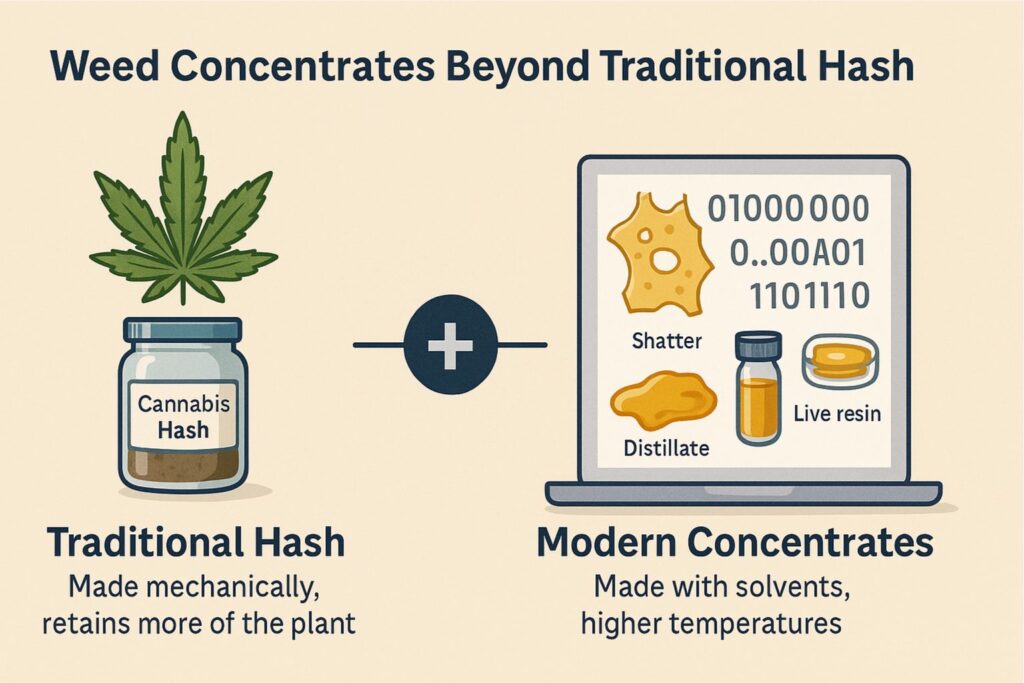
When people hear the phrase weed concentrates today, they may think of shatter, wax, distillate, or live resin. Traditional cannabis hash sits alongside these. The main differences are the solvents used, the temperatures involved, and how much of the original plant essence survives.
I personally lean toward solventless weed concentrates whenever possible. Bubble-style hash, dry sift, and rosin let me evaluate marijuana cultivation quality honestly. If my dry room was too hot, if my timing was off, or if a batch of feminized cannabis seeds throws unstable phenotypes, I will see all of that reflected in the cannabis hash.
On the other hand, some solvent-based weed concentrates can polish rough material into something visually appealing, but that does not automatically mean the starting marijuana cultivation practices were solid. I try not to let shiny products distract me from what is actually happening in the grow room.
Understanding Cryptographic Hashing Without The Jargon
Now let us shift from the grow tent to the laptop. In the digital world, cryptographic hashing is the process of feeding data into a mathematical function and getting a fixed-length fingerprint out. Change a single character in the original data and the cryptographic hashing output changes completely.
I rely on cryptographic hashing in several everyday situations:
- Verifying download integrity when I pull new grow-room controller firmware.
- Checking whether a backup of grow logs matches the original.
- Confirming blockchain transactions inside a wallet.
What matters most for growers and everyday users is not the math behind cryptographic hashing but the guarantees it provides:
- It is easy to compute but practically impossible to reverse.
- It is extremely unlikely that two different files produce the same hash.
- Any change to the file, however small, produces a completely different hash.
That is why hash and hashing show up everywhere in digital security. From password storage to smart contracts, cryptographic hashing lets systems verify data without exposing the underlying secrets. When I explain it to friends, I compare it to smelling a jar of cured bud: you can tell whether something is off, even if you cannot see every microscopic detail.
Hash And Hashing: The Parallels I See
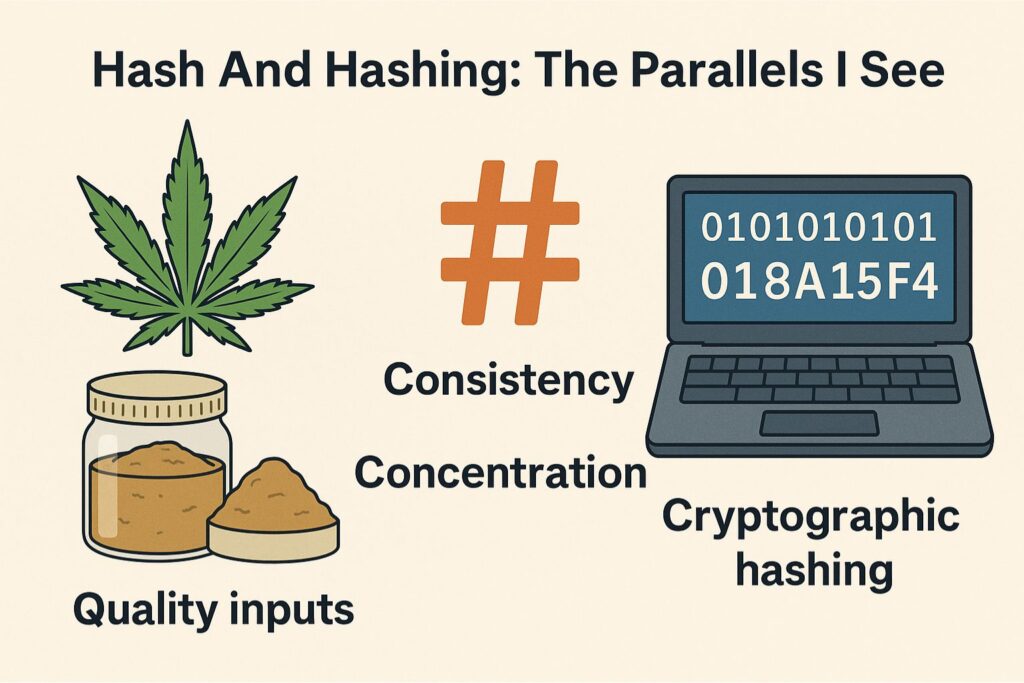
The more time I spend with both cannabis hash and cryptographic hashing, the more parallels I notice.
- Both depend on quality inputs. Poor marijuana cultivation leads to mediocre cannabis hash. Bad data handling leads to unreliable digital systems.
- Both reward consistency. The best hash makers I know follow tight processes. The same is true for engineers who implement cryptographic hashing correctly and do not cut corners.
- Both act as concentration steps. Weed concentrates capture a plant’s character in a smaller package. Cryptographic hashing compresses a file’s identity into a short string.
Understanding these similarities actually helps me run a more disciplined grow. When I treat each step of marijuana cultivation like a data pipeline, I am less likely to skip logs, ignore sensors, or forget how one run differed from the last. My notebooks and spreadsheets now include hash strings for key configuration files, and my jars in the curing room are labeled with detailed notes about PPFD, organic soil mix composition, and the exact feminized cannabis seeds or autoflower weed seeds used.
Choosing Seeds And Shipping Considerations For Hash-Focused Grows
The path to standout cannabis hash begins long before you ever see trichomes. It starts with selecting genetics from a trustworthy seed bank and understanding how seed bank shipping fits into your timeline and local rules.
When I shop online, I look for:
- Clear strain descriptions, including resin and terpene notes.
- Transparent germination policies.
- Real-world reviews from growers describing marijuana cultivation experiences, not just marketing.
Reliable seed bank shipping matters more than many new growers realize. If a package gets delayed in extreme heat or cold, germination rates can drop. That is why I pay attention to how vendors talk about seed bank shipping, how they package, and whether they have options that fit my climate.
For hash-focused runs, I often choose:
- Feminized cannabis seeds that are known producers for resin and aromatics.
- Autoflower weed seeds for quick outdoor or balcony runs where frost or landlord visits limit my window.
- Lines that offer multiple phenotypes so I can hunt for the best resin expression over several cycles.
Having a predictable seed bank shipping window helps me line up my veg schedule, indoor grow lights maintenance, and space in the dry room. When I treat seed bank shipping as part of the whole system, I run into fewer unpleasant surprises.
Indoor Grow Lights, DLI, And Fixture Placement For Resin
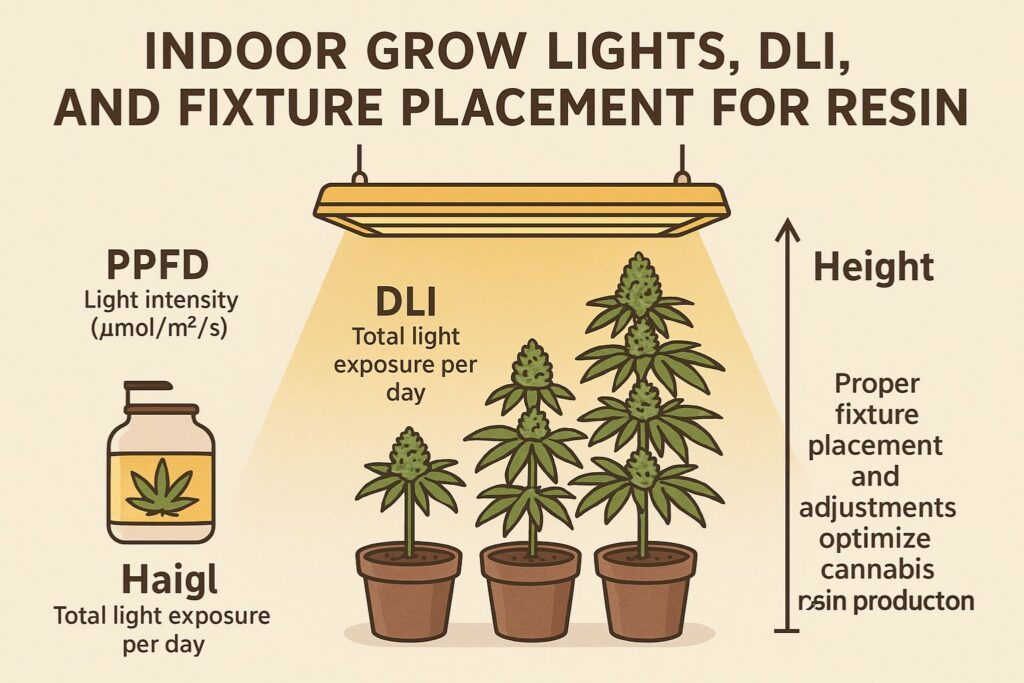
Because I grow in mixed climates, indoor grow lights are often the backbone of my hash projects. Over the years I have shifted from guessing based on wattage to measuring actual light at canopy level.
A few principles that have improved my results:
- Spread beats raw intensity. I would rather run two indoor grow lights at moderate output than blast one fixture so hard that only the center flowers thrive.
- Even PPFD matters more than the absolute peak. Hash-focused runs benefit when each top in a tray receives similar light, which leads to more consistent trichome development.
- Fixture placement is dynamic, not static. As plants stretch in early flower, I raise indoor grow lights and adjust dimming to keep PPFD within that 700–900 µmol/m²/s target range without bleaching.
I also consider daily light integral, or DLI, which combines intensity and time. Short days with very high intensity can stress plants more than moderate intensity spread over an appropriate photoperiod. Matching DLI to strain expectations, whether indica vs sativa leaning, keeps plants in a comfortable zone.
Good lighting alone will not guarantee top-shelf cannabis hash, but poor lighting will absolutely limit what your weed concentrates can become.
Soil Versus Hydro From A Hash Maker’s Perspective
I mentioned earlier that I favor an organic soil mix when I am aiming for full-spectrum cannabis hash. That does not mean hydroponics has no place; it simply comes down to what trade-offs matter most to you.
In my own side-by-side tests:
- Hydro runs in coco or similar media often bulk faster and respond more quickly to nutrient adjustments.
- Organic soil mix runs often finish with slightly less raw weight but deeper, more stable terpene expression.
For growers focused purely on bag appeal and yield, hydro styles might win. For those of us chasing flavorful cannabis hash and solventless weed concentrates, the subtle differences from an organic soil mix become hard to ignore.
Either way, keep your system clean, monitor EC, and adjust based on plant feedback rather than chasing a perfect chart. Marijuana cultivation responds best to attentive observation over rigid theory.
Frequently Asked Questions About Hash And Hashing
What is the difference between cannabis hash and other weed concentrates?
Cannabis hash is usually made by mechanically separating trichomes from the plant, either through sifting, ice water, or pressing. Many modern weed concentrates use solvents or more complex equipment. Both can be potent, but cannabis hash often retains more of the plant’s natural balance. Your marijuana cultivation practices will influence the quality of any concentrate you produce.
Are certain seeds better for hash-focused grows?
In my experience, yes. Some lines consistently produce more resin, stronger aromas, and better wash yields. I look for feminized cannabis seeds that other growers praise specifically for hash production. Autoflower weed seeds can also shine here, especially if your season is short or you want multiple runs per year.
How does cryptographic hashing relate to blockchain and wallets?
Blockchain systems rely heavily on cryptographic hashing to secure transactions and link blocks together. When your wallet displays a transaction ID or asks you to verify a file, it is using cryptographic hashing under the hood. Understanding the basics of cryptographic hashing gives you more confidence that your data and funds are being handled securely.
Does indica vs sativa matter for hash quality?
Indica vs sativa labels can give you a general idea of growth pattern and effect, but they do not guarantee hash quality. I care more about phenotype, trichome density, and how a plant finishes under stable PPFD and an appropriate organic soil mix or hydro setup. Some of my best cannabis hash has come from hybrid or slightly sativa-leaning plants that simply expressed resin beautifully.
What should I watch for with seed bank shipping?
Focus on three things: reliability, packaging, and timing. A good vendor treats seed bank shipping as part of their reputation. Seeds should arrive in protective packaging, within a reasonable window, and in line with local regulations. Plan your marijuana cultivation calendar to account for possible delays so your indoor grow lights, space, and resources are ready when the seeds arrive.
Conclusion: Seeing Hash And Hashing As Two Sides Of The Same Mindset
Stepping back, hash and hashing both reward careful inputs, disciplined process, and honest feedback. When I notice that my digital backups rely on cryptographic hashing for integrity, it reminds me to treat my marijuana cultivation notes with the same seriousness. When I watch trichomes ripen under balanced indoor grow lights in a healthy organic soil mix, it reminds me that no digital shortcut can replace real-world experience.
Whether you are building your next run around feminized cannabis seeds, experimenting with autoflower weed seeds on a balcony, or trying to understand how your hardware wallet verifies data, the mindset is the same: pay attention, respect the fundamentals, and stay within the laws that apply where you live.
As a grower who also lives in the digital world, I appreciate that hash and hashing give me two powerful ways to concentrate what matters. One fills my jars with fragrant cannabis hash and other weed concentrates. The other keeps my data, logs, and grow-room tools trustworthy. Both are worth understanding in depth if you want long-term success, online and in the garden.
