
How Cannabis Use Has Changed Everyday Life for Medical Patients
Introduction
Cannabis has long been known for its psychoactive properties, but recent decades have seen a significant shift towards recognizing its medicinal potential. Medical cannabis use has grown dramatically as research has uncovered its efficacy in treating a wide range of conditions, from chronic pain and epilepsy to anxiety and post-traumatic stress disorder (PTSD). As more patients turn to cannabis for relief, its impact on daily life has become a topic of considerable interest. This document explores how cannabis use has changed the everyday lives of medical patients, considering aspects such as health benefits, social interactions, lifestyle adjustments, economic factors, and legal implications.
Health Benefits and Symptom Management in Detail
Chronic Pain
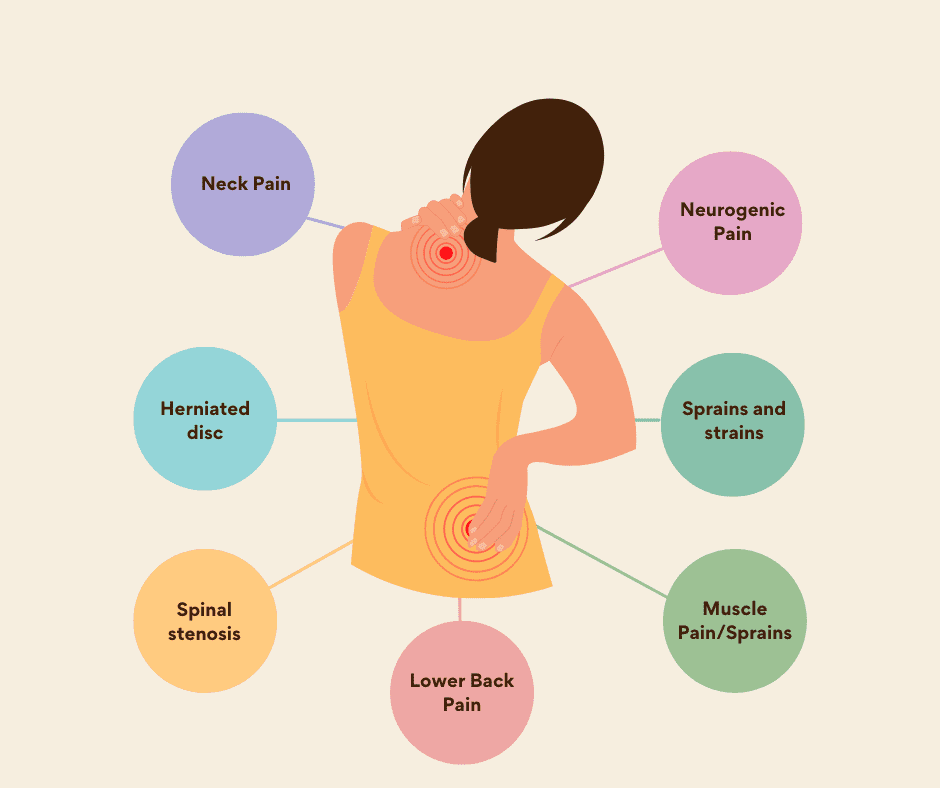
One of the main reasons people look for medical cannabis is chronic pain. Traditional pain management often relies on opioids and nonsteroidal anti-inflammatory drugs (NSAIDs), which can have significant side effects and risks, including addiction and gastrointestinal issues. Cannabis offers an alternative with a different mechanism of action.
- Mechanism of Action: Cannabinoids, particularly THC (tetrahydrocannabinol) and CBD (cannabidiol), interact with the body’s endocannabinoid system. This system is essential for controlling inflammation, mood, and pain. THC can lessen pain perception by binding to CB1 receptors in the brain and spinal cord. Conversely, CBD reduces inflammation by interacting with immune system CB2 receptors.
- Clinical Evidence: Studies have shown that cannabis can be effective in reducing pain levels. For instance, a review published in the Journal of Pain Research concluded that cannabis significantly reduces pain and improves sleep in patients with chronic pain conditions like arthritis, neuropathy, and fibromyalgia.
- Patient Outcomes: Many patients report substantial improvements in pain management with cannabis, allowing them to reduce or eliminate the use of opioids. This reduction in opioid use not only decreases the risk of addiction but also minimizes the side effects associated with long-term opioid therapy.
Epilepsy
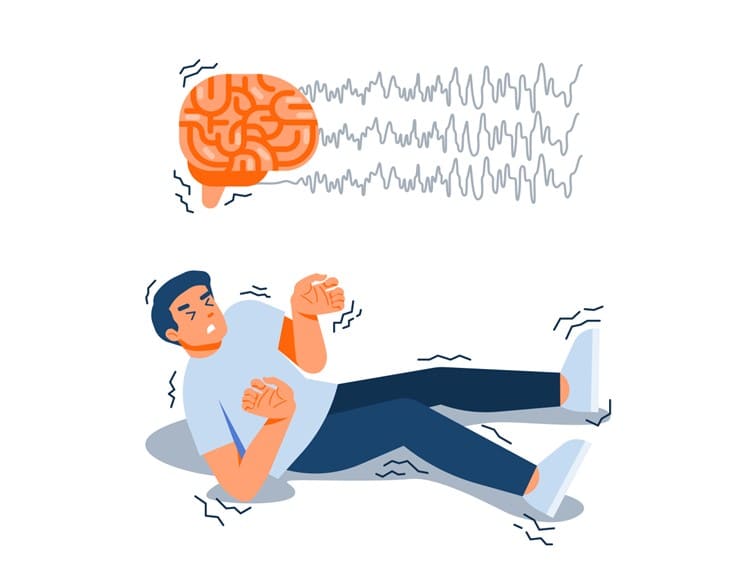
Particularly in cases of treatment-resistant epilepsy such as Lennox-Gastaut syndrome and Dravet syndrome, cannabis, and more specifically CBD, have demonstrated a remarkable effect.
- Mechanism of Action: CBD is believed to modulate synaptic transmission and neuronal excitability, although the exact mechanisms are still under investigation. It does not produce the psychoactive effects associated with THC, making it a suitable option for patients who need seizure control without the high.
- Clinical Evidence: The approval of Epidiolex, a CBD-based medication, by the FDA highlights the efficacy of CBD in treating epilepsy. Clinical trials have demonstrated that CBD can reduce the frequency of seizures by more than 50% in some patients with severe epilepsy.
- Patient Outcomes: For patients with severe, treatment-resistant epilepsy, CBD has been life-changing. Parents of children with Dravet syndrome report not only a reduction in seizure frequency but also improvements in cognitive function and overall quality of life. The ability to control seizures more effectively reduces hospital visits and medical emergencies, contributing to a more stable and predictable daily life.
Mental Health Disorders
Cannabis is increasingly used to manage symptoms of various mental health disorders, including PTSD, anxiety, and depression.
- Post-Traumatic Stress Disorder (PTSD): Many veterans and trauma survivors use cannabis to manage PTSD symptoms.
- Mechanism of Action: THC and CBD can help regulate the emotional and memory-related pathways in the brain. THC can reduce nightmares and anxiety, while CBD has anxiolytic (anxiety-reducing) properties.
- Clinical Evidence: Research published in Frontiers in Pharmacology indicates that cannabis can significantly reduce PTSD symptoms, including flashbacks, nightmares, and anxiety.
- Patient Outcomes: Patients with PTSD often report improved sleep, reduced anxiety, and a better ability to cope with stressors. Better social functioning and general mental health result from this.
- Anxiety and Depression: The effects of cannabis on anxiety and depression are complex and can vary depending on the strain and individual.
- Mechanism of Action: CBD has been shown to reduce anxiety by interacting with serotonin receptors, which play a role in mood regulation. THC, in low doses, can also have anxiolytic effects but may exacerbate anxiety at higher doses.
- Clinical Evidence: Studies suggest that CBD can be effective in reducing anxiety in both clinical and preclinical settings. However, the effects of THC are dose-dependent and can vary.
- Patient Outcomes: Patients using CBD for anxiety and depression often experience a reduction in symptoms without the side effects associated with traditional psychiatric medications. This can lead to improved daily functioning and quality of life.
Cancer
Cancer patients benefit from medical cannabis in multiple ways, particularly in managing the side effects of cancer treatment and improving quality of life.
- Nausea and Vomiting: Chemotherapy-induced nausea and vomiting (CINV) are significant side effects of cancer treatment.
- Mechanism of Action: THC interacts with CB1 receptors in the brain and gastrointestinal tract to reduce nausea and vomiting.
- Clinical Evidence: Clinical trials have shown that cannabis is effective in controlling CINV, often more so than traditional antiemetic medications.
- Patient Outcomes: Patients using cannabis for CINV often experience better control of nausea and vomiting, allowing them to maintain better nutrition and overall strength during chemotherapy.
- Appetite Stimulation: An appetite loss and weight loss are common problems for cancer patients.
- Mechanism of Action: THC stimulates appetite by interacting with the brain’s endocannabinoid system, particularly in areas related to hunger and satiety.
- Clinical Evidence: Studies have demonstrated that cannabis can significantly increase appetite and promote weight gain in cancer patients.
- Patient Outcomes: Improved appetite and nutrition help patients maintain their strength and resilience during cancer treatment, improving their overall prognosis and quality of life.
- Pain Management: Cancer-related pain can be severe and difficult to manage with traditional analgesics.
- Mechanism of Action: Cannabis provides pain relief through its interactions with the endocannabinoid system, reducing both inflammation and pain perception.
- Clinical Evidence: Research indicates that cannabis can effectively reduce cancer-related pain, often allowing patients to reduce their use of opioids.
- Patient Outcomes: Better pain management improves daily functioning and overall quality of life for cancer patients, allowing them to engage more fully in their treatment and daily activities.
Neurodegenerative Diseases
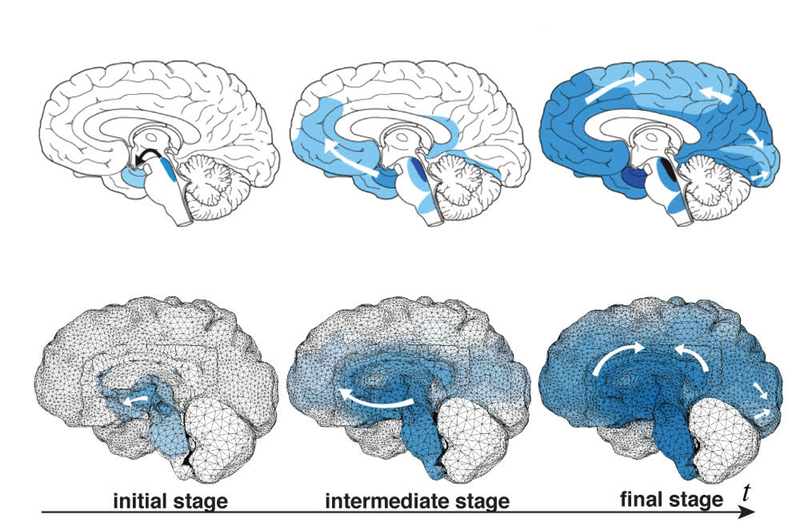
Neurodegenerative diseases like multiple sclerosis (MS), Parkinson’s disease, and Alzheimer’s disease can also benefit from medical cannabis use.
- Multiple Sclerosis (MS): Cannabis is used to manage spasticity, pain, and bladder issues associated with MS.
- Mechanism of Action: Cannabinoids reduce muscle spasticity and pain by interacting with CB1 and CB2 receptors in the nervous system.
- Clinical Evidence: Studies published in the Journal of Neurology have shown that cannabis can significantly reduce muscle spasticity and pain in MS patients.
- Patient Outcomes: Patients with MS using cannabis report reduced muscle stiffness and spasms, improved mobility, and better overall quality of life.
- Parkinson’s Disease: Cannabis can help manage tremors, muscle stiffness, and sleep disturbances in Parkinson’s patients.
- Mechanism of Action: CBD and THC can improve motor control and reduce tremors by modulating the brain’s endocannabinoid system.
- Clinical Evidence: Research in Movement Disorders has shown that cannabis can improve motor and non-motor symptoms in Parkinson’s disease.
- Patient Outcomes: Patients often experience reduced tremors and improved sleep, leading to better daily functioning and quality of life.
- Alzheimer’s Disease: Cannabis may help manage behavioral symptoms and slow the progression of Alzheimer’s disease.
- Mechanism of Action: Cannabinoids have neuroprotective and anti-inflammatory properties that can protect brain cells and reduce inflammation.
- Clinical Evidence: Preliminary studies suggest that cannabis can reduce behavioral issues and improve cognition in Alzheimer’s patients.
- Patient Outcomes: Improved management of behavioral symptoms like agitation and aggression enhances the quality of life for both patients and caregivers.
Gastrointestinal Disorders
Additionally, cannabis is utilized to treat the symptoms of gastrointestinal conditions like ulcerative colitis, Crohn’s disease, and irritable bowel syndrome (IBS).
- Inflammatory Bowel Disease (IBD): This comprises ulcerative colitis and Crohn’s disease, which are both characterized by persistent gastrointestinal inflammation.
- Mechanism of Action: Cannabinoids reduce inflammation and modulate the immune response by interacting with the endocannabinoid system.
- Clinical Evidence: Studies published in Clinical Gastroenterology and Hepatology have shown that cannabis can reduce inflammation and improve symptoms in IBD patients.
- Patient Outcomes: Patients using cannabis for IBD report reduced pain, improved appetite, and better overall health, often leading to fewer flare-ups and hospital visits.
- Irritable Bowel Syndrome (IBS): Cannabis can help manage pain and motility issues associated with IBS.
- Mechanism of Action: CBD and THC can reduce pain and regulate bowel movements by interacting with the gastrointestinal tract’s endocannabinoid receptors.
- Clinical Evidence: Research indicates that cannabis can alleviate abdominal pain and improve bowel regularity in IBS patients.
- Patient Outcomes: Patients with IBS using cannabis often experience better symptom control, leading to improved daily functioning and quality of life.
Social Interactions and Perceptions
The use of medical cannabis has significantly influenced the social interactions and perceptions of patients who rely on it for managing their health conditions. As medical cannabis becomes more widely accepted and legalized in various regions, the stigma traditionally associated with its use is diminishing. This transformation has a profound impact on the daily lives of patients, affecting their relationships, community involvement, and overall social well-being.
Reduction of Stigma
The elimination of stigma is among the most significant developments brought about by the legalization of medical marijuana. Historically, cannabis use has been heavily stigmatized due to its association with recreational drug use and illegal activity. This negative perception often made patients hesitant to discuss their use of cannabis, even when it was for legitimate medical reasons.
- Increased Public Awareness and Education: As scientific research highlights the medicinal benefits of cannabis, public awareness and education have increased. Educational campaigns, documentaries, and media coverage have played significant roles in shifting public perception. People are becoming more informed about the therapeutic properties of cannabis, which helps dispel myths and reduce stigma.
- Personal Stories and Advocacy: Patients and their families sharing personal stories of how medical cannabis has improved their quality of life have also contributed to reducing stigma. Advocacy groups and patient organizations work tirelessly to promote understanding and acceptance of medical cannabis. These narratives humanize the issue and highlight the real-life benefits, making it easier for the general public to accept and support medical cannabis use.
- Legislative Changes: Legalization and regulation of medical cannabis in various regions have legitimized its use. When a substance is recognized and regulated by law for medical purposes, it inherently gains a level of acceptance and credibility. Patients in states or countries where medical cannabis is legal experience less stigma compared to those in areas where it remains illegal.
Improved Social Interactions
The reduction of stigma and increased acceptance of medical cannabis have positively affected patients’ social interactions. Patients who use cannabis for medical purposes often find themselves in a more supportive and understanding social environment.
- Open Conversations: With the reduction in stigma, patients feel more comfortable discussing their medical cannabis use openly with family, friends, and colleagues. This openness fosters better understanding and support from loved ones and reduces feelings of isolation. Open conversations also allow patients to educate others about the benefits and challenges of using medical cannabis.
- Support Networks and Communities: The growth of medical cannabis communities, both online and offline, provides patients with valuable support networks. Online forums, social media groups, and local support groups offer platforms for patients to share experiences, ask questions, and provide mutual support. These communities can be a source of encouragement and empowerment, helping patients navigate their treatment journeys more effectively.
- Improved Relationships: The relief and improved quality of life that medical cannabis provides can lead to better relationships. For instance, a patient who experiences reduced pain or anxiety is likely to be more engaged and present in their interactions with family and friends. Improved health can lead to a more positive outlook on life, which can enhance social connections and relationships.
Changes in Patient-Doctor Relationships
The evolving landscape of medical cannabis has also influenced patient-doctor relationships. As more healthcare providers become knowledgeable about cannabis, the dynamics of these relationships are changing.
- More Informed Healthcare Providers: As medical cannabis becomes more mainstream, healthcare providers are increasingly educating themselves about its uses, benefits, and potential risks. This knowledge allows for more informed discussions between patients and doctors. Patients feel more comfortable discussing their cannabis use, knowing that their doctors are informed and supportive.
- Collaborative Decision-Making: The increased acceptance of medical cannabis fosters a more collaborative approach to treatment. Doctors and patients can work together to determine if cannabis is an appropriate option, discuss potential interactions with other medications, and monitor its effectiveness. This collaborative approach enhances the overall quality of care and ensures that patients receive comprehensive and personalized treatment.
- Access to Specialized Care: In regions where medical cannabis is legal, specialized clinics and healthcare providers focus on cannabis-based treatments. Patients have access to professionals who are well-versed in the intricacies of medical cannabis, providing tailored care and expert guidance. This specialized care improves treatment outcomes and patient satisfaction.
Lifestyle Adjustments
Medical cannabis use necessitates certain lifestyle adjustments that can significantly impact daily routines and overall quality of life. These adjustments vary depending on the patient’s condition, dosage, and method of consumption.
- Administration Methods: Patients have a variety of administration methods to choose from, each with its own set of considerations. Smoking or vaporizing cannabis provides rapid effects but are not suitable or useful for patients, especially those with respiratory conditions. Edibles, tinctures, and topical applications offer alternative methods that can be tailored to individual needs. These options allow patients to integrate cannabis use into their routines in a way that best suits their lifestyle and health conditions.
- Dosing and Scheduling: Finding the right dosage and scheduling for cannabis use can be a trial-and-error process. Patients often need to experiment with different strains and dosages to achieve optimal symptom relief. This process requires careful monitoring and adjustment, which can be time-consuming but ultimately leads to better management of their condition.
- Diet and Nutrition: Some patients may experience changes in appetite due to cannabis use, particularly when using strains high in THC, which can stimulate hunger. This can be beneficial for those needing to gain weight, such as cancer patients, but it may require adjustments to diet and nutrition plans to ensure a balanced intake of nutrients.
- Physical Activity: Improved symptom management often enables patients to engage more fully in physical activities. For example, patients with chronic pain or arthritis may find that reduced pain allows them to participate in exercise or physical therapy, leading to better overall health and mobility.
Economic Factors
The cost of medical cannabis and its impact on patients’ finances is another important aspect to consider. While cannabis can be a highly effective treatment, it is not always covered by insurance, leading to out-of-pocket expenses.
- Cost of Cannabis: The price of medical cannabis can vary widely depending on the region, quality, and form of the product. Patients may face significant monthly expenses, which can be a burden, especially for those on fixed incomes or with limited financial resources.
- Insurance Coverage: In many places, medical cannabis is not covered by insurance, meaning patients must pay for it out of pocket. However, there are ongoing efforts to change this, with some insurance companies beginning to cover specific cannabis-based medications, such as Epidiolex for epilepsy. Broader coverage would significantly alleviate the financial strain on patients.
- Economic Benefits: On the flip side, the medical cannabis industry has created economic opportunities, including jobs in cultivation, distribution, and retail. Patients who find relief through cannabis may also experience economic benefits by reducing their spending on other medications and healthcare services.
Legal and Regulatory Landscape

The legal status of medical cannabis varies significantly around the world and within different regions of individual countries. This patchwork of regulations impacts patients’ access and usage.
- Legal Access: In regions where medical cannabis is legal, patients can access their medication through licensed dispensaries or clinics. This regulated access ensures product safety and quality. However, in areas where cannabis remains illegal or highly restricted, patients may resort to the black market, which poses risks related to product quality and legal consequences.
- Regulatory Challenges: Even in areas where medical cannabis is legal, patients may face regulatory challenges. These include limitations on the amount they can possess, restrictions on home cultivation, and bureaucratic hurdles in obtaining a medical cannabis card or prescription. Navigating these regulations can be cumbersome and stressful for patients.
- Travel and Relocation: Patients who rely on medical cannabis may face difficulties when traveling or relocating. Crossing state or national borders with cannabis, even for medical purposes, can lead to legal issues. Patients need to carefully plan their travel and ensure they understand the laws of their destination.
Long-term Effects and Research
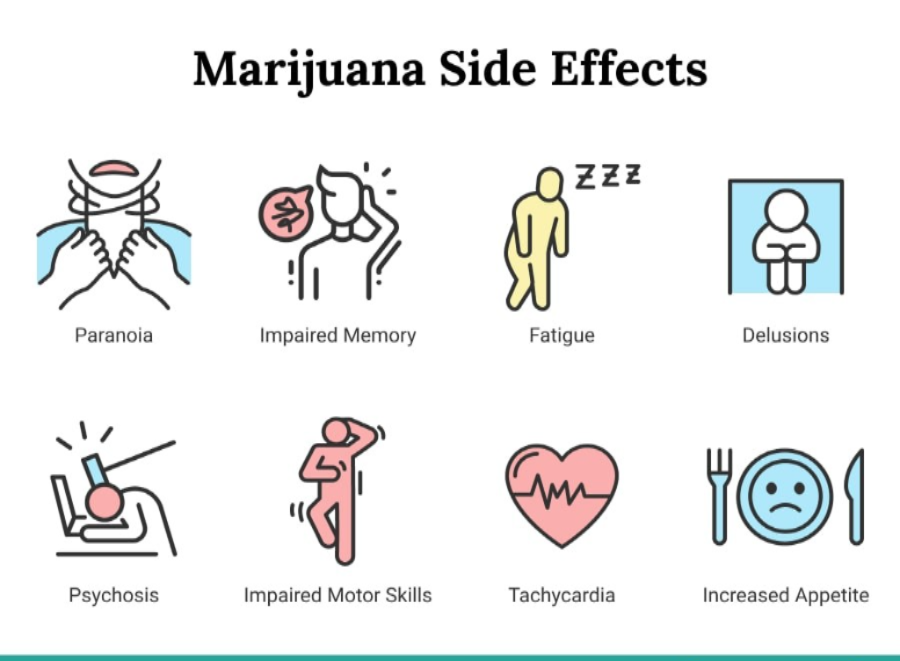
The long-term effects of medical cannabis use are a critical area of study as its acceptance and use grow worldwide. Comprehending these impacts is crucial for formulating all-encompassing therapy protocols, evaluating potential hazards, and optimizing patient advantages. This section delves into the current state of research on the long-term effects of medical cannabis, covering efficacy, safety, dependency, mental health, and ongoing research efforts.
Efficacy and Safety
- Chronic Use and Efficacy:
- Pain Management: Long-term use of medical cannabis for chronic pain has shown sustained efficacy. Studies, such as those published in the Journal of Pain Research, indicate that patients using cannabis over extended periods report continued relief from symptoms without the diminishing returns often seen with opioids. This sustained efficacy suggests that cannabis can be a viable long-term alternative for pain management.
- Neurological Disorders: In conditions like multiple sclerosis (MS) and epilepsy, long-term cannabis use has been associated with continued symptom relief. For MS patients, cannabis helps manage spasticity and pain, while epilepsy patients often experience fewer and less severe seizures over extended use.
- Safety Profile:
- Liver and Kidney Function: Long-term studies have not shown significant adverse effects of cannabis on liver and kidney function when used within therapeutic ranges. This is a positive contrast to some traditional medications, which can have substantial long-term toxicity.
- Lung Health: Smoking cannabis can have adverse effects on lung health, similar to tobacco smoking. However, alternative methods of administration, such as vaporizers, edibles, and tinctures, mitigate these risks. Long-term studies suggest that non-smoking methods of cannabis consumption are generally safe for prolonged use.
Dependency and Tolerance
- Risk of Dependency:
- Cannabis Use Disorder: While cannabis has a lower risk of dependency compared to substances like opioids and alcohol, there is still a potential for developing Cannabis Use Disorder (CUD). Studies estimate that about 9% of users may develop CUD, characterized by cravings, withdrawal symptoms, and continued use despite negative consequences.
- Mitigation Strategies: To minimize the risk of dependency, medical professionals often recommend periodic breaks from cannabis (tolerance breaks) and careful monitoring of usage patterns. Educating patients about the signs of dependency and encouraging responsible use are also key strategies.
- Tolerance Development:
- Mechanism: Tolerance to the effects of THC, the psychoactive component of cannabis, can develop with regular use. This implies that in order to maintain the same therapeutic results over time, patients could require greater doses.
- Management: To manage tolerance, patients are advised to rotate strains with different cannabinoid profiles and incorporate tolerance breaks. This approach helps maintain the efficacy of cannabis over the long term without continually increasing dosages.
Mental Health
- Positive Effects:
- Anxiety and Depression: For many patients, especially those with PTSD, anxiety, and depression, long-term cannabis use can provide sustained relief. Studies, such as those published in the Journal of Affective Disorders, have shown that cannabis can reduce symptoms of anxiety and depression over extended periods.
- Quality of Life: Improved mental health contributes to a better quality of life. Patients often report enhanced social interactions, better sleep, and a more positive outlook, which are crucial for overall well-being.
- Negative Effects:
- Psychosis Risk: There is evidence suggesting that long-term use of high-THC cannabis can increase the risk of psychosis, particularly in individuals with a predisposition to mental health disorders. A study published in The Lancet Psychiatry highlighted that regular use of high-potency cannabis is associated with an increased risk of psychotic disorders.
- Mood Disorders: Some users may experience exacerbation of mood disorders with long-term cannabis use, especially if they use high-THC strains. It is essential to balance the ratio of THC to CBD and monitor any changes in mental health status.
Ongoing Research and Future Directions
- Clinical Trials and Longitudinal Studies:
- Cannabis and Chronic Pain: Numerous long-term clinical trials are underway to better understand the efficacy and safety of cannabis in chronic pain management. These studies aim to provide more definitive guidelines on dosing, administration methods, and patient selection.
- Neurodegenerative Diseases: Research on the long-term use of cannabis for conditions like Alzheimer’s and Parkinson’s disease is ongoing. These studies focus on neuroprotective effects, symptom management, and quality of life improvements.
- Pharmacological Research:
- Cannabinoid Synergy: There is growing interest in the synergistic effects of different cannabinoids and terpenes, known as the entourage effect. Research is exploring how various combinations of these compounds can enhance therapeutic outcomes and reduce side effects.
- Synthetic Cannabinoids: The development of synthetic cannabinoids that mimic the effects of natural cannabis is another area of research. These compounds can provide more controlled and standardized treatments for specific conditions.
- Public Health and Policy Research:
- Impact of Legalization: Studies examining the public health impact of cannabis legalization are critical. These research efforts focus on changes in usage patterns, dependency rates, and societal attitudes towards cannabis.
- Insurance and Accessibility: Research into insurance coverage for medical cannabis and its economic impact on patients is ongoing. These studies aim to make medical cannabis more accessible and affordable for those in need.
Conclusion
The use of medical cannabis has significantly altered the landscape of healthcare, offering profound benefits and introducing new dimensions to patient care. From effective symptom management and enhanced quality of life to reduced reliance on traditional pharmaceuticals, the impact of cannabis on everyday life for medical patients is substantial and multifaceted.
Health Benefits and Symptom Management
Medical cannabis has proven to be an invaluable tool in managing a variety of conditions. Chronic pain sufferers, individuals with epilepsy, cancer patients, and those with mental health disorders have all found relief through cannabis use. The ability of cannabinoids to interact with the body’s endocannabinoid system allows for effective management of symptoms such as pain, seizures, nausea, and anxiety, often with fewer side effects compared to conventional treatments. This has enabled patients to experience significant improvements in their daily lives, reducing the burden of their illnesses and enhancing their overall well-being.
Social Interactions and Perceptions
The increasing acceptance of medical cannabis has led to a reduction in stigma, allowing patients to openly discuss their use and seek support without fear of judgment. This has improved social interactions and relationships, providing a more supportive environment for patients. The growth of medical cannabis communities has also offered valuable support networks, fostering a sense of belonging and empowerment among patients. Additionally, the evolving patient-doctor relationship, characterized by more informed and collaborative decision-making, has enhanced the quality of care and treatment outcomes.
Lifestyle Adjustments
Integrating medical cannabis into daily routines requires adjustments, but the benefits often outweigh the challenges. Patients find effective administration methods, manage dosing schedules, and make dietary and physical activity adjustments to optimize their treatment. These lifestyle changes contribute to better health management and improved quality of life, enabling patients to lead more active and fulfilling lives.
Economic Factors
While the cost of medical cannabis can be a burden for some patients, the potential for insurance coverage and the economic opportunities created by the cannabis industry offer promising prospects. Patients who experience relief from cannabis often reduce their reliance on other medications, leading to potential cost savings. The industry itself also provides employment opportunities, contributing to the economic well-being of patients and their communities.
Legal and Regulatory Landscape
The legal status of medical cannabis continues to evolve, with more regions recognizing its therapeutic benefits and legalizing its use. This has improved access to safe and regulated cannabis products, ensuring better quality and safety for patients. However, challenges remain in navigating varying legal frameworks, particularly for patients who travel or live in areas where cannabis remains restricted. Ongoing efforts to harmonize regulations and expand legal access are crucial for maximizing the benefits of medical cannabis.
Long-term Effects and Research
Understanding the long-term effects of medical cannabis is critical for developing comprehensive treatment guidelines. Current research indicates that cannabis can provide sustained symptom relief and improve quality of life when used responsibly. However, potential risks such as dependency, tolerance, and mental health impacts must be carefully managed. Ongoing research efforts are essential to fully understand these dynamics and develop best practices for long-term use.
Final Thoughts
The integration of medical cannabis into patient care has brought about significant positive changes in the lives of many individuals. From managing chronic conditions to enhancing social interactions and providing economic opportunities, the benefits of medical cannabis are extensive. As research continues and legal frameworks evolve, the role of medical cannabis in healthcare is likely to expand, offering further improvements in patient outcomes and quality of life. By continuing to educate the public, healthcare providers, and policymakers, we can ensure that medical cannabis is used safely and effectively, maximizing its potential to benefit those in need.
