Table of Contents
Harmonia is a well-balanced hybrid strain that provides a unique combination of physical relaxation and mental stimulation. Known for its mild THC levels, it is a strain that can be enjoyed both during the day and at night. The versatility of Harmonia makes it appealing for a broad range of users, whether for medical or recreational purposes. With both uplifting and soothing effects, this strain helps users find a perfect balance between euphoria and calm.
Genetic Composition and Origin
Harmonia is a hybrid cannabis strain, typically bred from a cross between Indica and Sativa strains, combining the best qualities of both parent strains. Its genetics include a blend of Afghani and Skunk strains, both known for their potent effects and distinctive aromas. The Afghani parent contributes to the relaxing, sedative properties, while the Skunk adds a strong, pungent aroma and a more stimulating head high.
The hybrid nature of Harmonia means that it offers a perfect balance between the Indica and Sativa effects, allowing it to be a versatile choice for various situations. The exact proportions of its indica-to-sativa makeup can vary, but it tends to lean slightly towards the indica side, offering users a comfortable body high with an uplifting mental clarity.
Appearance and Aroma
The Harmonia strain has a visually appealing appearance, with dense, tightly packed buds that are often medium to large in size. The buds are a bright green with vibrant orange pistils running through them, giving the strain a visually striking look. The trichomes on Harmonia are thick and sticky, indicating a potent THC content and a high resin production.
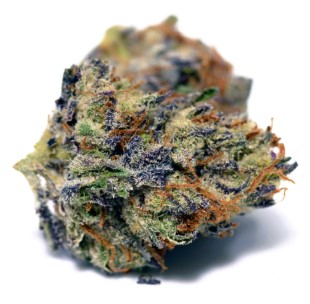
The aroma of Harmonia is a blend of earthy and fruity notes, which is typical of many hybrid strains. It features a sweet, fruity aroma with underlying earthy, musky notes. The presence of skunky and slightly sour fragrances gives it an edge, making it distinctive and recognizable. The fragrance is often compared to a blend of citrus and tropical fruit with a touch of diesel, which can be quite pungent but not overwhelming.
Cannabinoid Profile
Harmonia typically has moderate levels of THC, ranging from 15% to 22%, which provides an enjoyable but not overly intense high. This moderate THC level is one of the reasons why Harmonia is a popular strain for both novice and experienced cannabis users alike. The THC content offers users a mild euphoric experience without the risk of overwhelming psychoactive effects.
Harmonia contains CBD (Cannabidiol) levels that are usually on the lower end, often around 0.1% to 1%. The CBD content, while not particularly high, still contributes to the strain’s well-rounded therapeutic effects. The lower CBD content, combined with the moderate THC, allows for an experience that is more focused on mental clarity and uplifting effects rather than heavy sedation.
Some users may find that the CBN (Cannabinol) levels are slightly elevated in Harmonia, contributing to its relaxing, sleep-inducing properties when consumed in higher doses. This makes it beneficial for evening use or for those looking for a gentle nightcap.
Terpene Profile
The terpene profile of Harmonia is quite distinctive and contributes to its overall effects and aroma. Terpenes are the aromatic compounds in cannabis that have therapeutic effects in addition to their contribution to scent. Harmonia contains a blend of the following key terpenes:
- Myrcene: Myrcene is the most common terpene found in cannabis, known for its earthy, musky aroma. It is associated with sedative effects, providing a relaxing body high that is ideal for stress relief and physical relaxation.
- Limonene: Found in many citrus fruits, limonene imparts a zesty, citrusy aroma to Harmonia. This terpene has uplifting and mood-enhancing effects, often contributing to a sense of euphoria and mental clarity. It is also known for its anti-anxiety and anti-depressive properties.
- Caryophyllene: This terpene gives Harmonia a spicy, peppery scent. Caryophyllene is unique because it can interact with the body’s CB2 receptors, providing anti-inflammatory effects and potentially helping with pain relief.
- Pinene: A common terpene in cannabis and pine trees, pinene offers a fresh, piney aroma and is linked to increased alertness and memory retention. It can also help counteract some of the short-term memory impairment caused by THC.
Together, these terpenes contribute to Harmonia’s balanced effects, making it useful for both relaxation and mental stimulation.
Medical Benefits
Harmonia is well-regarded for its potential to offer a variety of medical benefits. Its moderate THC content makes it suitable for a wide range of users, from those with low tolerance to seasoned cannabis consumers. Here are the primary medical uses of Harmonia:
Chronic Pain Relief
The relaxing and sedative effects of Harmonia make it an excellent choice for those seeking relief from chronic pain conditions. The presence of caryophyllene and myrcene helps in reducing inflammation and providing a soothing body high. This makes it beneficial for conditions like arthritis, muscle pain, and general body aches.
Anxiety and Stress Relief
Many users turn to Harmonia to alleviate symptoms of anxiety and stress. The limonene terpene plays a crucial role here, as it has natural anti-anxiety and anti-depressive effects. The balanced high produced by Harmonia provides mental clarity without overwhelming euphoria, making it ideal for users looking to unwind and reduce anxiety levels without feeling too “out of it.”
Insomnia and Sleep Disorders
Harmonia’s calming effects, particularly when consumed in higher doses, can help users with sleep disorders. The sedative properties associated with myrcene make it effective for those who struggle with insomnia or other sleep-related issues. It helps users relax both mentally and physically, making it easier to fall asleep and stay asleep.
Appetite Stimulation
Like many cannabis strains, Harmonia may also be useful for those struggling with a lack of appetite. The relaxing effects can help stimulate hunger, which can be beneficial for patients undergoing chemotherapy or those suffering from illnesses like HIV/AIDS or anorexia.
Recreational Effects
For recreational users, Harmonia offers a well-rounded experience. It combines uplifting effects with calming properties, allowing users to enjoy a sense of euphoria and clarity without feeling overly intoxicated. Here are some of the recreational effects users can expect from Harmonia:
Mental Clarity and Focus
Thanks to its sativa influence, Harmonia provides a clear-headed high that enhances focus and creativity. This makes it a great choice for those engaging in activities that require mental engagement, such as brainstorming sessions, creative projects, or even light physical activities.
Relaxation and Stress Relief
On the physical side, Harmonia offers a relaxing body high that can help ease muscle tension and induce a calm, serene feeling. It’s an ideal choice for unwinding after a long day of work or for social situations where users want to relax without becoming too sleepy.

Euphoric Happiness
The moderate THC levels ensure that the euphoric effects are uplifting but not overwhelming. Many users report feeling a sense of happiness, euphoria, and improved mood after consuming Harmonia. This makes it a great strain for social interactions, as it helps enhance enjoyment and promote positive conversations.
Growing Information
Cultivating the Harmonia cannabis strain involves understanding its genetic makeup and environmental needs to produce the best possible results. This hybrid strain, with both indica and sativa influences, has certain specific requirements for growing conditions, nutrient intake, and cultivation techniques. Below, we’ll delve into more scientific aspects of how to cultivate Harmonia successfully.
1. Genetics and Growth Structure
As a hybrid strain, Harmonia possesses the combined characteristics of both indica and sativa. Understanding these genetics is crucial for the cultivation process:
- Indica Influence: The indica traits contribute to a bushy, compact structure, often with shorter internodal spaces. These plants typically grow denser and require pruning to ensure airflow and prevent mold or pests.
- Sativa Influence: Sativa characteristics can make the plant stretch more during the vegetative phase, requiring careful training to prevent overgrowth. Sativa dominance typically means longer flowering periods and a more vertical growth pattern.

The balanced hybrid nature of Harmonia results in a medium-sized plant, with a height that’s not too tall for indoor cultivation but still requiring enough space for the plant’s branches and flowers to spread. Understanding the hybrid balance allows growers to prepare for the unique growth patterns that Harmonia exhibits.
2. Climate and Environmental Conditions
Harmonia requires a climate similar to the regions where its parent strains, Afghani and Skunk, originated. For the best results, the following scientific factors should be considered:
Temperature Range
- Ideal Temperature: Harmonia thrives in temperatures between 70°F and 85°F (21°C – 29°C). These conditions are favorable for both the vegetative and flowering stages. Temperatures above 85°F can cause heat stress, resulting in poor yields, lower potency, or plant damage.
- Nighttime Temperatures: A slight drop in temperature at night can enhance cannabinoid and terpene production. Ideally, temperatures should be reduced to 60°F to 70°F (15°C – 21°C) during the dark period. This variation can trigger a stress response in the plant that promotes the development of higher resin content, contributing to the potency of the buds.
Humidity Control
- Vegetative Stage: During the vegetative stage, Harmonia requires higher humidity levels around 60-70%. This helps the plant grow vigorously by ensuring that it can take in sufficient moisture from the air and soil.
- Flowering Stage: As the plant enters the flowering phase, the humidity should be reduced to 40-50%. This helps prevent mold or mildew, particularly because Harmonia’s buds are dense and can trap moisture, making them susceptible to fungal growth.
Light Cycle and Photoperiod
Harmonia is a photoperiod-dependent strain, meaning its flowering cycle is triggered by the ratio of light to darkness during the day. Typically, the plant requires:
- Vegetative Light Cycle: During the vegetative phase, Harmonia should be exposed to a light cycle of 18 hours of light and 6 hours of darkness to stimulate growth.
- Flowering Light Cycle: Once the plant has matured, it should be switched to 12 hours of light and 12 hours of darkness. This triggers the transition from vegetative growth to flowering, signaling the plant to produce buds.
Indoor growers typically use high-intensity discharge (HID) lamps such as Metal Halide (MH) for the vegetative stage and High Pressure Sodium (HPS) lights for the flowering stage to maximize light penetration and photoperiod accuracy.
3. Soil and Growing Medium
Selecting the right growing medium is crucial for achieving optimal yields and potency in Harmonia cannabis. Harmonia is typically grown in well-draining soil, but hydroponic and soilless media are also options for those seeking faster growth rates and larger yields.
Soil
- pH Level: Harmonia prefers slightly acidic soil with a pH level of 6.0-6.5. This pH range is ideal for nutrient absorption, as most essential nutrients are available to the plant at this level.
- Soil Composition: A good balance of organic matter, such as compost or worm castings, is ideal for ensuring that the plant gets adequate nutrients throughout its life cycle. It’s essential to use well-aerated soil to avoid root rot, which can occur if the soil becomes too compact or soggy.
Hydroponics
For faster growth, higher yields, and more control over nutrient levels, some growers choose to cultivate Harmonia in a hydroponic system. The use of hydroponics involves growing the plants in a nutrient-rich solution, with no soil involved. This method allows the plant’s roots to take up water and nutrients directly, which can speed up the growth process.
Hydroponic setups such as the Deep Water Culture (DWC) or Nutrient Film Technique (NFT) can be especially effective for Harmonia, allowing it to thrive with optimal nutrient delivery.
4. Nutrient Requirements
Understanding the specific nutrient needs of Harmonia is essential for ensuring healthy growth and maximized yields. Both nitrogen (N), phosphorus (P), and potassium (K) are key macronutrients, along with trace minerals like calcium, magnesium, and sulfur.
Vegetative Stage
During the vegetative stage, Harmonia requires higher levels of nitrogen, which helps support healthy leaf and stem growth. At this stage, the plant focuses on vegetative expansion, so nutrient mixes that are higher in nitrogen but lower in phosphorus and potassium are ideal.
- N-P-K Ratio: A fertilizer with a ratio of 3-1-2 (N-P-K) is usually effective for promoting healthy vegetative growth in Harmonia.
- Micronutrients: Additional micronutrients such as iron, manganese, and zinc are important during this stage to promote robust cell growth.
Flowering Stage
As Harmonia transitions into flowering, the focus shifts from vegetative growth to producing flowers. During this stage, the plant will require less nitrogen and higher levels of phosphorus and potassium, which are essential for the development of buds.
- N-P-K Ratio: A fertilizer with an N-P-K ratio of 1-3-2 or 2-4-4 can encourage strong flower development and resin production.
- Calcium and Magnesium: These nutrients are vital during flowering for cell wall strength and to prevent deficiencies, particularly calcium which is important for the development of the buds and prevention of issues like bud rot.
Supplemental Nutrients
In addition to basic macronutrients, silica can be added to strengthen the plant’s cell walls and improve resistance to stress or disease. The presence of humic acids and fulvic acid can enhance nutrient absorption and improve overall plant health.
5. Pruning, Training, and Maintenance Techniques
For growers cultivating Harmonia, several advanced techniques can help optimize yields and improve the overall structure of the plant.
Topping
Topping is a technique where the main stem of the plant is cut off above the third or fourth node. This encourages lateral growth and helps to create a more even canopy. For Harmonia, this technique helps the plant focus its energy on the production of several colas (main flowering sites) rather than just one dominant cola, increasing overall yield.
Low-Stress Training (LST)
Low-Stress Training involves gently bending and tying down branches to expose more of the plant to light. This technique helps in creating an even canopy and promotes higher yields by maximizing light penetration to lower branches.
Defoliation
Removing excess leaves during the flowering stage ensures better airflow around the buds and reduces the risk of mold or pests. By selectively removing some leaves, growers can direct more energy to the production of flowers, enhancing the overall yield.
6. Flowering and Harvesting
Harmonia typically has a flowering period of around 8-9 weeks indoors, though outdoor growers may harvest in late September to early October, depending on their climate.
Harvest Timing
The best time to harvest Harmonia is when most of the trichomes are cloudy or milky, with some turning amber. This signals peak THC content and optimal potency. Harvesting too early or too late can affect the cannabinoid profile and reduce overall potency.
Like most cannabis strains, Harmonia can cause some mild side effects, although they are generally not severe. The most common side effects include:
- Dry Mouth: This is a common side effect of most cannabis strains and can be mitigated by staying hydrated.
- Dry Eyes: Some users may experience dry eyes, which can be relieved with eye drops.
- Dizziness: While rare, some users may feel lightheaded or dizzy, especially with higher doses.
Conclusion
Harmonia is a well-balanced hybrid that offers a wide range of benefits for both medical and recreational users. Its moderate THC content, soothing body effects, and uplifting mental clarity make it a versatile strain that can be used for relaxation, pain relief, and mental stimulation. Whether you’re seeking stress relief, creative inspiration, or a restful night’s sleep, Harmonia provides a holistic experience that can meet a variety of needs.
For a complete directory of cultivars, visit our Cannabis Strain Reviews.
