Table of Contents
Origins and Genetics
Guido Kush is an indica-dominant hybrid strain with genetics rooted in the legendary OG Kush lineage. Although its precise parent strains are not always explicitly detailed, it is believed to combine traits from various Kush strains that originated in the Hindu Kush mountain range. This lineage is known for its robust resin production, earthy flavors, and potent sedative effects.
Appearance, Aroma, and Flavor Profile
Appearance
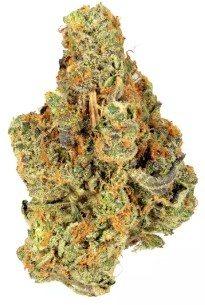
Guido Kush buds are visually striking, featuring dense, compact flowers with an array of deep green hues. They are often accented by orange pistils and coated with a thick layer of trichomes, giving the buds a frosty appearance. The high trichome content signifies its potency and makes it appealing to both recreational and medical users.
Aroma
The strain’s aroma is a defining characteristic. Guido Kush emits a pungent, earthy scent with undertones of pine, citrus, and sweet spices. Upon breaking the buds, users often notice additional skunky and diesel-like notes, indicative of its Kush heritage.

Flavor
When consumed, Guido Kush offers a smooth and rich flavor profile. It delivers earthy and woody notes on the inhale, complemented by hints of lemon and herbal undertones on the exhale. This well-rounded flavor makes it a favorite among connoisseurs.
Cannabinoid Profile
Guido Kush is known for its high THC content, typically ranging between 20-25%, making it a potent strain. The CBD content is usually low, often less than 1%, which enhances its psychoactive effects while providing minimal direct anti-inflammatory properties associated with CBD. Other notable cannabinoids include:
- CBG (Cannabigerol): Found in trace amounts, it may contribute to anti-inflammatory and neuroprotective effects.
- CBC (Cannabichromene): Also present in small quantities, it has potential anti-depressant properties.
Terpene Profile
The terpene composition of Guido Kush enhances its aroma, flavor, and therapeutic effects. Key terpenes include:
- Myrcene:
- Provides earthy and musky aromas.
- Associated with sedative and muscle-relaxing properties.
- Limonene:
- Contributes citrusy and uplifting notes.
- Known for stress-relieving and mood-enhancing effects.
- Caryophyllene:
- Adds a spicy, peppery aroma.
- Has potential anti-inflammatory and analgesic properties.
- Pinene:
- Offers pine-like freshness.
- May promote alertness and reduce inflammation.
- Linalool:
- Provides floral and lavender-like scents.
- Known for its calming and anti-anxiety effects.
Effects and Uses
Recreational Uses
Guido Kush is highly regarded in the recreational cannabis community for its potent effects, which can vary depending on dosage:

- Euphoria:
- The strain induces a strong sense of happiness and mental upliftment, making it ideal for social gatherings or solo relaxation.
- Relaxation:
- Its indica-dominant nature provides deep physical relaxation, helping users unwind after a long day.
- Couch-Lock:
- At higher doses, Guido Kush may lead to a heavy sedative effect, often referred to as “couch-lock.”
- Enhanced Sensory Perception:
- Users report heightened senses, making music, food, and art more enjoyable.
- Stress Relief:
- The calming effects help reduce everyday stress and anxiety, promoting a sense of tranquility.
Medical Uses
Guido Kush offers a range of therapeutic benefits due to its cannabinoid and terpene composition. Key medical applications include:
- Chronic Pain:
- Its high THC content and caryophyllene presence make it effective for alleviating various types of pain, including arthritis, migraines, and neuropathic pain.
- Insomnia:
- The sedative effects, driven by myrcene and linalool, make it an excellent choice for individuals struggling with sleep disorders.
- Anxiety and Stress:
- The calming properties of limonene and linalool help reduce symptoms of anxiety and stress.
- Appetite Stimulation:
- Like many indica-dominant strains, Guido Kush can increase appetite, benefiting those with appetite loss due to illnesses or therapies such as chemotherapy.
- Muscle Spasms and Cramps:
- The muscle-relaxing effects can relieve spasms and cramps associated with conditions like multiple sclerosis or PMS.
- Depression:
- Its mood-enhancing properties provide temporary relief from depressive symptoms.
Consumption Methods
A. Smoking
- Description: The most traditional method involves combusting Guido Kush flowers in joints, pipes, or bongs.
- Onset: Rapid, typically within 1-5 minutes.
- Duration: Effects last 2-4 hours.
- Bioavailability: Approximately 10-30% of THC is absorbed due to combustion and loss during exhalation.
- Advantages:
- Immediate effects are useful for acute symptom relief.
- Accessible and easy for most users.
- Drawbacks:
- Combustion releases harmful byproducts, such as tar and carbon monoxide.
- Not discreet due to odor and visible smoke.
B. Vaporization (Vaping)

- Description: Heating Guido Kush flowers or concentrates below combustion temperature (~350-400°F) to produce a vapor.
- Onset: Rapid, within 1-3 minutes.
- Duration: Effects last 2-4 hours.
- Bioavailability: Higher than smoking, around 50-80% due to reduced loss.
- Advantages:
- Preserves terpenes and flavor profile.
- Produces fewer harmful byproducts than smoking.
- Drawbacks:
- Requires specialized equipment.
- Potential long-term effects of vaping are still under research.
C. Edibles
- Description: Guido Kush is infused into food or beverages. The liver converts THC into the more powerful molecule 11-hydroxy-THC.
- Onset: Delayed, ranging from 30 minutes to 2 hours depending on metabolism and stomach contents.
- Duration: Effects can last 6-8 hours or longer.
- Bioavailability: Around 4-20%, as some THC is lost during digestion and first-pass metabolism.
- Advantages:
- Long-lasting effects suitable for chronic pain or insomnia.
- Discreet and odorless.
- Drawbacks:
- Difficult to dose accurately, especially for beginners.
- Overconsumption risk because of delayed onset.
D. Sublingual Administration
- Description: Cannabis tinctures or oils are placed under the tongue for absorption through mucosal membranes.
- Onset: Moderate, within 15-30 minutes.
- Duration: Effects last 4-6 hours.
- Bioavailability: Around 10-35%, depending on formulation.
- Advantages:
- Faster onset than edibles.
- Precise dosing with droppers.
- Drawbacks:
- Some users dislike the taste of cannabis tinctures.
- Effects may vary based on saliva production.
E. Concentrates (Dabbing)
- Description: High-potency extracts like shatter, wax, or live resin are vaporized on a hot surface.
- Onset: Immediate, within 1-3 minutes.
- Duration: Effects last 2-4 hours.
- Bioavailability: Extremely high, potentially exceeding 70%.
- Advantages:
- Rapid and intense effects, suitable for experienced users.
- High terpene preservation enhances flavor and entourage effects.
- Drawbacks:
- Requires specialized tools like dab rigs.
- Not ideal for beginners due to potency.
F. Topicals

- Description: Creams, balms, or patches that are directly applied to the skin and include cannabis.
- Onset: Localized relief begins within 15-30 minutes.
- Duration: Effects last 2-6 hours.
- Bioavailability: Limited to localized areas; cannabinoids do not typically enter the bloodstream.
- Advantages:
- No psychoactive effects.
- Effective for localized pain or inflammation.
- Drawbacks:
- Limited utility for systemic conditions.
- Requires reapplication for prolonged relief.
2. Onset and Duration by Method
| Method | Onset | Peak Effects | Duration |
|---|---|---|---|
| Smoking | 1-5 minutes | 20-30 minutes | 2-4 hours |
| Vaping | 1-3 minutes | 15-30 minutes | 2-4 hours |
| Edibles | 30-120 minutes | 1-3 hours | 6-8+ hours |
| Sublingual | 15-30 minutes | 30-60 minutes | 4-6 hours |
| Concentrates | 1-3 minutes | 15-30 minutes | 2-4 hours |
| Topicals | 15-30 minutes | N/A | 2-6 hours |
3. Factors Influencing Onset and Duration
Several variables affect how quickly and for how long Guido Kush exerts its effects:
- THC Content: Higher THC levels lead to faster onset and more pronounced effects, especially with inhalation methods.
- Individual Metabolism: Fast metabolisms may shorten the duration of effects, especially for edibles.
- Body Fat: THC is lipophilic and stored in fat cells, which can influence duration and tolerance.
- Tolerance: Regular cannabis users may experience diminished effects or require higher doses.
- Food Intake: Consuming edibles on an empty stomach accelerates onset but may intensify effects.
- Terpene Interaction: Terpenes like myrcene may enhance the psychoactive effects by increasing THC permeability across the blood-brain barrier.
Scientific Insights
Pharmacological Effects
- Endocannabinoid System Interaction: Guido Kush’s high THC levels activate CB1 receptors in the brain, leading to psychoactive effects and analgesia. Its terpenes also modulate these effects through the entourage effect, enhancing therapeutic potential.
- Neuroprotection: Cannabinoids like THC and minor levels of CBG may offer neuroprotective benefits, potentially aiding in ailments including Parkinson’s disease and Alzheimer’s disease.
- Anti-Inflammatory Properties: Caryophyllene’s interaction with CB2 receptors helps reduce inflammation, making Guido Kush useful for autoimmune conditions and chronic inflammatory disorders.
Adverse Effects
Despite its benefits, Guido Kush may cause side effects, especially at higher doses:
- Dry Mouth and Eyes:
- Common side effects of THC-dominant strains.
- Dizziness and Paranoia:
- Inexperienced users or those sensitive to THC may experience these effects, particularly if consumed in large quantities.
- Impaired Memory and Coordination:
- Short-term cognitive impairment is typical, necessitating caution during activities requiring focus.
- Increased Heart Rate:
- Some users may experience a temporary increase in heart rate, which could be problematic for individuals with cardiovascular issues.
Cultivation Methods
To optimize the growth and quality of Guido Kush, cultivators must understand the scientific principles behind cannabis cultivation. Below are detailed scientific insights into the best methods and conditions for cultivating this strain.
1. Genetic Considerations
- Indica-Dominant Traits: Guido Kush’s indica dominance results in a bushy growth pattern with broad leaves and dense buds. These traits influence the optimal environment and care needed.
- Phenotype Stability: Selecting stable seeds or clones ensures consistent cannabinoid and terpene profiles across crops.
2. Environmental Requirements
- Temperature:
- Ideal daytime temperature: 70–80°F (21–27°C).
- Nighttime temperature: 60–70°F (15–21°C).
- Large temperature fluctuations can stress plants and reduce yields.
- Humidity:
- Seedling stage: 65–70% relative humidity (RH).
- Vegetative stage: 55–65% RH.
- Flowering stage: 40–50% RH to reduce the risk of mold on dense buds.
- Airflow:
- Constant air circulation prevents stagnant conditions, reducing mold and pests. Use oscillating fans to maintain air movement.
3. Light Requirements
- Photoperiod:
- Guido Kush thrives under a photoperiod of 18 hours of light and 6 hours of darkness during the vegetative stage.
- During flowering, a 12/12 light-dark cycle triggers bud development.
- Light Intensity:
- Optimal PAR (photosynthetically active radiation) values for indoor setups range between 400–700 µmol/m²/s.
- Use full-spectrum LEDs or HPS (high-pressure sodium) lights for consistent growth and terpene development.
4. Soil and Mediums
- Soil:
- A nutrient-rich soil with good aeration and drainage is ideal. Organic additives like bat guano, worm castings, and kelp meal enhance terpene production.
- Soilless Mediums:
- Coco coir or hydroponic systems allow greater control over nutrient delivery and faster growth.
- pH Range:
- Maintain a soil pH of 6.0–6.8 and a hydroponic pH of 5.5–6.5 for optimal nutrient absorption.
5. Nutrient Management
- Nitrogen (N):
- High levels are required during the vegetative stage to support leafy growth.
- Phosphorus (P) and Potassium (K):
- Essential during flowering for bud development and resin production.
- Micronutrients:
- Calcium, magnesium, and sulfur are critical for metabolic processes. Ensure these are included in feeding regimens.
- Organic Fertilizers:
- Use of compost teas and microbial inoculants boosts soil health and terpene complexity.
- EC Levels (Electrical Conductivity):
- Vegetative stage: 1.0–1.4 mS/cm.
- Flowering stage: 1.5–2.0 mS/cm.
6. Watering Practices
- Frequency:
- Avoid overwatering by allowing the top inch of soil to dry before the next watering.
- Water Quality:
- To avoid mineral accumulation, use filtered or reverse osmosis water.
- pH:
- Water pH should match the growing medium’s requirements for nutrient uptake.
7. Training and Pruning
- Low-Stress Training (LST):
- To increase the number of bud sites exposed to light, gently bend branches.
- Topping:
- Cut the main stem during the vegetative stage to promote bushier growth.
- Defoliation:
- Remove excess fan leaves to improve airflow and light penetration to lower bud sites.
8. Pest and Disease Management
- Preventative Measures:
- Regularly inspect plants for pests like spider mites, aphids, and whiteflies.
- Use neem oil or insecticidal soaps as a preventive measure.
- Mold Prevention:
- Control humidity and ensure adequate airflow to prevent bud rot and powdery mildew.
- Biological Controls:
- To organically control pest populations, introduce beneficial insects such as predatory mites and ladybugs.
9. Harvesting and Post-Harvest Processing
- Trichome Monitoring:
- Check the color of the trichomes using a microscope or magnifying glass:
- Drying:
- Maintain a temperature of 60–70°F (15–21°C) and a humidity of 50–60% during drying.
- Allow 7–14 days for buds to dry completely.
- Curing:
- Store dried buds in airtight containers at 60–65% RH for 2–8 weeks to enhance flavor and potency.
10. Yield Optimization
- Indoor Yields: Average 400–500 grams per square meter with proper care.
- Outdoor Yields: Up to 600 grams per plant, depending on environmental conditions and cultivation techniques.
User Reviews and Community Feedback
Many users praise Guido Kush for its balanced effects, citing its ability to deliver both relaxation and mental clarity. Medical users highlight its effectiveness in managing pain, insomnia, and stress, while recreational consumers appreciate its flavor and euphoric high.
Conclusion
Guido Kush is a versatile and potent cannabis strain with applications ranging from recreational enjoyment to medical relief. Its rich cannabinoid and terpene profile offer a wide array of benefits, though users should exercise caution with dosing to minimize adverse effects. As research into cannabis continues, Guido Kush’s role in therapeutic contexts may expand, solidifying its status as a valuable strain in the cannabis community.
For a complete directory of cultivars, visit our Cannabis Strain Reviews.
