Table of Contents
Guide to Cannabidiol CBD for Opioid Withdrawal
Opioid withdrawal is a severe and potentially life-threatening medical condition that arises from dependency on opioids. Dependence on opioids can develop after prolonged use, even as prescribed by a healthcare provider, leading to severe physical and psychological symptoms when the drug use is reduced or discontinued.
Opioids are a category of drugs primarily utilized for their analgesic (pain-relieving) properties. This group includes substances such as morphine, heroin, oxycontin, codeine, methadone, and hydromorphone hydrochloride, among others. These drugs are known for their efficacy in pain management but also their high potential for dependency and addiction.
Withdrawal symptoms from opioids can be intensely uncomfortable and debilitating. They typically include a range of physical symptoms such as sweating, severe muscle aches, gastrointestinal distress, and neurological disturbances. Psychological symptoms of opioid withdrawal may encompass anxiety, depression, irritability, and insomnia. The intensity and persistence of these symptoms frequently complicate efforts to discontinue opioid use without medical assistance.
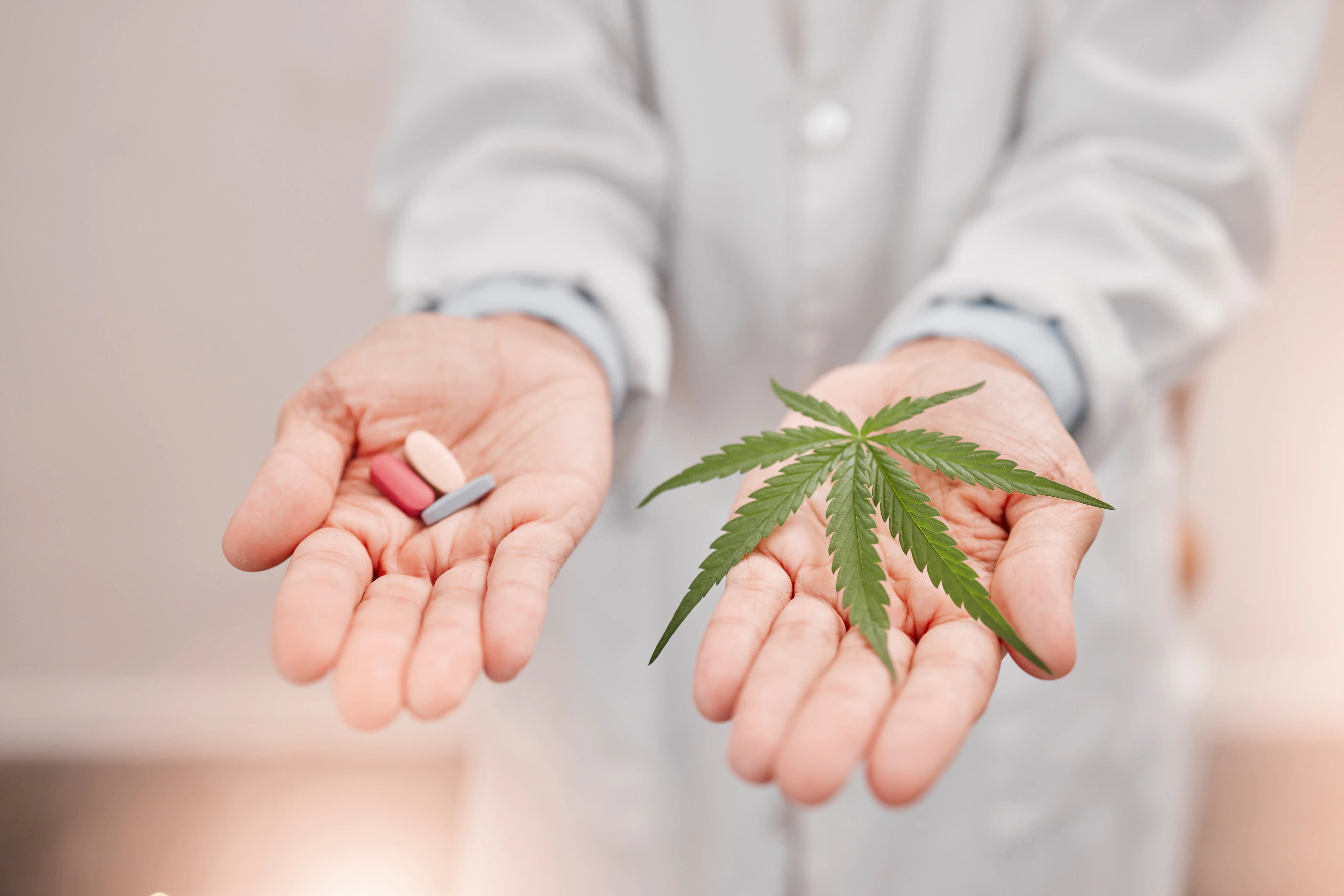
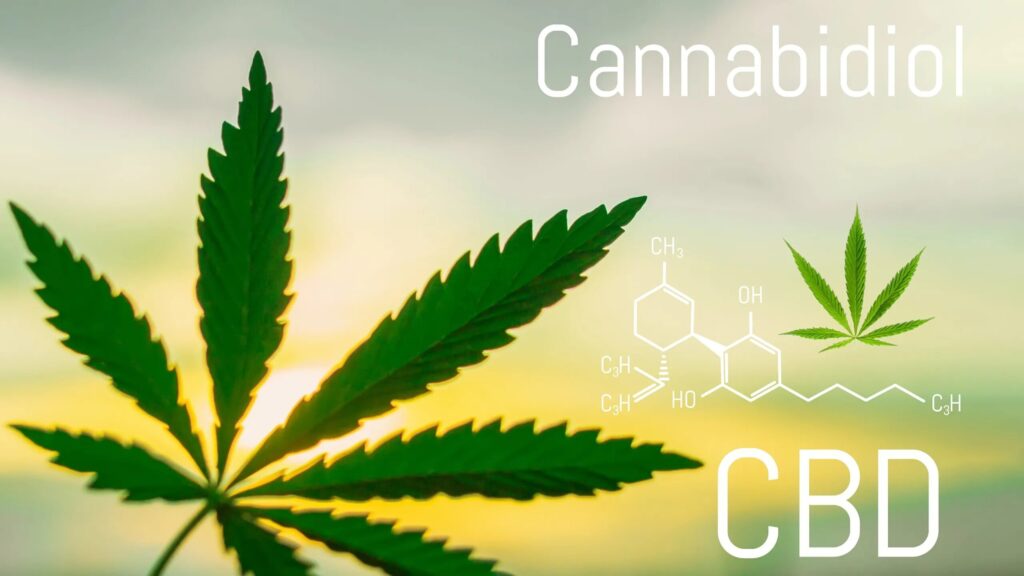
Recently, there has been increasing interest in exploring cannabidiol (CBD), a non-psychoactive compound from the cannabis plant, for its potential in managing symptoms of opioid withdrawal. Distinct from tetrahydrocannabinol (THC), the psychoactive component that produces the “high” associated with cannabis, CBD is recognized for its anti-inflammatory, pain-relieving, and anxiety-reducing properties.
Studies exploring the effectiveness of CBD in the context of opioid withdrawal have shown promising results. Research indicates that CBD may alleviate some of the acute symptoms associated with withdrawal, such as anxiety and insomnia. It may also play a role in reducing cravings for opioids, which is a significant factor in relapse. However, while preliminary findings are encouraging, more extensive and rigorous studies are necessary to fully understand the scope of CBD’s effectiveness in treating opioid withdrawal symptoms.
Furthermore, the use of CBD in the management of opioid addiction introduces considerations regarding dosage, administration, and potential interactions with other medications. Healthcare providers need to be well-informed and cautious when recommending CBD to ensure that it is used safely and effectively, particularly in individuals with complex health profiles or those taking multiple medications.
The exploration of CBD as a potential aid in opioid withdrawal is a reflection of the broader search for effective and safer alternatives to traditional opioid-based pain management strategies. As the opioid crisis continues to pose significant public health challenges, the development of alternative therapeutic options like CBD could be crucial in providing relief for those affected by opioid dependency, ultimately contributing to broader efforts to combat the epidemic of opioid misuse and addiction.
Uses of Opioids and Cannabidiol
Opioids are a class of drugs extensively utilized for their potent analgesic (pain-relieving) properties and are also recognized as psychoactive substances due to their effects on mood and consciousness. These drugs, including morphine, heroin, and prescription pain relievers such as oxycodone and hydrocodone, are typically prescribed to manage severe and chronic pain. However, the psychoactive effects of opioids and their high potential for dependency have resulted in widespread issues of abuse and addiction, contributing to a public health crisis across numerous regions globally.
Cannabidiol (CBD), a non-intoxicating compound from the cannabis plant, is gaining recognition for its potential therapeutic benefits across various medical conditions, particularly in managing opioid withdrawal. Unlike tetrahydrocannabinol (THC), which is another prominent compound from cannabis known for its euphoric effects, CBD does not induce a “high.” Its growing appeal is driven by its potential as an alternative therapeutic option, especially given the limited effectiveness and availability of conventional treatments for opioid addiction and withdrawal.
The human body’s endocannabinoid system, which includes receptors found throughout the body in areas such as the brain, organs, and tissues, plays a crucial role in regulating a range of functions, including pain, mood, appetite, and memory. CBD interacts with this system, particularly with CB1 and CB2 receptors, which may influence the body’s response to pain and stress. This interaction is a focal point in understanding how CBD may alleviate symptoms associated with opioid withdrawal.
Recent scientific studies have begun to explore the effectiveness of CBD in reducing the severity of withdrawal symptoms commonly experienced by individuals attempting to cease the use of opioids. These symptoms can include severe pain, anxiety, nausea, vomiting, diarrhea, and insomnia. Research suggests that CBD may help manage these symptoms by reducing inflammation, providing analgesic effects, and offering calming effects on the nervous system, which can be particularly beneficial in addressing anxiety and sleep disturbances.
Moreover, preliminary research indicates that CBD might reduce cravings for opioids, which is a significant challenge in the recovery process. The modulation of the endocannabinoid system by CBD could potentially alter the reward mechanisms induced by opioid use, thus playing a critical role in preventing relapse.
However, while the initial results are promising, further comprehensive studies are required to establish standardized dosages, understand long-term effects, and confirm the efficacy of CBD in the context of opioid withdrawal treatment. Additionally, clinical trials are necessary to provide robust data that will support regulatory decisions and guide clinical practices.
Given the complexity of opioid addiction and the challenges associated with withdrawal, the potential of CBD as a therapeutic tool offers hope. This highlights the necessity for a multidisciplinary approach to addiction treatment, encompassing advanced pharmacological methods, psychological support, and ongoing medical oversight. As research in this field progresses, there is optimism that CBD will emerge as a crucial element in effective strategies to address the opioid crisis and support individuals on their paths to recovery.
Research on Opioid Withdrawal and Cannabidiol

Cannabidiol (CBD) has garnered attention for its potential to alleviate the severity of withdrawal symptoms experienced during oxycodone cessation, such as gastrointestinal distress. These troubling symptoms can occur either as direct effects of naloxone use, which is commonly administered to reverse opioid overdoses or as inherent aspects of opioid withdrawal.
The impact of cannabis on opioid withdrawal has been explored in various naturalistic studies, which have often presented promising results. Many of these studies report that a significant number of individuals using cannabis to manage their withdrawal symptoms experienced noticeable reductions in anxiety, tremors, and sleep disturbances. This therapeutic effect has been observed with both short-term and long-term cannabis use. However, it is essential to acknowledge that some individuals have reported a worsening of certain symptoms, including yawning, tearful eyes, and a runny nose, when using cannabis.
Moreover, the utility of CBD is not limited to the management of withdrawal symptoms from oxycodone alone. Research suggests that CBD is effective in alleviating traditional symptoms of morphine withdrawal, such as wet shakes, diarrhea, abnormal postures, and other indicators of distress. These findings suggest that CBD may possess broad applicative potential across different types of opioid withdrawal.
Furthermore, increasing evidence supports that the effectiveness of CBD in diminishing withdrawal symptoms may be amplified when combined with delta-9-tetrahydrocannabinol (THC), the primary psychoactive ingredient in cannabis. The synergistic effects observed when CBD and THC are administered together may offer a more robust alleviation of withdrawal symptoms, leading to improved patient outcomes.
This body of research underscores the complexity of CBD’s interactions with opioid withdrawal symptoms and highlights the potential for cannabis-derived compounds to serve as effective adjunct therapies in the management of opioid dependence. The combination of CBD and THC, in particular, warrants further investigation to fully understand and harness their synergistic benefits in withdrawal management and opioid addiction treatment. The findings thus far point towards a nuanced, yet potentially transformative role for cannabinoids in mitigating the challenging journey of overcoming opioid addiction.
Prospects for Using Cannabidiol in Treating Opioid Dependence

The potential of cannabidiol (CBD) as a treatment for opioid withdrawal is an area of ongoing research, necessitating further investigation to establish dosing guidelines, understand long-term impacts, and determine its efficacy as either a primary treatment or a complementary therapy.
The absence of psychoactive effects in CBD, in contrast to tetrahydrocannabinol (THC), renders it an attractive choice for both patients and healthcare providers. This characteristic has significantly contributed to the growing interest in CBD as a unique compound for medical use.
The identification of the endocannabinoid system in the human body represented a breakthrough in comprehending the biological mechanisms that underlie the therapeutic potentials of substances derived from cannabis. This system’s role in regulating various physiological processes hints at the potential medical applications of cannabinoids like CBD.
While there is considerable optimism about CBD’s utility in treating opioid withdrawal, the scientific community remains cautious. The enthusiasm is tempered by the need for comprehensive data that can only be obtained through rigorous clinical trials. These studies are essential to determine the appropriate dosages, assess efficacy, and evaluate safety profiles for long-term use.
Moreover, further research is necessary to explore how CBD interacts with other medications. This includes understanding any potential adverse interactions and the implications of long-term CBD usage, which are critical to ensuring that CBD can be safely integrated into existing treatment paradigms for opioid dependence. This cautious, evidence-based approach will help solidify the role of CBD in medical practice, particularly in the context of treating addiction.
Overview of Opioid Withdrawal and Cannabidiol (CBD) Treatment

The integration of cannabidiol (CBD) into treatment protocols for opioid withdrawal is a complex process that hinges on several critical developments in both research and regulatory landscapes.
Firstly, the role of CBD in alleviating symptoms associated with opioid withdrawal is subject to the outcomes of current and future scientific investigations. These studies aim to establish definitive evidence regarding CBD’s efficacy and safety in treating opioid dependence. As research continues to unfold, it will provide the necessary empirical support to guide clinical practices and treatment methodologies involving CBD.
Secondly, the development of standardized and quality-controlled CBD products is essential for their safe and effective integration into medical treatments. Standardization ensures that CBD products are consistent in terms of potency and purity, which is crucial for administering precise dosages and reducing variability in patient responses. Quality control, on the other hand, ensures that these products are free from contaminants and adhere to stringent safety standards, thereby protecting patient health and enhancing treatment outcomes.
Thirdly, the evolution of regulatory frameworks plays a pivotal role in the adoption of CBD for clinical use. As cannabis-derived medicines increasingly gain acceptance, regulatory agencies are tasked with updating existing guidelines to accommodate these new treatments. This includes ensuring that CBD products meet medical-grade requirements and that their use is both legal and regulated appropriately within healthcare settings. The development of these frameworks will not only facilitate the clinical application of CBD but also ensure that its integration into treatment protocols is conducted within a safe and legally compliant environment.
The confluence of advancing research, stringent product standards, and accommodating regulatory policies is therefore critical for the successful incorporation of CBD into therapeutic regimes for opioid withdrawal. This multifaceted approach will enable healthcare providers to utilize CBD effectively, offering a potentially valuable tool in the fight against the opioid crisis.
Future Directions in Research and Development
As the opioid crisis continues to challenge public health systems worldwide, the potential role of cannabidiol (CBD) in managing opioid withdrawal and addiction presents a promising area for further research and development. Given the preliminary success of CBD in alleviating various withdrawal symptoms, extensive research is needed to validate its efficacy, optimize its use, and integrate it into mainstream addiction treatment protocols. This involves a series of structured research projects and clinical trials designed to address specific scientific and clinical questions.
1. Dose-Response Studies: One of the primary areas of research should focus on dose-response relationships. Future studies need to establish the optimal dosing regimens for CBD that are effective yet safe for patients undergoing opioid withdrawal. This involves determining the minimum effective dose that reduces withdrawal symptoms without causing adverse effects. These studies should also explore the effects of various CBD formulations and delivery methods, such as oils, capsules, and transdermal patches, to determine the most effective administration routes for treating withdrawal symptoms.
2. Longitudinal Clinical Trials: Long-term clinical trials are crucial to assess the sustained efficacy and safety of CBD in opioid withdrawal management. These trials should monitor patients over extended periods to evaluate the long-term benefits and potential risks of continuous CBD use. Outcomes of interest should include not only the immediate alleviation of withdrawal symptoms but also the impact on preventing relapse, reducing opioid cravings, and promoting long-term recovery.
3. Comparative Studies: Comparative studies should be conducted to directly compare CBD with existing treatments for opioid withdrawal, such as methadone and buprenorphine. These studies would help position CBD within the current treatment landscape by providing direct comparative data on efficacy, side effects, and patient preference. Understanding where CBD stands in comparison to established treatments could significantly affect its adoption and usage in clinical settings.
4. Mechanistic Studies: Research into the mechanisms by which CBD interacts with the neurological pathways involved in addiction and withdrawal is also essential. These studies should aim to elucidate the neurobiological processes affected by CBD, potentially revealing how it mitigates the effects of opioid withdrawal at a molecular level. Findings from these studies could pave the way for targeted treatments that are more effective and have fewer side effects compared to existing therapies.
5. Population-Specific Trials: Different populations may respond differently to CBD treatment based on genetic, environmental, or socio-economic factors. Therefore, conducting studies across diverse demographic groups is crucial. This includes age-specific studies to understand how CBD affects adolescents versus adults or elderly populations, as well as research focused on gender differences in response to CBD treatment.
6. Policy and Economic Impact Studies: Alongside clinical research, studies assessing the policy and economic impacts of integrating CBD into treatment protocols for opioid addiction are necessary. These studies should evaluate the cost-effectiveness of CBD compared to other treatments, potential healthcare savings, and the broader societal impacts, including reductions in crime and improvements in quality of life for recovered addicts.
7. Safety and Interaction Studies: Finally, rigorous safety studies and investigations into potential drug-drug interactions are essential. Given that many individuals receiving treatment for opioid addiction may also be on other medications, it is crucial to understand how CBD interacts with these drugs to ensure the safety of the patients.
In conclusion, the future research agenda for CBD in the field of addiction medicine should be comprehensive, multi-disciplinary, and aimed at thoroughly understanding not only the therapeutic potential of CBD but also its broader implications for patients, healthcare systems, and society. These initiatives will necessitate collaborative efforts among clinical researchers, pharmacologists, policymakers, and additional stakeholders within the healthcare community.
Patient Safety and Monitoring Protocols
Ensuring patient safety and optimizing therapeutic outcomes are paramount when integrating cannabidiol (CBD) into treatment protocols for opioid withdrawal. Given the intricate nature of opioid dependence and the diverse responses to CBD, it is crucial to establish comprehensive patient safety and monitoring protocols. These protocols should be comprehensive, encompassing initial assessments, continuous monitoring, dosage management, and addressing potential interactions with other medications.
1. Initial Patient Assessment: Before initiating CBD treatment, a thorough patient assessment is crucial. This assessment should encompass a thorough medical history, an analysis of current opioid usage and withdrawal experiences, and a complete evaluation of any other medications and supplements the patient is currently using. The purpose of this assessment is to identify any potential risks and contraindications for CBD use. Healthcare providers should evaluate liver function and other relevant health indicators, as these can affect the metabolism and overall safety of CBD treatment.
2. Development of Individualized Treatment Plans: Based on the initial assessment, clinicians should develop a personalized treatment plan that specifies the CBD formulation, dosage, and administration route. This plan must consider the patient’s specific circumstances, including the severity of withdrawal symptoms, previous withdrawal experiences, and overall health condition. The treatment plan should explicitly define the objectives of CBD therapy, which might include alleviating particular withdrawal symptoms, reducing cravings for opioids, or addressing concurrent conditions such as anxiety or chronic pain.
3. Dosing Protocols: Establishing precise dosing protocols is critical. Begin with a low dosage and incrementally increase it based on the patient’s reaction to minimize the potential for side effects. Regular assessments are necessary to determine the effectiveness of the prescribed dose and to make any needed adjustments. Dosing decisions should be guided by a balance between efficacy and the minimization of adverse effects, with continuous adjustments as withdrawal symptoms change over time.
4. Continuous Monitoring and Reporting: Continuous monitoring of the patient’s response to treatment is essential. This includes tracking the alleviation of withdrawal symptoms and monitoring for any adverse reactions or side effects from CBD. Healthcare providers should implement a standardized monitoring framework, which includes regular follow-up appointments, symptom tracking, and possibly remote health monitoring technologies. Patients should be urged to promptly report any changes in their symptoms or any side effects they experience.
5. Managing Potential Drug Interactions: Given the pharmacological complexity of CBD, special attention should be paid to its potential interactions with other medications. This consideration is especially critical for patients who may be taking other prescribed medications for opioid addiction or associated health conditions. Pharmacists and healthcare providers should collaborate closely to ensure that CBD therapy aligns with other ongoing treatments, making dosage adjustments as needed to prevent interactions.
6. Education and Support for Patients: Educating patients about the use of CBD, its potential benefits, and possible side effects is crucial. Proper patient education is essential for improving adherence to treatment protocols and enabling patients to actively engage in their recovery journey. Additionally, incorporating psychological support and counseling into the treatment regimen is vital for addressing the emotional and behavioral challenges associated with opioid withdrawal.
7. Emergency Protocols: Emergency protocols should be established in case of severe adverse reactions or CBD interactions. These protocols should include immediate actions to be taken by healthcare providers, steps for patient stabilization, and criteria for possible hospitalization if necessary.
8. Data Collection and Analysis: Implementing a protocol for data collection and analysis can help in understanding the broader impacts of CBD use in opioid withdrawal management. This data can provide insights into effective dosing, patient responses, long-term outcomes, and safety issues, contributing to improved treatment protocols and patient outcomes over time.
In summary, patient safety and monitoring protocols are essential components of incorporating CBD into the treatment of opioid withdrawal. These protocols require a multi-disciplinary approach involving careful planning, patient education, and close monitoring to ensure safety and efficacy, ultimately helping patients navigate the challenges of opioid withdrawal with the support of CBD therapy.
