Table of Contents
Guard Dawg is a potent and highly regarded hybrid cannabis strain known for its impressive therapeutic benefits, as well as its ability to provide users with a euphoric yet relaxing experience. This strain has a distinct flavor profile and aroma, which makes it popular among both medical and recreational users. It has garnered attention for its balanced effects, offering a combination of physical relaxation and mental euphoria.
In this detailed guide, we will explore the Guard Dawg cannabis strain, focusing on its genetic background, chemical composition, recreational and medical uses, as well as its potential side effects.
Genetic Background and History
Guard Dawg is a hybrid cannabis strain that originates from the crossing of two well-known cannabis strains: Chemdawg and OG Kush. Both parent strains are revered in the cannabis community for their potency and strong effects.
- Chemdawg: Known for its diesel-like aroma and intense effects, Chemdawg is a legendary strain that has contributed to numerous hybrids. It is highly regarded for its cerebral high, which is both euphoric and mentally stimulating, while also providing strong physical relaxation.
- OG Kush: OG Kush is one of the most iconic strains in the world of cannabis. Known for its pungent, earthy, and citrusy aroma, OG Kush is often praised for its balanced effects, offering a sense of relaxation and euphoria without feeling overly sedative.
Guard Dawg combines the best traits of these two parent strains, resulting in a hybrid that typically leans slightly toward the Indica side of the spectrum. This blend offers both mental stimulation and physical relaxation, making it an appealing choice for many cannabis enthusiasts.
Chemical Composition
The chemical profile of Guard Dawg is characterized by its high THC content, which can range between 20-27%. The strain may also contain moderate levels of CBD, usually around 0.1-0.5%, depending on the specific cultivation and growing conditions. The balance between THC and CBD is responsible for its diverse effects, ranging from deep relaxation to enhanced mental clarity.
- THC: The primary psychoactive compound in Guard Dawg, THC is responsible for the euphoric, uplifting high that users experience. Its potency can induce intense cerebral effects, accompanied by physical relaxation. THC also has significant medical uses, as it can alleviate pain, reduce inflammation, and improve mood.
- CBD: While the CBD content in Guard Dawg is relatively low, it still plays an important role in modulating the effects of THC. CBD can temper some of the more intense psychoactive effects of THC, promoting a more balanced experience. CBD also offers its own therapeutic benefits, including anti-inflammatory properties and anxiety reduction.
- Terpenes: Guard Dawg’s distinct aroma is largely attributed to its terpene profile. The most prominent terpenes in Guard Dawg include:
- Caryophyllene: Known for its spicy, peppery scent, caryophyllene offers anti-inflammatory and analgesic properties.
- Limonene: This citrus-scented terpene is associated with mood enhancement and anti-anxiety effects.
- Myrcene: Myrcene has an earthy, musky aroma and is believed to contribute to the strain’s sedative effects, especially in higher concentrations.
Appearance and Aroma
Guard Dawg buds are dense, tightly packed, and often covered in a layer of trichomes, which give the buds a frosty appearance. The flowers are typically bright green with orange pistils, creating a visually appealing contrast. The buds are often large and chunky, showcasing the hybrid nature of the strain.
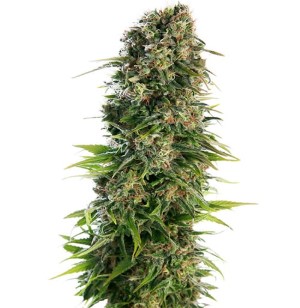
The aroma of Guard Dawg is distinct and potent, characterized by earthy, diesel-like notes that are complemented by hints of citrus and spice. This combination of aromas comes from its Chemdawg and OG Kush parentage. When smoked or vaporized, Guard Dawg produces a smooth, flavorful smoke that is both rich and pungent.
Recreational Uses
Guard Dawg is widely enjoyed for its balanced effects, which make it suitable for various recreational occasions. Its effects can be divided into two primary phases: a mental euphoria followed by deep physical relaxation.
- Mental Stimulation and Euphoria: Initially, users often experience a cerebral rush, with increased mental clarity and a sense of upliftment. The high can lead to heightened creativity and a positive, relaxed mood. This makes Guard Dawg ideal for activities such as social gatherings, creative endeavors, or enjoying music.
- Physical Relaxation: As the initial heady effects subside, users will often feel a strong physical relaxation taking over the body. This can manifest as a mellow, slightly sedative effect that is not overly intense. Guard Dawg is often considered a good strain for unwinding at the end of the day, as it helps relieve tension in both the body and mind.
- Ideal for Evening Use: Guard Dawg’s combination of mental stimulation and physical relaxation makes it ideal for evening use. It allows users to relax without feeling overly sedated, striking a balance between activity and relaxation.
Medical Uses
Guard Dawg is a versatile strain that offers various medical benefits due to its balanced chemical profile. It is particularly useful for patients dealing with stress, anxiety, chronic pain, and insomnia. Here are some of the primary medical uses of Guard Dawg:

- Stress and Anxiety Relief: The euphoric and uplifting effects of Guard Dawg can help users manage stress and anxiety. The initial mental rush offers a sense of happiness and well-being, while the subsequent relaxation promotes a calm, peaceful state. The presence of CBD in Guard Dawg also contributes to its anxiety-reducing properties.
- Chronic Pain Relief: Guard Dawg’s moderate THC levels make it a suitable strain for those dealing with chronic pain conditions. The physical relaxation that accompanies the high can help alleviate muscle tension, joint pain, and general aches. Additionally, the strain’s anti-inflammatory properties may help reduce swelling and inflammation.
- Insomnia Treatment: Guard Dawg is known for its ability to promote deep relaxation, making it good for individuals suffering from insomnia or other sleep-related issues. The sedative effects of this strain can help users fall asleep more easily and stay asleep throughout the night, especially when consumed in larger quantities.
- Mood Enhancement and Depression: Guard Dawg’s mood-enhancing properties make it useful for individuals suffering from depression or other mood disorders. The strain’s uplifting effects can help boost serotonin levels, providing a natural, albeit temporary, boost in mood.
- Appetite Stimulation: Like many cannabis strains, Guard Dawg can stimulate appetite, making it beneficial for patients undergoing chemotherapy or dealing with conditions that cause a loss of appetite. The strain’s ability to promote hunger can help maintain healthy eating habits and prevent weight loss.
Potential Side Effects
- Dry Mouth (Cottonmouth): Like most cannabis strains, Guard Dawg can cause dry mouth. This can be mitigated by staying hydrated and drinking water before and after consumption.
- Dry Eyes: Some users may experience dry or red eyes, which is another common side effect of cannabis use. Over-the-counter eye drops can help alleviate this discomfort.
- Paranoia and Anxiety: While Guard Dawg is typically known for its anxiety-relieving effects, some users, especially those prone to anxiety or paranoia, may experience heightened feelings of anxiety or unease, particularly when consuming high doses of THC.
- Dizziness or Headache: In some cases, especially with higher doses, Guard Dawg may cause dizziness or headaches. By beginning with a low dose and progressively increasing it as necessary, this is typically preventable.
- Couch Lock: Although Guard Dawg is not typically considered an overly sedative strain, some users may experience “couch lock” or an overwhelming feeling of relaxation, which can make it difficult to engage in physical activities.
Growing Guard Dawg Cannabis
The cultivation of Guard Dawg cannabis, like any cannabis strain, requires understanding the optimal environmental conditions and applying proper growing techniques to maximize yield, quality, and potency. As Guard Dawg is a hybrid with specific characteristics inherited from its parent strains (Chemdawg and OG Kush), it requires a balance of factors that suit both indica and sativa influences. Below, we will delve into the scientific aspects of cultivating Guard Dawg, focusing on environmental control, plant biology, and cultivation techniques.
1. Genetics and Phenotype Expression
Guard Dawg’s genetic makeup, inherited from Chemdawg and OG Kush, is key to its growth patterns and cannabinoid production. Cannabis plants express a wide range of phenotypic variations due to genetic factors and environmental conditions. The two parent strains provide Guard Dawg with a hybrid nature, offering both indica and sativa traits.
- Indica Traits: Guard Dawg tends to have a more compact structure, with bushy foliage, thicker leaves, and shorter internodes compared to sativa-dominant strains. This compact structure is indicative of the indica genetics and requires careful attention to plant training techniques to ensure light penetration and airflow.
- Sativa Traits: The sativa genetics in Guard Dawg can sometimes lead to taller plants, depending on the specific phenotype. The sativa influence can also affect the growth pattern, requiring the grower to manage the height of the plant during its vegetative stage to avoid excessive vertical growth.
2. Environmental Conditions
Guard Dawg thrives in controlled environments, whether grown indoors or outdoors. However, environmental factors need to be carefully controlled for optimal growth and development.
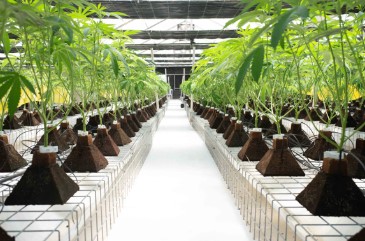
Indoor Cultivation
- Temperature: Ideal temperatures for Guard Dawg range from 70°F to 85°F (21°C to 29°C) during the day, with a slight drop to 65°F to 75°F (18°C to 24°C) during the night. This fluctuation helps mimic natural environmental conditions and supports optimal growth.
- Humidity: During the vegetative stage, humidity should be maintained around 50% to 60%, with a slight decrease to 40% to 50% during the flowering stage. Lower humidity in the flowering phase prevents mold and mildew growth, which can be problematic for dense buds like those of Guard Dawg.
- Light: Guard Dawg, like most cannabis plants, requires a 12/12 light cycle to trigger flowering. During the vegetative stage, a 18/6 light cycle is recommended for strong growth. Light intensity is critical for promoting photosynthesis and the synthesis of cannabinoids. High-Pressure Sodium (HPS) and Metal Halide (MH) lights are commonly used for their high light output and spectrum range suitable for cannabis growth.
- CO2 Levels: In a controlled indoor environment, CO2 enrichment can be applied to increase the rate of photosynthesis, leading to faster growth and larger yields. CO2 levels of 1200-1500 ppm can significantly enhance plant growth during the vegetative stage.
Outdoor Cultivation
- Climate: Guard Dawg thrives in warm, sunny climates, with temperatures ranging between 70°F and 85°F (21°C to 29°C) during the growing season. It requires long periods of sunlight for proper photosynthesis and flowering. Guard Dawg can be successfully grown outdoors in regions with Mediterranean-like climates, such as California or parts of the Mediterranean region.
- Soil Composition: Guard Dawg requires well-drained, nutrient-rich soil. A loamy soil with a pH range of 6.0-7.0 is ideal. Compost and worm castings are examples of organic additions that can increase soil fertility and provide necessary micronutrients.
- Watering: Guard Dawg, like many cannabis strains, is sensitive to overwatering. It requires moderate watering, and the soil should be allowed to dry out between waterings to prevent root rot. Draining excess water is crucial for avoiding fungal diseases.
- Air Circulation: Outdoor growers must ensure that Guard Dawg plants receive adequate airflow to avoid mold and mildew, especially during flowering. Proper spacing between plants is necessary to allow air circulation, particularly in humid climates.
3. Cannabinoid and Terpene Production
Guard Dawg is known for its potent cannabinoid content, which is primarily determined by its genetic makeup. However, environmental conditions and cultivation techniques can significantly influence the final cannabinoid profile. Specifically, THC, CBD, and terpene profiles are heavily influenced by factors like temperature, light exposure, and cultivation techniques.
Cannabinoid Production
- THC Content: The high THC content in Guard Dawg is genetically predetermined, but it can be influenced by environmental factors. Light intensity is one of the most important factors in THC production. Cannabis plants synthesize THC through a biochemical pathway involving UV light exposure. Increasing light intensity can encourage the production of more trichomes, which house the THC, and thus increase potency.
- CBD Production: CBD is produced in smaller quantities in Guard Dawg compared to THC. However, the strain’s low CBD content still contributes to the overall balance of its effects. Like THC, CBD levels are influenced by environmental conditions, though the effects of CBD are more apparent when combined with higher THC content.
Terpene Production
Terpenes are fragrant substances that give cannabis its flavor and scent. The terpene profile of Guard Dawg is largely influenced by environmental factors such as temperature, humidity, and light exposure. Some of the most prominent terpenes in Guard Dawg include caryophyllene, limonene, and myrcene.
- Caryophyllene: This terpene has anti-inflammatory and analgesic effects, contributing to Guard Dawg’s therapeutic properties. High temperatures during the flowering phase can help produce a more potent caryophyllene profile.
- Limonene: Known for its citrusy aroma, limonene has mood-enhancing properties and may help with anxiety. Proper light intensity and temperature can help optimize its production.
- Myrcene: Myrcene is known for its relaxing, sedative effects, which complement the physical relaxation induced by Guard Dawg. Myrcene is produced more efficiently when plants are grown in slightly warmer conditions, but excessive heat can lead to the evaporation of terpenes, reducing their potency.
4. Training Techniques for Guard Dawg
Topping and Fimming
- Topping involves cutting off the top growth of the plant to encourage lateral growth and create multiple colas (flowering tops). This can result in a bushier plant and higher yields.
- Fimming is a similar technique but involves pinching the top of the plant rather than cutting it. This method encourages the growth of several new stems from the same node.
Low-Stress Training (LST)
- Low-stress training (LST) involves bending the plant’s branches gently and securing them in place to encourage horizontal growth. This method ensures that the plant receives light evenly across the canopy, leading to higher bud production. LST is especially effective for Guard Dawg due to its indica-dominant structure, as it prevents the plant from becoming too bushy or compact, allowing better airflow.
Screen of Green (SCROG)
- SCROG is a technique where a mesh screen is used to train plants to grow horizontally. This method allows the plant to spread out and utilize the available light more effectively. SCROG is particularly effective for indoor growers looking to maximize yield while keeping the plant’s height manageable.
Pruning
- Pruning involves cutting away dead or unproductive leaves and stems to improve airflow and light penetration to the buds. By removing lower branches that do not receive enough light, the plant can focus its energy into creating bigger, stronger blooms.
5. Harvesting and Post-Harvest
- Trichome Inspection: Growers should monitor the trichomes (the resinous glands where cannabinoids and terpenes are produced) under a magnifying glass. Trichomes should be cloudy with some amber-colored trichomes for optimal potency.
- Drying and Curing: After harvest, Guard Dawg buds should be hung to dry in a controlled environment with temperatures between 60°F and 70°F (15°C to 21°C) and humidity around 50%. After drying, curing the buds in glass jars for several weeks can enhance the taste, scent, and general smoke smoothness.
Conclusion
Guard Dawg is a highly versatile cannabis strain that appeals to both medical and recreational users due to its balanced effects, pleasant aroma, and therapeutic benefits. Whether you’re seeking stress relief, pain management, or a relaxing evening, Guard Dawg is an excellent choice. With its distinct blend of Chemdawg and OG Kush genetics, it provides a well-rounded euphoric that promotes both physical and mental relaxation.
As with all cannabis strains, it is important to use Guard Dawg responsibly and be mindful of potential side effects, especially if you’re new to cannabis or sensitive to THC. If you are considering using Guard Dawg for medical purposes, it is always recommended to consult with a healthcare professional to ensure it is the right choice for your needs.
For a complete directory of cultivars, visit our Cannabis Strain Reviews.
