Get 15% OFF with code GROWNOW15
My Account Order Lookup Cannabis Guides Beginner Seeds Intermediate Seeds Master Seeds

Growing

s963o1blGrowing

Organic vs. Synthetic Nutrient Solutions for Soilless Mediums.

Organic vs. Synthetic Nutrient Solutions for Soilless Mediums 1. Introduction Medical cannabis cultivation plays a crucial role in producing therapeutic products used to treat conditions such as chronic pain, epilepsy, anxiety disorders, and various forms of cancer. With growing interest in precision-based cultivation methods, soilless growing mediums such as coco coir, perlite, and rock wool have become increasingly popular in medical cannabis production. Soilless systems provide several advantages, including increased control over environmental variables and nutrient availability. This setup is ideal for the precise management required in medical cannabis cultivation. Choosing between organic and synthetic nutrient solutions is a pivotal decision in this process, as each offers distinct benefits and challenges. This detailed discussion will examine how these nutrient solutions work in soilless systems, their effects on plant growth, and their impact on cannabinoid and terpene profiles essential for medical-grade cannabis.
39bphkpjGrowing

CBC (Cannabichromene) in Medical Cannabis.

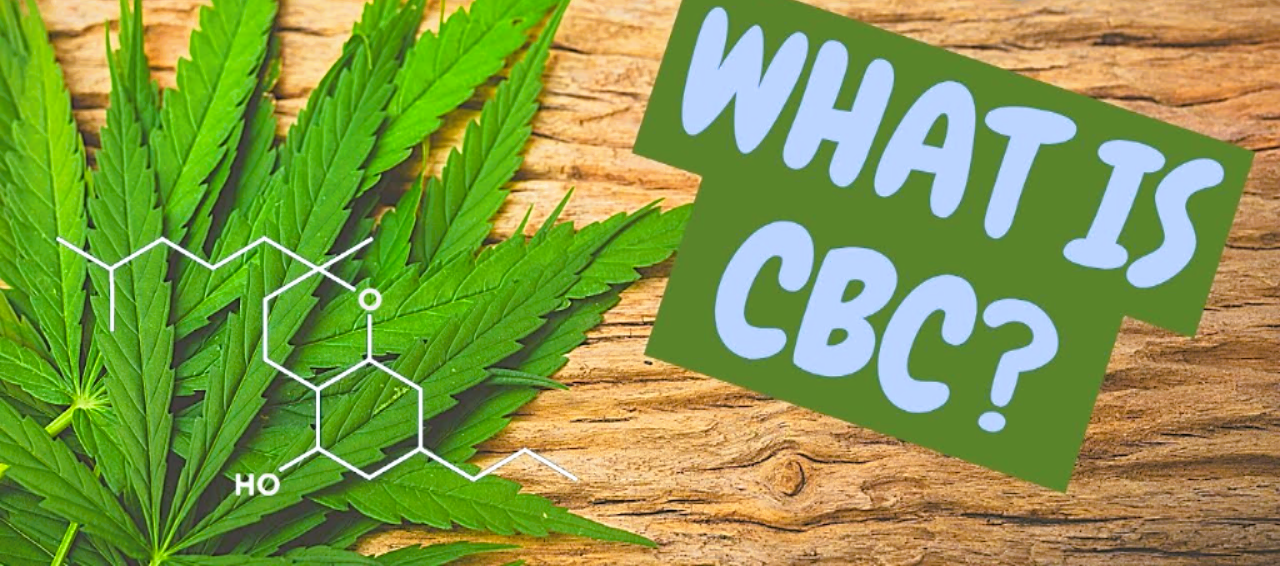
Cannabichromene (CBC): An Emerging Therapeutic Cannabinoid Cannabichromene (CBC) is a phytocannabinoid that, while often overshadowed by THC and CBD, is increasingly recognized for its unique therapeutic potential in medical cannabis. Derived from CBGA (cannabigerolic acid), CBC is synthesized in the cannabis plant through an enzymatic process that also creates other prominent cannabinoids. Unlike THC, CBC is non-psychoactive, making it suitable for medical use without intoxicating effects, which can be particularly beneficial for patients requiring cognitive clarity. The pharmacology of CBC, its distinct modes of action, and its potential for treating a variety of illnesses will all be covered in this article.
CBGGrowing

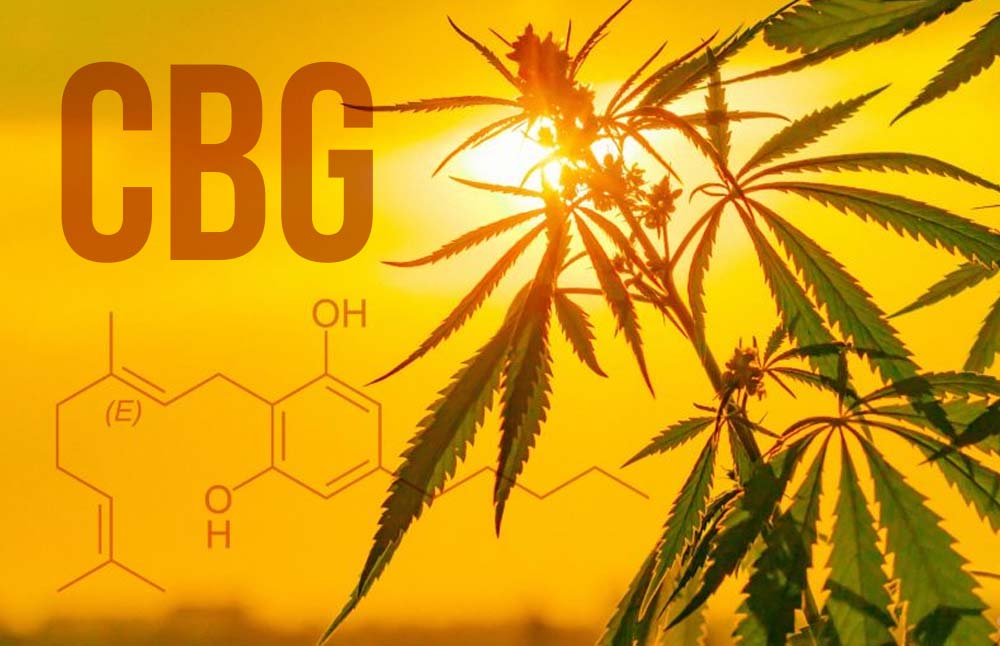
CBG (Cannabigerol) in Medical Cannabis.

Cannabigerol (CBG) in Medical Cannabis: A Comprehensive Review of Therapeutic Benefits Abstract This paper examines the emerging therapeutic potential of Cannabigerol (CBG), a non-psychoactive cannabinoid found in cannabis that has garnered significant interest in recent years. Often overshadowed by THC and CBD, CBG is uniquely positioned as a precursor to several cannabinoids and offers a broad range of medical applications without psychoactive side effects. This review details CBG’s pharmacological profile, highlighting its interactions with the endocannabinoid system and exploring its promising role in managing inflammation, neurodegenerative disorders, pain, mood regulation, and cancer.
maxresdefault 18Growing

Top-Dressing Soil with Organic Fertilizers for Medical Cannabis.

Top-Dressing Soil with Organic Fertilizers for Medical Cannabis: A Comprehensive Guide Introduction As medicinal cannabis gains acceptance for therapeutic uses, the demand for high-quality, consistent, and pure cannabis products is more crucial than ever. The method of top-dressing with organic fertilizers offers a practical, sustainable way to nourish medical cannabis plants, meeting the distinct needs of each growth stage while preserving soil health. In particular, organic fertilizers promote a healthy soil microbiome, which plays a key role in maximizing the plant’s medicinal properties. This guide explores the principles, practices, and advantages of using organic top-dressing methods for cultivating medicinal cannabis, a practice aimed solely at therapeutic applications without regard to recreational use.
Nano CBDGrowing

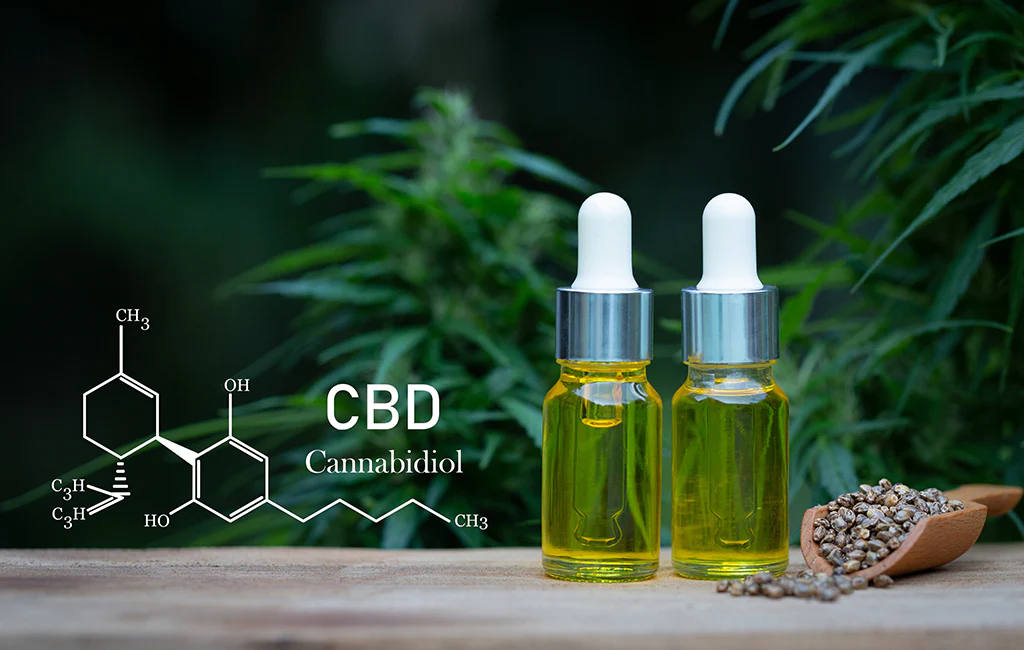
CBD (Cannabidiol) in Medical Cannabis.

Cannabidiol (CBD) in Medical Cannabis: Therapeutic Applications and Evidence-Based Review Abstract Cannabidiol (CBD) is a key non-psychoactive compound derived from the cannabis plant, increasingly recognized for its broad therapeutic potential without inducing the “high” associated with THC. This review explores CBD’s pharmacological mechanisms, potential as a treatment for various conditions, and evidence from scientific studies supporting its use in managing neurological disorders, chronic pain, mental health conditions, inflammatory diseases, metabolic issues, and more. The focus will be on CBD’s therapeutic effects, emphasizing …
42d975cf aaf3 47c7 b95f 1db0e8ab3b38Growing

PGR Weed and Medical Cannabis.

Introduction to PGR Weed and Medical Cannabis The therapeutic benefits of medical cannabis have attracted a lot of interest. It consists of cannabinoids like THC (tetrahydrocannabinol) and CBD (cannabidiol), which work with the body’s endocannabinoid system to provide relief from various ailments, such as chronic pain, epilepsy, and multiple sclerosis. Medical cannabis products are often standardized, regulated, and tested for quality to ensure safe use for patients. On the other hand, PGR weed, or cannabis grown with synthetic plant growth regulators (PGRs), …
Growing

What Are Those Hairs (Pistils) on Cannabis?

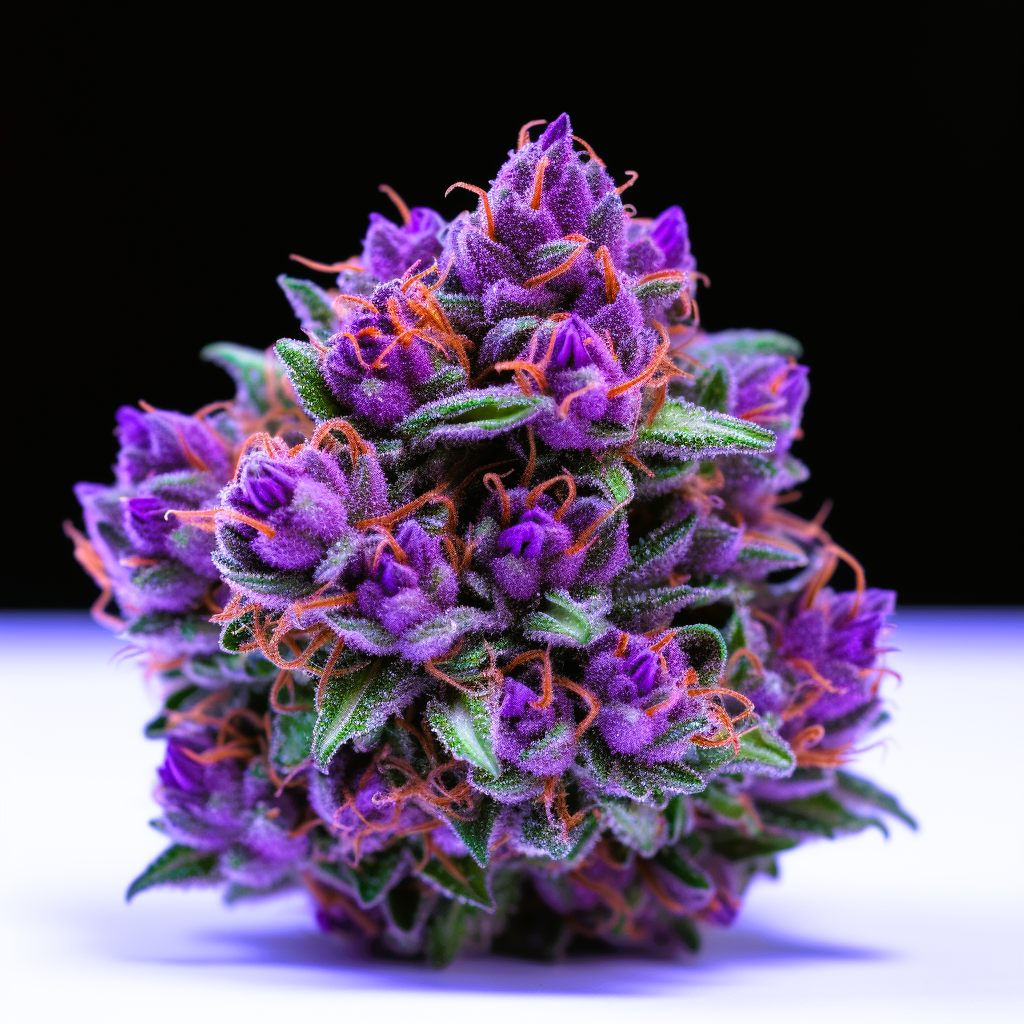
Cannabis Pistils: What Are Those Hairs on Cannabis? Cannabis pistils, often recognized as the tiny, hair-like structures on the buds, play an essential role in the plant's reproductive system. These pistils are commonly known as "hairs," but their importance goes far beyond aesthetics. In terms of medical cannabis use, pistils are a crucial indicator of the plant’s growth stage, potency, and the overall quality of the crop, which can directly influence the therapeutic effectiveness of cannabis. By exploring pistils' biology, development …
0x0 1Growing

THC (Δ9-tetrahydrocannabinol) in Medical Cannabis.

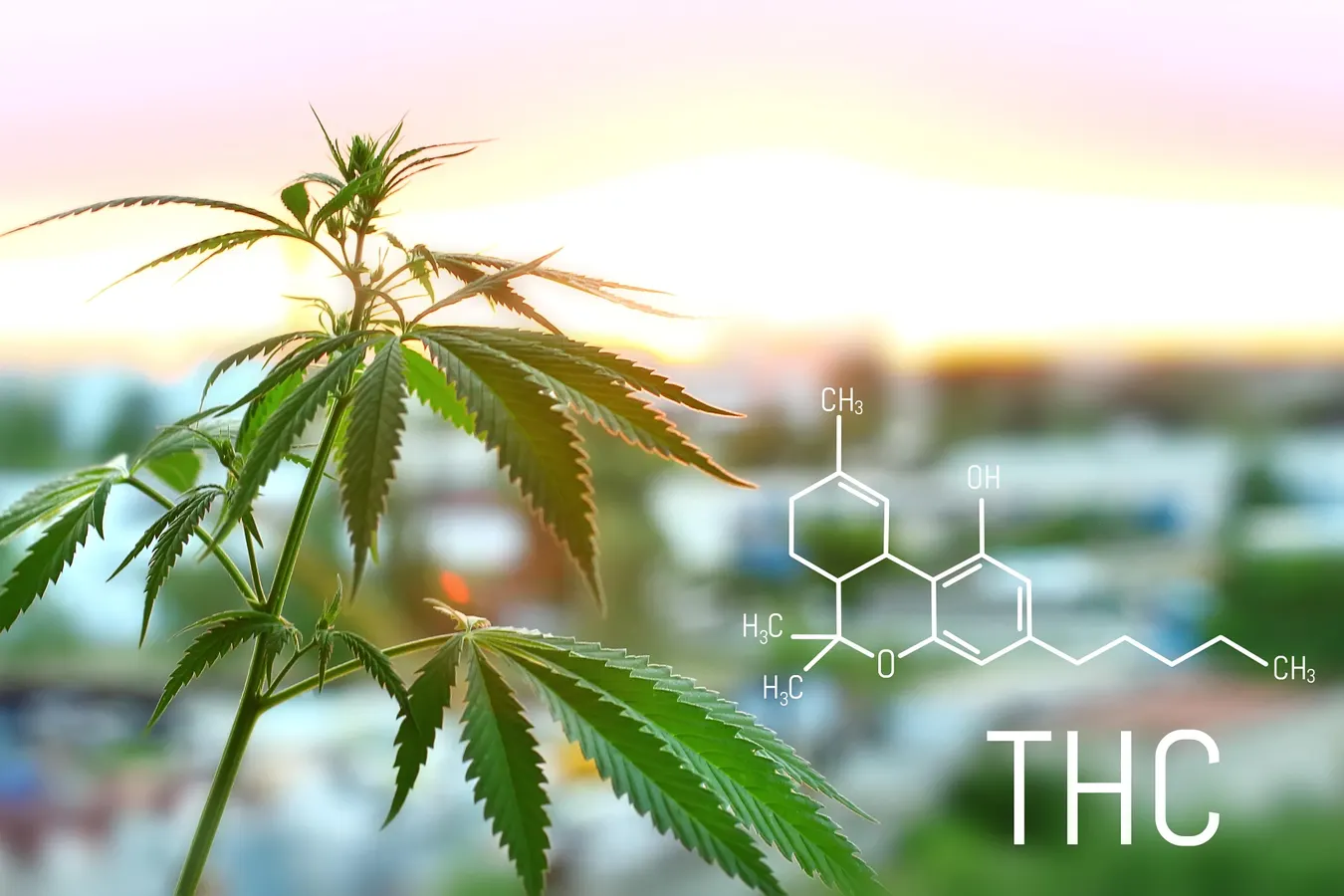
Introduction Δ9-tetrahydrocannabinol (THC) is one of over 100 cannabinoids identified in the Cannabis sativa plant. As the primary psychoactive compound, THC is often recognized for its effects on mood, consciousness, and perception. However, its therapeutic applications have gained significant attention in modern medicine, particularly as researchers uncover how THC interacts with the endocannabinoid system (ECS). This unique interaction allows THC to exert anti-inflammatory, analgesic, antiemetic, and appetite-stimulating properties, among others. Today, THC is used in medical settings to treat chronic pain, nausea, spasticity, and a variety of other symptoms, marking a transformative shift in how certain conditions are managed.
wd3fkrpaGrowing

Pheno-Hunting for Medical Cannabis.

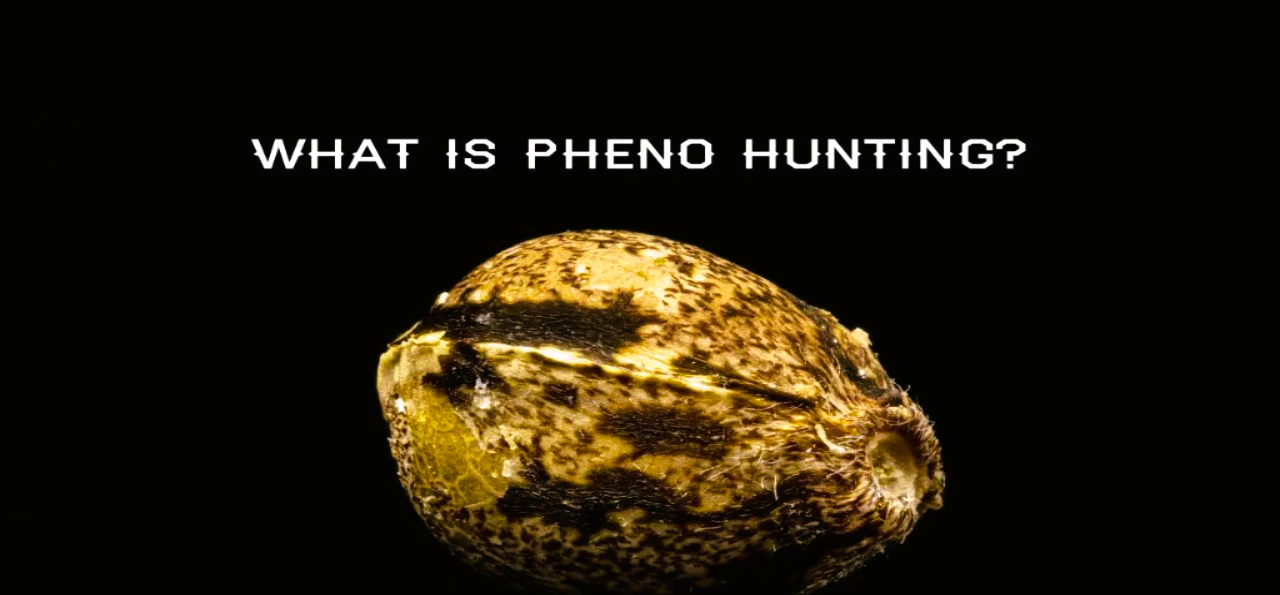
Pheno-Hunting for Medical Cannabis Pheno-hunting, or phenotypic selection, is a critical process in the cultivation and development of medical cannabis. This meticulous approach is driven by the need to discover and cultivate strains of cannabis that deliver consistent, specific therapeutic benefits. Unlike recreational cannabis, where the focus may lean toward high THC levels or novel sensory experiences, medical cannabis requires a focus on cannabinoids, terpenes, and other compounds that can provide targeted relief for various medical conditions. By carefully selecting, cross-breeding, …
The Difference Between Shatter andGrowing

Mediums for Producing Resinous Cannabis for Medical Extracts.

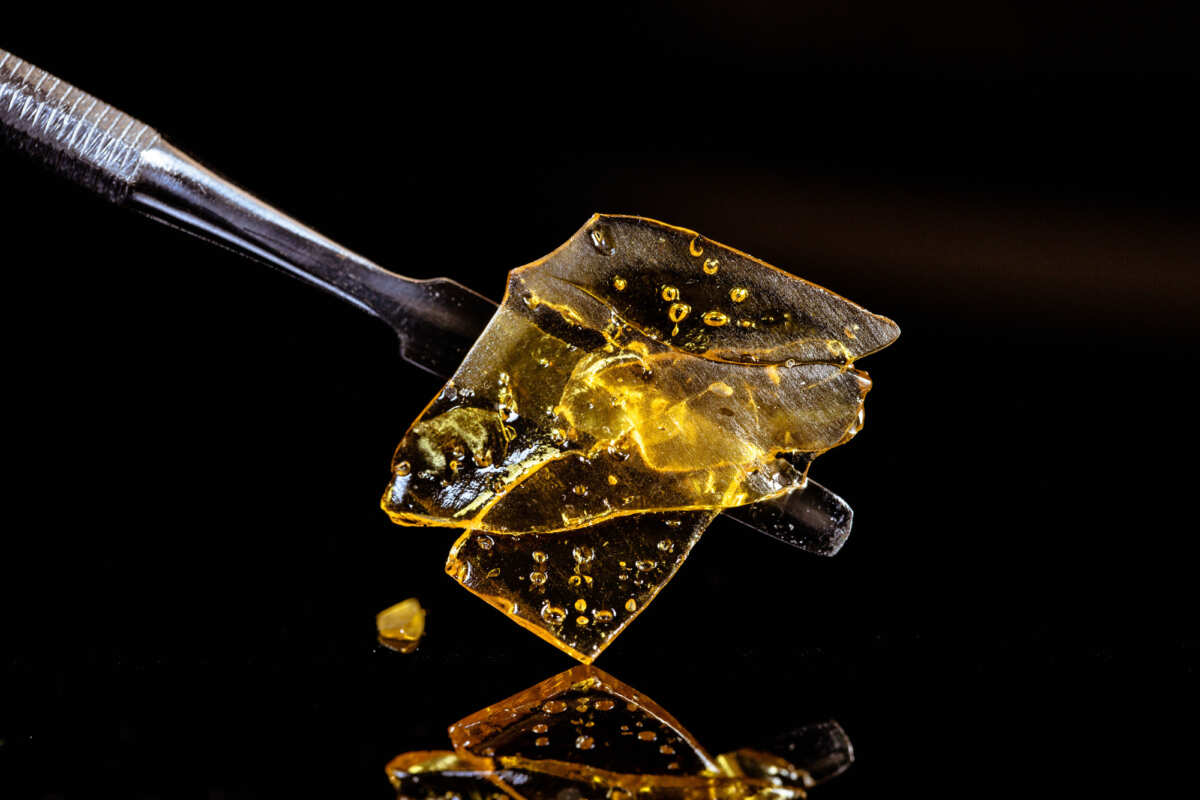
1. Introduction Producing high-quality resinous cannabis for medical purposes requires precise cultivation techniques. Medical cannabis relies on potent extracts derived from plant resin, which is rich in cannabinoids and terpenes—the compounds responsible for the plant’s therapeutic effects. Selecting the right medium plays a crucial role in enhancing resin production, as each medium affects plant health, growth rate, and cannabinoid content differently. This guide is focused solely on the cultivation techniques for medical use, excluding recreational use and consumption methods. By the …
0i9ml98oGrowing

Growing Mediums for Organic Medical Cannabis Certification.

Growing Mediums for Organic Medical Cannabis Certification The cultivation of organic medical cannabis demands precision, expertise, and a focus on patient health. For medical cannabis, producing a high-quality crop with optimal medicinal properties is critical, and choosing the right growing medium is one of the most crucial decisions in the cultivation process. A growing medium acts as the foundation upon which cannabis plants draw nutrients, oxygen, and water. The right medium can enhance the therapeutic value of the cannabis plant, directly …
f1lufmueGrowing

Impact of Growing Mediums on Yield and Potency.

Impact of Growing Mediums on Yield and Potency in Medical Cannabis Cultivation Introduction The cultivation of medical cannabis has become a highly precise science as its therapeutic benefits gain global acceptance. Key to ensuring optimal quality, potency, and yield of its medicinal compounds, such as cannabinoids (THC, CBD) and terpenes, is the choice of growing medium. The growing medium supports roots and delivers nutrients, directly influencing plant health, growth, and the concentration of therapeutic compounds. This paper examines various growing mediums used in medical cannabis cultivation and their impact on yield and potency.