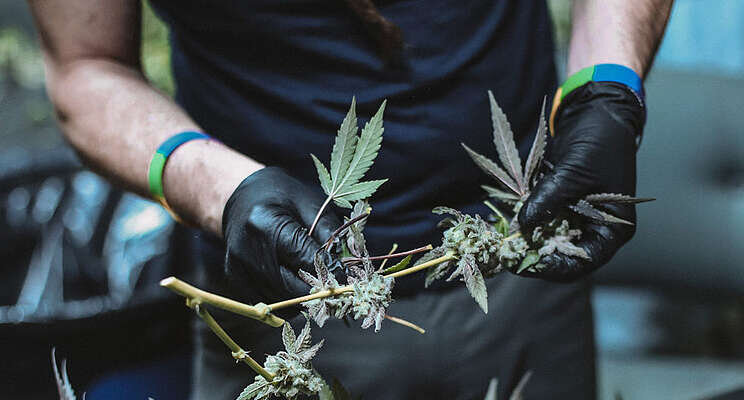
Growing Techniques for Cannabis
Cannabis cultivation has become increasingly sophisticated as both recreational and medicinal markets expand. Successful cannabis cultivation requires understanding the plant’s needs and choosing the right growing techniques. This guide explores various growing methods, environmental controls, and best practices to ensure a healthy and bountiful harvest.
1. Growing Methods
A. Soil Growing
Soil growing is the most traditional method for cultivating cannabis. It involves planting cannabis in nutrient-rich soil, which provides a natural medium that supports healthy growth.
- Pros:
- Easier for beginners due to its forgiving nature.
- Provides a natural buffer against pH fluctuations and nutrient imbalances.
- Enhances flavor due to the diverse microbial life.
- Cons:
- Pests and diseases are more common.
- Slower growth compared to hydroponics.
- Requires more space.
Tips:
- Use high-quality organic soil.
- Add compost or worm castings to enhance nutrient availability.
- Monitor pH levels regularly.
B. Hydroponics
Hydroponics is a soilless growing technique where plants receive nutrients through a water-based solution. This method can produce faster growth and higher yields.
- Pros:
- Faster growth rates and higher yields.
- Allows precise control over nutrient delivery.
- Reduced risk of soil-borne pests and diseases.
- Cons:
- Requires more initial setup and investment.
- Greater risk of nutrient burn and pH fluctuations.
- Requires more maintenance and monitoring.
Types of Hydroponic Systems:
- Deep Water Culture (DWC): The roots of plants are submerged in nutrient-rich water.
- Nutrient Film Technique (NFT): A thin film of nutrient solution flows over the roots.
- Drip Systems: Nutrient solution is dripped onto the base of each plant.
C. Aeroponics
The use of soil or an aggregate medium is used to grow plants in an air or mist environment. The plant roots receive nutrients via a fine mist.
- Pros:
- Maximum oxygen exposure to roots, leading to rapid growth.
- Efficient nutrient use.
- Minimal water usage.
- Cons:
- High setup and maintenance costs.
- Requires precise control and monitoring.
- Susceptible to pump failures which can quickly harm plants.
D. Aquaponics
Aquaponics combines hydroponics with aquaculture. Fish waste serves as an organic nutrient source for plants, and plants aid in the filtering and purification of the water for fish.
- Pros:
- Sustainable and eco-friendly.
- Produces both fish and plants.
- Natural nutrient cycling reduces the need for chemical fertilizers.
- Cons:
- Complex setup and maintenance.
- Requires knowledge of both plant and fish care.
- Balancing the needs of fish and plants can be challenging.
2. Environmental Controls
Maintaining an optimal environment is crucial for healthy cannabis growth. Key factors include light, temperature, humidity, CO2 levels, and ventilation.
A. Light
Cannabis plants require different light spectrums at various growth stages.
- Seedling Stage: Low-intensity light to avoid burning delicate seedlings.
- Vegetative Stage: 18-24 hours of light per day, primarily blue spectrum light for robust growth.
- Flowering Stage: 12 hours of light and 12 hours of darkness, primarily red spectrum light to promote bud development.
Lighting Options:
- Fluorescent Lights (CFLs): Good for seedlings and small plants.
- High-Intensity Discharge (HID): Includes Metal Halide (MH) and High-Pressure Sodium (HPS) lights, which are powerful but generate a lot of heat.
- LED Lights: Energy-efficient and customizable light spectrums; becoming the preferred choice for many growers.
B. Temperature
Cannabis thrives in specific temperature ranges:
- Vegetative Stage: 70-85°F (21-29°C)
- Flowering Stage: 65-80°F (18-26°C)
- Nighttime Temperature: 10-15°F cooler than daytime.
Tips:
- Use fans and air conditioning to manage heat.
- Heaters and insulation can help in colder climates.
- Monitor temperature with reliable thermometers.
C. Humidity
Proper humidity levels prevent mold and mildew while promoting healthy growth.
- Seedling Stage: 65-70% RH (Relative Humidity)
- Vegetative Stage: 40-70% RH
- Flowering Stage: 40-50% RH
- Late Flowering Stage: 30-40% RH
Tips:
- Humidity levels can be controlled with dehumidifiers.
- It is imperative to ensure adequate air circulation in order to prevent the growth of mold.
- Monitor humidity with hygrometers.
D. CO2 Levels
Increasing CO2 levels can enhance growth and yield, especially in a sealed environment.
- Optimal CO2 levels: 1000-1500 ppm (parts per million).
Tips:
- Use CO2 generators or tanks with regulators.
- Ensure the room is well-sealed to maximize CO2 use.
- Only increase CO2 during the light cycle.
E. Ventilation
Proper ventilation is essential to maintain air quality and control temperature and humidity.
- You can promote air circulation with oscillating fans.
- Hot air can be removed by installing exhaust fans to bring in fresh air.
- Ensure passive intake vents are sufficient to balance airflow.
3. Best Practices for Cannabis Cultivation
A. Nutrient Management
Cannabis plants require a balanced diet of macronutrients (N-P-K: Nitrogen, Phosphorus, Potassium) and micronutrients.
- Vegetative Stage: High nitrogen, moderate phosphorus, and potassium.
- Flowering Stage: High phosphorus and potassium, lower nitrogen.
Tips:
- Use high-quality, cannabis-specific nutrients.
- Follow a feeding schedule but adjust based on plant response.
- Flush plants with plain water to prevent nutrient buildup.
B. Watering
It is essential to water properly in order to avoid overwatering or underwatering.
- Make sure to water when the top inch of soil is dry.
- Make sure the water flows freely to keep the roots healthy.
- Use pH-balanced water (6.0-7.0 for soil, 5.5-6.5 for hydroponics).
C. Pruning and Training
Pruning and training techniques help manage plant shape and maximize light exposure.
- Topping: Cutting the main stem to promote bushier growth.
- FIMing (Fk I Missed): Similar to topping but less precise, resulting in multiple new growth tips.
- LST (Low-Stress Training): Bending and tying down branches to improve light penetration.
- ScrOG (Screen of Green): Using a screen to create an even canopy for maximum light exposure.
D. Pest and Disease Management
Preventing and managing pests and diseases is crucial for healthy plants.
- Preventive Measures:
- Keep the grow area clean.
- Use beneficial insects like ladybugs.
- Apply organic pesticides and fungicides.
- Common Pests:
- Spider mites
- Aphids
- Whiteflies
- Common Diseases:
- Powdery mildew
- Bud rot
- Root rot
E. Harvesting and Curing
Proper harvesting and curing ensure the best flavor, potency, and longevity of your cannabis.
- Harvesting:
- Harvest when trichomes are milky white with some amber.
- Use sharp scissors to cut branches.
- Trim excess leaves.
- Drying:
- The branches should be hung upside down in a well-ventilated room.
- Maintain temperature (60-70°F) and humidity (45-55% RH).
- Dry for 7-14 days until stems snap easily.
- Curing:
- Place dried buds in airtight jars.
- Store in a cool, dark place.
- The first week, open the jars daily to release the moisture.
- Cure for at least 2-4 weeks for the best results.
Conclusion
Growing cannabis requires careful planning, attention to detail, and a deep understanding of the plant’s needs. By choosing the right growing method, maintaining optimal environmental conditions, and following best practices, growers can achieve healthy plants and bountiful harvests. Whether you are a novice or an experienced cultivator, these techniques and tips will help you produce high-quality cannabis.
