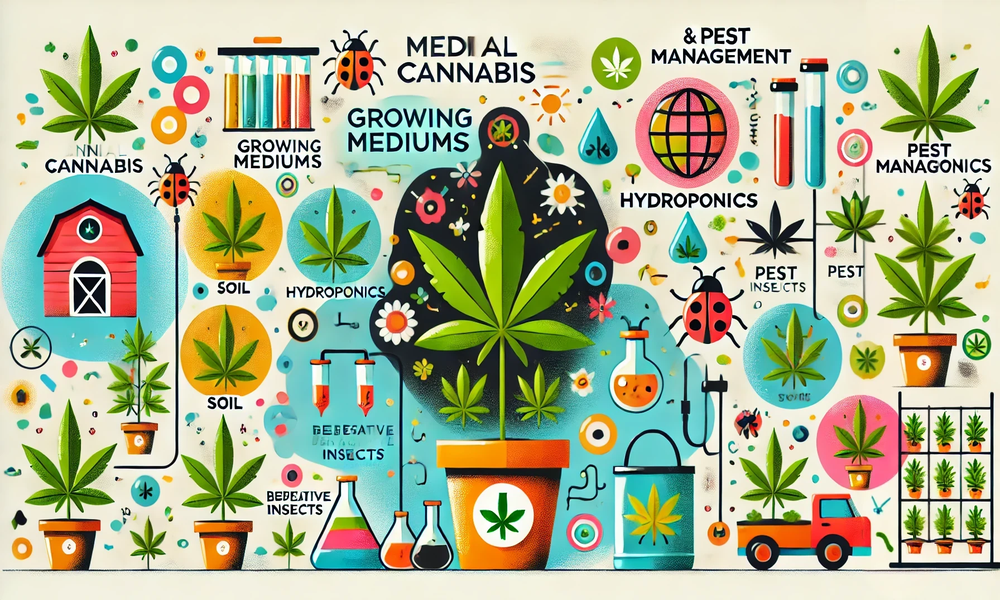
Growing Mediums and Pest Management in Medical Cannabis.
Introduction
Growing medical cannabis involves a meticulous process requiring an understanding of specific cultivation methods to produce plants with consistent therapeutic quality. Key elements that play a role in this are selecting the right growing mediums and implementing effective pest management strategies. This approach not only maximizes yield but also ensures the quality and safety of the final product, which is crucial for patients relying on medical cannabis for symptom relief. Let’s dive deeply into the nuances of growing mediums and pest management, focusing solely on the cultivation and health-related aspects for medicinal use.
Growing Mediums for Medical Cannabis
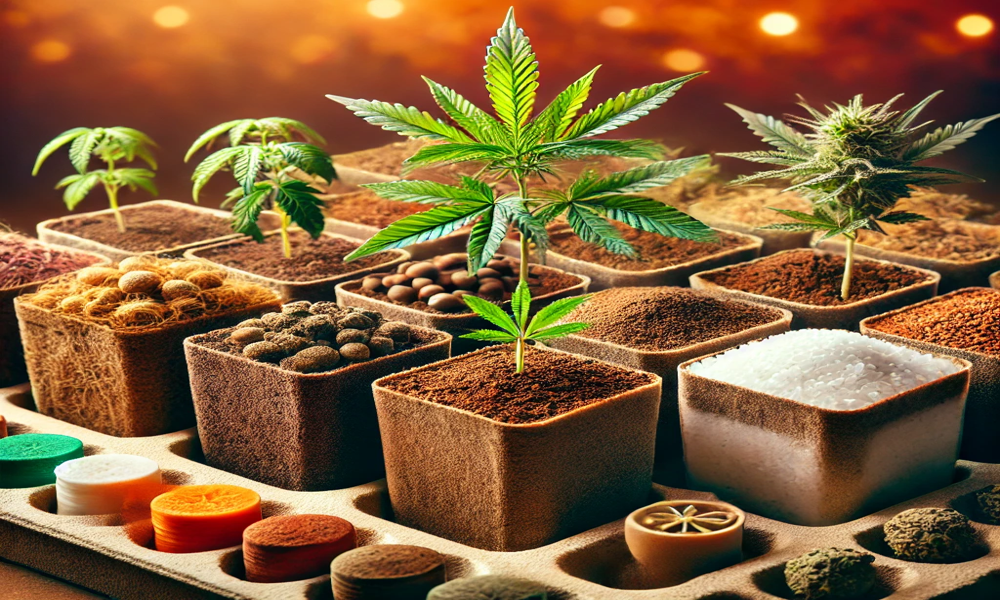
The growing medium serves as the foundation for cannabis plants, providing essential nutrients, water, and support to root systems. Choosing the right medium is a crucial decision, as it directly affects the plant’s growth, health, and cannabinoid profile, which, in turn, impacts its therapeutic efficacy. The primary types of growing mediums for medical cannabis include soil, soilless mixes (like coco coir and peat moss), hydroponic setups, and aeroponics. Each medium has unique properties, benefits, and limitations, which should be considered when cultivating medical cannabis.
1. Soil as a Growing Medium
Soil is one of the most traditional and widely used mediums for growing medical cannabis. Its inherent capacity to hold onto water and nutrients while providing a rich blend of minerals and microbes that support healthy plant growth is what makes it so appealing. The quality of the cannabis can be greatly impacted by the type of soil that is used.
- Organic Soil: Organic soil is enriched with natural components, such as compost, worm castings, and decomposed plant matter, which foster beneficial microbial life. This environment supports the breakdown of organic material into essential nutrients that plants can absorb. For medical cannabis, using organic soil can result in a product free of chemical additives, potentially enhancing its therapeutic value.
- Loam Soil: Loam is a balanced soil type with equal parts sand, silt, and clay, offering good drainage, moisture retention, and nutrient-holding capabilities. It is a well-balanced choice for medical cannabis cultivation, promoting robust plant growth and reducing the need for frequent amendments.
Soil-based growing can take longer than other methods, but for medical cannabis patients, this can mean fewer chemicals in the final product. However, soil-based systems must be carefully managed to avoid issues like nutrient deficiencies, pH imbalances, and pathogens that can compromise plant health and potency.
2. Soilless Mediums: Coco Coir and Peat Moss
Soilless mediums have gained popularity in medical cannabis cultivation due to their controlled nutrient profiles, good aeration, and moisture retention. These mediums don’t contain the microbial life found in organic soil, making it easier to manage nutrient delivery.
- Coco Coir: Derived from coconut husks, coco coir is a renewable, eco-friendly soilless medium. It retains moisture well while providing excellent drainage, which reduces the risk of root rot. Coco coir is also resistant to compaction, allowing for better oxygen flow to the roots, which is essential for cannabinoid synthesis in medical cannabis plants.
- Peat Moss: Peat moss is another popular soilless option, offering high water retention and a slightly acidic pH, which cannabis plants prefer. It is lightweight and enhances root development by providing a loose and airy environment. The downside of peat moss is its sustainability, as it’s a non-renewable resource that takes centuries to replenish, making coco coir a preferable choice for environmentally conscious growers.
Both coco coir and peat moss require careful nutrient management, as they do not naturally contain nutrients. Growers need to apply balanced nutrient solutions throughout the plant’s lifecycle to avoid deficiencies or excesses that could impact cannabinoid production.
3. Hydroponics for Medical Cannabis
Hydroponics is a soilless growing method where cannabis roots are suspended in a nutrient-rich water solution, often yielding rapid growth rates and high cannabinoid content. The roots directly absorb the nutrients dissolved in water, allowing growers to fine-tune the nutrient levels for maximum medicinal efficacy.
- Deep Water Culture (DWC): DWC systems are one of the simplest forms of hydroponics, where plant roots are submerged in nutrient solutions with ample oxygenation. This method promotes vigorous growth by delivering high amounts of oxygen and nutrients directly to the roots, potentially increasing the concentration of therapeutic compounds in the cannabis plants.
- Nutrient Film Technique (NFT): In NFT systems, a thin film of nutrient solution constantly flows over the plant roots, allowing them to absorb what they need while remaining oxygenated. NFT is highly efficient but requires close monitoring, as any system failure can lead to rapid nutrient depletion, threatening the medicinal quality of the crop.
Hydroponic systems can provide optimal control over nutrient and pH levels, but they also increase the risk of contamination by pathogens. Since there’s no soil buffer, any imbalances or infections can quickly impact the entire crop. Therefore, hydroponic systems require diligent monitoring to maintain the health and medicinal value of cannabis plants.
4. Aeroponics
Aeroponics is a sophisticated growing method that involves suspending plants in air and periodically misting their roots with nutrient solutions. This technique allows for high oxygen exposure and efficient nutrient absorption, resulting in faster growth rates and potentially higher cannabinoid yields. However, aeroponics is complex, expensive, and requires precise control over environmental conditions, making it a less common choice for medical cannabis cultivation unless highly specialized equipment and expertise are available.
Importance of Growing Mediums for Medical Quality
The chosen growing medium significantly affects the terpene and cannabinoid profile of medical cannabis plants. Because these substances enhance the plant’s medicinal qualities, farmers must use a medium that promotes the best possible development and health. For example, soil-grown cannabis may have a more complex terpene profile due to the natural microbiome interactions, while hydroponically grown plants may exhibit higher cannabinoid concentrations due to controlled nutrient availability.
The medium also impacts the plant’s susceptibility to pests and diseases. For instance, soil can harbor pathogens and pests, whereas hydroponics and aeroponics provide a more sterile environment, reducing the likelihood of infestations. However, soilless and hydroponic systems require continuous monitoring and adjustment to prevent nutrient deficiencies, which can weaken plants and make them more susceptible to diseases.
Pest Management in Medical Cannabis Cultivation
Pest management is crucial in medical cannabis cultivation, as pests can not only reduce crop yield but also introduce contaminants that could compromise the plant’s safety and efficacy for medicinal use. Pest management for medical cannabis requires an integrated approach that combines biological, chemical, and environmental strategies to ensure that the final product is free from harmful residues and safe for patient consumption.
1. Integrated Pest Management (IPM)
Integrated Pest Management (IPM) is a holistic approach that combines multiple pest control strategies to minimize pest damage while reducing reliance on chemical pesticides. IPM is especially suitable for medical cannabis, as it prioritizes the health and safety of the plant, ensuring that the therapeutic qualities of cannabis are preserved.
- Preventive Measures: IPM begins with preventive measures, such as selecting disease-resistant strains, maintaining cleanliness in the growing area, and avoiding overwatering, which can attract pests. Using sterile equipment and regularly inspecting plants are also essential practices to prevent pest infestations.
- Biological Controls: Utilizing parasites or natural predators to manage pest populations is known as biological control. For instance, introducing beneficial insects like ladybugs, lacewings, and predatory mites can effectively reduce common pests such as aphids, spider mites, and thrips. This method is safe for medical cannabis, as it leaves no harmful residues on the plant.
- Mechanical Controls: Physical barriers and traps can also be part of an IPM strategy. For example, sticky traps can capture flying insects, while screens can prevent pests from entering the grow area. Another way to stop infestations before they spread is to prune the plant’s afflicted areas.
IPM is ideal for medical cannabis because it minimizes chemical residues, which can affect the safety and purity of the plant. Additionally, IPM practices reduce the risk of pests developing resistance, which can be a common problem with continuous pesticide use.
2. Biological Pest Control
Biological pest control specifically targets pests through biological agents such as bacteria, fungi, and nematodes. These agents can be highly effective in managing pests without affecting the health or safety of medical cannabis.
- Bacillus thuringiensis (Bt): Bt is a naturally occurring bacterium that produces toxins harmful to insect larvae, particularly caterpillars and worms. Bt can be sprayed on cannabis plants to control pest populations without leaving harmful residues.
- Beauveria bassiana: This fungus is an effective biological control for various insect pests. When applied to cannabis plants, the fungus infects pests and eventually kills them, breaking the cycle of infestation without impacting plant quality.
- Predatory Nematodes: These microscopic organisms can be introduced to the growing medium to control soil-dwelling pests like fungus gnats. The nematodes infect and kill these pests without harming the cannabis plant, making them an excellent choice for pest control in soil-based systems.
Biological pest control methods are compatible with medical cannabis because they reduce chemical input, helping to maintain a clean product free from pesticides. They can be integrated into IPM programs, creating a multifaceted approach to pest management that prioritizes the medicinal quality of the cannabis crop.
3. Organic and Botanical Pesticides
For medical cannabis, organic and botanical pesticides provide an alternative to synthetic chemicals, reducing the risk of chemical residues on the plants. Many organic pesticides are derived from natural sources and are less toxic than conventional pesticides.
- Neem Oil: Extracted from the neem tree, neem oil is an effective organic pesticide against a broad spectrum of pests, including mites, aphids, and whiteflies. Without leaving toxic residues on cannabis plants, it interferes with pests’ feeding and reproduction cycles.
- Pyrethrin: Derived from chrysanthemum flowers, pyrethrin is effective against many insects but breaks down quickly in sunlight, reducing residual toxicity. While pyrethrin can be used in medical cannabis, it should be applied carefully, as excessive use can still impact the plant’s quality.
- Essential Oils: Oils like rosemary, clove, and peppermint can be used as deterrents against various pests. These oils are applied as sprays and can help manage pest populations without introducing harsh chemicals into the growing environment.
Organic and botanical pesticides align well with the needs of medical cannabis cultivation, as they offer effective pest control with minimal risk of harmful residues. However, even organic pesticides should be used sparingly, as overuse can harm beneficial insects and disrupt the growing environment’s balance.
Environmental Control in Pest Management
Environmental control is another crucial aspect of pest management in medical cannabis cultivation. By controlling factors such as temperature, humidity, and ventilation, growers can create an environment that discourages pest proliferation.
- Temperature and Humidity Control: Many pests, such as spider mites and powdery mildew, thrive in warm and humid conditions. The likelihood of pest infestations can be decreased by farmers by maintaining ideal humidity and temperature levels. For instance, lowering humidity levels can inhibit fungal growth, which is essential for preventing mold on cannabis plants intended for medical use.
- Ventilation: Proper airflow prevents moisture buildup, reducing the likelihood of mold and mildew. It also disrupts the lifecycle of flying pests like fungus gnats, as they prefer stagnant environments for breeding. Effective ventilation systems ensure that air circulates evenly, promoting a healthy growing environment for medical cannabis.
- Sanitation: Regularly cleaning and sanitizing the grow area is essential for pest prevention. Tools, containers, and even footwear should be disinfected to prevent pests and pathogens from spreading. This is especially crucial in indoor grow rooms because, in the absence of natural predators, pests can proliferate quickly.
Environmental control measures are preventative in nature, making them an essential component of pest management for medical cannabis. By minimizing the conditions favorable to pests, growers can reduce the need for chemical or biological interventions, supporting the production of clean, contaminant-free medical cannabis.
Final Thoughts on Growing Mediums and Pest Management
The cultivation of medical cannabis requires a nuanced understanding of growing mediums and pest management strategies to ensure that plants are healthy, potent, and free from contaminants. Each growing medium presents unique benefits and challenges, and choosing the right one depends on factors like the grower’s level of expertise, resources, and specific therapeutic goals for the crop. Soil offers a natural growing environment that enhances microbial diversity, while hydroponics and aeroponics provide precision and control, potentially leading to higher cannabinoid concentrations.
In pest management, integrated and preventative approaches are paramount, particularly for medical cannabis where product purity is a top priority. IPM, biological controls, organic pesticides, and environmental adjustments collectively form a sustainable strategy that reduces the reliance on harsh chemicals and minimizes pest-related losses. Together, these practices create a balanced cultivation process that meets the stringent quality standards necessary for producing cannabis for medical use.
Restrictions on Growing and Using Cannabis in Medical Field Only
In many countries, cannabis is tightly regulated and allowed only for medical purposes under specific conditions. These regulations typically restrict cannabis cultivation to licensed facilities that adhere to strict safety, quality, and security standards. Growing medical cannabis usually requires special licensing, with oversight from governmental health bodies. Facilities must document the entire cultivation process, from seed to sale, ensuring compliance with standards designed to prevent misuse and safeguard patient safety. These restrictions aim to maintain a controlled supply solely for therapeutic needs, prohibiting any use beyond approved medical applications.
Cannabis as a Last-Resort Treatment
In the medical field, cannabis is often designated as a “last resort” treatment, recommended only after other therapies have proven ineffective. This restriction is rooted in the desire to limit exposure to THC, the primary psychoactive compound, especially for patients who may be sensitive to its effects. Medical cannabis is typically reserved for conditions that cause significant, treatment-resistant symptoms, such as chronic pain, epilepsy, and severe nausea related to chemotherapy. Health practitioners must document a patient’s medical history to justify the need for cannabis treatment, emphasizing its use when no other therapies provide relief.
Monitoring THC Levels to Minimize Psychoactive Effects
To prevent unintended psychoactive effects on patients, regulations require strict monitoring of THC levels in medical cannabis products. In many cases, THC levels are kept below a specified threshold, and products with higher THC concentrations are reserved for patients with specific therapeutic needs. Alternatively, medical cannabis with high cannabidiol (CBD) content and low THC levels is often preferred, as CBD can offer therapeutic benefits without significant psychoactive effects. Regular testing ensures that the THC concentration remains consistent, enabling health professionals to prescribe cannabis safely within its therapeutic window.
Conclusion
In conclusion, cultivating and using cannabis within the medical field demands a specialized, carefully regulated approach focused solely on therapeutic benefit. The choice of growing medium directly influences the quality and cannabinoid profile of medical cannabis, with options like soil, soilless mixes, hydroponics, and aeroponics each offering distinct advantages. Selecting the appropriate medium ensures consistent potency, a balanced cannabinoid and terpene profile, and a reduced risk of contaminants, all of which contribute to a high-quality product suitable for medical use.
Effective pest management, grounded in integrated pest management (IPM), biological controls, and organic solutions, safeguards cannabis plants from pests without relying heavily on chemical pesticides. This approach is essential to maintain the purity and safety of medical cannabis, supporting a cleaner product for patients. Through preventive practices and environmental control, pest risks can be minimized, reducing the need for chemical interventions that could compromise the plant’s medicinal integrity.
From a regulatory perspective, restrictions on cultivation and the medicinal application of cannabis ensure its controlled use, limiting it as a treatment option for patients who have exhausted other therapies. Monitoring THC levels in medical cannabis products helps mitigate psychoactive effects, ensuring the therapeutic experience remains focused and safe for patients who may be sensitive to THC.
Overall, medical cannabis cultivation and usage must align with rigorous quality, safety, and ethical standards to ensure it remains a viable, controlled therapeutic resource. By adhering to strict growing practices, effective pest management, and controlled, regulated use, medical cannabis can serve as a valuable treatment option, offering relief for patients in need while respecting its potential effects and limitations.
