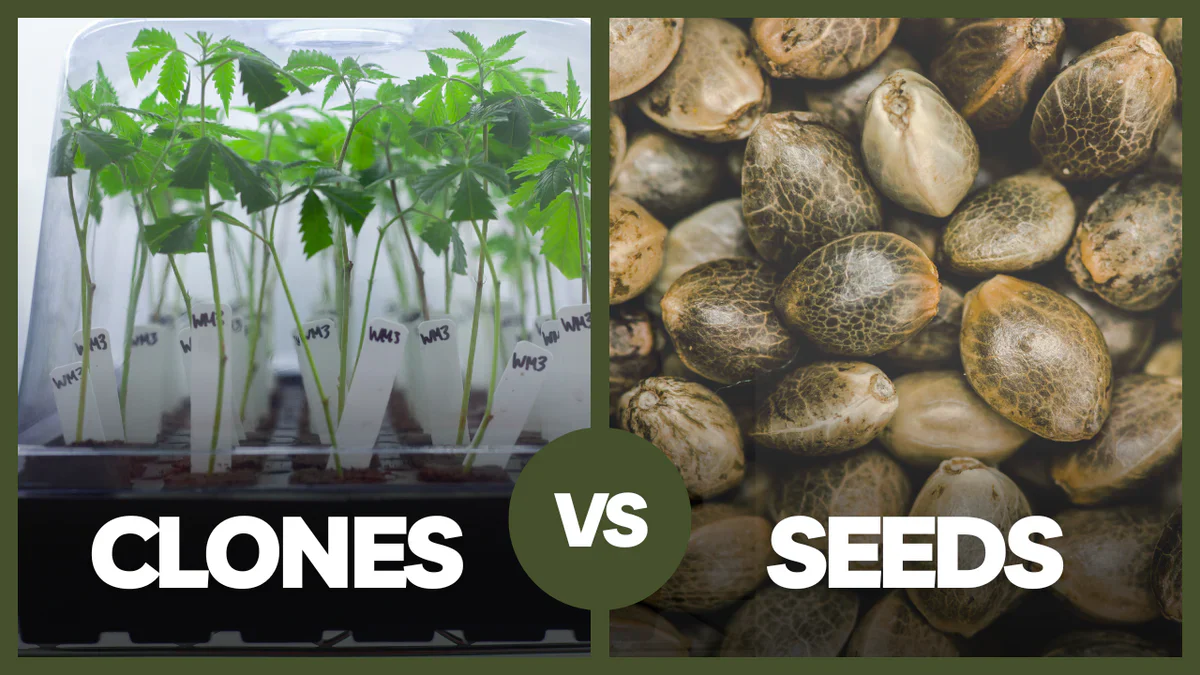
Growing Cannabis from Seed vs Clones: A Detailed Exploration for Medical Cannabis Cultivation
Introduction
Medical cannabis cultivation is a nuanced practice that requires a deep understanding of various growing techniques to ensure the highest quality of plants for therapeutic use. Two primary methods exist for propagating cannabis: growing from seeds and growing from clones. Each method offers unique benefits and challenges, particularly when the goal is to produce cannabis for medical purposes. This detailed exploration will examine the intricacies of both approaches, considering factors such as genetic stability, plant vigor, disease resistance, and overall yield. The focus will be on how these factors influence the quality and efficacy of medical cannabis, excluding any discussion on recreational use or consumption methods.
The Basics of Cannabis Propagation
The technique of growing new plants from old ones is called propagation. In cannabis cultivation, this can be achieved through seeds or clones. Seeds are produced through the sexual reproduction of male and female cannabis plants, resulting in genetic diversity. Clones, on the other hand, are created through asexual reproduction, where a cutting from a mother plant is rooted to produce a genetically identical copy.
Seed Propagation
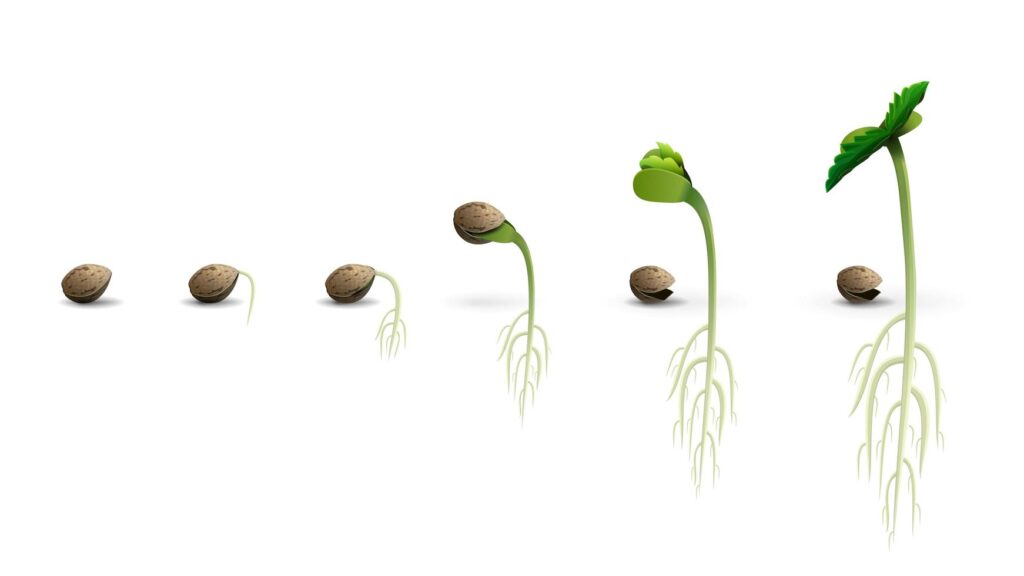
Growing cannabis from seeds is the traditional method of cultivation. Seeds are the result of pollination between male and female plants, and each seed carries a unique combination of the parent plants’ genetic material. This genetic diversity can lead to a variety of phenotypes, which are observable traits such as height, leaf shape, and cannabinoid profile.
Advantages of Growing from Seeds:
- Genetic Diversity: Seeds provide the opportunity to explore a wide range of genetic expressions. This diversity is particularly valuable in medical cannabis cultivation, where specific phenotypes may offer unique therapeutic benefits. For instance, certain genotypes might generate greater amounts of CBD, a non-psychoactive cannabis compound with anti-inflammatory and anti-anxiety effects.
- Vigor and Strength: Plants grown from seeds tend to be more vigorous and resilient. They develop a strong taproot, which anchors the plant and allows it to absorb nutrients and water more efficiently. This is crucial in medical cannabis cultivation, where plant health directly impacts the quality and consistency of the final product.
- Disease Resistance: Seed-grown plants often exhibit better resistance to pests and diseases. This is especially crucial for medicinal cannabis growing, since patient safety depends on minimizing the usage of fungicides and pesticides.
Challenges of Growing from Seeds:
- Variable Phenotypes: While genetic diversity is a benefit, it can also be a challenge. Growing from seeds can result in a wide range of phenotypes, making it difficult to achieve consistency in cannabinoid profiles and therapeutic effects. This variability can complicate dosing and treatment plans for patients.
- Longer Growth Cycle: Seeds take longer to germinate and develop into mature plants compared to clones. This extended growth cycle can delay the production of medical cannabis, which may be a concern in environments where time and resources are limited.
- Sexing the Plants: Not all cannabis seeds will produce female plants, which are necessary for medical cannabis production due to their higher cannabinoid content. Early in the growing cycle, growers must recognize and eliminate male plants in order to prevent pollination, which can lower the ultimate product’s potency and production.
Clone Propagation

Cloning involves taking a cutting from a mature female cannabis plant (the mother plant) and rooting it to produce a genetically identical plant. This method ensures that the new plant will exhibit the same characteristics as the mother, including cannabinoid profile, growth pattern, and yield.
Advantages of Growing from Clones:
- Genetic Consistency: Cloning allows growers to replicate specific phenotypes with known therapeutic benefits. This consistency is critical in medical cannabis cultivation, where patients rely on predictable cannabinoid profiles for effective treatment.
- Faster Growth Cycle: Clones are already in a vegetative state when they are planted, bypassing the germination and early growth stages required by seeds. This accelerates the cultivation process, allowing for quicker production of medical cannabis.
- Sex Identification: Clones are taken from female plants, ensuring that all new plants will be female. This eliminates the need for sexing and reduces the risk of accidental pollination, which can compromise the quality of medical cannabis.
Challenges of Growing from Clones:
- Limited Genetic Diversity: While genetic consistency is an advantage, it also limits diversity. Since cloned plants share the same genetic makeup, they may be more vulnerable to environmental stresses, illnesses, and pests. In medical cannabis cultivation, this can result in crop loss or reduced efficacy of the final product.
- Mother Plant Health: The quality of clones depends on the health of the mother plant. If the mother plant is stressed or diseased, these issues can be passed on to the clones, potentially compromising the entire crop. This is a significant concern in medical cannabis cultivation, where plant health is paramount.
- Root Development: The lack of a taproot in clones may hinder their capacity to properly absorb nutrients and water. This may result in weaker plants that are more susceptible to external stressors, which could affect the regularity and quality of medicinal cannabis.
Comparing Seed and Clone Propagation in Medical Cannabis Cultivation
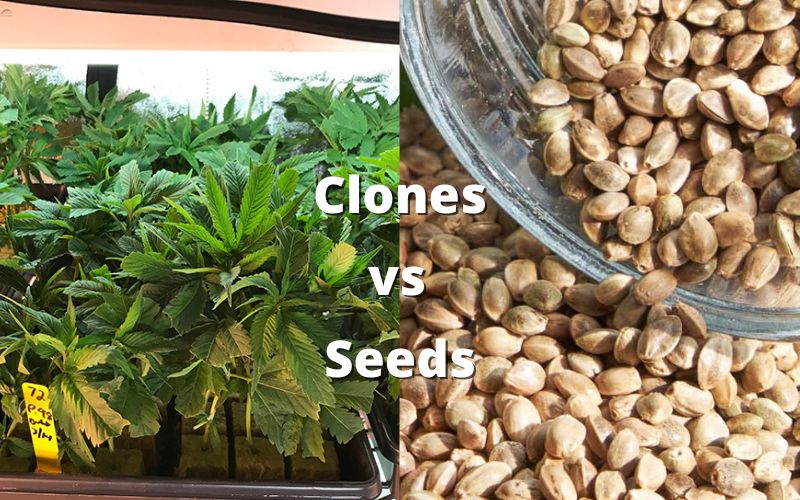
When deciding between seeds and clones for medical cannabis cultivation, several factors must be considered, including genetic stability, plant health, and the specific therapeutic needs of patients.
Genetic Stability and Consistency
In medical cannabis cultivation, genetic stability is crucial for ensuring consistent cannabinoid profiles and therapeutic effects. Seeds offer genetic diversity, which can be both a benefit and a challenge. On one hand, this diversity allows for the exploration of new phenotypes with potentially unique therapeutic properties. On the other hand, it can make it difficult to achieve consistent results, which is essential for patient care.
Clones provide genetic consistency, which is advantageous when a specific phenotype with known therapeutic benefits has been identified. However, this consistency comes at the cost of genetic diversity, which can make cloned plants more vulnerable to pests, diseases, and environmental changes. For medical cannabis cultivation, the choice between seeds and clones often depends on the importance of genetic stability versus the need for diversity in cannabinoid profiles.
Plant Health and Disease Resistance
The health of the cannabis plant directly impacts the quality of the final product, making it a critical consideration in medical cannabis cultivation. Seed-grown plants typically develop stronger root systems, which can enhance their ability to absorb nutrients and water. This results in more vigorous plants with better resistance to pests and diseases.
Clones, while genetically identical to a healthy mother plant, may lack the vigor of seed-grown plants due to their limited root development. Additionally, clones are more likely to inherit any stress or disease from the mother plant, which can affect the entire crop. In medical cannabis cultivation, where plant health is paramount, growers must carefully monitor the health of both the mother plant and the clones to ensure the production of high-quality medical cannabis.
Yield and Production Efficiency
Yield is an important consideration in medical cannabis cultivation, as it directly impacts the availability of cannabis for patients. Seed-grown plants generally take longer to reach maturity, which can delay production. However, they often produce higher yields due to their stronger root systems and overall vigor.
Clones, on the other hand, can be harvested more quickly due to their accelerated growth cycle. This can be beneficial in environments where time and resources are limited. However, the yield from cloned plants may be lower if the clones do not develop strong root systems or if the mother plant was not in optimal health. In medical cannabis cultivation, the choice between seeds and clones often depends on the specific production goals and the resources available.
Therapeutic Efficacy and Patient Care
The production of cannabis that satisfies patients’ therapeutic demands is the ultimate aim of medical cannabis growing. This requires careful consideration of the cannabinoid profile, terpene content, and overall quality of the final product. Seed-grown plants offer the potential for discovering new phenotypes with unique therapeutic benefits, which can be particularly valuable in developing personalized treatment plans for patients.
Clones provide consistency, which is crucial for patients who rely on specific cannabinoid profiles for effective treatment. However, the limited genetic diversity of clones may result in a less diverse range of therapeutic options. In medical cannabis cultivation, the choice between seeds and clones should be guided by the specific therapeutic needs of patients and the importance of consistency in treatment outcomes.
Case Studies: Seed vs. Clone in Medical Cannabis Strains
To further illustrate the differences between growing cannabis from seeds versus clones in medical cultivation, let’s explore a few case studies of well-known medical cannabis strains.
Case Study 1: Charlotte’s Web (Seed Propagation)
Charlotte’s Web is a high-CBD, low-THC strain that gained widespread recognition for its use in treating epilepsy, particularly in pediatric patients. This strain was originally developed from seeds, and its genetic diversity allowed breeders to select phenotypes with exceptionally high CBD content and minimal THC, making it ideal for medical use.
The seed-based propagation of Charlotte’s Web enabled the discovery of a phenotype that offered significant therapeutic benefits without the psychoactive effects of THC. This strain has been widely used in the medical field to treat conditions such as epilepsy, anxiety, and chronic pain. The genetic diversity inherent in seed propagation played a crucial role in the development of this strain, highlighting the potential benefits of growing medical cannabis from seeds.
Case Study 2: Harlequin (Clone Propagation)
Harlequin is another popular medical cannabis strain known for its balanced ratio of CBD to THC, making it effective for pain relief, anxiety, and inflammation without the intense psychoactive effects associated with high-THC strains. Harlequin is typically propagated through cloning to ensure consistency in its cannabinoid profile.
The use of clones in the propagation of Harlequin ensures that patients receive a consistent product with predictable effects, which is essential for medical treatment. This consistency has made Harlequin a reliable choice for patients seeking the therapeutic benefits of both CBD and THC in a balanced ratio. However, the reliance on cloning also means that there is less opportunity to explore new phenotypes with potentially enhanced therapeutic properties.
Case Study 3: ACDC (Hybrid Approach)
ACDC is a well-known strain that is perfect for individuals who require the medicinal advantages of cannabis without the intoxicating effects due to its high CBD content and low THC levels. ACDC has been propagated using both seeds and clones, allowing for the exploration of genetic diversity while also ensuring consistency for medical use.
The hybrid approach to propagating ACDC highlights the potential benefits of combining seed and clone methods in medical cannabis cultivation. By starting with seeds, breeders were able to identify phenotypes with exceptionally high CBD content. Once the desired phenotype was identified, cloning was used to ensure consistency in the production of this medical strain. This approach offers the best of both worlds: the ability to explore new therapeutic options through genetic diversity and the reliability of consistent cannabinoid profiles through cloning.
Best Practices for Medical Cannabis Cultivation: Seeds vs. Clones
Given the advantages and challenges of both seeds and clones, medical cannabis growers must adopt best practices to maximize the therapeutic potential of their crops. Here are some recommendations for each method:
Best Practices for Growing from Seeds:
- Pheno-Hunting: Engage in pheno-hunting, the process of growing multiple seeds and selecting the best phenotypes based on their therapeutic potential. This allows for the identification of unique plants with desirable cannabinoid profiles and other beneficial traits.
- Stabilization: Consider stabilizing desirable phenotypes by backcrossing (breeding the plant with one of its parents) to create more uniform offspring. This can help reduce variability while still maintaining some genetic diversity.
- Environmental Control: Provide optimal environmental conditions, including temperature, humidity, and light, to support the vigorous growth of seed-grown plants. Healthy plants are more likely to produce high-quality medical cannabis.
- Regular Monitoring: Regularly monitor plants for signs of stress, disease, or pests. Early intervention can prevent these issues from affecting the quality of the final product.
Best Practices for Growing from Clones:
- Mother Plant Care: Ensure that the mother plant is healthy, well-nourished, and free from disease. The quality of clones depends on the health of the mother plant, so it is essential to provide the best care possible.
- Rooting Techniques: Use effective rooting techniques, such as using rooting hormones and providing optimal humidity levels, to encourage strong root development in clones. This will help clones establish themselves more quickly and grow into healthy plants.
- Environmental Consistency: Maintain consistent environmental conditions to minimize stress on cloned plants. Sudden changes in temperature, humidity, or light can negatively impact clones, leading to reduced yield or quality.
- Regular Maintenance: Regularly prune and maintain clones to ensure even growth and to prevent the spread of diseases or pests. Clones may be more susceptible to certain issues, so proactive maintenance is essential.
Restrictions on Growing and Using Cannabis in the Medical Field as a Last Resort
In many jurisdictions, cannabis is only permitted for medical use under strict regulations. These restrictions often include:
- Qualification of Conditions: Cannabis is typically allowed for specific medical conditions where other treatments have proven ineffective. These conditions may include chronic pain, epilepsy, multiple sclerosis, and cancer-related symptoms. Before cannabis is prescribed, patients must often demonstrate that they have exhausted all other conventional treatment options.
- Regulatory Oversight: Medical cannabis cultivation is highly regulated, with growers requiring licenses to produce and distribute cannabis. The cultivation process is monitored to ensure that the plants meet specific medical standards, particularly in terms of cannabinoid content and absence of contaminants.
- Patient Monitoring: Healthcare professionals typically keep a tight eye on patients who use medicinal cannabis in order to evaluate the treatment’s efficacy and adverse effects. This monitoring ensures that cannabis is used appropriately as a last-resort therapy.
Monitoring THC Levels in Medications to Prevent Psychoactive Effects
For medical cannabis to be safe and effective, it’s crucial to monitor and control THC levels, especially to prevent unwanted psychoactive effects in patients who do not need or want them. The key approaches include:
- Standardized Dosage Forms: Medical cannabis products often come in standardized forms, such as oils, capsules, or tinctures, with precise THC concentrations. This allows for accurate dosing, minimizing the risk of psychoactive effects.
- CBD-THC Ratio Control: In many medical cannabis formulations, the ratio of CBD (cannabidiol) to THC is adjusted to mitigate the psychoactive effects of THC. CBD is known to counteract some of THC’s psychoactive properties, making high-CBD, low-THC formulations preferable for many patients.
- Patient-Specific Prescriptions: Physicians prescribe THC levels based on the patient’s condition, sensitivity, and medical history. Regular follow-ups and adjustments help in fine-tuning the THC dosage to balance efficacy with the minimization of psychoactive effects.
- Laboratory Testing: All medical cannabis products undergo rigorous laboratory testing to ensure that THC levels are within the prescribed limits. This testing is critical to maintaining consistency and safety across batches.
Conclusion
The cultivation and use of cannabis in the medical field are subject to stringent regulations designed to ensure patient safety and therapeutic efficacy. Growing cannabis for medical purposes requires careful consideration of whether to use seeds or clones, each offering distinct advantages and challenges. Seeds provide genetic diversity and the potential for discovering new therapeutic phenotypes, while clones offer consistency and reliability in cannabinoid profiles.
Medical cannabis is typically reserved as a last-resort treatment for specific conditions where conventional therapies have failed. This restriction, coupled with the rigorous monitoring of THC levels in medical cannabis products, ensures that patients receive the benefits of cannabis without unnecessary psychoactive effects. The careful balance between efficacy and safety is maintained through standardized dosage forms, controlled CBD-THC ratios, and comprehensive laboratory testing.
Overall, the medical use of cannabis is a complex and carefully regulated practice that prioritizes patient well-being while leveraging the unique therapeutic potential of the cannabis plant. Whether choosing to grow from seeds or clones, and regardless of the specific therapeutic application, the ultimate goal remains the same: to provide safe, effective, and consistent treatment options for patients in need.
