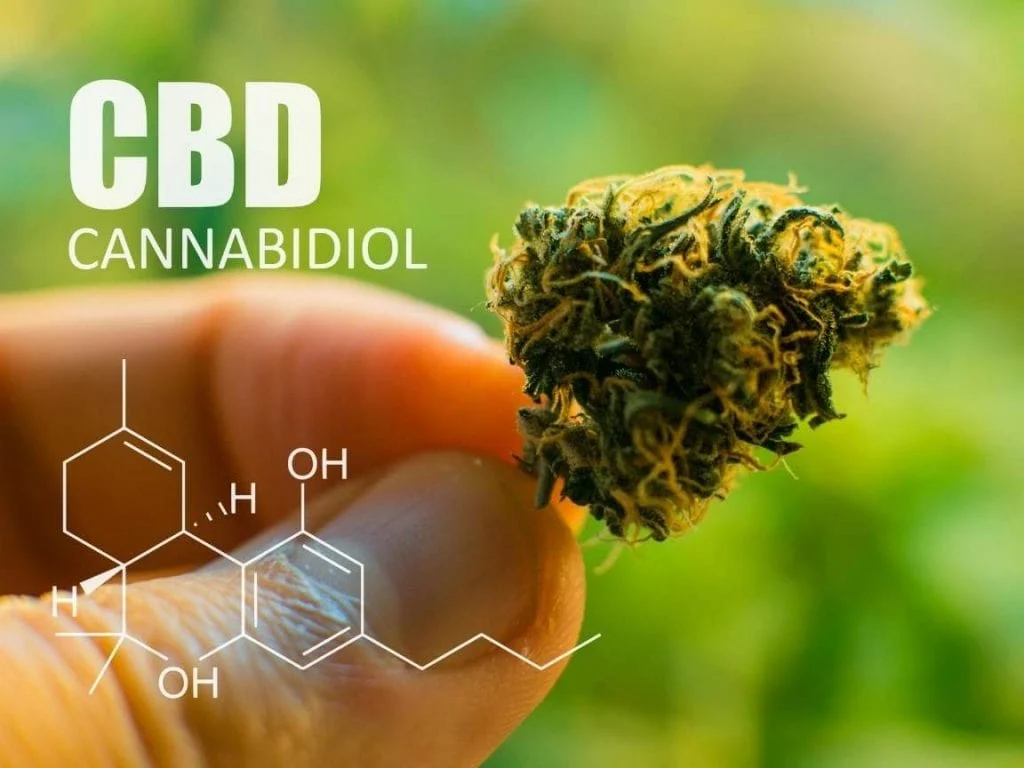
Growing Medical Cannabis for High-CBD Yields: A Comprehensive Guide
Over time, cannabis production has changed dramatically as a result of certain medical needs influencing plant growth. Cannabidiol (CBD) is a non-psychoactive cannabinoid that is highly sought after in medicinal cannabis due to its therapeutic properties. Growing medical cannabis for high-CBD yields requires specific knowledge about genetics, cultivation techniques, and environmental controls to ensure optimal cannabinoid production. This guide will delve deeply into every stage of the growing process, emphasizing the medical application of cannabis and the importance of ensuring high-CBD yields.
1. Understanding High-CBD Cannabis
1.1 What is CBD?
In the cannabis plant, cannabidiol, or CBD, is a naturally occurring cannabinoid. For medical patients looking for symptom alleviation without the “high” associated with tetrahydrocannabinol (THC), CBD is a preferred choice because it does not have psychoactive effects. Many medical illnesses, including multiple sclerosis, epilepsy, anxiety disorders, and chronic pain, have been treated with CBD due to its well-known anti-inflammatory, analgesic, anxiolytic, and anti-seizure qualities.
1.2 CBD-Rich Strains
To cultivate high-CBD cannabis, it is essential to choose the right strains. CBD-rich strains are typically bred to have higher concentrations of cannabidiol and lower levels of THC. Common high-CBD strains include:
- ACDC: Known for its 20:1 CBD-to-THC ratio, making it ideal for medical use.
- Harlequin: This strain offers a balanced ratio of CBD and THC, often around 5:2, providing therapeutic effects without intense psychoactivity.
- Charlotte’s Web: A famous strain with low THC content (below 0.3%) and high CBD, often used for treating epilepsy and other neurological disorders.
- Cannatonic: Offers a 1:1 CBD-to-THC ratio, making it versatile for various medical applications.
2. Choosing the Right Genetics
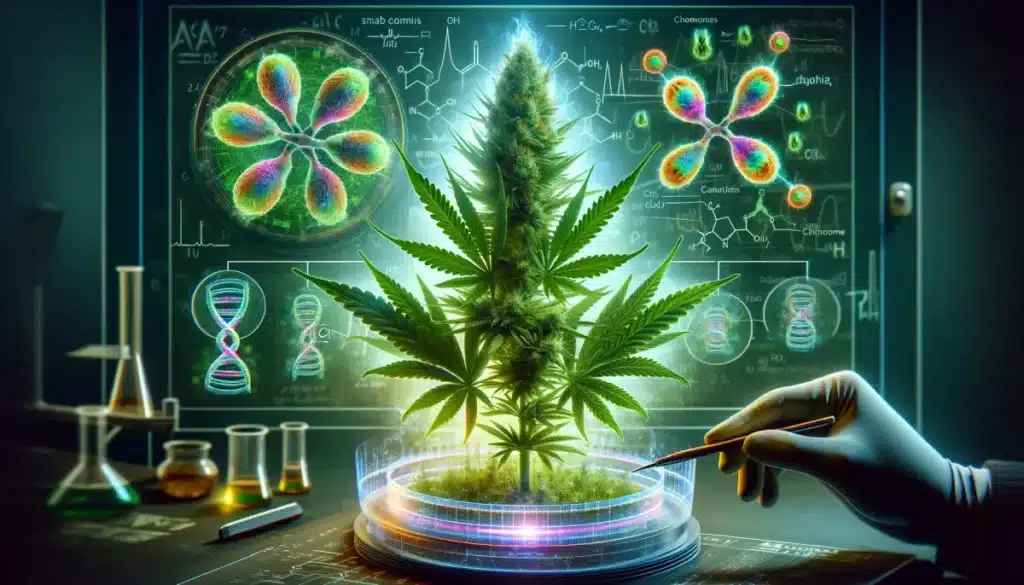
The starting point for any successful cannabis cultivation project is selecting the right genetics. For medical cannabis patients, particularly those seeking high-CBD yields, genetics play a crucial role in the final cannabinoid profile of the plant. Some key considerations include:
2.1 Seed or Clone?
Growing from seeds allows for more genetic diversity, but it also introduces the risk of variations in CBD content between plants. Cloning a high-CBD plant ensures consistency across your crop, making it the preferred choice for medical growers. However, seeds from reputable breeders, especially feminized seeds, can also provide predictable results in terms of CBD yield.
2.2 Feminized vs. Regular Seeds
Feminized seeds guarantee female plants, which are the only ones that produce buds rich in cannabinoids. Conversely, regular seeds can produce both male and female plants, therefore in order to stop pollination, farmers must recognize and remove the male plants as soon as possible.
2.3 Autoflowering vs. Photoperiod Strains
Autoflowering strains switch from the vegetative stage to the flowering stage based on age, not light cycles, making them faster and easier to manage. However, photoperiod strains tend to offer larger yields and may allow more control over CBD production.
3. Growing Environment
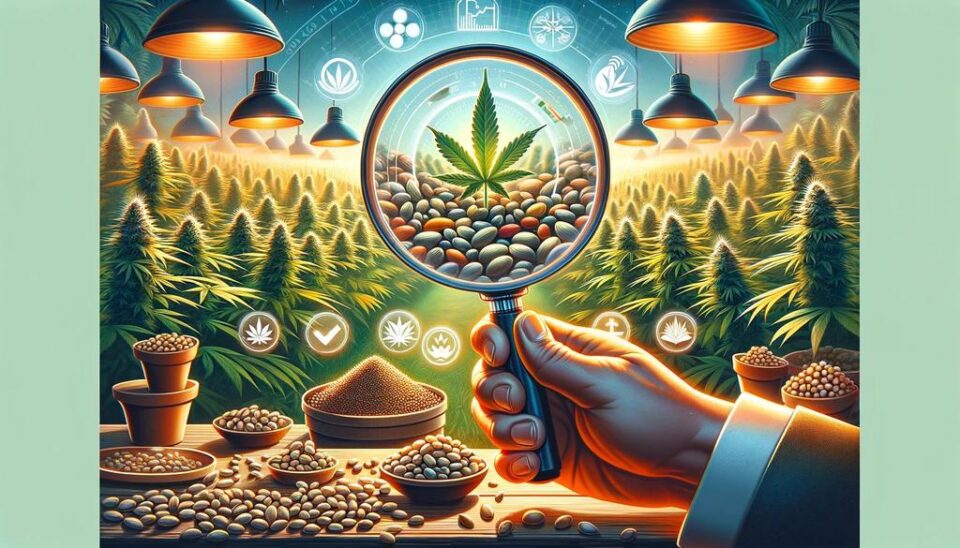
The environment in which cannabis plants are grown significantly impacts their cannabinoid profile and overall health. A carefully controlled environment can ensure high-CBD yields and prevent stress, which may reduce cannabinoid production.
3.1 Indoor vs. Outdoor Growing
Growing high-CBD cannabis indoors provides greater control over factors such as temperature, humidity, light, and airflow. This is particularly beneficial for medical growers who require consistency in cannabinoid content.
Outdoor growing, on the other hand, exposes plants to natural sunlight, which can increase yields, but it introduces risks such as pests, diseases, and unpredictable weather. Outdoor cultivation may also lead to higher variability in cannabinoid content due to environmental stressors.
3.2 Controlling Temperature and Humidity
CBD production is optimal in environments where temperatures range from 70°F to 85°F during the day and slightly cooler at night. Humidity should be maintained at 40% to 60% during the vegetative stage, dropping to 30% to 40% during flowering to prevent mold and mildew.
High humidity levels during flowering can cause issues like bud rot, which is detrimental to medical cannabis as it compromises both quality and safety. Low humidity during late flowering can help increase resin production, which is where cannabinoids like CBD are concentrated.
3.3 Light Quality and Intensity
Depending on the stage of growth, cannabis plants need a distinct light spectrum. During the vegetative stage, they benefit from blue light (400-500nm), which promotes leafy growth. In the flowering stage, red light (600-700nm) encourages bud development.
For high-CBD yields, light intensity should be optimized to promote healthy plant growth. LED lights are often preferred by medical cannabis growers due to their energy efficiency and ability to emit the full spectrum of light.
4. Soil and Nutrients
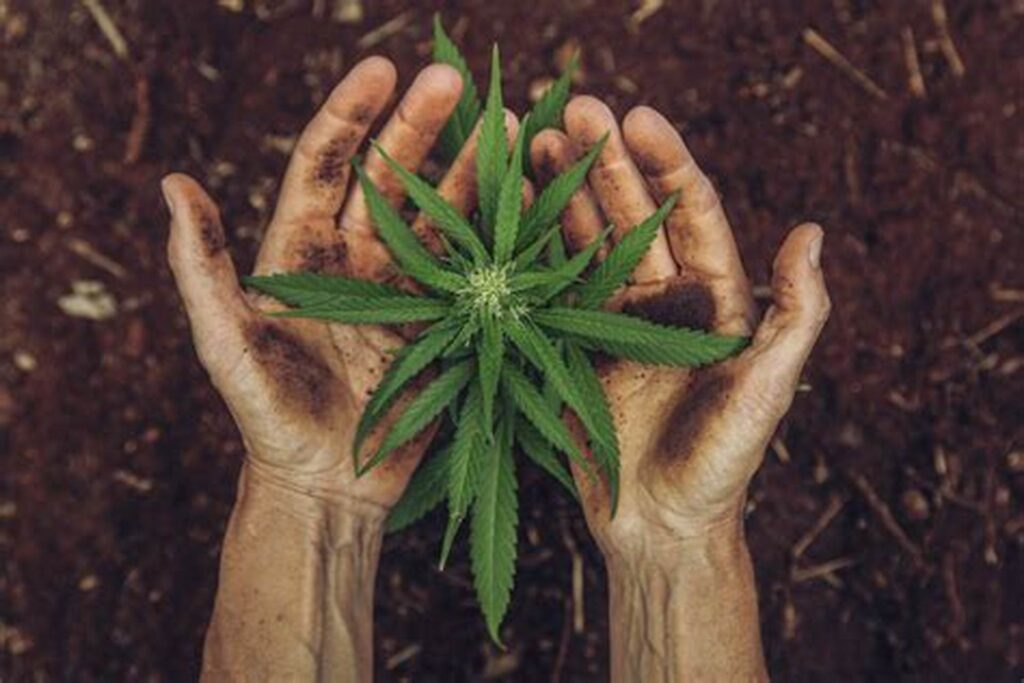
The choice of soil and nutrient management plays a vital role in determining the quality and quantity of CBD produced by your cannabis plants.
4.1 Organic Soil vs. Soilless Mediums
Organic soil contains beneficial microorganisms and nutrients that support plant health and enhance cannabinoid production. Organic growing is particularly favored in medical cannabis cultivation as it avoids the use of synthetic chemicals that could compromise the purity of the final product.
Soilless mediums, such as coco coir or hydroponics, allow greater control over nutrient intake, but they may require more precise monitoring and adjustments to achieve optimal CBD production.
4.2 Nutrient Management
To flourish, cannabis plants need a balanced diet of micronutrients (calcium, magnesium, iron) and macronutrients (nitrogen, phosphorus, potassium). Higher nitrogen levels are necessary for proper leaf development during the vegetative stage. Phosphorus and potassium levels should be raised during the flowering period to aid in bud formation and resin production.
To enhance CBD yields, many growers use organic nutrients like compost teas, fish emulsions, and seaweed extracts. Over-fertilizing can lead to nutrient burn, which not only damages the plants but also decreases CBD levels, so careful monitoring is essential.
5. Pruning and Training Techniques
Maximizing light exposure to buds is essential for improving CBD production. Pruning and training techniques help shape the plant and expose more of its surface area to light, encouraging better cannabinoid production.
5.1 Low-Stress Training (LST)
To establish an equal canopy, LST includes bending branches gently and tying them down. This technique allows for more uniform light distribution across the plant, leading to better bud development and higher CBD yields.
5.2 Topping and Fimming
Topping involves cutting the main stem of the plant to promote the growth of multiple colas, which are the primary sites of CBD production. Fimming is a similar technique but involves pinching rather than cutting the stem. Both methods encourage the plant to grow bushier, resulting in more bud sites.
5.3 Defoliation
Removing some of the plant’s leaves, or defoliating it, can assist the bottom sections of the plant receive more light and ventilation. This encourages greater bud formation and lowers the possibility of mold and mildew.
6. Flowering Stage and Harvesting
The flowering stage is when the majority of CBD production occurs. Proper management during this stage is crucial to maximizing yields and ensuring that the final product meets medical-grade standards.
6.1 Identifying the Optimal Harvest Time
CBD levels in cannabis plants peak just before full maturity. When cannabis is harvested too soon, its CBD level may decrease, and when it is harvested too late, its cannabinoid content may degrade. When the buds’ trichomes, which are tiny resinous glands, change from clear to milky white—and in some cases, amber—that is the best moment to harvest.
Using a magnifying glass or jeweler’s loupe to closely monitor trichome development is the best way to ensure that you are harvesting at the right time for maximum CBD content.
6.2 Drying and Curing
To retain the cannabinoids and stop mold growth, the buds need to be dried and cured after harvest. Drying should be done in a dimly lit space that is between 65°F and 75°F in temperature and has a humidity level of 45% to 55%. Proper airflow is essential to prevent mold and ensure even drying.
The process of curing entails putting the dried buds in sealed jars and giving them several weeks to develop. This process enhances the flavor and potency of the cannabis while stabilizing the CBD content.
7. Post-Harvest Testing and Quality Control
For medical cannabis growers, ensuring consistent cannabinoid content is essential. Post-harvest testing allows growers to verify the CBD levels of their product and ensure that it meets the required standards for medical use.
7.1 Laboratory Testing
Most medical cannabis growers send samples to third-party laboratories for testing. These labs analyze the cannabinoid profile, including CBD and THC content, as well as checking for contaminants like pesticides, mold, and heavy metals.
Regular testing helps growers fine-tune their cultivation techniques and ensure that their cannabis is safe and effective for medical patients.
7.2 Maintaining Consistency Across Harvests
One of the challenges of growing high-CBD cannabis is maintaining consistency across multiple harvests. Using clones from a mother plant with proven high-CBD genetics can help ensure that future crops produce similar cannabinoid levels. Additionally, keeping detailed records of growing conditions and nutrient schedules allows for the replication of successful harvests.
8. Challenges and Troubleshooting
Growing medical cannabis for high-CBD yields comes with its own set of challenges. The secret to good cultivation is being aware of these obstacles and knowing how to overcome them.
8.1 Common Growing Problems
- Nutrient Deficiencies: Slow growth or yellowing leaves may be signs of nutritional imbalances. Regularly testing soil or nutrient solution pH levels can prevent these issues.
- Pests and Diseases: Common pests like spider mites and aphids, as well as fungal diseases like powdery mildew, can severely impact plant health. For medicinal cannabis, organic pest control techniques like neem oil and beneficial insects are recommended.
- Environmental Stress: Fluctuations in temperature, humidity, and light can stress plants, leading to reduced CBD production. Automated systems that monitor and adjust environmental conditions can help prevent stress.
8.2 Legal and Regulatory Considerations
Growing medical cannabis is subject to strict regulations in many regions. Growers must ensure that their operations comply with local laws regarding plant counts, licensing, and testing requirements. In some areas, high-CBD cannabis with low THC content is treated differently than high-THC cannabis, so it’s important to understand the specific regulations that apply to your operation.
Restrictions on Growing and Using Cannabis in the Medical Field
Growing Restrictions:
- Licensing: Medical cannabis cultivation typically requires a government-issued license, with specific guidelines on plant counts, security, and cultivation methods to ensure patient safety.
- Testing: Regular testing of cannabis plants is mandated to ensure cannabinoid consistency, potency, and the absence of contaminants such as pesticides or heavy metals.
- Strain Selection: Only certain strains with proven medical efficacy are allowed for cultivation, especially those high in CBD and low in THC, to minimize psychoactive effects.
Usage Restrictions:
- Last Resort Usage: Cannabis is often reserved as a treatment when conventional medications have failed or caused adverse effects. Physicians must document these cases and justify cannabis use as a last-resort option for their patients.
- Prescription and Dosing: Medical professionals are required to carefully control dosages, adjusting for individual patient needs while avoiding over-prescription. Cannabis treatments are generally tailored to minimize THC exposure, reducing potential psychoactive effects.
Monitoring THC Levels:
- THC Limits: THC levels in medical cannabis products are strictly regulated, often with caps to prevent psychoactivity. For example, in many countries, medical cannabis must contain less than 0.3% THC.
- Regular Testing: Products are subjected to rigorous testing to monitor cannabinoid profiles, ensuring THC stays within legal and safe limits.
- Patient Safety: Medical cannabis formulations are designed to focus on therapeutic benefits, with a preference for high-CBD and low-THC products to prevent unwanted psychoactive reactions in patients.
Conclusion: A Holistic Approach to Growing Medical Cannabis for High-CBD Yields and Ensuring Safe Medical Use
The cultivation and use of medical cannabis, particularly for high-CBD yields, is a complex and highly regulated process. It requires a deep understanding of genetics, environmental control, nutrient management, and compliance with legal standards to produce cannabis that meets the medical needs of patients without introducing psychoactive risks.
Genetics and Cultivation
The foundation of growing medical cannabis for high-CBD yields begins with choosing the right strains. Selecting CBD-rich strains like ACDC, Harlequin, and Charlotte’s Web ensures that plants will naturally produce higher concentrations of cannabidiol, while minimizing THC levels, which is crucial for preventing psychoactive effects. Deciding between growing from seeds or clones, and using feminized or autoflowering strains, gives medical cannabis growers flexibility in tailoring the growing process to achieve optimal outcomes.
The growing environment—whether indoors or outdoors—directly affects the quality of the crop. While outdoor growing benefits from natural sunlight, indoor growing offers precise control over temperature, humidity, and light cycles, which can be critical for ensuring consistent CBD yields. Pruning and training techniques, such as low-stress training and topping, help maximize light exposure, airflow, and ultimately, the production of cannabinoid-rich buds.
Nutrient Management and Environmental Controls
The choice of soil and nutrient systems is another critical factor in achieving high-CBD yields. Organic soils support plant health naturally, while soilless systems, like hydroponics, allow growers to have more precise control over nutrient intake. Both options have their advantages, but a balanced and carefully monitored nutrient regimen ensures that plants receive the macro- and micronutrients needed for vigorous growth and CBD production. Controlling environmental factors, especially humidity and temperature, during the flowering stage is vital to maximizing resin production, where cannabinoids like CBD are concentrated.
Proper drying, curing, and post-harvest processes are essential in preserving the cannabinoids, preventing mold, and stabilizing the product for medical use. Post-harvest testing ensures that cannabinoid content, particularly CBD and THC levels, are within medical-grade standards, safeguarding both the consistency and safety of the end product.
Legal Restrictions and Medical Cannabis as a Last Resort
Growing and using cannabis for medical purposes is highly regulated, with restrictions governing who can cultivate, process, and prescribe it. The medical marijuana legal environment places a strong emphasis on the necessity of utilizing cannabis as a last resort, especially for patients whose diseases have not responded to traditional therapies. The illnesses where medical cannabis is most clearly beneficial include those like epilepsy, chronic pain, and nausea from chemotherapy.
One of the most significant challenges in medical cannabis is managing the levels of THC, the psychoactive component. Medical applications favor strains that are strong in CBD and low in THC because they offer therapeutic benefits without causing the euphoric symptoms that are typically associated with cannabis. Regular testing of cannabinoid content, especially THC levels, is crucial to ensure that patients are not exposed to psychoactive effects, particularly when treating vulnerable populations like children and the elderly.
Ensuring Safe Medical Use Through Monitoring and Compliance
To ensure that medical cannabis remains a safe treatment option, legal frameworks around the world enforce strict monitoring and compliance measures. This includes mandatory lab testing to verify cannabinoid profiles, restricting THC content to minimize psychoactivity, and maintaining a focus on medical necessity. Medical professionals are required to carefully evaluate and document why cannabis is the most appropriate treatment for a patient, ensuring it is used only when other options have failed.
Furthermore, the emphasis on growing high-CBD strains, combined with the regulatory need to minimize THC, highlights the importance of precision in both the cultivation and prescribing processes. Cannabis grown for medical use must meet exacting standards, and deviations can result in products that do not meet the therapeutic needs of patients or pose psychoactive risks.
Final Thoughts
The cultivation of medical cannabis for high-CBD yields represents an intersection of science, agriculture, and medicine. It requires meticulous attention to every stage of the growing process, from selecting the right genetics to controlling environmental factors, to meet the strict standards required for medical use. At the same time, legal and medical frameworks work to ensure that cannabis remains a safe, controlled option, used only as a last resort for those who can benefit from its therapeutic properties.
By focusing on high-CBD, low-THC cannabis strains, and following best practices in cultivation and regulation, growers and medical professionals can provide safe and effective treatment options for patients, addressing a wide range of medical conditions without the unwanted psychoactive effects associated with THC. The future of medical cannabis lies in refining these processes further, ensuring consistency, safety, and efficacy for those in need of cannabinoid-based therapies.
