Introduction
For cannabis growers seeking natural methods, larger yields, and reduced electricity costs, growing cannabis outdoors is a compelling choice. Outdoor growing allows cannabis plants to follow their natural cycles, bask in full-spectrum sunlight, and develop complex terpene profiles that are often more nuanced than their indoor-grown counterparts.
In this comprehensive guide, we will explore everything you need to know about outdoor cannabis cultivation — including choosing the right strains, understanding the best environments, and ensuring a successful harvest. Whether you’re in a warm Mediterranean zone or a cool mountain region, this guide provides actionable insights for success.
Outdoor success starts with understanding how cannabis develops from seed to harvest, which is covered in our outdoor cannabis cultivation fundamentals before diving into climate-specific techniques.
Can I Grow Cannabis Outdoors?
Yes, cannabis is a remarkably adaptable plant. While it naturally prefers warm, wet summers, certain cannabis strains for outdoor growing have been bred to thrive in colder climates as well. Strains originating from the mountainous regions of Afghanistan, for example, are ideal for high-altitude or short-season environments.
With the right planning, growers in most regions can find a strain suited to their climate for cannabis growth. Choosing hardy genetics that match your outdoor conditions is one of the first steps to a successful grow.
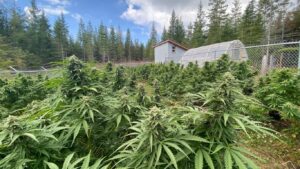
Is It Better to Grow Cannabis Outdoors?
There are pros and cons to both indoor and outdoor cultivation. Indoor growing allows year-round production and total environmental control, but it comes with higher costs and energy demands.
Outdoor cultivation, on the other hand, offers:
- Access to free sunlight and natural airflow
- Potential for larger root systems and higher outdoor cannabis yield
- Lower upfront and operating costs
Some growers also believe that growing cannabis outdoors results in more flavorful buds thanks to broader sun exposure and organic soil.
Cannabis Strains for Outdoor Growing
Not all cannabis plants are suited for the outdoors. Selecting the right genetics ensures that your plants will flower and finish before the first frost.
Best Cannabis Strains for Warm Climates
If you live in a region with long summers and mild autumns, you can grow most sativa or hybrid strains:
- Great White Shark
- AK Auto-Flowering
- American Haze
Best Cannabis Strains for Cool Climates
In colder zones or shorter summer seasons, choose faster-finishing indica or auto-flowering strains:
- Diesel
- Jack Herer
- White Widow
These varieties have short cannabis flowering timelines, making them more reliable in challenging climates.
Best Time to Plant Cannabis Outdoors
The best time to plant cannabis outdoors depends on your local climate. In the Northern Hemisphere, April to May is typically ideal. This allows seedlings to mature during the lengthening days of spring and enter flowering in late summer.
If seeds are planted too early while daylight hours are still short, they may flower prematurely. Delayed planting, on the other hand, can shorten the plant’s vegetative period and reduce final yield.
Understanding the cannabis growth stages helps you time your planting accurately for your region.
Choosing the Right Spot to Grow
Location is key in outdoor cannabis cultivation. Successful grows require a balance of sun, water, air circulation, and quality soil.
Sunlight for Cannabis Plants
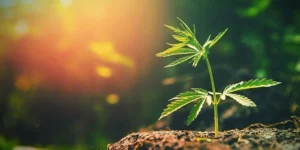
Cannabis thrives in sunlight. Your garden spot should receive at least 6 hours of direct sunlight per day. South-facing gardens with natural windbreaks (like hedges or fences) are ideal.
If your location is prone to strong winds, consider temporary protection during early cannabis growth stages.
Watering Cannabis Outdoors
Cannabis loves water but is sensitive to overwatering. Areas with high rainfall are ideal, but in drier climates, watering cannabis outdoors may need to be done manually.
Avoid low-lying areas prone to flooding, and make sure the soil allows proper drainage. In arid zones, water-absorbing polymers or mulch can help retain moisture.
Soil for Outdoor Cannabis
Rich, loamy soil with a pH of 5.8 to 6.5 works best. If your natural soil is too rocky or compacted, consider raised beds or amending the soil with compost, perlite, or coco coir to improve drainage and aeration.
Soil for outdoor cannabis should be light and porous while still holding essential nutrients.
Germination and Planting
Sprouting Seeds Indoors
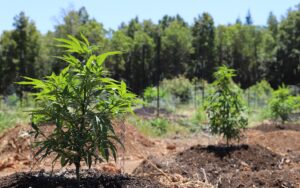
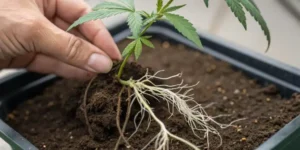
Starting seeds indoors or in a greenhouse gives you full control during germination. Early growth is sensitive to fluctuations in moisture, temperature, and pests. Once plants have established a healthy root system and several nodes, they can be hardened off and moved outside.
Planting Cannabis Seeds Directly
Planting seeds directly into the soil eliminates transplant stress. If weather is still cool, use a small greenhouse dome or cold frame to protect young plants. Plant seeds a quarter to half an inch deep, with the pointed end facing upward.
Mark each seed spot and weed the area regularly to prevent competition.
Transplanting Seedlings into Outdoor Beds
Prepare your garden beds in advance by digging holes at least two feet deep and wide. Line the bottom with gravel for drainage and fill with nutrient-rich potting soil. This creates a stable base for your plants to thrive.
Once the last frost has passed, and your plants are hardened off, transplant them into their permanent location. Watch them closely during the first week to ensure they adapt well.
Cannabis Flowering Light Cycle Outdoors
Cannabis enters the flowering phase when the hours of daylight naturally decrease, typically in late July or early August. The cannabis flowering light cycle outdoors is controlled by the sun, so it’s crucial to plant early enough to allow full vegetative development before this shift.
If necessary, you can manipulate the cannabis flowering light cycle using blackout covers to induce earlier flowering or synchronize harvest times.
Cannabis Flowering Timeline and Development
The cannabis flowering timeline varies by strain, but outdoor plants usually begin flowering in late summer and are ready for harvest in early to mid-fall.
Key stages of cannabis bud development stages outdoors:
- Week 1–2: White pistils appear; early signs of pre-flower.
- Week 3–5: Buds begin to stack; trichomes start to form.
- Week 6–8: Buds thicken; aroma intensifies; pistils darken.
- Week 9–11: Final swell; cannabis trichome stages shift from clear to cloudy to amber.
Being familiar with the cannabis trichome stages allows you to time your harvest based on potency and effect.
How Long Does Cannabis Take to Flower Outdoors?
Most strains take 7 to 11 weeks to complete flowering outdoors. However, how long cannabis takes to flower depends on the genetics and environment. Sativas tend to flower longer than indicas or autoflowers.
Keep a journal to track the cannabis flowering timeline for each strain. This helps plan future grows and improve harvest timing.
How Much Cannabis Can You Yield Outdoors?
Outdoor cannabis yield is influenced by several factors:
- Genetics
- Sunlight hours
- Soil quality
- Water availability
- Nutrient levels
While it’s impossible to predict exact amounts, healthy plants can yield 500 grams or more each when grown directly in the ground with good care. Mastering how to grow marijuana outside will significantly boost your results.
Final Thoughts
Growing cannabis outdoors is both an art and a science. While you give up some control compared to indoor growing, you gain the benefits of natural light, air circulation, and expansive root systems.
With the right strain selection, timing, and location, outdoor cannabis cultivation can produce abundant, high-quality harvests season after season. Whether you’re a first-time grower or an experienced gardener, understanding your climate for cannabis growth and following this guide will prepare you for a rewarding and fruitful growing season.
Written by the Royal King Seeds Cultivation Team, with 20+ years of combined hands-on experience in outdoor, greenhouse, and regenerative cannabis agriculture.
