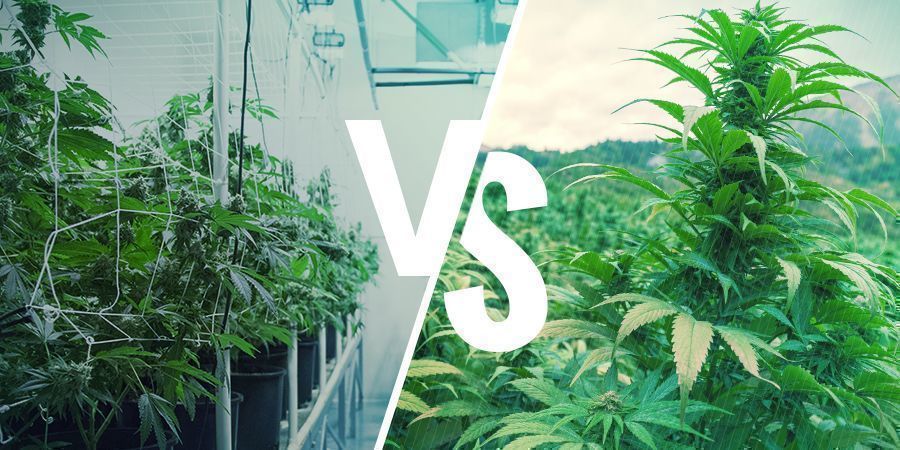
Growing Cannabis: Indoor vs. Outdoor Cultivation
Cannabis cultivation has evolved significantly over the years, with growers having the option to choose between indoor and outdoor growing environments. Each method has its own set of advantages and disadvantages, which can impact the quality, yield, and overall success of the crop. This comprehensive guide explores the intricacies of growing cannabis both indoors and outdoors, helping you make an informed decision based on your specific needs and circumstances.
1. Introduction to Cannabis Cultivation
Cannabis cultivation can be broadly categorized into two methods: indoor and outdoor growing. Each method involves unique practices and requires different levels of investment, expertise, and resources. Understanding these differences is crucial for any grower aiming to maximize their yield and produce high-quality cannabis.
2. Indoor Cannabis Cultivation
Indoor cannabis cultivation involves growing cannabis plants within a controlled environment, typically using grow rooms or grow tents. This method allows for precise control over various factors such as light, temperature, humidity, and nutrients, providing several advantages.
Advantages of Indoor Growing
- Environmental Control: Indoor growers can manipulate environmental conditions to create the ideal climate for cannabis plants, regardless of external weather conditions. This control can lead to higher quality and more consistent yields.
- Year-Round Cultivation: Unlike outdoor growing, indoor cultivation is not restricted by seasonal changes, allowing for multiple harvests throughout the year.
- Pest and Disease Management: Indoor environments can be more easily protected from pests and diseases, reducing the need for chemical pesticides and increasing the likelihood of healthy plants.
- Privacy and Security: Indoor growing offers greater privacy and security, which can be particularly important in regions where cannabis cultivation is heavily regulated or stigmatized.
Disadvantages of Indoor Growing
- Higher Costs: The initial setup and ongoing operational costs of indoor growing can be significantly higher than outdoor growing. Expenses include lighting, ventilation, climate control systems, and electricity.
- Complexity and Maintenance: Indoor growing requires a higher level of technical knowledge and ongoing maintenance to manage the controlled environment effectively.
- Space Limitations: Indoor growers are often limited by the amount of available space, which can restrict the number of plants they can cultivate at one time.
Key Considerations for Indoor Growing
- Lighting: High-intensity discharge (HID) lights, light-emitting diodes (LEDs), and fluorescent lights are commonly used to provide the necessary light spectrum for cannabis growth.
- Ventilation and Airflow: Proper ventilation is crucial to maintain optimal temperature and humidity levels, as well as to prevent mold and mildew.
- Nutrient Management: Indoor plants rely on a precise nutrient regimen to ensure healthy growth. Hydroponic systems are often used to deliver nutrients directly to the plant roots.
- Growing Medium: Soil, coco coir, and hydroponic mediums are popular choices for indoor cultivation, each with its own benefits and challenges.
3. Outdoor Cannabis Cultivation
Outdoor cannabis cultivation involves growing plants in their natural environment, taking advantage of natural sunlight and soil. This method is often seen as more traditional and can be less resource-intensive than indoor growing.
Advantages of Outdoor Growing
- Lower Costs: Outdoor growing typically requires less initial investment and lower ongoing costs, as it relies on natural resources such as sunlight and rainwater.
- Natural Sunlight: The full spectrum of natural sunlight is ideal for cannabis growth, promoting healthy development and robust yields.
- Larger Yields: Outdoor plants can grow larger and produce higher yields due to the unlimited space and access to natural elements.
- Environmental Sustainability: Outdoor growing has a smaller carbon footprint compared to indoor growing, as it does not require artificial lighting or climate control systems.
Disadvantages of Outdoor Growing
- Environmental Exposure: Outdoor plants are subject to the whims of nature, including adverse weather conditions, pests, and diseases, which can impact yield and quality.
- Seasonal Limitations: Outdoor cultivation is restricted to the growing season, typically resulting in only one harvest per year in most climates.
- Security and Privacy: Outdoor plants are more exposed and can be vulnerable to theft or detection, particularly in areas where cannabis cultivation is illegal or frowned upon.
- Quality Control: Achieving consistent quality can be more challenging with outdoor growing due to the variability in environmental conditions.
Key Considerations for Outdoor Growing
- Site Selection: Choosing the right location with adequate sunlight, good soil, and proper drainage is crucial for successful outdoor cultivation.
- Soil Quality: Enhancing soil with organic matter, compost, and appropriate nutrients can improve plant health and yield.
- Water Management: Outdoor plants rely on natural rainfall, but supplemental watering may be necessary during dry periods. Proper irrigation systems can help manage water efficiently.
- Pest and Disease Control: Natural predators, organic pesticides, and companion planting can help manage pests and diseases without harming the environment.
4. Comparing Indoor and Outdoor Cultivation
When deciding between indoor and outdoor cannabis cultivation, several factors must be considered, including cost, control, yield, and quality.
Cost Comparison
- Initial Setup: Indoor growing requires significant investment in equipment such as lights, fans, and hydroponic systems. Outdoor growing has lower initial costs, primarily for soil preparation and plant protection.
- Operational Costs: Indoor cultivation incurs ongoing costs for electricity, climate control, and maintenance. Outdoor growing relies on natural resources, reducing operational expenses.
Control and Consistency
- Environmental Control: Indoor growing offers unparalleled control over environmental conditions, leading to more consistent and predictable results. Outdoor growing is subject to natural variations, making consistency more challenging.
- Quality Control: Indoor environments allow for precise nutrient management and pest control, potentially leading to higher-quality cannabis. Outdoor plants benefit from natural sunlight but may face more quality fluctuations due to environmental factors.
Yield and Plant Size
- Yield: Outdoor plants can grow larger and produce higher yields due to the unlimited space and natural elements. Indoor yields are typically smaller but more consistent due to controlled conditions.
- Plant Size: Indoor plants are often smaller and more manageable, while outdoor plants can reach significant heights and sizes, requiring more space and care.
Environmental Impact
- Sustainability: Outdoor cultivation is more environmentally friendly, relying on natural resources and having a lower carbon footprint. Indoor growing consumes more energy and resources, contributing to higher environmental impact.
- Resource Use: Outdoor plants utilize natural sunlight and rainwater, reducing the need for artificial inputs. Indoor growing demands significant energy for lighting and climate control, increasing resource consumption.
5. Choosing the Right Method
The choice between indoor and outdoor cannabis cultivation is influenced by numerous variables, such as your financial resources, geographical location, professional experience, and individualized objectives. To help guide your decision, here are some considerations:
- Budget: If you have limited funds, outdoor growing may be more feasible due to lower initial and ongoing costs. However, if you can invest in a controlled environment, indoor growing can offer higher quality and consistency.
- Location: Your geographic location plays a significant role in determining the best cultivation method. In regions with harsh climates or legal restrictions, indoor growing may be more practical. In areas with favorable weather and fewer restrictions, outdoor growing can be highly rewarding.
- Expertise: Indoor growing requires a higher level of technical knowledge and maintenance. If you are a beginner, outdoor growing may be more straightforward and less demanding.
- Goals: Consider your primary goals—whether it’s maximizing yield, ensuring quality, or minimizing costs. Indoor growing is ideal for achieving consistent, high-quality cannabis, while outdoor growing is suited for those looking to produce large quantities with minimal investment.
6. Conclusion
Both indoor and outdoor cannabis cultivation offer unique advantages and challenges. Indoor growing provides unparalleled control over the growing environment, leading to consistent and high-quality yields. However, it comes with higher costs and greater complexity. Outdoor growing harnesses the power of natural elements, offering larger yields and lower costs, but it is subject to environmental variability and potential security concerns.
Ultimately, the best method for growing cannabis depends on your individual circumstances, including budget, location, and expertise. By understanding the differences between indoor and outdoor cultivation, you can make an informed decision that aligns with your goals and resources, leading to a successful and rewarding cannabis growing experience.
