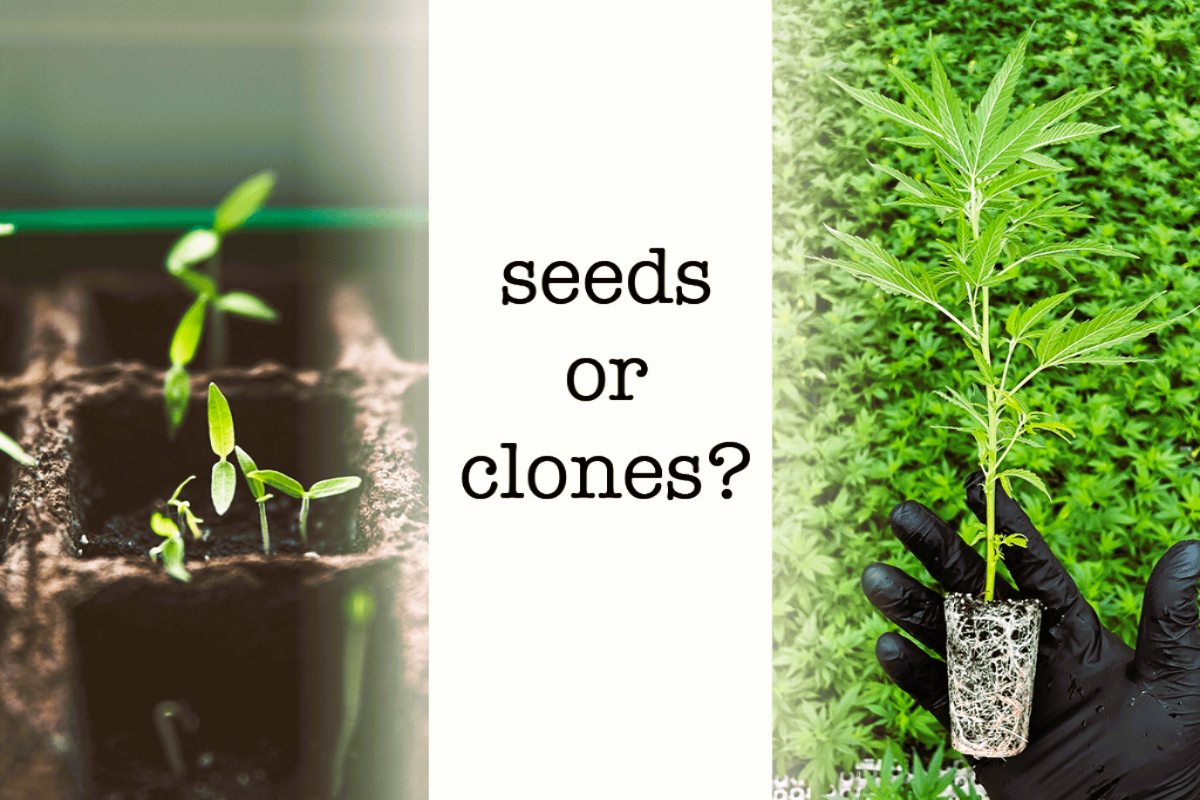
Growing Cannabis from Seed vs. from Clones
Growing cannabis can be a lucrative and enjoyable experience for both enthusiasts and commercial growers. One of the most important options you’ll make is whether to grow cannabis from seeds or clones. Both methods have advantages and limitations, and understanding them will help you make an informed decision about which one is ideal for your needs and growing conditions.
Growing Cannabis from Seeds
Advantages of Growing from Seeds
1. Genetic Diversity
Growing cannabis from seeds introduces a broad genetic pool, which can lead to the development of unique and potentially superior strains. This diversity is particularly valuable for breeders looking to create new hybrids with specific traits. The genetic variation found in seeds allows for the expression of different phenotypes, giving growers the opportunity to select plants with the best characteristics for their needs.
2. Stronger Plants
Plants grown from seeds often develop stronger root systems compared to clones. This is because seed-grown plants establish a taproot, which provides a solid anchor and enhances the plant’s ability to absorb water and nutrients from the soil. A strong root system produces healthier plants that are more resistant to environmental stresses, diseases, and pests.
3. Availability and Variety
Seeds are readily available from numerous breeders and seed banks, offering a vast array of strains to choose from. This availability allows growers to experiment with different types and find the best strains for their specific needs. Whether you are looking for high-THC strains, CBD-rich varieties, or specific terpene profiles, there are seeds available to suit every preference.
4. Vigor and Longevity
Seed-grown plants tend to exhibit more vigor and can be more robust, with a longer lifespan. This vigor is particularly important for outdoor growers who need hardy plants that can withstand varying weather conditions. Plants grown from seeds can be more adaptable to their environment, leading to improved overall growth and yields.
5. Enhanced Resistance
Due to their genetic variability, plants grown from seeds can show enhanced resistance to pests and diseases. The natural selection process during germination and early growth can result in stronger, more resilient plants that are better equipped to handle biological threats. This can be particularly beneficial in environments where disease pressure is high.
6. Cost-Effectiveness
Seeds can be more cost-effective than clones, especially when purchased in bulk. While the initial cost of high-quality seeds might be higher, the potential for higher yields and the ability to generate new seeds from mature plants can offset this investment. This makes seeds a viable option for growers looking to maximize their return on investment.
7. Legal and Ethical Considerations
In some regions, growing from seeds might be the only legal or ethically acceptable method. Seeds can often be purchased and transported more easily than clones, which might be subject to stricter regulations. For growers adhering to local laws and ethical guidelines, seeds provide a practical and compliant option.
8. Potential for Breeding
Seeds provide the opportunity for breeding new strains. By crossing different plants, growers can create hybrids with desirable traits, such as improved flavor, potency, or resistance to environmental stressors. This breeding potential is a significant advantage for those looking to innovate and develop new cannabis varieties.
9. Natural Growth Cycle
Growing from seeds allows plants to follow their natural growth cycle, which can lead to more vigorous and healthy development. Seed-grown plants often exhibit stronger overall growth patterns, including better branching and more robust flower production. This natural progression can result in higher-quality harvests.
10. Self-Sustainability
By growing from seeds, growers can develop a self-sustaining cultivation system. Plants can be bred to produce seeds for future grows, reducing dependence on external suppliers and ensuring a continuous supply of high-quality genetics. This self-sustainability can be particularly important for long-term cultivation plans.
Disadvantages of Growing from Seeds
1. Germination Time
Seeds require time to germinate and grow into mature plants. This initial phase can take several weeks, during which the plants are vulnerable and require careful attention. Compared to clones, which are already developed and can be transplanted directly, seeds add extra time to the cultivation process. This extended timeline can be a drawback for growers looking for faster harvest cycles.
2. Sexing Plants
Cannabis plants can be male or female, and identifying the sex of seed-grown plants can be challenging. Male plants must be removed to prevent pollination and seed production, which can be labor-intensive and requires a good understanding of the plant’s growth stages. This process, known as sexing, involves inspecting plants during their pre-flowering phase to identify and cull males, which can be time-consuming and prone to error.
3. Inconsistency in Phenotypes
Even with stabilized strains, there can be variability in phenotypes, leading to differences in plant size, yield, and cannabinoid profiles. This inconsistency can be a drawback for growers seeking uniformity, especially in commercial operations where standardized products are essential. The natural genetic diversity of seeds means that not all plants will exhibit the same desirable traits, making it harder to predict and control the outcome.
4. Initial Vulnerability
Seedlings are delicate and more susceptible to environmental stressors such as changes in temperature, humidity, and light levels. They are also more vulnerable to diseases and pests compared to more established plants. This initial vulnerability requires growers to provide a controlled environment with optimal conditions, which can be resource-intensive and challenging, especially for beginners.
5. Slower Start
Plants grown from seeds generally take longer to reach maturity compared to clones. This slower start can delay the overall growing cycle, making it less efficient for growers who aim for multiple harvests within a single growing season. This slower growth can also impact the timing of the harvest, particularly for outdoor growers who need to align their cycles with seasonal changes.
6. Uncertain Viability
Not all seeds are viable, and some may fail to germinate altogether. This uncertainty can lead to wasted resources and the need to plant extra seeds to ensure a sufficient number of healthy plants. Additionally, the germination rate can vary based on factors such as seed quality, storage conditions, and the germination method used.
7. More Space and Resources
Growing from seeds often requires more space and resources during the initial stages. Seedlings need to be started in a separate area with controlled conditions before being transplanted to their final growing location. This necessitates additional equipment such as germination trays, heat mats, and humidity domes, increasing the overall cost and complexity of the cultivation setup.
8. Potential for Hermaphroditism
Some seed-grown plants can exhibit hermaphroditism, where they develop both male and female reproductive organs. This can lead to self-pollination and seed production within the flowers, reducing the quality and quantity of the final product. Hermaphroditic traits can be triggered by environmental stressors or genetic predisposition, making it another risk factor for growers to manage.
9. Environmental Impact
The process of breeding and producing seeds can have a significant environmental impact, particularly when it involves large-scale agricultural practices. The cultivation of seed plants requires water, nutrients, and energy, which can contribute to resource depletion and environmental degradation. Additionally, the transportation and packaging of seeds add to the carbon footprint of cannabis cultivation.
10. Limited Immediate Control Over Genetics
When starting from seeds, growers have less immediate control over the specific traits of the plants. While seeds can offer a wide range of genetic possibilities, it can take several generations of selective breeding to stabilize and consistently produce desired traits. This process requires time, patience, and expertise, which might not be feasible for all growers.
Growing Cannabis from Clones
Advantages of Growing from Clones
1. Consistency
Clones are genetically identical to the mother plant from which they were taken. This ensures uniformity in growth, appearance, and cannabinoid content. For commercial growers, this consistency is crucial for producing a standardized product that meets consumer expectations. Consistent plants mean predictable yields, potency, and flavor profiles, which are essential for branding and market success.
2. Faster Growth
Clones bypass the germination and seedling stages, starting as mature plant cuttings. This results in a shorter time to harvest, allowing growers to achieve more cropping cycles within a year. The faster growth cycle of clones can lead to increased productivity and quicker returns on investment, making them a preferred choice for growers looking to maximize their output.
3. Guaranteed Females
Clones taken from female plants will always be female, eliminating the need for sexing. This guarantees that all plants will produce the desired flower buds and reduces the risk of accidental pollination. For growers focused on flower production, this is a significant advantage, as it ensures the entire crop will be productive.
4. Preservation of Desired Traits
Cloning allows growers to preserve and replicate specific traits from a favorite plant, such as high THC content, particular terpene profiles, or exceptional resistance to pests and diseases. This ability to replicate desirable traits ensures that high-quality plants can be reproduced consistently over time.
5. Increased Survival Rate
Clones generally have a higher survival rate compared to seedlings, which can be more susceptible to environmental stressors during the early stages of growth. Once established, clones are often hardier and better adapted to the growing conditions, leading to healthier plants and higher yields.
6. Efficient Use of Space
Since clones start as mature cuttings, they can be spaced more efficiently compared to seedlings, which require more room for growth and development. This efficient use of space is particularly advantageous for indoor growers who need to maximize their grow area to increase overall productivity.
7. Cost-Effective in the Long Run
Although the initial cost of acquiring clones may be higher than seeds, the overall savings in time, resources, and labor can make cloning a cost-effective method in the long run. The reduced need for sexing, faster growth cycles, and increased survival rates contribute to lower operational costs and higher profitability.
8. Simplified Breeding Programs
Clones can simplify breeding programs by providing a stable genetic base from which to work. Growers can cross clones from different plants to create new hybrids while maintaining control over the genetic makeup of the parent plants. This stability allows for more precise breeding outcomes and the development of new strains with specific desired traits.
9. Less Initial Vulnerability
Clones are less vulnerable during the initial stages compared to seedlings. They start with a developed structure, making them more resilient to environmental fluctuations and less prone to issues such as damping-off, which can affect young seedlings. This robustness can lead to a higher success rate and a smoother cultivation process.
10. Immediate Feedback for Improvements
Using clones allows growers to make immediate adjustments and improvements based on the performance of the mother plant. If a particular clone exhibits superior traits, it can be propagated quickly, and any necessary changes in growing techniques or environmental conditions can be implemented without waiting for a new generation of plants.
Disadvantages of Growing from Clones
1. Limited Genetic Diversity
Cloning produces genetically identical plants, which reduces genetic diversity. This lack of diversity can make cloned plants more susceptible to diseases and pests. If a disease or pest is capable of affecting one clone, it can potentially affect all the plants in the crop, leading to widespread issues. Genetic diversity found in seed-grown plants provides a natural buffer against such threats.
2. Dependency on Mother Plants
Cloning requires maintaining healthy mother plants from which cuttings are taken. These mother plants need their own space, nutrients, and care to ensure they remain vigorous and disease-free. Maintaining mother plants can be resource-intensive and requires additional time and effort, which can be a drawback for growers with limited resources or space.
3. Rooting Challenges
Clones need to develop new root systems, a process that can be delicate and sometimes problematic. Proper rooting requires controlled conditions with appropriate humidity, temperature, and light levels. Failure to root properly can lead to plant loss and reduced yields. The process of rooting clones can also be time-consuming and may require specific equipment such as cloning gels, trays, and humidity domes.
4. Genetic Drift and Mutations
Over time, clones can experience genetic drift or mutations, leading to changes in the plant’s characteristics. These changes can result in reduced vigor, lower yields, or altered cannabinoid profiles. While genetic drift can be slow, it can accumulate over multiple generations of cloning, potentially impacting the overall quality of the crop.
5. Potential for Disease Transmission
Cloning can propagate diseases and pests from the mother plant to the clones. If the mother plant is infected with a disease or infested with pests, these problems can be transferred to all the clones, leading to widespread crop issues. It’s crucial to ensure that mother plants are healthy and disease-free before taking cuttings.
6. Cost of Acquiring Clones
The initial cost of acquiring clones can be higher than purchasing seeds, especially if buying from reputable sources or nurseries. High-quality clones can be expensive, and the investment may not always guarantee successful growth if the clones do not root properly or adapt well to their new environment.
7. Limited Strain Selection
Clones are typically limited to the strains available from the source, which might restrict the grower’s ability to experiment with new or unique strains. Seed banks often offer a broader range of strains, providing more options for growers to explore different genetic profiles and find the best match for their specific growing conditions and preferences.
8. Intensive Care Requirements
Clones require intensive care during the initial stages of rooting and establishment. This includes maintaining high humidity levels, appropriate lighting, and proper nutrient regimens. The need for precise environmental control can be demanding, especially for novice growers or those without access to advanced growing equipment.
9. Ethical and Legal Considerations
In some regions, the use of clones might be subject to stricter legal regulations compared to seeds. Additionally, ethical considerations regarding the propagation of certain proprietary strains might restrict the use of clones. Growers need to be aware of local laws and regulations regarding cloning and ensure they are compliant with any legal or ethical standards.
10. Risk of Cloning Fatigue
Cloning the same plant repeatedly can lead to a phenomenon known as cloning fatigue, where the genetic material of the clones starts to degrade over time. This degradation can result in weaker plants, reduced yields, and diminished quality. To mitigate this, growers might need to periodically introduce new mother plants from seeds, which can be counterproductive to the advantages of cloning.
Factors to Consider When Choosing Between Seeds and Clones
Growing Environment
- Indoor vs. Outdoor:
- Indoor growers might prefer clones for their consistency and faster growth cycles, while outdoor growers might favor seeds for their robustness and adaptability to varying conditions.
- Climate:
- Seeds can be advantageous in harsher climates where plants need to be more resilient. Clones, on the other hand, thrive in controlled environments where conditions are optimized.
Scale of Operation
- Commercial vs. Personal Use:
- Commercial operations often favor clones to ensure product consistency and maximize yields. Personal growers might enjoy the diversity and experimentation that comes with growing from seeds.
Purpose
- Breeding:
- If breeding new strains is your goal, starting from seeds is essential to create new genetic combinations. Clones are suitable for preserving and propagating a specific strain with desired traits.
- Medicinal Use:
- For patients growing their own medicine, consistency and reliability might be paramount, making clones a preferable option.
Best Practices for Growing from Seeds
- Germination:
- Use a controlled environment with appropriate humidity and temperature to ensure successful germination. Methods like paper towel, water soaking, or direct planting in a medium can be employed.
- Seedling Care:
- Young seedlings require gentle care, including adequate light, water, and nutrients. Avoid overwatering and provide a gentle breeze to strengthen stems.
- Transplanting:
- Once seedlings develop a few sets of true leaves, they can be transplanted into larger containers or outdoor beds. Handle them carefully to avoid damaging the delicate roots.
- Sexing:
- Monitor plants closely as they mature to identify and remove male plants. Pre-flowering can help identify sex early in the vegetative stage.
Best Practices for Growing from Clones
- Selecting Mother Plants:
- Choose healthy, vigorous mother plants with desirable traits. Regularly inspect and maintain mother plants to ensure they remain free from pests and diseases.
- Cutting and Rooting:
- Take cuttings with clean, sterilized tools to prevent infections. Use rooting hormones and place cuttings in a suitable medium (e.g., rockwool, peat pellets) with high humidity and moderate light.
- Transplanting Clones:
- Once roots are well-established, clones can be transplanted into larger containers or the ground. Handle them gently to avoid damaging the delicate new roots.
- Ongoing Care:
- Clones, like seed-grown plants, require proper lighting, nutrients, and environmental controls. Monitor for any signs of stress or disease, and adjust care as needed.
Conclusion
Choosing between growing cannabis from seeds or clones ultimately depends on your specific goals, resources, and growing conditions. Seeds offer genetic diversity and robust plants, making them ideal for breeding and outdoor cultivation. Clones provide consistency and quicker growth cycles, which are advantageous for commercial operations and indoor grows.
By understanding the advantages and disadvantages of each method, you can make an informed decision that aligns with your cultivation objectives. Whether you opt for seeds, clones, or a combination of both, successful cannabis cultivation requires careful planning, attention to detail, and a commitment to providing the best possible care for your plants.
