Table of Contents
Grow Tent
Introduction to Grow Tents
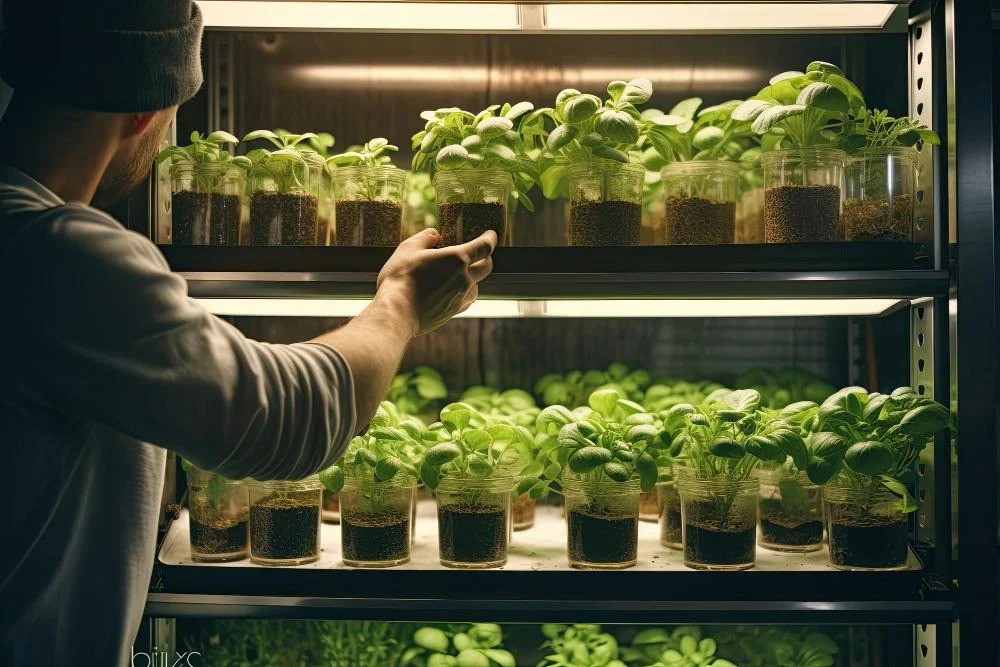
Grow tents play a crucial role in controlled environment agriculture, providing optimal conditions for growing a variety of plants, especially in urban and space-limited environments. This introduction outlines the basics of grow tents, examining their importance, functionality, and the benefits they bring to modern gardening and agricultural practices.
Purpose and Functionality: Grow tents are enclosed spaces with reflective interior walls designed to optimize light efficiency and control environmental conditions. These portable structures allow for precise regulation of factors like light, temperature, humidity, and air circulation, crucial for promoting healthy plant growth and maximizing yields regardless of external weather influences.
Design and Materials: Constructed from durable, light-proof materials and lined with reflective mylar, grow tents ensure that light from grow lamps is effectively contained, providing plants with the intense, consistent light required for photosynthesis. These structures are typically equipped with various openings fitted with fasteners, facilitating an airtight environment while accommodating ventilation equipment, cables, and other necessary installations.
For growers building a complete setup—from seed selection through harvest—our cannabis seed growing guides provide the foundational knowledge that supports effective grow tent use.
Advantages of Using Grow Tents:
- Enhanced Growth Control: Grow tents offer an isolated environment that enables fine-tuning of growing conditions directly affecting plant health. Adjustments to lighting, humidity, and temperature can be tailored to specific plant needs or growth stages.
- Energy Efficiency: The reflective walls of a grow tent help maximize light utilization, reducing the need for excessive energy consumption and potentially lowering energy costs, particularly where lighting is a significant aspect of the setup.
- Pest and Disease Management: By isolating plants from external infestation sources, grow tents significantly lower the risk of pest and disease outbreaks, easing maintenance and care.
- Year-Round Growing: A major benefit of grow tents is the ability to cultivate plants under consistent conditions throughout the year, bypassing the restrictions of seasonal changes and external climates.
Conclusion: Grow tents offer a versatile and effective solution for modern agriculture, proving especially beneficial for hobbyists, urban farmers, and proponents of sustainable planting methods. They enable enhanced plant growth through superior environmental control, establishing themselves as invaluable in the modern gardener’s toolkit. By incorporating grow tents into their operations, cultivators can achieve higher yields, superior quality produce, and more resource-efficient practices.
Choosing the Right Grow Tent
Choosing the correct grow tent is a crucial decision that can greatly influence the success of indoor gardening projects. This detailed guide is designed to aid gardeners and agricultural enthusiasts in selecting the perfect grow tent tailored to their specific needs, ensuring optimal growth conditions and efficient use of space. By understanding the key factors involved in selecting a grow tent, individuals will be empowered to make choices that enhance their gardening success.
I. Size and Space Considerations
Evaluating Spatial Requirements: The first step in choosing the right grow tent is to assess the space available for setup. Grow tents come in various sizes, and selecting one that fits comfortably within your available space without causing overcrowding is essential. Important considerations include the mature size of the plants, the space needed for equipment, and the necessary clearance for easy movement and maintenance.
II. Material Quality and Durability
Fabric Density and Durability: The durability of a grow tent is largely dependent on the quality and density of the fabric used. High-quality grow tents are typically made from thick, durable material with a high denier count. These materials ensure the tent’s longevity, provide adequate insulation, and prevent light leakage.
III. Light Reflection and Insulation
Maximizing Light Efficiency: For optimal light efficiency, the interior of a grow tent should be lined with a highly reflective material. Mylar is commonly used for its excellent ability to reflect light, crucial for even growth and yield across the entire plant canopy.
IV. Ventilation and Air Circulation
Ensuring Proper Airflow: Proper ventilation is crucial for maintaining the appropriate temperature and humidity levels within a grow tent. Choose tents with multiple ventilation options that can accommodate both intake and exhaust systems, such as fans or air conditioners. Proper air circulation is crucial for preventing pests and diseases, as well as for encouraging robust plant growth.
V. Portability and Assembly
Ease of Assembly: Consider the ease of assembling the grow tent. Many modern grow tents are designed for simple setup with minimal tools required, which is beneficial for gardeners who may need to relocate or dismantle their setups occasionally. Additionally, opt for grow tents with removable, water-resistant flooring to aid in maintenance and cleaning.
VI. Additional Features
Enhanced Functionality: Grow tents may include additional features that increase their functionality. Key enhancements include multiple access points for easier maintenance and viewing windows that allow for monitoring of plants without disrupting the internal environment. These features make the gardening process more convenient and less obtrusive.
Conclusion
Selecting the right grow tent requires careful consideration of various factors, including size, material quality, light reflection, ventilation, and ease of use. By thoroughly assessing these elements, gardeners can choose a grow tent that not only satisfies their immediate needs but also supports future growth and changes in their gardening projects. Ultimately, the right grow tent becomes an essential tool for achieving successful indoor gardening.
Essential Equipment for Grow Tents
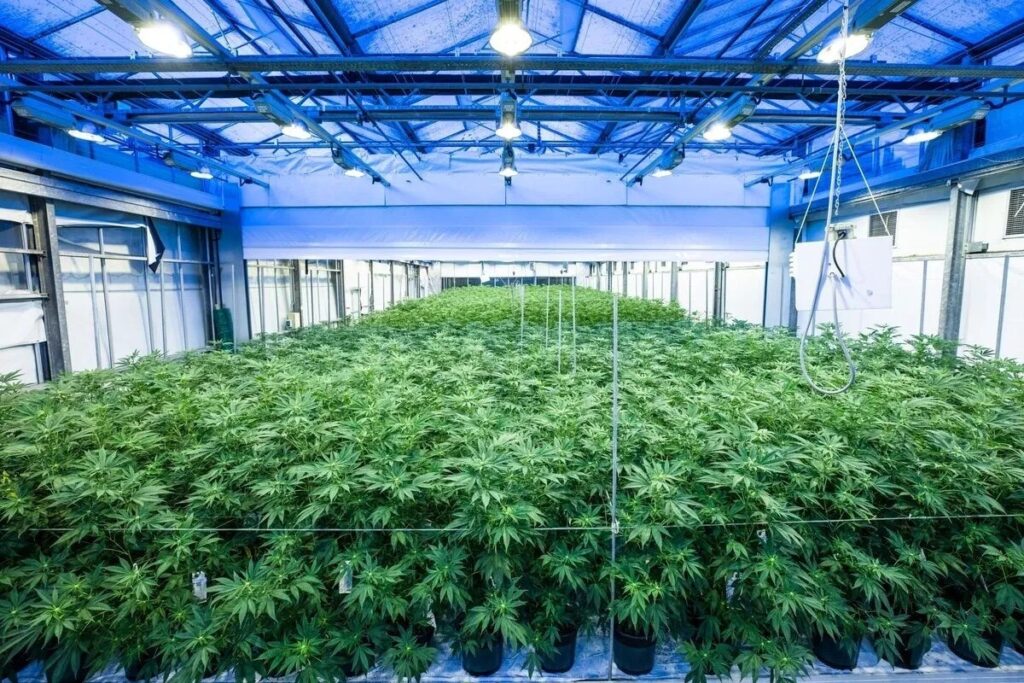
Grow tents are becoming a staple among indoor gardening enthusiasts, providing a controlled environment that is ideal for nurturing a variety of plants. To fully leverage the capabilities of a grow tent, it is imperative to outfit it with the appropriate tools and devices. This guide outlines the essential equipment necessary to establish a productive grow tent, ensuring all conditions are optimized for plant health and productivity.
I. Lighting Systems
Critical for Plant Growth: Lighting is a pivotal component in any grow tent setup, as plants depend on light for photosynthesis the process by which they convert light, oxygen, and water into energy. Several varieties of grow lights exist, such as LEDs, High-Intensity Discharge (HID) lamps, and Compact Fluorescent Lamps (CFLs). The selection of lighting should be based on the specific requirements of the plants, the dimensions of the grow tent, and considerations of energy efficiency.
II. Ventilation Equipment
Air Quality and Temperature Control: Effective ventilation is crucial for managing air flow and maintaining appropriate temperature within a grow tent. A robust ventilation system should include an exhaust fan to expel warm air and an intake fan to introduce fresh air. This configuration aids in keeping temperature and humidity at optimal levels, mitigates odors, and prevents the accumulation of harmful pathogens.
III. Climate Control Units
Temperature and Humidity Management: Climate control units are essential for regulating the temperature and humidity levels inside a grow tent. These systems generally consist of thermostats, humidifiers, and occasionally dehumidifiers. Controlling the microclimate within the grow tent is vital for simulating the natural outdoor conditions that plants thrive in, which is crucial for their growth and development.
IV. Growing Mediums
Foundation for Root Development: The growing medium is critical for the development of healthy plant roots. Many indoor gardeners favor traditional soil for its ease of use, while others prefer hydroponic systems that support plant growth in a nutrient-rich, water-based solution, which can accelerate growth rates and increase yields.
V. Nutrient Delivery Systems
Essential for Plant Nourishment: Plants require a range of nutrients for growth, which can be supplied through high-quality fertilizers and nutrient solutions. For soil-based setups, nutrient-rich soil might be sufficient. However, hydroponic systems require a balanced, water-soluble nutrient solution. Implementing timers and automated feeders can ensure consistent and proper nutrient delivery.
VI. Measurement Tools
Monitoring and Adjustments: Regular monitoring of environmental conditions within the grow tent is crucial. Key tools for this purpose include pH meters to test soil acidity, thermometers to monitor temperature, and hygrometers to assess humidity levels.
Conclusion
Properly equipping a grow tent with the right tools and technologies is fundamental for establishing an ideal growing environment. Investing in quality lighting, efficient ventilation, accurate climate controls, suitable growing mediums, effective nutrient delivery systems, and dependable measurement tools can greatly enhance plant health and productivity. This strategic approach to equipment selection ensures that every component of the grow tent collaborates effectively, supporting robust plant growth and abundant yields.
Setting Up Your Grow Tent
Establishing a grow tent is an essential step for indoor gardeners seeking to create a controlled environment that fosters plant health and maximizes yield. This guide offers a structured method for assembling your grow tent, ensuring that each element works effectively to foster vigorous plant growth. By adhering to these comprehensive instructions, you can enhance the success and fulfillment of your indoor gardening efforts.
I. Choosing the Right Location
Selecting an Appropriate Space:
Start by selecting an appropriate space in your home that can comfortably fit the dimensions of the grow tent. The chosen location should be free of excessive heat or cold drafts, which could affect the internal conditions of the tent. Ideally, the area should be easily accessible for regular maintenance and close to power sources for electrical equipment.
II. Assembling the Grow Tent
Construction: Follow the manufacturer’s instructions carefully when assembling the grow tent. Start by constructing the frame, typically made of metal poles that interlock. Once the frame is stable, drape the fabric over it, ensuring that it covers all sides and corners without any gaps. Secure all zippers and closures to maintain an airtight environment.
III. Installing Lighting Systems
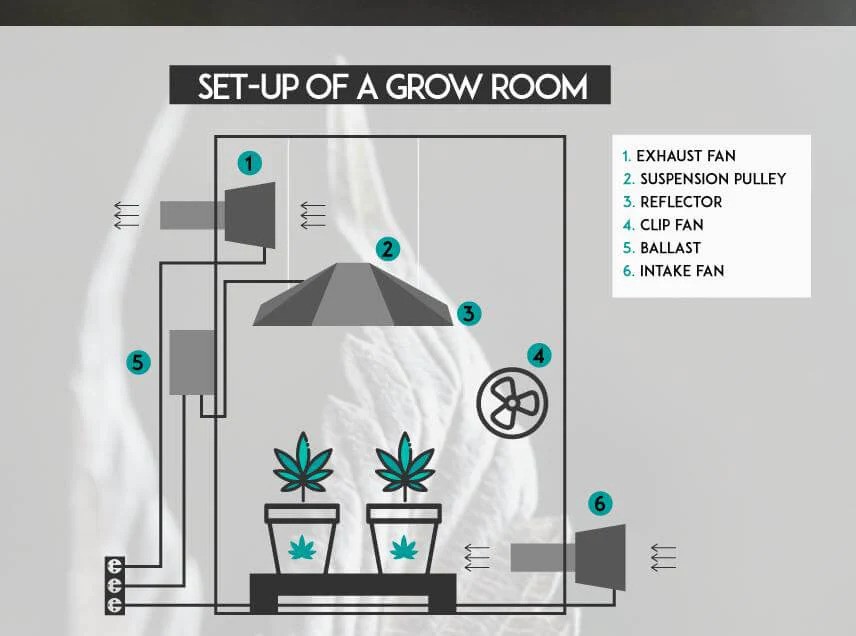
Optimal Light Setup: Install the lighting fixtures onto the frame of the grow tent. Ensure that lights are evenly distributed to provide uniform light coverage for all plants. Modify the height of the lights according to the growth stage and specific types of plants; for instance, seedlings may need to be placed closer to the light source compared to more mature plants.
IV. Setting Up Ventilation
Ensuring Adequate Airflow: Install an intake fan at a lower point on one side of the tent and an exhaust fan at the opposite side near the top. This setup promotes natural air movement from the bottom to the top, mimicking natural breezes and helping to regulate temperature and humidity effectively. Ensure that all vents and fans are properly sealed and connected to external ventilation if necessary.
V. Climate Control
Regulating Environment: Place thermostats and hygrometers in the tent to continuously monitor the temperature and humidity. Adjust your climate control systems accordingly to maintain the ideal conditions specific to your plants’ requirements. This might include adding humidifiers, dehumidifiers, or heaters to stabilize the environment within the grow tent.
VI. Arranging Growing Mediums and Plants
Plant Placement: Arrange your plants or seed trays evenly within the tent, ensuring that each has sufficient space for growth and access to light. Consider the mature size of the plants to avoid overcrowding, which can lead to issues with air circulation and disease.
VII. Final Checks and Maintenance
Operational Testing: Before beginning your growing cycle, test all systems for a full day to ensure they operate correctly. Check for light leaks, test the stability of the setup, and monitor temperature and humidity levels for fluctuations that could impact plant health.
Conclusion
Setting up a grow tent involves careful planning and attention to detail in each step, from selecting the right location to arranging the plants within the controlled environment. By methodically setting up your grow tent and ensuring all components are correctly installed and functioning, you set the stage for a productive and efficient indoor gardening experience. This proactive approach not only facilitates optimal plant growth but also enhances the overall success of your indoor gardening endeavors.
Optimizing Plant Health and Yield
Achieving optimal plant health and maximizing yield are crucial objectives in gardening, particularly within controlled indoor environments where conditions can be precisely managed. This document presents a structured approach, encompassing strategic methods and best practices designed to enhance plant vitality and boost yields. This guide acts as an essential tool for both novice and seasoned gardeners seeking to excel in their horticultural pursuits.
I. Adequate Lighting
Ensuring Adequate Light Exposure: Light plays a critical role in plant photosynthesis and overall growth. Utilizing high-quality grow lights and positioning them strategically ensures that all plants receive consistent, even lighting, minimizing any shaded areas. Adjust the placement and intensity of these lights based on the growth stage and specific needs of each plant type.
II. Proper Nutrition
Implementing a Balanced Nutritional Plan: Balanced nutrient intake is essential for optimal plant growth across various stages vegetative, flowering, and fruiting. Utilize high-quality fertilizers that offer a balanced blend of nitrogen, phosphorus, and potassium, supplemented with crucial micronutrients. Regularly assess the nutrient levels in the soil or growing medium and adjust your fertilization strategy to maintain optimal fertility.
III. Ideal Watering Practices
Maintaining Appropriate Moisture Levels: Proper watering is vital to prevent the issues of both overwatering and underwatering, which can induce plant stress, disease, or poor health. Develop and adhere to a watering schedule that aligns with the plants’ developmental stages and specific environmental needs. Employ tools like moisture meters to accurately gauge soil moisture and tailor your watering approach to avoid moisture-related stress.
IV. Climate Control
Optimizing Temperature and Humidity: Maintaining suitable temperature and humidity levels is imperative for promoting healthy plant growth and productivity. Implement reliable climate control systems to keep these environmental factors within ideal ranges. Customize your setup with heaters, fans, humidifiers, and dehumidifiers, considering the unique climatic preferences of various plant species.
V. Pest and Disease Management
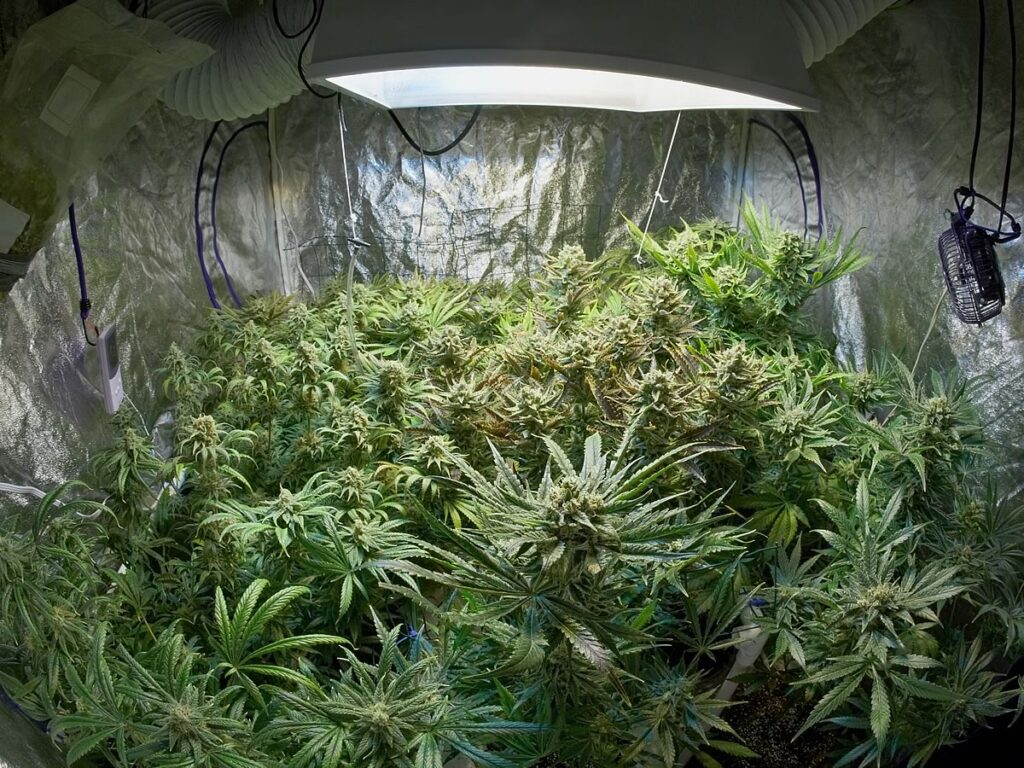
Implementing Proactive and Reactive Measures: Routine inspections are crucial for the early detection and management of pest and disease issues. Employ integrated pest management (IPM) strategies that include physical barriers, biological controls, and when necessary, safe chemical treatments. Keeping the environment clean and minimizing excess moisture also helps reduce the risk of infestations.
VI. Pruning and Training
Encouraging Optimal Plant Structure: Pruning and training are essential for enhancing light penetration and air circulation, fostering healthier growth and increasing yields. Techniques like topping, trimming, and using supports are instrumental in managing plant size and promoting more vigorous growth and potentially enhanced fruit production.
VII. Genetic Selection
Choosing Appropriate Plant Varieties: Select plant varieties that are robust, disease-resistant, and well-adapted to indoor conditions. Opt for varieties that have been specifically bred for indoor or hydroponic cultivation to maximize yield and quality.
Conclusion
Optimizing plant health and yield in an indoor setting involves a diligent mix of strategic planning, ongoing monitoring, and active management of growing conditions. By adopting these strategies, gardeners can significantly enhance the health and productivity of their plants, leading to successful and gratifying indoor gardening projects. Each step taken to optimize the growing environment directly contributes to healthier plants and more substantial yields, achieving the ultimate goals of any dedicated gardener.
Advanced Techniques and Modifications
In the evolving world of indoor gardening, advanced techniques and modifications significantly enhance the efficiency and outcomes of cultivation practices. As gardeners develop their basic horticultural skills, they often delve into more complex methods aimed at improving plant health, optimizing space, and boosting yields. This pursuit involves a combination of cutting-edge technology, sophisticated methodologies, and innovative adjustments that challenge the conventions of traditional gardening.
Automation in Environmental Control
A prevalent advanced technique is the use of automated systems to manage environmental factors such as lighting, temperature, and humidity. Integrating smart technology into gardening setups allows gardeners to precisely control growing conditions, tailoring the environment to meet the specific needs of their plants at various stages of growth. Automation not only ensures consistent care but also facilitates detailed adjustments that significantly enhance plant development and yield.
Hydroponic Systems for Enhanced Nutrient Delivery
The adoption of specialized hydroponic systems is another significant modification. These systems replace soil with nutrient-rich water solutions, enabling greater control over nutrient delivery and absorption. This approach accelerates growth rates and increases productivity while also reducing the risk of soil-borne diseases and pests, thereby promoting healthier plants and cleaner growing environments.
Advancements in Lighting Technology
Lighting technology has also advanced significantly, with the introduction of energy-efficient LED grow lights that offer a spectrum of light specifically tailored to support plant growth. These lights are adjustable based on the growth phase and specific needs of the plants, providing optimal light absorption with minimal heat output and reduced energy consumption.
Training and Pruning for Optimal Growth
Additionally, training and pruning techniques such as topping, super cropping, and employing the Sea of Green (SOG) or Screen of Green (SCROG) methods play a crucial role in influencing plant structure and yield. These techniques encourage lateral rather than vertical growth, enhancing light exposure and air circulation, which not only optimizes space utilization within a grow tent or indoor garden but also significantly improves yield by promoting a larger number of growth points.
Genetic Optimization for Indoor Cultivation
Finally, advanced breeding and genetic manipulation have resulted in the development of plant varieties specifically designed for indoor conditions. These varieties are engineered to yield more, resist pests and diseases better, and thrive under artificial lighting, enabling indoor gardeners to achieve results previously only possible in outdoor environments.
Conclusion
The implementation of advanced techniques and modifications in indoor gardening opens up a plethora of opportunities for enhancing plant health, increasing yields, and making more efficient use of resources. As technology continues to advance, it empowers gardeners to exceed the traditional limits of controlled environments, leading to more effective practices and successful cultivation results. These advancements not only benefit individual gardeners but also contribute to the broader field of agriculture, promoting more sustainable and productive practices.
Troubleshooting Common Grow Tent Issues
Indoor gardening with grow tents offers numerous benefits, including the ability to control environmental conditions and extend growing seasons. However, as with any cultivation method, it presents its own challenges. Effective troubleshooting of common grow tent issues can significantly enhance the efficiency of the grow tent and promote healthier plant growth. This guide provides an overview of frequent problems encountered in grow tent setups and offers practical solutions to address these issues effectively.
1. Inadequate Lighting Issue Description: Plants showing slow growth, elongation, or pale leaves may be suffering from insufficient light exposure.
Solution: Verify that your lighting system is appropriate for your grow tent’s size and the plant types you are growing. Consider upgrading to more efficient light bulbs such as LEDs, which offer a broader spectrum and more intense light. Adjust the light placement for even distribution and use reflective materials on the tent walls to enhance light efficiency.
2. Poor Ventilation Issue Description: Indicators of inadequate ventilation include high humidity levels, stagnant air, and mold or mildew formation.
Solution: Install a robust ventilation system that includes both intake and exhaust fans to facilitate a consistent airflow that simulates natural breezes. Make sure the fans are sized correctly for your tent’s volume and perform regular checks and maintenance on them to ensure optimal performance. Clean filters regularly to maintain air quality.
3. Temperature Fluctuations Issue Description: Inconsistent temperatures in the grow tent can stress plants, potentially leading to stunted growth or leaf drop.
Solution: Employ a reliable digital thermostat to continually monitor the temperature. Equip your grow tent with heating or cooling systems to keep the temperature stable. Automation tools can also be set to adjust temperatures based on the time of day or changes within the tent.
4. Pests and Disease Issue Description: Plants affected by pests or disease may display spots on leaves, wilting, and a general decline in vigor.
Solution: Adopt preventive measures such as maintaining cleanliness in the grow tent and quarantining new plants before integration. Utilize organic pesticides or natural predators like ladybugs for pest control. For diseases, quickly remove any infected plant parts and administer fungicides that are approved for indoor use.
5. Humidity Issues Issue Description: Improper humidity levels can cause leaf issues, bud rot, or hinder nutrient uptake.
Solution: Utilize a hygrometer to accurately monitor humidity levels. Depending on the situation, install a humidifier or dehumidifier to adjust air moisture content. Regular monitoring will help maintain humidity within the optimal range of 40% to 60% for most plants.
6. Nutrient Imbalances Issue Description: Symptoms such as discolored leaves, stunted growth, and leaf drop can indicate nutrient imbalances.
Solution: Regularly test the soil or nutrient solution to verify it contains the proper balance of nutrients. Adjust your fertilization schedule accordingly and ensure the pH of your growing medium is within the ideal range for nutrient absorption. Consulting with a horticulturist can also help refine your nutrient management strategy.
Conclusion
Addressing common issues in grow tents requires a proactive approach and a thorough understanding of your indoor garden’s specific needs. By maintaining regular oversight and care of your grow tent setup, you can prevent many problems and create a more productive and rewarding indoor gardening experience. Promptly and effectively resolving these issues ensures that your plants flourish in an optimal environment, resulting in higher yields and healthier plants.
Safety and Legal Considerations
In controlled environment operations, such as indoor gardening or manufacturing, strict adherence to safety and legal guidelines is essential. This adherence ensures the protection of personnel and assets and maintains compliance with governmental regulations. This document highlights key safety and legal considerations necessary for maintaining a secure and compliant operation.
Safety Protocols: Implementing Robust Safety Measures: It is crucial to establish comprehensive safety protocols to protect individuals from potential hazards in controlled environments. These protocols should encompass comprehensive training in equipment handling, correct usage of personal protective equipment (PPE), and strict adherence to safety procedures designed to prevent accidents and injuries. Regular safety audits and drills are recommended to ensure these protocols are effectively enforced and well-understood by all personnel.
Risk Management: Continuous risk management is necessary in controlled environments. Regular updates to risk assessments should address any new potential hazards, such as chemical exposure or mechanical failures. Effective risk management not only involves recognizing and mitigating immediate risks but also includes planning for emergency responses and routine maintenance of all equipment to prevent malfunctions.
Legal Compliance: Adherence to Regulations: Compliance with local, state, and federal regulations is crucial in any controlled environment. These regulations may address environmental impact, waste management, labor practices, and safety standards. Staying informed about legislative changes and understanding their implications is essential to avoid legal liabilities and the potential for fines or sanctions.
Licensing and Permits: Operations may require various licenses and permits, including environmental permits, health and safety certifications, and operational licenses. Obtaining and renewing these permits as necessary is crucial for lawful operation. Failing to obtain the necessary permits can result in legal consequences including shutdowns, fines, and reputational harm.
Ethical Considerations: Promoting Ethical Practices: Operations should go beyond legal requirements to embrace ethical considerations. This includes ensuring fair labor practices, responsible environmental stewardship, and integrity in reporting and compliance. Ethical practices not only create a positive work environment but also enhance community relations and safeguard against legal complications.
Data Security and Privacy: Safeguarding Sensitive Information: In environments where sensitive data is processed or stored, protecting this information against breaches is imperative. Adhering to data protection regulations, such as GDPR in Europe or HIPAA in the United States, is essential to safeguard personal and proprietary information from unauthorized access.
Conclusion:
Upholding strict safety and legal standards in controlled environments is crucial not only for compliance but also for ensuring employee well-being, environmental protection, and maintaining the legal and ethical integrity of operations. Through diligent implementation of safety measures, keeping current with legal requirements, and adhering to ethical practices, organizations can achieve a safe, productive, and legally compliant operational status. Such efforts not only reduce risks but also contribute to the long-term success and reputation of the organization.
Conclusion
The adoption of grow tents significantly advances indoor gardening by offering a controlled environment that enhances plant growth and sustainability. These tents allow for precise adjustments of temperature, humidity, and lighting, facilitating year-round cultivation free from external seasonal and geographic limitations. This approach not only enhances plant health and yield but also stabilizes the production schedule.
Grow tents are eco-friendly as they efficiently use resources like water, nutrients, and light, and reduce pest and disease incidence with less need for chemical treatments. They are particularly beneficial for urban dwellers or those with limited space, making gardening more accessible and allowing cultivation of food or ornamental plants regardless of outdoor conditions.
In educational and research settings, grow tents are invaluable for studying plant behaviors and testing agricultural innovations in a controlled environment. Overall, the integration of grow tents in indoor gardening offers substantial benefits, increasing the viability of sustainable plant cultivation and paving the way for future advancements in gardening technology. For anyone interested in indoor gardening, grow tents provide a sophisticated and effective tool to enhance gardening success and contribute to a more sustainable future.
