Table of Contents
Grinder weed
Introduction to Weed Grinders: Purpose and Importance
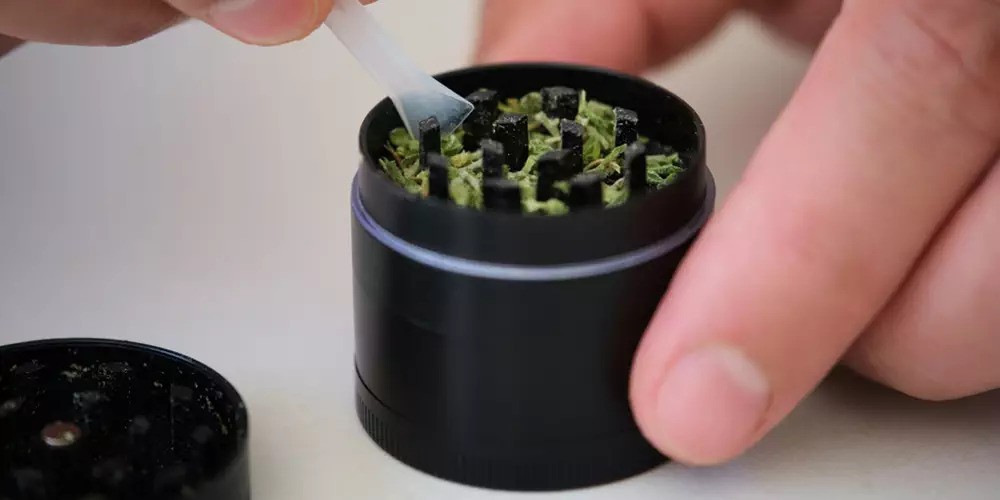
In today’s world of herbal enjoyment, weed grinders stand as indispensable tools. This document seeks to illuminate the essential role that weed grinders play in improving the experiences of both medicinal and recreational herbal users. We delve into their functionality, importance, and the ways they facilitate the preparation of herbs, covering various types and operational principles.
Purpose of Weed Grinders
Weed grinders excel at breaking down dense herbs into finer particles, making them more manageable. This process not only ensures uniform burning or vaporization but also maximizes the herbs’ surface area exposed to heat, thus enhancing consumption efficacy and efficiency.
Elevating User Experience
By guaranteeing a consistent texture, weed grinders elevate the quality of smoke and vapor, leading to a smoother and more enjoyable experience. This consistency is vital for avoiding uneven burning or hot spots, which can detract from the overall pleasure and effectiveness of herbal consumption.
Importance of Weed Grinders
Weed grinders offer more than just convenience; they provide a consistent particle size critical for even extraction of active compounds from herbs. This consistency ensures each use maintains a reliable standard of potency and effect, delivering consistent results.
Preserving Potency
Grinders minimize direct contact with herbs, reducing the degradation of essential oils and active ingredients. This preservation of potency is essential for maintaining the herbs’ effectiveness over time, ensuring they deliver the desired effects with each use.
Offering Versatility and Customization
Modern weed grinders often feature multiple chambers and filters, allowing for the collection of potent byproducts like kief. This versatility empowers users to customize their herbal consumption experience according to their preferences and needs, adding a personalized touch to their practices.
Conclusion
Weed grinders have revolutionized the herbal consumption experience, offering consistency, efficiency, and versatility. From their ability to produce a uniform grind to their role in preserving potency, weed grinders are indispensable tools for optimizing herbal practices. As herbal consumption continues to gain understanding and acceptance, the functional elegance of weed grinders will be increasingly appreciated.
Types of Weed Grinders: From Manual to Electric
The process of preparing cannabis for consumption involves the use of specialized devices known as cannabis grinders, or weed grinders. These tools are essential for breaking down cannabis buds into fine, even particles, facilitating a smoother combustion or vaporization process. This document aims to explore the spectrum of cannabis grinders available, from manual variants to electrically powered options, detailing their mechanisms and functionalities.
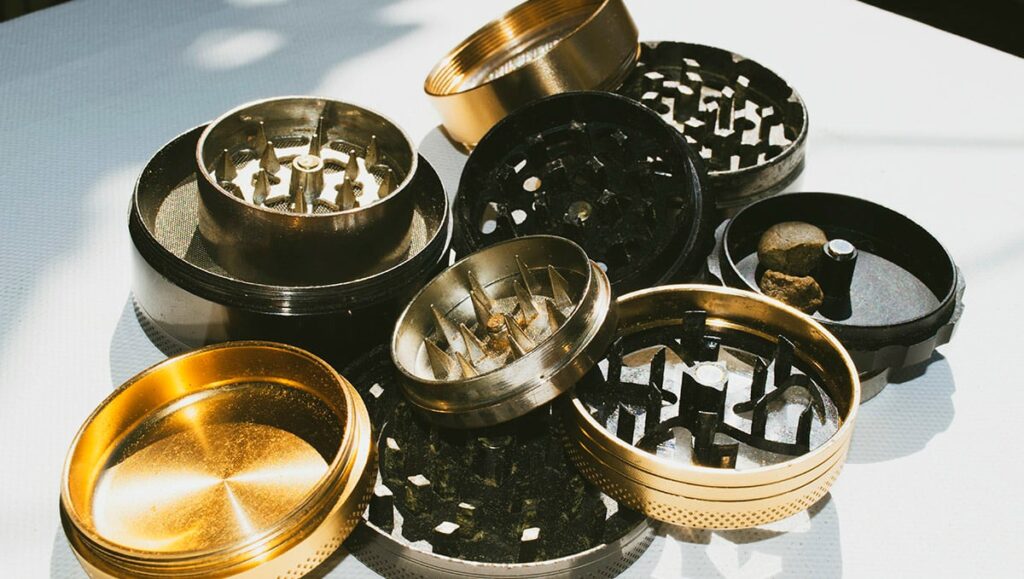
1. Manual Cannabis Grinders: Predominantly favored for their straightforward design and ease of use, manual grinders consist of two interlocking parts equipped with sharp projections. Users rotate these parts against each other to crush and shear the cannabis buds trapped within. Available in various materials including metal, wood, or acrylic, these grinders range in size and are classified into several types.
1.1 Two-Piece Grinders: These basic models feature a single chamber where both grinding and collection occur. They are suitable for modest, casual use.
1.2 Three-Piece Grinders: Adding a level of sophistication, three-piece models include a secondary compartment under the grinding area, separated by a fine mesh that filters out kief, a highly concentrated form of cannabis.
1.3 Four-Piece Grinders: Building on the three-piece configuration, these grinders have an additional lower chamber for further separation and collection of kief, optimizing the grinding result.
2. Electric Cannabis Grinders: For those seeking convenience and minimal physical effort, electric grinders automate the grinding process. Available as either battery-operated or plug-in devices, they cater to varying needs of capacity and mobility.
2.1 Battery-Operated Grinders: These are small, portable units ideal for users who prioritize convenience and portability, suitable even for those with limited hand strength.
2.2 Plug-In Electric Grinders: Built for robust applications, these grinders are adept at processing large quantities of cannabis with efficiency. Though less portable, they are ideal for environments where extensive grinding is regularly performed.
In summary, the choice of a cannabis grinder depends on individual preferences and requirements such as the quantity of cannabis to be ground, the desired texture of the output, and factors like portability and user-friendliness. Each grinder type presents distinct advantages that can significantly enhance the user’s experience by providing a consistent and effective grind.

Material Matters: Exploring Metal, Plastic, and Wooden Grinders
The selection of materials for cannabis grinders metal, plastic, and wood plays a critical role in their functionality and user experience. Grinders are indispensable tools for breaking down cannabis into a usable form, and the choice of material affects their effectiveness, longevity, and user satisfaction. This analysis explores the characteristics of each material, highlighting their advantages and potential limitations.
1. Metal Grinders: Metal grinders are highly valued for their durability and efficient grinding capability. Typically constructed from durable materials such as aluminum or stainless steel, these grinders are designed for longevity and are able to endure significant wear and tear. They are equipped with sharp, resilient teeth that produce a fine grind consistently. Features such as magnetic closures enhance their practicality by securing the grinder’s contents and reducing spillage. These attributes make metal grinders a preferred option for seasoned users.
1.1 Benefits:
- Exceptional durability and wear resistance.
- Consistent performance with sharp teeth.
- Additional features like magnetic lids and kief-catching chambers.
1.2 Points to Consider:
- Generally more expensive than other materials.
- Heavier, which might affect portability.
2. Plastic Grinders: Plastic grinders serve as a cost-effective solution, typically constructed from acrylic. These grinders are light and come in various colors and designs, making them attractive to many users. Suitable for occasional use, plastic grinders are practical, though they may not withstand long-term, intensive use as effectively as metal grinders, with their teeth prone to dulling over time.
2.1 Benefits:
- Affordable and readily available.
- Lightweight with diverse design options.
2.2 Points to Consider:
- Lower durability, with increased susceptibility to damage.
- Grinding quality may degrade with use.
3. Wooden Grinders: Wooden grinders offer a unique aesthetic and a touch of tradition, often appealing to those who appreciate craftsmanship and natural materials. These grinders are usually handcrafted, enhancing their visual appeal. However, they might not have as many teeth as metal grinders, potentially leading to a coarser grind. Wooden grinders also require more care to prevent residue build-up and maintain cleanliness.
3.1 Benefits:
- Visually appealing with a natural, often handmade appearance.
- Sought after for their traditional and organic feel.
3.2 Points to Consider:
- Fewer teeth, which may result in a less consistent grind.
- More maintenance needed to ensure longevity and cleanliness.
Ultimately, the choice of a grinder’s material should be based on personal preferences for durability, affordability, aesthetics, or environmental considerations. Each material offers distinct advantages: metal for robustness and efficiency, plastic for cost savings and lightweight designs, and wood for natural beauty and traditional appeal. Understanding these attributes allows users to select a grinder that best suits their needs and enhances their overall cannabis experience.
How to Choose the Right Grinder for Your Needs
Selecting the correct grinder is crucial for achieving the desired results in culinary, workshop, or industrial environments. This comprehensive guide is designed to assist in navigating the various types of grinders and determining the most suitable one based on your specific requirements. Understanding these considerations can greatly enhance your efficiency and satisfaction with the tool.
1. Classification of Grinders:
Grinders can be categorized according to their usage and operation:
- Food Grinders: These are used in kitchen settings to grind spices, herbs, and other ingredients.
- Coffee Grinders: Specifically engineered for grinding coffee beans to different consistencies.
- Angle Grinders: Multi-purpose tools used for cutting, grinding, and polishing in workshops.
- Bench Grinders: Commonly used in workshops for sharpening and grinding metal tools.
- Industrial Grinders: Heavy-duty grinders for large-scale material removal in manufacturing processes.
2. Evaluating Your Requirements:
It is vital to evaluate your specific needs before selecting a grinder:
- Intended Usage: Define the primary function of the grinder, whether it is for cooking, coffee preparation, metalworking, or industrial tasks.
- Material Suitability: Make sure the grinder is compatible with the materials you plan to process.
- Usage Frequency and Volume: Consider the amount of material you will grind and how frequently the grinder will be used, as this will influence the required size and power of the device.
3. Important Features to Consider:
Pay attention to these essential features when choosing a grinder:
- Power Source: Grinders can operate on electricity, air pressure, or manual effort. Choose based on what is most suitable and convenient for your setting.
- Size and Mobility: Depending on the available space and need for mobility, select either a compact, portable grinder or a larger, stationary unit.
- Adjustability of Grind: This is crucial for devices like coffee and food grinders, where control over grind size can impact the quality of the final product.
- User-Friendliness and Maintenance: Evaluate how easy the grinder is to operate and maintain. Consider factors such as simplicity of cleaning, assembly, and the availability of spare parts.
- Durability and Warranty: Select a grinder that promises durability and comes with a warranty to ensure long-term reliability and functionality.
4. Budget Considerations:
Define your budget based on the expected quality and features of the grinder. It is crucial to strike a balance between the cost-effectiveness and the quality and durability provided by the grinder.
5. Conducting Research and Reading Reviews:
Engage in thorough research and read user reviews to gain insights into the performance and reliability of various grinder models and brands. This step can help avoid common pitfalls and lead to a more informed purchase decision.
In summary, choosing the right grinder involves a careful assessment of your specific grinding needs, the materials involved, desired features, budget constraints, and insights from existing users. By meticulously evaluating these factors, you can choose a grinder that not only fulfills your needs but also delivers optimal performance and durability.
Step-by-Step Guide to Using a Weed Grinder Efficiently
Preparing cannabis efficiently is essential for enhancing its potency and flavor, whether used for medicinal or recreational purposes. Utilizing a cannabis grinder, a key tool in this process, helps break down the buds into a consistent, fine texture, promoting an even burn and efficient vaporization. Herein, we outline a detailed, step-by-step method to use a cannabis grinder effectively, optimizing both its functionality and the quality of the ground cannabis.
1. Choosing the Right Grinder: It is crucial to select a grinder that suits your needs. Metal grinders, particularly those with multiple chambers including a compartment for kief, are recommended for their durability and effective grinding.
2. Preparing the Cannabis:
- Step 1: Ensure the cannabis is sufficiently dry, as moisture can impede grinding.
- Step 2: Remove any stems from the buds to prevent damage to the grinder’s teeth and to avoid an unpleasant texture when consumed.
3. Loading the Grinder:
- Step 1: Open the top part of the grinder where the teeth are located.
- Step 2: Break the buds into smaller pieces by hand and position them between the teeth of the grinder. Take care not to overload the grinder’s center, where the magnet is, as this can restrict movement.

4. The Grinding Process:
- Step 1: Secure the top and rotate it about 10 times, using a back-and-forth motion. If you encounter resistance, ease the pressure to avoid damaging the teeth.
- Step 2: Check the consistency of the grind. A fine yet not powdery texture is ideal for uniform airflow and thorough vaporization.
5. Retrieving the Ground Cannabis:
- Step 1: Unscrew the chamber to access the freshly ground cannabis.
- Step 2: If your grinder includes a kief catcher, tap the grinder gently before opening to ensure the finer particles collect in the kief compartment.
6. Utilizing Kief: Kief, collected in the bottom chamber, is highly concentrated with cannabinoids and terpenes and can be used to enhance your ground cannabis or enjoyed separately for a potent effect.
7. Maintaining Your Grinder: Regular cleaning is necessary to maintain the grinder’s performance.
- Step 1: Disassemble the grinder completely.
- Step 2: Remove leftover particles with a brush or toothpick.
- Step 3: For thorough cleaning, particularly with metal grinders, wash with isopropyl alcohol and let it dry completely before reassembling.
In summary, proper use and maintenance of your cannabis grinder can significantly enhance your smoking or vaping experience by providing a consistently fine product. Following these steps will help maintain the effectiveness of your grinder and ensure you get the most out of your cannabis. Regular upkeep also preserves the grinder’s cleanliness and functionality over time.
Cleaning and Maintenance: Prolonging the Life of Your Grinder
The performance and lifespan of a grinder, whether used in the kitchen, a workshop, or an industrial setting, largely depend on systematic maintenance and regular cleaning. Residual build-up can significantly impair the grinder’s functionality and affect the quality of the material being processed. This document details crucial cleaning practices and maintenance strategies aimed at preserving the efficiency and prolonging the lifespan of various types of grinders.
1. The Significance of Routine Cleaning: Consistent cleaning is crucial to prevent the accumulation of residues that can cause increased wear, potential contamination, and loss of mechanical efficiency. For food and coffee grinders, maintaining cleanliness is also critical for preserving flavor and ensuring hygienic conditions.
2. Fundamental Cleaning Procedures:
- Step 1: Disassemble the Grinder: Fully disassemble the grinder to expose all components, especially those prone to accumulating debris. This access is crucial for comprehensive cleaning.
- Step 2: Clear Loose Particles: Employ a soft brush or a purpose-made cleaning tool to gently clear particles from the grinder’s blades, screens, and other parts. For coffee grinders, grinding rice may help in removing fatty residues.
- Step 3: Appropriate Washing: Clean the components using a solvent that is both effective and safe for the material of the grinder. Isopropyl alcohol is suitable for metal grinders, whereas warm soapy water may be used for plastic or wooden grinders.
- Step 4: Thorough Drying: Ensure all parts are completely dry before reassembly to avoid issues like rust on metal parts or swelling in wooden components.
3. Intensive Cleaning Techniques: For deep cleaning, particularly after heavy use or to remove tough residues:
- Metal Grinders: Soak the parts in isopropyl alcohol for a few hours, then scrub with a brush to remove sticky residues thoroughly.
- Plastic and Wooden Grinders: Opt for warm water mixed with a gentle detergent, taking care to avoid prolonged soaking that could damage the material.
4. Maintenance Routines:
- Regular Checks: Periodically check the grinder for any signs of wear, such as blunt blades, cracks, or other damage. Prompt detection allows for immediate correction, preventing further complications.
- Lubrication: If recommended by the manufacturer, apply appropriate lubrication to the grinder’s moving parts, essential for mechanical components in more industrial models.
- Proper Storage: Keep the grinder in a dry, clean setting to prevent damage from environmental factors like moisture or extreme temperatures.
5. Replacing Parts: Be prepared to replace parts when they are worn out or damaged. Keeping replacement parts available can ensure continuous efficiency and extend the grinder’s usable life.
Conclusion: Thorough cleaning and diligent maintenance are vital for sustaining the operational capacity and extending the lifespan of grinders. By implementing these maintenance practices, users will ensure optimal performance, reliability, and preservation of their grinders, maximizing the return on their investment in these essential tools.

Grinder Accessories and Add-ons: Enhancing the Grinding Experience
Grinders, pivotal in various settings from kitchens to workshops, can see significantly improved performance and versatility through the adoption of specific accessories and add-ons. These enhancements are designed to augment basic functionalities, improve precision, and expand the potential uses of standard grinders. This document explores a range of grinder accessories, detailing their purposes and the enhancements they bring to the grinding process.
1. Overview of Grinder Accessories: Accessories for grinders include a diverse array of tools and enhancements that optimize performance and broaden the utility of the grinders. These enhancements not only streamline operations but also expand the range of tasks that the grinder can perform.
2. Key Accessories and Their Advantages:
2.1 Cutting Wheels and Grinding Discs: Essential for angle grinders, these accessories allow for the cutting of materials like metals, stones, and ceramics. They come in various sizes and materials, enabling precise cuts or efficient bulk material removal.
2.2 Dust Management Systems: These systems are crucial for keeping the work environment clean and minimizing the inhalation of harmful particles. They can be standalone attachments or part of a comprehensive industrial dust extraction system.
2.3 Buffing Pads and Polishing Wheels: Used for achieving a smooth finish in metalwork or carpentry, these can be fitted to grinders to vary the finish from coarse to fine, depending on the material and the desired finish quality.
2.4 Safety Guards: Vital for safety, these guards protect the user from debris and sparks during high-speed grinding or cutting tasks, and are a mandatory addition in many professional environments.
2.5 Stands and Holding Fixtures: These accessories offer enhanced stability and accuracy for precision work, particularly valuable in settings where consistent and accurate results are crucial.
2.6 Sharpening Attachments: Sharpening attachments extend the functionality of grinders to include the maintenance of sharp edges on various tools, which is especially useful in woodworking and culinary applications.
3. Guidelines for Choosing Grinder Accessories: Selecting the right accessories involves several important considerations:
- Compatibility: Confirm that the accessory fits your grinder’s model and make.
- Quality: Choose accessories that are durable and robust enough to handle the task at hand.
- Intended Use: Match the accessory to the specific tasks and materials you deal with regularly.
- Safety: Always opt for accessories that maintain or enhance the safety features of your grinder.
Conclusion: By integrating well-chosen accessories, a basic grinder can be transformed into a highly versatile and efficient tool. Careful selection of these add-ons, focusing on compatibility, quality, and safety, can greatly enhance operational capabilities. Such enhancements not only improve the effectiveness of the grinder but also lead to more precise, safe, and productive work outcomes.
The Role of Grinders in Enhancing Cannabis Consumption
As the legal and cultural landscapes surrounding cannabis evolve, there is an increasing focus on improving the user experience. A cornerstone of this enhanced experience is the cannabis grinder, a device designed to improve the efficiency and enjoyment of cannabis use. This discussion delineates the critical functions of cannabis grinders, emphasizing their contribution to a superior and more refined consumption process.
1. Overview of Cannabis Grinders:
Cannabis grinders are specialized tools crafted to efficiently break down cannabis buds into small, uniform pieces while preserving the integrity of the plant’s trichomes the tiny structures that house essential cannabinoids and terpenes.
2. Improved Efficiency of Use:
The fundamental advantage of employing a grinder is the improved efficiency it brings to the cannabis consumption process. Grinders ensure an even grind, which is crucial for the uniform burning of cannabis in various forms, such as joints, pipes, or vaporizers. This uniformity allows for optimal heat exposure and enhances the extraction and enjoyment of the plant’s active compounds.
3. Preservation of Cannabis Potency and Flavor:
Using a grinder helps maintain the potency and flavor profile of cannabis by minimizing the degradation of trichomes through physical handling. Trichomes are delicate and can be easily damaged when buds are manually broken apart, potentially diminishing the cannabis’s effectiveness and taste.
4. Convenience and Usability:
Grinders offer significant convenience, streamlining the preparation of cannabis with minimal effort and mess. This accessibility is particularly beneficial for medicinal users or those with limited dexterity, as it simplifies the process of preparing cannabis without the need to manually separate the buds.
5. Varieties and Additional Features of Grinders:
Available in various materials like metal, plastic, and wood, cannabis grinders may also feature multiple chambers that enhance their utility. Some advanced models include pollen catchers that collect kief—a potent concentration of trichomes that fall off the buds during grinding. These features allow users to maximize both the potency and enjoyment derived from their cannabis.
6. Conclusion:
In summary, cannabis grinders are essential in optimizing the cannabis consumption experience. They enhance the practical aspects of usage efficiency, effectiveness, and enjoyment by providing a consistent product, preserving the quality of the cannabis, and offering ease of use. For anyone looking to refine their approach to cannabis consumption, investing in a quality grinder is invaluable. These devices are indispensable for both new and experienced cannabis enthusiasts aiming to maximize their consumption experience.
