Table of Contents
Grilled Cheese is a relatively new yet increasingly popular hybrid cannabis strain that has captivated both recreational and medicinal cannabis users. Known for its unique aroma profile that blends savory, cheesy notes with earthy and diesel undertones, Grilled Cheese is a strain that stands out in the cannabis market. Typically, this strain offers a balanced blend of Indica and Sativa effects, making it a versatile choice for a wide range of users.
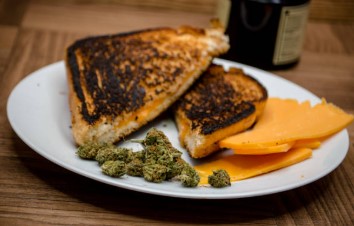
This guide delves deeply into the genetics, terpene profile, cultivation practices, medical applications, and recreational uses of the Grilled Cheese cannabis strain, along with a comprehensive scientific breakdown of its cannabinoid composition and therapeutic potential.
Genetics and Origins
Grilled Cheese is a hybrid strain that originates from crossing two renowned parent strains:
- Cheese – A classic strain famous for its pungent aroma and deeply relaxing effects.
- Tina – A lesser-known but potent strain with a rich terpene profile and uplifting effects.
This genetic combination results in a strain that carries the best traits of both parents. Grilled Cheese typically has a THC content ranging between 18-24% and a CBD content of less than 1%. The balanced hybrid nature leans slightly toward Indica dominance in some phenotypes, though its effects remain versatile and well-rounded.
Terpene Profile
The Grilled Cheese strain owes its distinctive aroma and flavor to a complex terpene profile, including:
- Caryophyllene: Known for its peppery and spicy aroma, this terpene is often linked to anti-inflammatory and analgesic properties.
- Myrcene: Contributing to earthy and musky notes, myrcene is associated with sedative and relaxing effects.
- Limonene: This citrus-scented terpene adds uplifting and mood-enhancing properties.
- Humulene: Commonly found in hops, humulene provides woody and herbal notes and is thought to suppress appetite.
- Linalool: Offering floral and lavender-like aromas, linalool has calming and anti-anxiety effects.
The interplay of these terpenes gives Grilled Cheese its distinctive savory, cheesy aroma with earthy, diesel-like undertones. On the palate, users often describe a creamy, slightly nutty flavor that’s both rich and smooth.
Cannabinoid Composition
Grilled Cheese primarily contains high levels of THC, typically in the range of 18-24%, with trace amounts of CBD (<1%).
Minor Cannabinoids Present:
- CBG (Cannabigerol): Often present in concentrations around 0.5%, CBG is thought to have anti-inflammatory and neuroprotective properties.
- CBC (Cannabichromene): Found in small amounts, CBC is believed to contribute to pain relief and mood regulation.
The high THC content is responsible for the strain’s psychoactive effects, while the minor cannabinoids and terpenes contribute to the overall entourage effect, enhancing its therapeutic potential.
Effects and Uses
Recreational Uses
Grilled Cheese offers a versatile experience that appeals to both novice and seasoned users. The effects are typically described as:
- Euphoric Uplift: The initial onset provides a cerebral buzz that uplifts mood and enhances creativity.
- Relaxing Body High: As the high progresses, users experience a soothing body relaxation without sedation.
- Social Stimulation: Many users report feeling talkative and socially engaged, making this strain ideal for group settings.
These effects make Grilled Cheese suitable for various recreational activities, such as:
- Artistic endeavors such as music, painting, or writing.
- Social gatherings where users want to remain engaged and upbeat.
- Relaxing evenings where mild euphoria enhances leisure activities like watching movies or playing games.
Medical Applications
Grilled Cheese is gaining recognition for its broad therapeutic potential. Its balanced effects make it a viable option for treating a variety of medical conditions:
- Chronic Pain Relief:
- The strain’s high THC content and significant levels of caryophyllene contribute to its analgesic properties.
- Conditions such as arthritis, migraines, and neuropathy may benefit from its use.
- Anxiety and Depression:
- The uplifting and mood-enhancing effects of limonene and linalool can help alleviate symptoms of anxiety and mild to moderate depression.
- Users frequently express feeling less stressed and more at ease.
- Appetite Stimulation:
- For individuals dealing with appetite loss due to medical treatments (e.g., chemotherapy) or conditions like anorexia, Grilled Cheese may help stimulate hunger.
- Sleep Support:
- While not overtly sedative, the relaxing body high can aid users in winding down, making it a potential option for mild insomnia.
- Anti-Inflammatory Benefits:
- The combination of caryophyllene and humulene offers anti-inflammatory properties that may assist with conditions like Crohn’s disease and fibromyalgia.
- Stress Reduction:
- The calming effects are ideal for reducing stress and tension, particularly after a long day.
Scientific Insights
Pharmacodynamics
Grilled Cheese’s effects are primarily mediated through its interaction with the endocannabinoid system (ECS), particularly the CB1 and CB2 receptors. The high THC content binds to CB1 receptors in the brain, producing psychoactive and euphoric effects, while the terpenes and minor cannabinoids modulate these effects through the entourage effect.
Entourage Effect
The interplay between cannabinoids and terpenes enhances the strain’s overall efficacy. For instance:
- Caryophyllene’s ability to bind directly to CB2 receptors amplifies its anti-inflammatory effects.
- Limonene may enhance THC’s mood-lifting properties while counteracting potential anxiety.
- Myrcene’s sedative effects complement THC’s relaxing qualities, offering a balanced experience.
Therapeutic Potential
Recent studies highlight the following therapeutic applications relevant to Grilled Cheese’s profile:
- Chronic Pain Management:
- Research suggests that THC-dominant strains are effective for pain modulation by reducing pain perception in the central nervous system.
- Mood Disorders:
- Limonene and linalool are being studied for their potential to regulate serotonin and dopamine levels, offering promise for anxiety and depression treatment.
- Appetite Stimulation:
- THC has been extensively documented for its ability to increase appetite, making it useful for patients with cachexia or anorexia.
- Neuroprotection:
- Preliminary studies suggest that cannabinoids like CBG may have neuroprotective properties, potentially benefiting conditions like multiple sclerosis or Parkinson’s disease.
Cultivation Information
Growing Difficulty
Grilled Cheese is considered moderately difficult to cultivate, making it suitable for growers with some experience. Key factors include:
- Climate: Prefers a warm and slightly humid climate, with daytime temperatures between 70-85°F (21-29°C).
- Light: Thrives under high-quality grow lights or in outdoor environments with plenty of sunlight.
- Humidity: Requires careful humidity control, especially during the flowering stage, to prevent mold and mildew.
Growth Characteristics
- Height: Medium height, making it suitable for both indoor and outdoor cultivation.
- Flowering Time: 8-10 weeks indoors; harvest typically occurs in mid-October for outdoor grows.
- Yield: Moderate to high yields, with proper care resulting in up to 450 grams per square meter indoors or 500 grams per plant outdoors.
1. Understanding the Optimal Growing Environment
Grilled Cheese thrives in specific environmental conditions, and controlling these factors scientifically can maximize plant health and yield:
- Temperature: Ideal range is 70-85°F (21-29°C). Nighttime temperatures should not drop more than 10°F lower than daytime temperatures to avoid stress.
- Humidity Levels:
- Seedling Stage: Maintain 65-70% relative humidity (RH) to encourage healthy root development.
- Vegetative Stage: Reduce RH to around 50-60% to avoid mold risks while supporting vigorous growth.
- Flowering Stage: Lower humidity further to 40-50% to prevent bud rot and enhance resin production.
2. Lighting Systems
Grilled Cheese requires robust lighting to optimize photosynthesis:
- Indoor Grow Lights: Use full-spectrum LED or high-pressure sodium (HPS) lights. LEDs are energy-efficient and allow precise control of light spectrums, enhancing terpene and cannabinoid production.
- Light Cycle:
- Vegetative Phase: 18-24 hours of light daily.
- Flowering Phase: Switch to 12 hours of light and 12 hours of darkness to trigger flowering.
3. Nutritional Needs and Fertilization
Proper nutrient management is essential for maximizing Grilled Cheese’s terpene and cannabinoid profile:
- Nutrient Stages:
- Vegetative Phase: Provide a nitrogen-rich fertilizer (NPK ratio: 3-1-2 or similar) for leaf and stem development.
- Flowering Phase: Transition to a phosphorus- and potassium-heavy formula (NPK ratio: 1-3-4) to encourage bud formation and resin production.
- Micronutrients: Ensure availability of magnesium, calcium, and sulfur to prevent deficiencies, which can lead to discolored leaves and reduced potency.
- pH Control: Maintain soil or hydroponic nutrient solution pH between 6.0-6.5 for soil and 5.5-6.0 for hydroponics to optimize nutrient uptake.
4. Soil vs. Hydroponics
Grilled Cheese can be grown in soil or hydroponic systems, each with its own advantages:
- Soil:
- Enrich with organic matter (compost or worm castings) to boost terpene production naturally.
- Provides a forgiving medium for novice growers.
- Hydroponics:
- Enables precise control over nutrient delivery and water levels.
- Results in faster growth and potentially higher yields, but requires close monitoring.
5. Training Techniques
Maximizing light exposure and plant structure through training methods can improve Grilled Cheese’s yield:
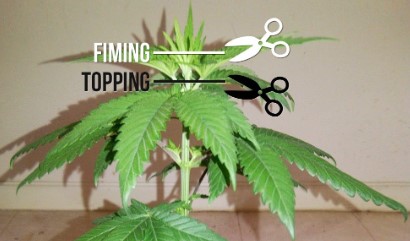
- Low-Stress Training (LST): Bend and tie down branches to create an even canopy, ensuring all bud sites receive light.
- Topping: Remove the plant’s main growing tip during the vegetative stage to promote multiple colas.
- Screen of Green (ScrOG): Use a net or screen to train plants horizontally, maximizing light efficiency and space utilization.
6. Watering Practices
- Use a wet-dry cycle to encourage strong root development. Root rot and other problems might result from overwatering.
- Incorporate oxygenating techniques like air stones in hydroponics to prevent root suffocation.
7. Enhancing Terpene Production
Grilled Cheese is known for its distinctive terpene profile, and certain techniques can enhance this characteristic:
- UV-B Light Exposure: Introducing UV-B light during flowering can increase resin and terpene production. Use with caution and for limited durations to avoid stressing the plants.
- Defoliation: Strategically remove excess fan leaves during flowering to improve airflow and light penetration to lower buds, which also stimulates terpene synthesis.
- Temperature Control: Keeping flowering temperatures slightly cooler (65-75°F) during the final weeks can enhance terpene retention.
8. Integrated Pest Management (IPM)
Preventative pest control is critical to maintaining plant health:
- Use organic solutions like neem oil or insecticidal soap on Grilled Cheese to deter pests such as spider mites and aphids.
- Introduce beneficial insects (e.g., ladybugs, predatory mites) to control pest populations.
- Regularly inspect plants for early signs of infestation, such as leaf discoloration or webbing.
9. Harvesting, Drying, and Curing
Proper post-harvest handling ensures Grilled Cheese retains its potency and flavor:
- Harvest Timing: Harvest when trichomes turn cloudy with some amber, indicating peak THC levels.
- Drying: Hang buds upside down in a dark, well-ventilated room with 50-60% RH and temperatures around 60-70°F.
- Curing: Store dried buds in airtight jars, opening them daily (“burping”) for the first two weeks to improve flavor and remove extra moisture.
Methods of Ingestion
a. Smoking
- How It Works: Smoking involves combusting the dried flower and inhaling the smoke, which delivers cannabinoids directly into the lungs and bloodstream via the alveoli.
- Benefits:
- Rapid onset of effects.
- Full terpene profile preserved when properly cured.
- Easy dose titration, as effects are felt quickly.
- Considerations:
- Potential respiratory irritation.
- Combustion can degrade some cannabinoids and terpenes.
b. Vaping
- How It Works: Vaporization heats the cannabis flower or concentrates below the combustion point (around 350–400°F), releasing cannabinoids and terpenes as vapor.
- Benefits:
- Healthier alternative to smoking due to lack of combustion.
- Maximizes the flavor profile of terpenes.
- Similar rapid onset as smoking.
- Considerations:
- Requires specialized devices (vaporizers).
- Slightly higher upfront costs compared to smoking.
c. Edibles
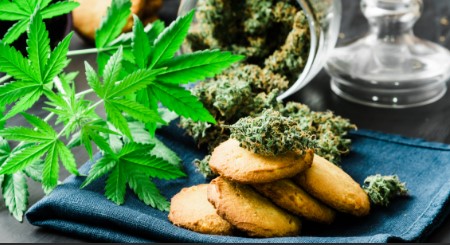
- How It Works: Cannabinoids are infused into food or drink and metabolized by the liver after ingestion, converting THC into 11-hydroxy-THC, a more potent and long-lasting metabolite.
- Benefits:
- Discreet consumption.
- Long-lasting effects (ideal for sustained relief).
- No impact on respiratory health.
- Considerations:
- Delayed onset (30-90 minutes).
- More difficult to titrate dosage.
- Risk of overconsumption due to delayed effects.
d. Sublingual (Tinctures or Sprays)
- How It Works: Cannabinoid-infused tinctures or sprays are applied under the tongue, where they are taken up by the circulation through the mucous membranes.
- Benefits:
- Faster onset than edibles (10-20 minutes).
- Precise dosing with dropper or spray applicators.
- Discreet and convenient.
- Considerations:
- Taste can be unpleasant for some users.
- Effects are shorter-lasting compared to edibles.
e. Topicals
- How It Works: Creams, balms, or oils infused with cannabinoids are applied directly to the skin, where they interact with localized CB2 receptors.
- Benefits:
- Non-psychoactive when used topically.
- Perfect for skin issues, inflammation, or localized pain.
- No risk of systemic side effects.
- Considerations:
- Limited to localized relief; no systemic effects.
- Requires reapplication for sustained relief.
f. Dabbing
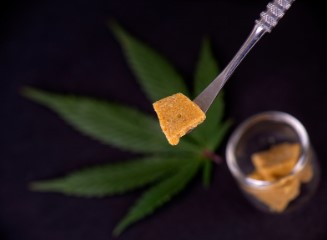
- How It Works: Concentrates such as wax or shatter are vaporized on a hot surface and inhaled.
- Benefits:
- Delivers a high concentration of cannabinoids and terpenes.
- Immediate and intense effects.
- Considerations:
- Not ideal for beginners due to potency.
- Requires specialized equipment (dab rigs).
Onset Time
The onset time of effects varies depending on the method of ingestion:
| Method | Onset Time |
|---|---|
| Smoking | 1-3 minutes |
| Vaping | 1-3 minutes |
| Edibles | 30-90 minutes |
| Sublingual | 10-20 minutes |
| Topicals | 15-30 minutes (localized) |
| Dabbing | 1-2 minutes |
- Mechanism: Inhalation methods deliver cannabinoids directly to the bloodstream via the lungs, while oral ingestion involves digestion and metabolism in the liver, resulting in delayed onset.
Duration of Effects
The duration of Grilled Cheese’s effects depends on the ingestion method:
| Method | Duration of Effects |
|---|---|
| Smoking | 2-4 hours |
| Vaping | 2-4 hours |
| Edibles | 6-8 hours (sometimes longer) |
| Sublingual | 4-6 hours |
| Topicals | 2-4 hours (localized) |
| Dabbing | 2-4 hours |
- Key Factor: Edibles tend to produce longer-lasting effects because of the conversion of THC into 11-hydroxy-THC in the liver, which is more potent and has a prolonged half-life.
Psychoactive and Physical Effects by Ingestion Method
Smoking and Vaping
- Psychoactive Effects: Rapid euphoric onset, uplifting cerebral buzz, and gradual transition to body relaxation.
- Physical Effects: Immediate muscle relaxation, mild pain relief, and reduced tension.
Edibles
- Psychoactive Effects: Stronger and longer-lasting high; users often report a full-body “couch-lock” effect.
- Physical Effects: Deep relaxation pronounced pain relief, and appetite stimulation.
Sublingual
- Psychoactive Effects: Similar to smoking but less intense; balanced cerebral and physical effects.
- Physical Effects: Moderate relaxation and pain relief.
Topicals
- Psychoactive Effects: None (non-intoxicating).
- Physical Effects: Targeted pain relief, reduced inflammation, and soothing skin irritation.
Dabbing
- Psychoactive Effects: Extremely potent and immediate; overwhelming for novice users.
- Physical Effects: Intense relaxation, rapid pain relief, and appetite stimulation.
Ideal Use Cases for Each Method
| Method | Best For |
|---|---|
| Smoking | Quick relief, social settings, and immediate effects. |
| Vaping | Health-conscious users seeking rapid effects with full terpene profiles. |
| Edibles | Long-lasting relief, chronic pain, or conditions requiring sustained symptom management. |
| Sublingual | Precise dosing and faster effects without smoking or vaping. |
| Topicals | Localized pain, inflammation, or skin conditions. |
| Dabbing | High-tolerance users or those needing immediate, potent effects. |
Scientific Observations
- Bioavailability:
- Inhalation Methods (Smoking/Vaping): 20-30% bioavailability due to rapid absorption into the bloodstream.
- Oral Methods (Edibles): ~6-20% bioavailability due to first-pass metabolism in the liver.
- THC Metabolites:
- Inhalation primarily results in delta-9-THC absorption, producing rapid psychoactive effects.
- Oral consumption leads to the formation of 11-hydroxy-THC, which is more psychoactive and has a longer duration of action.
- Terpene Retention:
- Smoking and vaping preserve terpenes better than edibles, as high heat during cooking can degrade these compounds.
- Sublingual tinctures can provide terpene-rich experiences if extracted carefully.
Potential Side Effects
Like most high-THC strains, Grilled Cheese may cause certain side effects, particularly in novice users or those sensitive to THC. Commonly reported side effects include:
- Dry Mouth and Eyes: Using eye drops and staying hydrated can help reduce these symptoms.
- Paranoia or Anxiety: Overconsumption may trigger feelings of paranoia or anxiety in some users.
- Dizziness: Low blood pressure effects may cause temporary dizziness.
To minimize side effects, users should start with a low dose and gradually increase as needed.
Conclusion
Grilled Cheese is a unique hybrid strain that combines savory flavors, a balanced high, and versatile therapeutic potential. Whether used recreationally for its uplifting and relaxing effects or medicinally for pain relief, anxiety reduction, and appetite stimulation, this strain has much to offer. Its distinct aroma and flavor profile make it a standout choice in the cannabis market, while its moderate cultivation difficulty ensures it’s accessible to growers with some experience.
As research into cannabis’s therapeutic applications continues to expand, strains like Grilled Cheese underscore the importance of understanding the interplay between cannabinoids and terpenes. This strain exemplifies the potential of cannabis to provide both enjoyment and relief, solidifying its place as a favorite among users seeking a well-rounded and flavorful experience.
For a complete directory of cultivars, visit our Cannabis Strain Reviews.
