Table of Contents
Green Poison is a renowned cannabis strain celebrated for its unique combination of potent effects, vibrant flavors, and therapeutic benefits. Developed by Sweet Seeds, this indica-dominant hybrid has gained widespread acclaim among both recreational users and medical cannabis patients. Its genetics, cannabinoid profile, terpene composition, and versatile applications make it a standout strain in the cannabis world.
Genetic Profile
Green Poison is an indica-dominant hybrid with a genetic composition of approximately 70% indica and 30% sativa. It was created by Sweet Seeds through selective breeding to achieve a potent strain with exceptional yields and a rapid flowering time. The exact lineage remains undisclosed, but it is believed to be derived from high-quality indica strains with subtle sativa influences to balance its effects.
Phenotypes and Appearance
Green Poison plants typically exhibit a classic indica structure, characterized by:
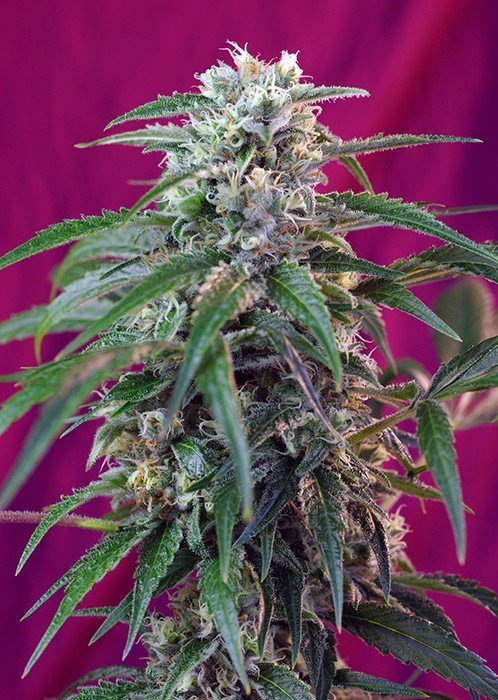
- Compact and bushy growth: The plants grow to a medium height with dense branching.
- Dense, resinous buds: The flowers are large, tightly packed, and coated with a thick layer of trichomes, making them appear frozen.
- Vivid coloration: The strain features lime-green buds with orange pistils, sometimes accompanied by subtle purple hues under cooler growing conditions.
Cannabinoid Profile
Green Poison boasts a rich cannabinoid composition that contributes to its wide-ranging effects. The primary cannabinoids present include:
- THC (Tetrahydrocannabinol): Levels typically range between 15% and 20%, providing potent psychoactive effects.
- CBD (Cannabidiol): Present in trace amounts (<1%), CBD plays a minor role but may enhance the entourage effect.
- CBG (Cannabigerol): Found in small concentrations, CBG contributes to the strain’s potential anti-inflammatory and neuroprotective properties.

Flavor and Aroma
Green Poison delivers a sensory experience that combines:
- Aroma: A pungent blend of sweet and earthy notes with hints of citrus and spice.
- Flavor: A smooth and rich profile with sweet, fruity undertones and a slightly tangy aftertaste.
Cultivation Methods for Green Poison
1. Soil Cultivation
- Why Soil? Soil provides a natural medium rich in microorganisms that enhance the plant terpene and flavor profile. Organic soil is preferred for enhancing Green Poison’s distinct aroma and taste.
- Nutrients: A nutrient-rich soil mix with a balanced ratio of nitrogen (N), phosphorus (P), and potassium (K) is essential. During the vegetative phase, Green Poison requires higher nitrogen levels, while phosphorus and potassium become crucial during flowering.
- pH Levels: Optimal pH levels range from 6.0 to 6.8 for soil. Sustaining this range guarantees adequate absorption of nutrients.
2. Hydroponics
- Why Hydroponics? This method accelerates growth and maximizes yield by providing nutrients directly to the roots in a water-based system.
- Setup: Use systems like Deep Water Culture (DWC), drip irrigation, or ebb and flow for Green Poison. These systems deliver nutrients efficiently and reduce the risk of soil-borne pests.
- Nutrient Solution: Maintain a balanced nutrient solution with a pH range of 5.5 to 6.5. Electrical Conductivity (EC) should be monitored to ensure the correct nutrient concentration.
- Results: Hydroponically grown Green Poison often produces higher yields and stronger cannabinoid profiles due to optimized feeding.
3. Indoor Cultivation
- Light Requirements: Green Poison thrives under intense light. During the vegetative phase, use 18-20 hours of light per day with LED or HPS grow lights. During flowering, switch to 12 hours of light per day.
- Temperature and Humidity:
- Vegetative Phase: Maintain temperatures between 70-85\u00b0F (21-29\u00b0C) and humidity at 50-70%.
- Flowering Phase: Lower temperatures to 65-80\u00b0F (18-26\u00b0C) and humidity to 40-50% to prevent mold.
- Ventilation: Ensure proper air circulation with fans and exhaust systems to reduce the risk of mold and pests.
- Training Techniques: Use low-stress training (LST) or the Screen of Green (ScrOG) method to maximize light exposure and increase yield.
4. Outdoor Cultivation
- Climate: Green Poison thrives in temperate or Mediterranean climates with plenty of sunlight. However, it also adapts well to slightly cooler environments due to its resilience.
- Planting Time: Plant outdoors after the last frost, ideally in late spring. The harvest period is late September to early October, depending on the region.
- Soil Preparation: Enrich the soil with organic compost and ensure good drainage to prevent root rot.
- Pest Management: While Green Poison is resistant to pests, organic pest control methods like neem oil or companion planting (e.g., marigolds) can enhance protection.
5. Greenhouse Cultivation
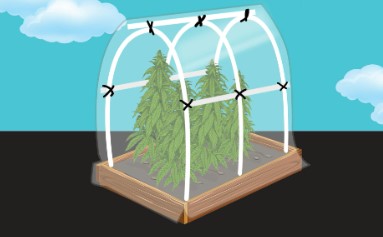
- Why Greenhouse? Greenhouses offer the benefits of outdoor sunlight with the controlled environment of indoor growing.
- Light Control: Use blackout curtains to regulate light cycles, especially during the flowering stage.
- Temperature Management: Greenhouses can trap heat, so ventilation systems are crucial for maintaining optimal temperatures.
- Advantages: Greenhouses extend the growing season and protect plants from harsh weather, pests, and contaminants.
Key Scientific Factors for Optimal Growth
A. Nutrient Requirements
- Macronutrients:
- Nitrogen (N): Supports vegetative growth and leaf development.
- Phosphorus (P): Critical for root development and flower production.
- Potassium (K): Enhances overall plant health, flower density, and terpene production.
- Micronutrients: Include calcium, magnesium, and iron for robust growth. Deficiencies in these nutrients can cause issues like leaf yellowing or stunted growth.
- Supplementation: Organic amendments like bat guano, bone meal, and kelp extract can boost nutrient availability.
B. Watering Practices
- While underwatering stresses the plant, overwatering can cause root rot. Follow these guidelines:
- Soil: Water when the top 1-2 inches of soil feel dry.
- Hydroponics: Ensure constant oxygenation of roots and maintain proper water levels.
- Water Quality: Use filtered or pH-balanced water (pH 6.0-6.5 for soil, 5.5-6.0 for hydroponics) to prevent mineral buildup and nutrient lockout.
C. Pruning and Defoliation
- Regular pruning removes dead or yellowing leaves, improving airflow and light penetration to lower buds.
- Defoliation during the vegetative stage helps shape the plant and during early flowering to focus energy on bud development.
D. CO2 Enrichment
- Increasing carbon dioxide levels during the flowering phase (1,200-1,500 ppm) can boost photosynthesis and yield. This technique is especially effective in sealed indoor environments.
E. Harvesting and Curing
- Harvest Timing: Trichomes should be monitored using a magnifying glass or microscope. Harvest when trichomes are milky white with some amber hues for a balanced effect.
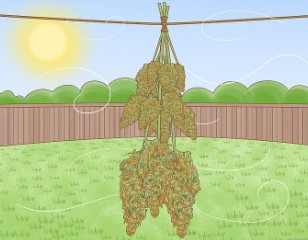
- Drying: Hang buds upside down in a dark, well-ventilated room with 50-60% humidity and 65-75\u00b0F (18-24\u00b0C).
- Curing: Store dried buds in airtight jars, burping them daily for the first two weeks to release excess moisture. This process enhances flavor, potency, and smoothness.
Scientific Research and Studies on Cultivation
- Terpene Preservation: Studies show that controlled drying and curing significantly preserve terpene profiles, which are sensitive to heat and light exposure.
- Yield Optimization: Research on LED lighting demonstrates increased cannabinoid and terpene production in indoor setups compared to traditional HPS lighting.
- Disease Resistance: Green Poison’s genetic resilience to mold and pests has been linked to its robust trichome production, which acts as a natural defense mechanism.
- By understanding and applying these scientific cultivation practices, growers can maximize the yield, potency, and quality of Green Poison, making it a rewarding strain for both commercial and personal use.
Recreational Uses
Green Poison’s balanced effects make it a popular choice for recreational cannabis enthusiasts seeking relaxation, euphoria, and an enjoyable sensory experience. Its primary recreational benefits include:
- Mood Enhancement: The strain induces a euphoric and uplifting high, making it ideal for social gatherings or combating a bad mood.
- Relaxation: The indica dominance provides deep physical relaxation, perfect for unwinding after a long day.
- Creativity Boost: The subtle sativa influence stimulates creative thinking and focus without causing overstimulation.
- Stress Relief: Users often report feeling calm and stress-free, making it suitable for leisurely activities like listening to music or viewing movies.
Medical Applications
Green Poison is highly regarded for its therapeutic potential, addressing a wide range of physical and mental health conditions. Its medical benefits include:
- Chronic Pain Relief: The high THC content, combined with caryophyllene, provides effective analgesic properties, alleviating conditions like arthritis, migraines, and muscle pain.
- Stress and Anxiety Reduction: Limonene and linalool work synergistically to promote relaxation and reduce symptoms of anxiety and stress disorders.
- Insomnia Management: The strain’s sedative effects, attributed to myrcene, make it beneficial for those struggling with sleep disturbances.
- Appetite Stimulation: Green Poison is effective in counteracting appetite loss caused by medical treatments like chemotherapy.
- Nausea Relief: Its antiemetic properties help alleviate nausea and vomiting, particularly in patients undergoing chemotherapy or dealing with gastrointestinal issues.
- Inflammation Reduction: Caryophyllene and CBG contribute to the strain’s anti-inflammatory effects, benefiting conditions like Crohn’s disease and fibromyalgia.
Scientific Insights
Green Poison’s effects and benefits are rooted in its biochemical composition, as supported by scientific research on cannabinoids and terpenes:
- Cannabinoid-Terpene Synergy: Studies suggest that the combination of THC, CBD, and terpenes like myrcene and caryophyllene enhances therapeutic efficacy through the entourage effect.
- Analgesic Properties: Research has demonstrated that THC interacts with CB1 receptors in the brain to modulate pain perception, while caryophyllene’s activation of CB2 receptors reduces inflammation.
- Anxiolytic and Antidepressant Effects: Limonene and linalool have been studied for their ability to influence serotonin and dopamine levels, promoting mental well-being.
- Neuroprotective Potential: Emerging evidence indicates that cannabinoids like CBG may protect neural cells from damage, offering potential benefits for neurodegenerative diseases.
Potential Side Effects
While Green Poison offers numerous benefits, users should be aware of possible side effects, especially when consumed in high doses. Common adverse effects include:
- Dry Mouth: Also known as cottonmouth, it is a frequent side effect due to reduced saliva production.
- Dry Eyes: Some users experience redness or irritation in the eyes.
- Dizziness: Overconsumption may lead to lightheadedness, particularly in inexperienced users.
- Paranoia or Anxiety: High THC levels can occasionally trigger anxiety or paranoia, especially in individuals sensitive to THC.
Methods of Ingestion
Green Poison’s effects can vary significantly based on the method of ingestion, with differences in bioavailability, onset, and duration. Understanding the scientific principles behind these variations is key to tailoring the experience for recreational or medical use.
1. Methods of Ingestion
Green Poison can be consumed through multiple methods, each with unique pharmacokinetics and user experiences. Below is a detailed breakdown:
A. Smoking
- Mechanism: Combustion releases cannabinoids and terpenes, which are inhaled into the lungs and absorbed into the bloodstream via alveoli.
- Onset: Effects appear within 2-5 minutes due to direct absorption into the bloodstream.
- Duration: Effects last 2-3 hours.
- Bioavailability: Approximately 25-30%, as some cannabinoids are lost during combustion.
- Scientific Insights: Smoking provides a rapid and intense onset due to the fast transport of THC to the brain. However, the high heat may degrade sensitive terpenes, reducing the flavor profile.
B. Vaporization
- Mechanism: Heats cannabis to a temperature that volatilizes cannabinoids and terpenes without combustion.
- Onset: Effects appear within 2-5 minutes.
- Duration: Lasts 2-3 hours.
- Bioavailability: Higher than smoking, up to 50%, due to reduced cannabinoid loss.
- Scientific Insights: Vaporization preserves terpenes and cannabinoids, enhancing the flavor and aroma of Green Poison. It’s considered a safer alternative to smoking as it minimizes respiratory irritants.
C. Edibles
- Mechanism: Cannabinoids are ingested, digested in the stomach, and metabolized by the liver, converting THC produces the stronger and more persistent metabolite 11-hydroxy-THC.
- Onset: Delayed onset of 30 minutes to 2 hours due to digestion and metabolism.
- Duration: Effects last 6-8 hours, making it the longest-lasting method.
- Bioavailability: Low (4-12%) due to extensive first-pass metabolism.
- Scientific Insights: The conversion to 11-hydroxy-THC increases potency, leading to stronger psychoactive effects. However, delayed onset often results in accidental overconsumption by inexperienced users.
D. Sublingual (Tinctures or Sprays)
- Mechanism: Bypassing first-pass metabolism, cannabinoids enter the bloodstream straight through the mucous membranes beneath the mouth.
- Onset: Effects appear within 15-30 minutes.
- Duration: Lasts 4-6 hours.
- Bioavailability: Moderate (13-19%), higher than edibles but lower than inhalation methods.
- Scientific Insights: Sublingual administration allows for precise dosing and faster effects, making it suitable for medical users seeking immediate relief without inhalation.
E. Topicals
- Mechanism: Cannabinoids are absorbed through the skin and interact with local CB2 receptors without entering the bloodstream.
- Onset: Effects begin within 20-30 minutes.
- Duration: Lasts 2-4 hours, depending on the formulation.
- Bioavailability: Minimal systemic absorption; effects are localized to the application area.
- Scientific Insights: Ideal for treating localized pain, inflammation, or skin conditions without psychoactive effects. The presence of terpenes like caryophyllene enhances anti-inflammatory action.
F. Dabbing (Concentrates)
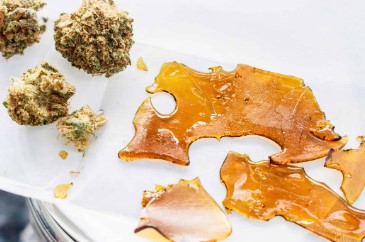
- Mechanism: Vaporizing cannabis concentrates like wax, shatter, or resin using a dab rig.
- Onset: Immediate effects within 1-3 minutes due to high cannabinoid concentration and rapid absorption.
- Duration: Lasts 2-3 hours.
- Bioavailability: Very high (50-75%), as dabbing delivers concentrated cannabinoids efficiently.
- Scientific Insights: Provides an intense, immediate high, making it suitable for experienced users or those requiring high doses for severe symptoms.
2. Onset and Duration of Effects
A. Onset Factors
- Absorption Site:
- Inhalation: Rapid absorption through the lungs provides immediate effects.
- Oral Ingestion: Slow absorption due to digestion delays onset.
- Sublingual: Direct absorption into the bloodstream speeds up onset.
- Preparation and Decarboxylation:
- THC is only psychoactive after decarboxylation, which occurs through heating (smoking, vaporization) or during preparation of edibles.
- Individual Metabolism:
- Variations in liver enzyme activity (CYP450 enzymes) influence how quickly THC is metabolized into 11-hydroxy-THC.
B. Duration Factors
- Dose: Higher doses result in prolonged effects.
- Tolerance: Frequent use can shorten the perceived duration of effects due to receptor desensitization.
- Delivery Method: Edibles and transdermal patches provide sustained release for longer-lasting effects, while inhalation offers shorter durations.
3. Pharmacokinetics of Green Poison
A. Absorption
- Inhalation: Cannabinoids enter the bloodstream through alveoli in the lungs, reaching peak plasma concentrations within minutes.
- Oral Ingestion: Cannabinoids are absorbed in the gastrointestinal tract, processed by the liver, and released into systemic circulation.
B. Distribution
- THC binds to plasma proteins and is distributed to fat-rich tissues, including the brain, where it interacts with CB1 receptors.
C. Metabolism
- The liver metabolizes THC into 11-hydroxy-THC, which has a stronger affinity for CB1 receptors, resulting in more potent effects.
- Secondary metabolites are excreted via urine and feces.
D. Excretion
- Cannabinoids are eliminated from the body over several days, depending on frequency and dose. Regular users may store cannabinoids in fat tissues, prolonging detectability.
4. Terpenes and the Entourage Effect
The effects of Green Poison are not solely due to cannabinoids like THC but also influenced by its rich terpene profile. Key terpenes in Green Poison contribute to onset and duration:
- Myrcene: Enhances cell permeability, potentially speeding up the onset of THC.
- Caryophyllene: Activates CB2 receptors for anti-inflammatory effects without altering psychoactivity.
- Limonene: Promotes mood elevation and complements THC effects, possibly shortening the perceived delay.
5. Practical Recommendations
- For Fast Relief: Smoking or vaporizing Green Poison is recommended for rapid onset.
- For Sustained Effects: Edibles or tinctures provide longer-lasting relief.
- For Localized Symptoms: Topicals deliver targeted effects without psychoactivity.
- For Controlled Dosing: Sublingual tinctures offer a balance of quick onset and precise dosing.
Comparison with Similar Strains
Green Poison shares similarities with other indica-dominant hybrids but stands out due to its unique combination of potency, flavor, and therapeutic benefits. Comparable strains include:
- Granddaddy Purple: Known for its sedative effects and grape-like flavor, it is similar in relaxing properties but differs in terpene profile.
- Blueberry: Shares fruity flavors and calming effects but has a lower THC content.
- Northern Lights: Offers comparable physical relaxation but lacks the sweet, citrusy notes of Green Poison.
Conclusion
Green Poison is a versatile cannabis strain that combines potent effects, rich flavors, and a host of therapeutic benefits. Its balanced indica-sativa profile makes it suitable for both recreational enjoyment and medical applications. With its high yields, rapid flowering time, and resistance to environmental stressors, it is also a favorite among cultivators. Whether you’re seeking relief from chronic pain, stress, or insomnia, or simply looking for a flavorful and relaxing high, Green Poison delivers a well-rounded cannabis experience.
For a complete directory of cultivars, visit our Cannabis Strain Reviews.
