Table of Contents
Green Line OG is a hybrid cannabis strain that balances the genetics of both indica and sativa varieties, delivering a nuanced blend of effects that appeal to recreational and medical users alike. A cross between the potent Lime Skunk and the classic Ghost OG, this strain possesses all of the positive traits of its parent strains. Green Line OG is renowned for its refreshing citrusy aroma, earthy undertones, and a balanced profile that offers relaxation without excessive sedation, making it a versatile choice for a wide array of users.
Genetic Lineage
- Parent Strains: Lime Skunk x Ghost OG
- Dominant Terpenes:
- Limonene: Responsible for the citrusy scent and mood-enhancing effects.
- Myrcene: Offers earthy notes and contributes to calming, sedative properties.
- Caryophyllene: Offers both anti-inflammatory properties and a peppery kick.
- THC Content: Typically ranges from 20% to 25%.
- CBD Content: Generally low, under 1%.
Green Line OG boasts a robust genetic profile, blending the energizing and euphoric effects of Lime Skunk with the soothing and relaxing properties of Ghost OG. The strain’s balanced hybrid nature makes it suitable for both daytime and evening use, depending on the dosage.
Physical Characteristics
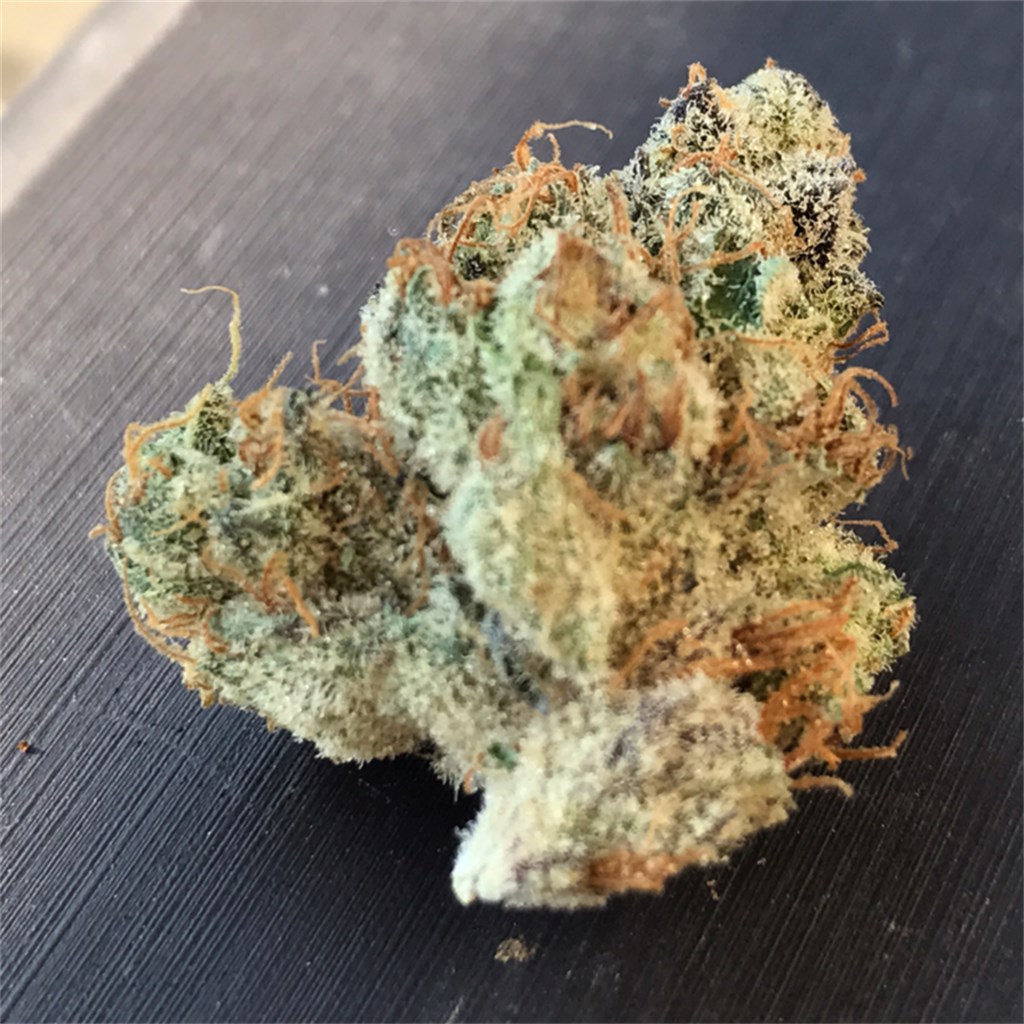
Green Line OG’s buds are visually striking, with the following features:
- Bud Structure: Dense and compact, typical of hybrid strains.
- Coloration: Bright green buds with orange pistils and a frosty layer of trichomes.
- Texture: Sticky and resinous because it produces a lot of trichomes.
Aroma and Flavor Profile
Green Line OG is celebrated for its enticing aroma and flavor, which are primarily influenced by its terpene composition.
- Aroma:
- Dominated by citrus notes of lime and lemon, reminiscent of its Lime Skunk lineage.
- Subtle earthy and woody undertones add complexity.
- Flavor:
- Initial citrus burst followed by herbal and piney notes.
- Slightly sweet aftertaste with a hint of spice.
Effects and Usage
Recreational Effects

Green Line OG offers a harmonious blend of uplifting and calming effects:
- Euphoria: Users often report a noticeable boost in mood, characterized by feelings of happiness and lightheartedness.
- Relaxation: The strain’s indica lineage provides a soothing, full-body relaxation that doesn’t overly sedate.
- Focus and Creativity: Moderate doses may enhance focus and spur creativity, making it a great option for creative pursuits or brainstorming meetings.
- Social Enjoyment: The balanced effects can make social interactions more enjoyable and reduce feelings of stress or awkwardness.
Medical Uses
Green Line OG has demonstrated efficacy in managing a variety of medical conditions, thanks to its balanced cannabinoid and terpene profile.
- Pain Management:
- Chronic pain conditions, such as arthritis, migraines, and neuropathy, can be alleviated by the strain’s analgesic properties.
- The presence of myrcene enhances its ability to relax muscles and reduce tension.
- Anxiety and Depression:
- The uplifting effects of limonene combined with the calming properties of myrcene help to alleviate symptoms of anxiety and depression.
- Users report reduced feelings of stress and improved emotional well-being.
- Insomnia:
- While not overly sedating, Green Line OG can promote better sleep when consumed in higher doses due to its relaxing properties.
- Appetite Stimulation:
- Like many THC-rich strains, Green Line OG can help stimulate appetite, making it beneficial for those who are losing their appetite as a result of illnesses or medical treatments.
- Nausea Relief:
- Its antiemetic properties make it a suitable option for managing nausea, particularly in chemotherapy patients.
- Inflammation:
- Caryophyllene’s anti-inflammatory effects are valuable for conditions like Crohn’s disease, irritable bowel syndrome (IBS), and general inflammation.
Scientific Insights
Green Line OG’s effects and benefits are rooted in its unique chemical composition. Below is an in-depth look at the scientific aspects:
Cannabinoid Profile
- THC (Delta-9-Tetrahydrocannabinol):
- Primary psychoactive compound in Green Line OG.
- Interacts with CB1 receptors in the brain, producing euphoria, relaxation, and pain relief.
- CBD (Cannabidiol):
- Found in trace amounts in Green Line OG.
- Non-psychoactive, CBD complements THC by modulating its effects and reducing potential side effects such as anxiety.
- CBG (Cannabigerol):
- Present in minor quantities.
- Known for its anti-inflammatory and neuroprotective properties.
Terpene Profile
- Limonene:
- Improves mood and reduces stress.
- Potential anti-anxiety and anti-depressant effects supported by preclinical studies.
- Myrcene:
- Enhances relaxation and sedative effects.
- Contributes to the strain’s ability to alleviate pain and improve sleep quality.
- Caryophyllene:
- Unique as a terpene with the ability to bind to CB2 receptors.
- Provides anti-inflammatory and analgesic benefits.
Entourage Effect
Green Line OG’s balanced combination of cannabinoids and terpenes creates a synergistic “entourage effect,” amplifying its therapeutic potential. For example:
- Limonene and THC work together to elevate mood while reducing stress.
- Caryophyllene enhances the anti-inflammatory effects of THC and CBD.
Growing Green Line OG
1. Genetic Considerations
Green Line OG is a hybrid strain derived from Lime Skunk and Ghost OG. To cultivate it successfully:
- Clones vs. Seeds: Cloning ensures genetic consistency, preserving traits such as THC potency, terpene profile, and resistance to pests. Seeds, however, allow for phenotypic variation, which might lead to finding an exceptional phenotype.
- Phenotype Selection: If growing from seeds, select phenotypes with desirable traits, such as higher trichome production or robust growth.
2. Growth Stages and Environmental Needs
Green Line OG thrives in a controlled environment, as each stage of growth has specific requirements.
- Germination (0-7 Days):
- Optimal Temperature: 75-80°F (24-27°C).
- Humidity: 80-90%.
- Lighting: Low-intensity light (~100 PPFD).
- Medium: Rockwool cubes or pre-moistened soil with a pH of 6.0-6.5.
- Seedling Stage (1-3 Weeks):
- Light Cycle: 18 hours light / 6 hours dark.
- Light Intensity: Moderate (~200-400 PPFD).
- Humidity: 65-75% to prevent dehydration.
- Nutrients: Use a balanced starter formula high in nitrogen (NPK ratio ~2:1:1).
- Vegetative Stage (4-8 Weeks):
- Light Cycle: Maintain 18/6 for sustained vegetative growth.
- Light Intensity: 400-700 PPFD.
- Temperature: 70-85°F (21-29°C) with good airflow.
- Humidity: 50-70%.
- Nutrients: Increase nitrogen for robust leaf and stem development (NPK ratio ~3:1:2).
- Pruning and Training: Techniques like low-stress training (LST) and topping optimize canopy shape and increase light penetration.
- Flowering Stage (8-10 Weeks):
- Light Cycle: Shift to 12 hours light / 12 hours dark.
- Light Intensity: 600-1000 PPFD.
- Temperature: 65-80°F (18-27°C); slightly cooler at night promotes trichome production.
- Humidity: 40-50% to reduce the risk of mold.
- Nutrients: Increase phosphorus and potassium for flower development (NPK ratio ~1:3:3).
- Trichome Monitoring: Use a magnifier to track trichome color (clear -> cloudy -> amber) to determine harvest time.
3. Soil vs. Hydroponics
Green Line OG can be cultivated in either soil or hydroponic systems, depending on grower preferences.
- Soil:
- Advantages: Easier to manage, natural terpene enhancement.
- Soil Type: Loamy soil with a pH of 6.0-7.0.
- Amendments: Organic additives such as worm castings, bat guano, and compost improve nutrient availability.
- Hydroponics:
- Advantages: Faster growth and higher yield due to precise nutrient control.
- Medium: Rockwool, coco coir, or perlite.
- pH Range: 5.5-6.0.
- EC Levels: Maintain 1.5-2.5 mS/cm depending on growth stage.
- Automation: Systems like drip irrigation or deep water culture (DWC) ensure efficient nutrient delivery.
4. Light Requirements
Green Line OG benefits from high-quality light sources. Depending on the setup:
- LED Grow Lights: Provide full-spectrum light for efficient growth and trichome production.
- HID Lights (HPS/MH): High-intensity lights are ideal for flowering but generate more heat.
- Light Spectrum:
- Blue light (400-500 nm): Encourages vegetative growth.
- Red light (600-700 nm): Promotes flowering and bud development.
5. CO₂ Enrichment
Supplementing carbon dioxide (CO₂) enhances photosynthesis and boosts yields. Maintain levels between 1200-1500 ppm during the vegetative and flowering stages. Proper ventilation ensures CO₂ is evenly distributed.
6. Pest and Mold Control
- Common Pests: Whiteflies, spider mites, and aphids.
- Control Methods: Neem oil sprays, predatory insects (e.g., ladybugs), or integrated pest management (IPM) practices.
- Mold Risks: Powdery mildew and bud rot are common issues.
- Prevention: Maintain low humidity in flowering, ensure adequate airflow, and prune lower foliage to reduce microclimates.
7. Harvest and Curing
- Harvest Timing:
- Observe trichome development using a magnifying lens.
- Ideal Harvest Window: 10-30% amber trichomes for balanced effects.
- Drying: Temperature: 60-70°F (15-21°C). Humidity: 50-60%. Duration: 7-14 days.
- Curing: Store buds in airtight glass jars. Burp jars daily for the first two weeks to release excess moisture. Cure for 2-8 weeks for optimal flavor and potency.
Consumption Methods
1. Smoking
Mechanism:
- Inhalation through combustion heats Green Line OG flower, vaporizing cannabinoids and terpenes, which are then taken in by the lungs and sent into the circulation.
Onset and Duration:
- Onset: 2-5 minutes.
- Peak Effects: 10-30 minutes.
- Duration: 2-3 hours.
Key Points:
- Absorption Rate: The lungs’ alveoli provide a rapid absorption pathway, leading to almost immediate effects.
- Bioavailability: Estimated to be 25-30%, depending on the depth and duration of inhalation.
- Flavor Profile Preservation: Smoking can highlight Green Line OG’s citrus and earthy terpenes but may degrade some volatile compounds due to high heat.
2. Vaporization
Mechanism:
- Vaporization heats cannabis to a temperature where cannabinoids and terpenes are vaporized without combustion, delivering active compounds in aerosol form.
Onset and Duration:
- Onset: 5-10 minutes.
- Peak Effects: 15-30 minutes.
- Duration: 2-4 hours.
Key Points:
- Temperature Control: Optimal vaporization temperatures for Green Line OG terpenes:
- Limonene: ~349°F (176°C).
- Myrcene: ~334°F (168°C).
- Caryophyllene: ~266°F (130°C).
- Bioavailability: Slightly higher than smoking (30-40%) due to controlled heating and lack of combustion byproducts.
- Health Impact: Vaporization reduces exposure to harmful toxins like tar and carbon monoxide.
3. Edibles
Mechanism:
- Cannabinoids are infused into food or beverages and metabolized through the digestive system and liver.
Onset and Duration:
- Onset: 30-90 minutes (depending on metabolism and stomach contents).
- Peak Effects: 2-4 hours after ingestion.
- Duration: 6-12 hours.
Key Points:
- First-Pass Metabolism: THC is metabolized into 11-hydroxy-THC in the liver, a compound that is more potent and has longer-lasting effects.
- Bioavailability: Lower than inhalation (~10-20%) due to digestive enzymes and first-pass metabolism.
- Dosing Precision: Effects can vary based on individual metabolism; start with a low dose (e.g., 5 mg THC) and increase gradually.
4. Sublingual (Tinctures and Oils)
Mechanism:
- Cannabinoid-infused oils or tinctures are placed under the tongue, allowing absorption through the mucous membranes into the bloodstream.
Onset and Duration:
- Onset: 15-30 minutes.
- Peak Effects: 30-90 minutes.
- Duration: 4-6 hours.
Key Points:
- Rapid Absorption: Sublingual delivery bypasses the digestive system and liver, leading to quicker effects compared to edibles.
- Bioavailability: Estimated at 13-19%.
- Discreet Usage: Tinctures allow for precise dosing and are odorless, making them ideal for medical use or discreet consumption.
5. Topicals
Mechanism:
- Applied directly to the skin, allowing cannabinoids to interact with localized cannabinoid receptors (CB2 receptors) in the skin.
Onset and Duration:
- Onset: 10-20 minutes.
- Duration: 2-6 hours.
Key Points:
- Localized Effects: Non-psychoactive; ideal for pain relief, inflammation, or skin conditions without systemic absorption.
- Bioavailability: Minimal systemic bioavailability as cannabinoids do not enter the bloodstream in significant amounts.
6. Dabbing (Concentrates)
Mechanism:
- Consuming cannabis concentrates (e.g., shatter, wax) by vaporizing them on a heated surface, typically a dab rig.
Onset and Duration:
- Onset: Immediate (within seconds).
- Peak Effects: 10-30 minutes.
- Duration: 2-3 hours.
Key Points:
- High Potency: Concentrates derived from Green Line OG can have THC levels exceeding 60-80%, leading to intense and rapid effects.
- Bioavailability: Similar to vaporization (~30-40%).
- Recommended for Experienced Users: Due to the high potency, dabbing is best for individuals with a higher THC tolerance.
Pharmacokinetics of Green Line OG by Ingestion Method
| Method | Onset | Peak Effects | Duration | Bioavailability |
|---|---|---|---|---|
| Smoking | 2-5 mins | 10-30 mins | 2-3 hours | 25-30% |
| Vaporization | 5-10 mins | 15-30 mins | 2-4 hours | 30-40% |
| Edibles | 30-90 mins | 2-4 hours | 6-12 hours | 10-20% |
| Sublingual | 15-30 mins | 30-90 mins | 4-6 hours | 13-19% |
| Topicals | 10-20 mins | – | 2-6 hours | Minimal |
| Dabbing | Seconds | 10-30 mins | 2-3 hours | 30-40% |
Factors Affecting Onset, Duration, and Effects
- Metabolism: Faster metabolisms shorten onset but may reduce duration, particularly with edibles.
- Tolerance: Regular cannabis users may require higher doses for similar effects.
- Body Composition: Fat-soluble cannabinoids like THC may linger longer in individuals with higher body fat.
- Food Intake: Consuming edibles on an empty stomach leads to quicker onset, while a full stomach prolongs absorption.
- Terpene Interaction: Terpenes like myrcene can modulate THC’s effects, enhancing sedative properties and reducing the onset time.
Potential Side Effects
While Green Line OG is generally well-tolerated, some users may experience side effects, especially at higher doses:
- Dry Mouth and Eyes:
- Common side effects mitigated by staying hydrated.
- Dizziness or Paranoia:
- More likely in users sensitive to THC or consuming excessive amounts.
- Increased Heart Rate:
- Temporary and generally mild.
- Fatigue:
- Can occur in higher doses due to the strain’s relaxing properties.
Comparisons to Similar Strains
Green Line OG shares characteristics with other popular hybrid strains. Here’s how it compares:
- vs. Blue Dream:
- Both offer balanced effects, but Green Line OG leans slightly more toward relaxation, while Blue Dream is more uplifting and cerebral.
- vs. OG Kush:
- Green Line OG is less sedating, making it more suitable for daytime use.
- vs. Lemon Skunk:
- Both have citrus-forward profiles, but Green Line OG offers a more well-rounded experience with its relaxing undertones.
Conclusion
Green Line OG is a versatile and well-balanced hybrid strain that caters to both recreational and medical users. Its unique blend of uplifting and calming effects, coupled with a complex flavor profile, gives it a unique option in the cannabis industry. Whether you’re seeking relief from medical conditions or looking for an enjoyable recreational experience, Green Line OG’s robust genetics and balanced effects make it a reliable and rewarding option for users of all levels.
For a complete directory of cultivars, visit our Cannabis Strain Reviews.
