Table of Contents
Green Kush is a potent hybrid cannabis strain celebrated for its invigorating cerebral high and versatile therapeutic applications. Sometimes confused with OG Kush due to name similarity, Green Kush stands as a distinctive phenotype often associated with a Sativa-dominant profile, delivering an uplifting and mentally stimulating experience. Known for its vivid green buds, sharp citrus-pine aroma, and potent psychoactive properties, Green Kush has gained traction among recreational users and medical cannabis patients alike.
Genetic Lineage and Classification
Green Kush is generally recognized as a Sativa-dominant hybrid, often derived from parent strains such as Green Crack (Skunk #1 x Afghani) and OG Kush or similar Kush-leaning varieties. However, different seed banks and cultivators may offer slightly varied versions of Green Kush. It typically presents a 70% Sativa / 30% Indica ratio, though some phenotypes may be closer to a 60/40 balance.
- THC content: Ranges between 18% to 24%, with some phenotypes reaching up to 26%.
- CBD content: Usually less than 0.5%, making it a THC-dominant strain.
- CBG: Minor presence around 0.2–0.5%, which may contribute to anti-inflammatory and neuroprotective effects.
Morphology and Appearance
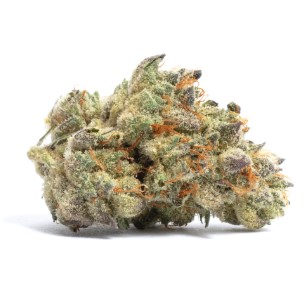
Green Kush plants produce dense, lime green buds covered with orange pistils and a crystalline layer of trichomes. The flowers are moderately sticky and emit a strong, pungent citrus-skunk aroma, characteristic of strains rich in limonene and myrcene. Its Sativa structure is evident in its taller stature, long internodal spacing, and slender fan leaves.
Terpene Profile
Green Kush owes much of its aroma, flavor, and therapeutic activity to its terpene content, which synergizes with cannabinoids via the entourage effect. The primary terpenes include:
- Limonene: Offers citrus aroma; elevates mood, reduces stress.
- Myrcene: Earthy, musky scent; promotes relaxation and enhances THC effects.
- Pinene: Pine aroma; bronchodilator, promotes alertness.
- Caryophyllene: Peppery scent; acts on CB2 receptors for anti-inflammatory effects.
- Humulene: Woody, spicy; known for anti-inflammatory and appetite-suppressant effects.
Aroma and Flavor Profile
- Aroma: Sharp citrus, pine, sweet fruit, and an underlying diesel skunk.
- Flavor: Earthy citrus with piney, slightly herbal undertones.
- Aftertaste: Peppery and pine-clean finish with mild sweetness.
This profile makes Green Kush highly appealing to both connoisseurs and patients who require a strain that is aromatic, flavorful, and therapeutically effective.
Recreational Uses
Cognitive Stimulation and Euphoria
Green Kush is highly popular among users looking for creative stimulation and mental clarity. The Sativa-dominant effects promote:
- Enhanced focus and motivation
- Bursts of euphoria
- Heightened sensory awareness
- Improved verbal fluency
Ideal for daytime activities such as writing, painting, or brainstorming, Green Kush is frequently chosen by artists, students, and professionals during mentally demanding periods.
Energy and Sociability
Due to its energizing effects, Green Kush is a go-to strain for:
- Socializing in low-anxiety environments
- Physical pursuits like dance or trekking
- Replacing coffee or energy drinks in cannabis-friendly communities
Its energizing profile, when consumed moderately, is unlikely to cause sedation or mental fog, unlike many heavier Indica strains.
Mild Psychedelic Effects
At higher doses, some users report mild visual distortions, increased pattern recognition, and time dilation, common with Sativa-leaning strains high in limonene and pinene. However, these effects are rarely overwhelming unless combined with other psychoactive substances.
Medical Uses
Green Kush’s medical value stems primarily from its high THC content, rich terpene profile (especially limonene, myrcene, pinene, and caryophyllene), and its Sativa-dominant energetic effects. These chemical constituents interact with the endocannabinoid system (ECS) to modulate mood, pain, cognition, and more.

Treatment of Depression and Mood Disorders
Mechanism:
- THC, a partial CB1 receptor agonist, increases synaptic dopamine, anandamide, and serotonin transmission.
- Limonene in Green Kush, a dominant terpene in Green Kush, elevates 5-HT1A receptor activity, similarly to certain SSRIs.
- Pinene supports cognitive alertness by inhibiting acetylcholinesterase, preventing cognitive fog commonly associated with depression.
Evidence:
- Animal and small human studies show CB1 stimulation boosts neurogenesis in the hippocampus, a region often atrophied in depression.
- Limonene inhalation has been shown to normalize cortisol levels and alleviate stress-induced symptoms in both rodent and clinical studies.
Clinical Notes:
Green Kush may be effective in:
- Major depressive disorder (MDD)
- Bipolar depression (non-manic phase)
- Persistent depressive disorder (dysthymia)
- Seasonal Affective Disorder (SAD)
Considerations:
- Daytime use recommended due to stimulant-like effects.
- May not be ideal in bipolar I if manic phases are triggered by THC.
Chronic Fatigue Syndrome (CFS) and ADHD
Mechanism:
- THC and limonene in Green Kush act synergistically to increase dopamine in the prefrontal cortex, enhancing attention and executive function.
- Pinene, through cholinergic pathway modulation, may enhance working memory, a function often impaired in ADHD and fatigue states.
- THC’s euphoria counteracts anhedonia and mental lethargy.
Clinical Utility:
- Green Kush’s energizing profile is similar in function to mild psychostimulants (e.g., modafinil or low-dose amphetamine).
- Low-dose THC is preferred for cognitive stimulation without inducing anxiety or sedation.
Ideal for:
- ADHD (inattentive type)
- Chronic fatigue syndrome
- Fibromyalgia-associated mental fog
Neuropathic and Inflammatory Pain Management
Mechanism:
- THC binds to CB1 receptors in pain-processing areas (periaqueductal gray, spinal cord), reducing nociceptive signaling.
- Beta-caryophyllene selectively activates CB2 receptors on immune cells and glia, providing non-psychoactive anti-inflammatory effects.
- Myrcene has demonstrated peripheral analgesic effects, acting as a muscle relaxant and enhancing THC’s potency through increased blood-brain barrier permeability.
Applications:
- Migraine and cluster headaches
- Peripheral neuropathy (e.g., diabetic, chemotherapy-induced)
- Myofascial pain
- Low back pain and sciatica
- Menstrual cramps
Research Backing:
- Animal models show that THC + myrcene + caryophyllene formulations reduce hyperalgesia and allodynia (pain hypersensitivity).
- Human studies on CB2 agonists show significant inflammation reduction without CNS side effects.
Anxiety Disorders and PTSD
Dual-Action Caution:
THC is biphasic—it can reduce anxiety at low doses but may exacerbate it at high doses.
Mechanism:
- Low-dose THC stimulates CB1-mediated anxiolysis.
- Limonene and pinene promote calming effects by:
- Regulating GABAergic transmission
- Reducing corticosterone release in stress pathways
- Beta-caryophyllene contributes CB2-mediated neuroprotection and cortisol modulation.
Indications:
- Social anxiety disorder
- PTSD (hypervigilance, intrusive thoughts)
- Adjustment disorders
Use Strategy:
- Start with microdosing (1–2 mg THC per session).
- Best used during daytime for PTSD patients experiencing fatigue, low motivation, and fear dysregulation.
Appetite Stimulation and Nausea Control
Mechanism:
- CB1 activation in the hypothalamus and nucleus accumbens increases ghrelin and triggers hedonic eating.
- THC suppresses signals from the area postrema, reducing nausea and emetic reflexes.
- Terpenes like myrcene and humulene may fine-tune gut motility and digestive discomfort.
Applications:
- Cachexia and wasting syndrome (cancer, HIV/AIDS)
- Chemotherapy-induced nausea
- Anorexia nervosa
- IBD/IBS with appetite loss
Scientific Support:
- Meta-analyses show cannabinoids outperform dopamine antagonists in reducing chemotherapy-induced nausea.
- THC increases caloric intake and meal enjoyment, particularly in patients with blunted reward pathways.
Neurodegenerative Disorders
Mechanisms:
- Caryophyllene and THC reduce oxidative stress and neuroinflammation, both key drivers in neurodegenerative disease.
- Pinene protects memory function via inhibition of acetylcholinesterase, which is beneficial in Alzheimer’s disease.
- Myrcene and limonene contribute to mitochondrial stability and glial cell modulation.
Potential Indications:
- Parkinson’s disease (tremor, rigidity)
- Alzheimer’s disease (mood, cognition)
- Huntington’s disease
- Multiple sclerosis (fatigue, pain)
Evidence:
- Early trials show cannabinoids improve motor symptoms, anxiety, and sleep quality in MS and Parkinson’s patients.
- Terpene studies support combined neuroprotective effects via mitochondrial support and inflammatory inhibition.
Sleep Disorders (Secondary)
Although not a knockout strain like pure Indicas, Green Kush can aid sleep indirectly by:
- Relieving pain or mental agitation that prevents sleep
- Reducing rumination and anxiety
- Promoting a stable circadian rhythm when used early in the day (regulates dopamine/cortisol)
For insomnia, it may be helpful in:
- Mild-to-moderate cases caused by stress or pain
- Daytime energy regulation, allowing better nighttime rest
Note: Not suitable for late-night use in insomnia patients due to stimulating effects.
Potential Role in Women’s Health
Applications:
- Premenstrual syndrome (PMS) – mood swings, irritability, cramps
- Endometriosis – chronic pelvic pain
- Perimenopausal fatigue and depression
Green Kush’s combination of mood-lifting, pain-reducing, and anti-inflammatory effects makes it a candidate for women’s health, especially during hormonally sensitive periods.
Immunomodulation and Inflammation
CB2 Modulation:
- Beta-caryophyllene, through selective CB2 receptor agonism, may:
- Suppress TNF-α, IL-6, and COX-2
- Reduce microglial activation in the CNS
- Lower systemic inflammatory markers
This contributes to:
- Rheumatoid arthritis
- Inflammatory bowel diseases
- Autoimmune-related fatigue and joint pain
Dosing Considerations (Medical Context)
| Condition | Starting Dose | Titration Notes |
|---|---|---|
| Depression | 1–3 mg THC | Daytime use, microdose preferred |
| Chronic pain | 3–10 mg THC | Adjust upward slowly, evening use OK |
| ADHD / Fatigue | 2–5 mg THC | Early in the day, avoid overstimulation |
| PTSD / Anxiety | 1–2 mg THC | Microdosing only, watch for spikes in anxiety |
| Appetite | 5–10 mg THC | Use 30–60 min before meals |
| Neurological | 2–5 mg THC + terpenes | Consider full-spectrum extracts or vaporization |
Always combine THC-rich strains with proper terpene profiles, and adjust for individual tolerance, comorbidities, and pharmacogenetics (e.g., CYP2C9 variants that affect THC metabolism).
Scientific Mechanisms of Action
Cannabinoid Receptor Binding
Green Kush’s high THC content stimulates CB1 receptors in the central nervous system. This activation:
- Increases dopamine and glutamate levels
- Promotes neurogenesis in the hippocampus
- Alters perception of time and emotion
Low levels of CBD mean there’s little antagonistic buffering, so users should be cautious with dosage to avoid overstimulation.
Terpene Modulation of Effects
- Limonene enhances the bioavailability of THC and modulates serotonin receptors, helping with mood regulation.
- Pinene preserves acetylcholine, a neurotransmitter crucial for learning and memory.
- Myrcene may increase blood-brain barrier permeability, intensifying the psychoactive impact of THC.
Neuroinflammation and Oxidative Stress
Caryophyllene’s unique action on CB2 receptors allows it to:
- Reduce microglial activation, thus mitigating neuroinflammation
- Lower oxidative stress through ROS scavenging
This is especially relevant in neurodegenerative diseases and inflammatory pain disorders.
Cultivation Information
Genotype and Growth Patterns
Green Kush typically expresses a Sativa-dominant phenotype with:
- Taller internodal spacing
- Slender, serrated fan leaves
- Moderate-to-long flowering times (8–10 weeks)
- Resin-heavy calyx development, indicating high trichome density
These traits dictate its behavior under cultivation:
- It stretches significantly during the first 2–3 weeks of flower.
- The plant prefers intense light exposure to fuel its cannabinoid and terpene production.
- Its dense colas require airflow optimization to prevent mold during late flowering.
Propagation and Early Development
a. Germination
- Use paper towel or direct-soil method at 70–75°F (21–24°C).
- Ideal RH: 70–80%
- pH range: 5.8–6.2 for early-stage hydroponics or coco
b. Cloning
- Take cuttings from healthy, non-flowering mother plants.
- Dip in a rhizogenic gel containing IBA (Indole-3-butyric acid) to stimulate root growth.
- Use aeroponic or Rockwool cube systems for high cloning success rates.
- Maintain 95–100% humidity in a dome and reduce gradually after root initiation.
Vegetative Growth Phase (3–6 weeks)
Lighting
- 18–24 hours/day light cycle
- Use 600–1000W full-spectrum LEDs or MH bulbs
- PPFD: 400–600 µmol/m²/s
Environment
- Temp: 72–82°F (22–28°C)
- RH: 55–65%
- CO₂: Supplemental CO₂ (800–1000 ppm) boosts vegetative growth rates.
Nutrients (veg stage)
- N-P-K Ratio: 3-1-2
- Supplement with:
- Silica (for stem strength)
- Cal-Mag (especially in coco or RO water)
- Micronutrients like iron, manganese, zinc
Training Techniques
- LST (Low-Stress Training): Bending stems outward to increase canopy width.
- Topping or FIMming: Enhances multiple cola development.
- SCROG (Screen of Green): Helps control vertical height and optimize light penetration.
Flowering Phase (8–10 weeks)
Lighting
- Shift to 12/12 light cycle
- Use HPS or flowering-spectrum LEDs (3000K–3500K)
- Target PPFD: 700–1000 µmol/m²/s
Environmental Adjustments
- Temp: 68–78°F (20–25.5°C)
- RH: 40–50% (drop to 35–40% in last 2 weeks)
- CO₂: Can be increased to 1000–1200 ppm during the first 5 weeks of flowering to enhance yield
Nutrients (flowering stage)
- Transition to a bloom formula: 1-3-2 or 1-4-5 NPK
- Add:
- PK boosters (e.g., monopotassium phosphate) in weeks 4–7
- Amino acids and fulvic acid to aid nutrient uptake
- Sulfur and magnesium for enhanced terpene biosynthesis
Terpene and Cannabinoid Optimization
Light Spectrum and UVB Exposure
- UVB supplementation during late flowering can increase trichome density and THC production.
- Studies show cannabinoids like THC increase in plants exposed to 280–315 nm UVB wavelengths for short durations (1–2 hours/day).
Temperature Control
- Maintain lower night temps (~65°F or 18°C) in late flowering to:
- Preserve terpene content
- Promote anthocyanin (purple hue) expression in certain phenotypes
Stress Management
- Avoid excess humidity or temperature stress unless controlled “late-stage drought” is applied in the final week to increase resin output (well-documented in post-harvest optimization research).
Pest and Disease Control
Common Threats
- Spider mites, aphids, fungus gnats
- Botrytis (bud rot) in dense colas
Integrated Pest Management (IPM)
- Introduce beneficial insects: Phytoseiulus persimilis, Hypoaspis miles
- Use Neem oil or insecticidal soap during veg (not recommended during flower)
- Silica foliar sprays to strengthen cell walls against fungal infections
Harvesting and Post-Harvest Handling
Harvest Timing
- Trichome inspection using a microscope:
- Cloudy trichomes = peak THC
- Amber trichomes = more CBN (relaxing)
- Typically ready for harvest at day 60–70 of flowering
Drying
- Hang-dry at:
- Temp: 60–65°F (15–18°C)
- RH: 55–60%
- Duration: 7–14 days
Curing
- Store in glass jars or CVault containers
- “Burp” daily for the first 2 weeks to release excess moisture
- Cure for 4–8 weeks to allow terpene and cannabinoid maturation
Hydroponic vs. Soil Cultivation
Hydroponic Advantages:
- Faster growth rates
- More precise nutrient control
- Increased yields
Soil Advantages:
- Enhanced terpene complexity due to microbial activity
- More forgiving of mistakes
- Preferred for organic grows
Recommended Mediums
- Coco coir/perlite (70/30 mix) for balance between hydro and soil
- Living soil (super soil blends) for organic terpene-focused cultivation
Expected Yield and Potency
| Environment | Yield | THC Range | Notes |
|---|---|---|---|
| Indoor | 400–500g/m² | 18–24% | Dense colas, ideal with SCROG |
| Outdoor | 500–650g/plant | 18–22% | Requires support for branches |
Proper training and environment management can push THC levels to 25%+ with rich terpene profiles dominated by limonene, pinene, and myrcene.
Potential Side Effects
While generally well-tolerated, Green Kush’s high THC concentration means side effects are more pronounced in naive or THC-sensitive individuals.
- Dry mouth and dry eyes (common)
- Paranoia or anxiety (in high doses)
- Increased heart rate
- Short-term memory disruption
To minimize adverse effects, new users should start with a low dose (2–5 mg THC) and titrate upward.
Ideal Use Cases and Populations
| User Type | Benefit of Green Kush |
|---|---|
| Creative Professionals | Enhances abstract thinking, artistic output |
| Students | Improves focus and motivation (low dose) |
| Chronic Pain Sufferers | Relieves migraines, muscle pain |
| Depressed Patients | Boosts serotonin and reduces mental fog |
| Socially Anxious | Improves mood and sociability (low/moderate dose) |
| Cancer Patients | Increases appetite, reduces nausea |
Comparison to Similar Strains
| Strain | Green Kush | Green Crack | OG Kush |
|---|---|---|---|
| Type | Sativa-dominant hybrid | Pure Sativa | Indica-dominant hybrid |
| THC | 18–24% | 15–22% | 19–25% |
| Effects | Uplifting, energetic, cerebral | Energetic, focused | Euphoric, relaxing |
| Medical Use | Depression, fatigue, pain | ADHD, fatigue | Stress, pain, insomnia |
| Flavor | Citrus, pine, earthy | Citrus, mango | Earthy, pine, diesel |
Conclusion
Green Kush is a multifaceted cannabis strain offering a powerful blend of uplifting euphoria, cognitive clarity, and moderate physical relief. Its Sativa-dominant profile makes it ideal for daytime use, particularly among those battling depression, fatigue, or chronic pain. With a rich terpene profile, high THC content, and broad spectrum of medical benefits, Green Kush is a go-to strain for both recreational connoisseurs and therapeutic users seeking a balanced yet invigorating experience.
Its cultivation demands, unique terpene interactions, and intense cerebral effects position Green Kush as a premium strain for those seeking therapeutic functionality without heavy sedation. As with any cannabis product, personal biochemistry, dosage, and context of use should be carefully considered for optimal outcomes.
For a complete directory of cultivars, visit our Cannabis Strain Reviews.
