Table of Contents
Green Goblin is a well-known cannabis strain celebrated for its energizing effects, unique flavor profile, and versatility in both medical and recreational applications. This sativa-dominant hybrid has earned a loyal following among cannabis enthusiasts for its robust terpene profile, impressive potency, and wide-ranging benefits.
In this document, we will provide an in-depth exploration of the Green Goblin strain, focusing on its origins, genetic composition, terpene and cannabinoid profile, as well as its specific medical and recreational uses. Additionally, we’ll delve into the scientific insights related to its effects and potential applications.
Origins and Genetics
Green Goblin is a sativa-dominant hybrid that descends from two legendary strains: Northern Lights #5 and Skunk #1. This genetic combination contributes to its dynamic effects and distinct characteristics.
- Northern Lights #5: Known for its potent indica effects, Northern Lights #5 provides Green Goblin with its relaxing undertones, making it a well-rounded strain suitable for various scenarios.
- Skunk #1: A classic sativa, Skunk #1 is responsible for Green Goblin’s uplifting and energizing properties. It also contributes to its skunky and earthy aroma.
Green Goblin typically exhibits a THC content ranging from 18% to 24%, with minimal CBD content (usually less than 1%). This potent THC concentration makes it effective for both recreational enjoyment and therapeutic applications.
Appearance, Aroma, and Flavor
Appearance
Green Goblin buds are visually striking, characterized by:
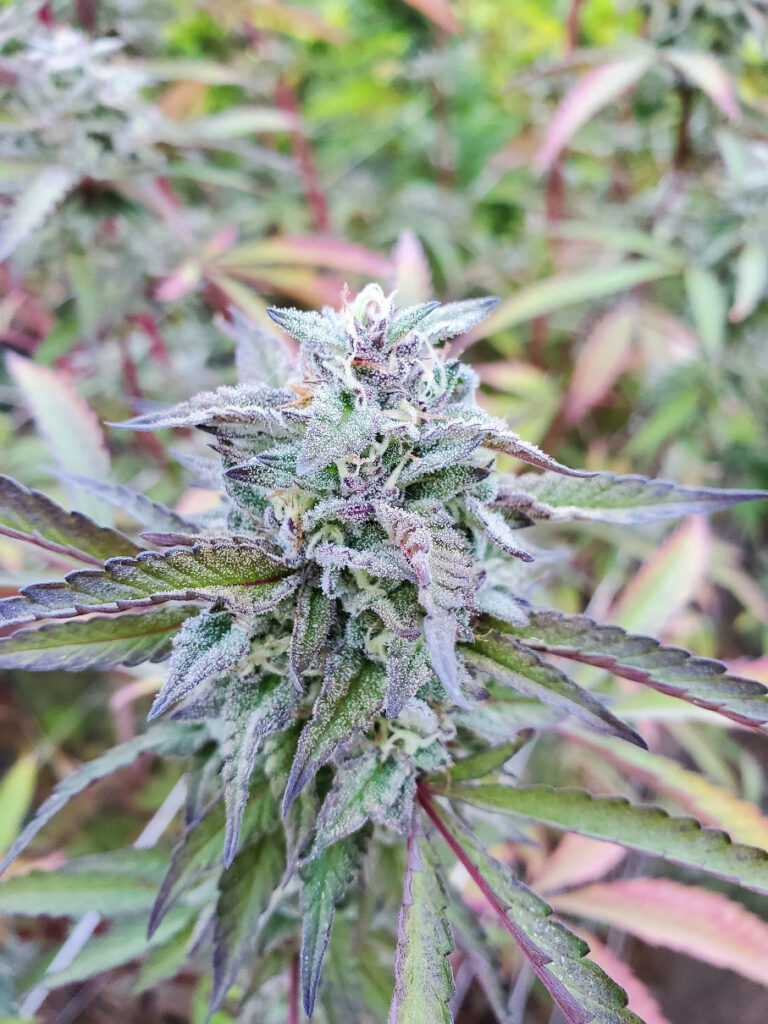
- Vibrant greens with gold and orange undertones.
- Dense, resinous trichomes that give the buds a frosty appearance.
- Vibrant pistils interwoven throughout the structure.
Aroma
The aroma of Green Goblin is a complex blend of:
- Skunky undertones, inherited from Skunk #1.
- Citrus and pine notes, which add freshness and brightness.
- Subtle earthy and herbal hints.
Flavor
When consumed, Green Goblin offers a flavor profile that mirrors its aroma. Users report:
- Citrus-forward taste with tangy and zesty notes.
- A hint of sweetness balanced by herbal and earthy flavors.
- A slightly skunky aftertaste.
Terpene Profile
The unique effects and flavors of Green Goblin are largely influenced by its terpene composition. This strain has the following main terpenes:
- Myrcene: Known for its relaxing and sedative properties, myrcene contributes to the strain’s earthy and herbal aroma.
- Limonene: Responsible for citrusy notes, limonene provides mood-enhancing and stress-relieving effects.
- Pinene: Adds pine-like freshness and is associated with improved focus and memory retention.
- Caryophyllene: Offers a spicy, peppery flavor and may help with inflammation and pain relief.
Cannabinoid Profile
Green Goblin’s effects are largely driven by its high THC content, complemented by trace amounts of other cannabinoids:
- THC (18% – 24%): Responsible for the strain’s psychoactive effects, including euphoria, energy, and relaxation.
- CBD (<1%): Though minimal, CBD contributes to modulating the effects of THC and adds subtle therapeutic benefits.
- CBG and CBN: Present in trace amounts, these cannabinoids may enhance the strain’s overall efficacy.
Effects and Experience
Onset and Duration
Green Goblin is fast-acting, with users typically feeling the effects within 5-10 minutes of consumption. The duration of its effects can last between 2-4 hours, depending on the dosage and individual tolerance.
Primary Effects
- Euphoria: The strain induces an immediate uplift in mood, characterized by happiness and positivity.
- Energy Boost: Users often report a surge in energy, making Green Goblin suitable for daytime use.
- Focus and Creativity: The strain’s cerebral effects enhance concentration and inspire creativity.
- Relaxation: While predominantly energizing, Green Goblin’s indica lineage ensures a balanced, calming undertone.
Medical Applications
Green Goblin offers a range of therapeutic benefits, making it a popular choice among medical cannabis patients. Below is a detailed breakdown of its medical uses:
1. Stress and Anxiety Relief
The uplifting effects of Green Goblin can alleviate symptoms of stress and anxiety. The limonene terpene is particularly effective in promoting a sense of calm and well-being.
2. Depression
Green Goblin’s euphoric and mood-enhancing properties are ideal for managing depression. Patients often report feeling motivated and optimistic after consumption.
3. Pain Management
The strain’s THC content, combined with the anti-inflammatory properties of caryophyllene, makes it effective for managing chronic pain conditions, including:
- Migraines
- Arthritis
- Muscle spasms
4. Fatigue
As a highly energizing strain, Green Goblin combats fatigue and boosts productivity, making it ideal for individuals struggling with low energy levels.
5. Appetite Stimulation
Green Goblin may help stimulate appetite in patients undergoing treatments that suppress hunger, such as chemotherapy.
6. ADHD and ADD
The strain’s focus-enhancing properties can benefit individuals with attention-deficit disorders, improving their ability to concentrate and stay productive.
Recreational Uses
Recreational cannabis users are drawn to Green Goblin for its dynamic and enjoyable effects. Some popular scenarios for its use include:
- Social Gatherings Green Goblin’s uplifting and energizing effects make it an excellent choice for socializing. Users report feeling more talkative and engaged in group settings.
- Creative Pursuits Artists, writers, and musicians often turn to Green Goblin for its ability to spark creativity and enhance imaginative thinking.
- Outdoor Activities The energy boost provided by this strain is perfect for outdoor adventures, such as hiking, biking, or enjoying nature.
- Daytime Use Thanks to its energizing properties, Green Goblin is a preferred strain for daytime use, assisting users in maintaining concentration and productivity.
Scientific Insights and Research
Green Goblin’s effects and applications can be explained through scientific studies on cannabinoids and terpenes:
- THC and Euphoria Studies show that THC interacts with the brain’s endocannabinoid system, particularly the CB1 receptors, to produce feelings of euphoria and relaxation.
- Terpenes and Synergy The entourage effect, where cannabinoids and terpenes work together, enhances Green Goblin’s overall impact. For instance:
- Limonene: Shown to reduce stress and anxiety in animal models.
- Myrcene: Known for its sedative effects, helping balance the energizing properties of THC.
- Neuroprotective Potential Preliminary research suggests that cannabis strains high in THC and terpenes like pinene may have neuroprotective properties, potentially benefiting conditions such as Alzheimer’s and Parkinson’s.
- Anti-inflammatory Effects Caryophyllene’s ability to interact with CB2 receptors makes it effective for reducing inflammation, a major contributor to numerous chronic illnesses.
Consumption Methods
Green Goblin, with its sativa-dominant effects, can be consumed in various ways, each offering a unique experience. Understanding the scientific basis of ingestion methods, their onset of effects, and duration can help users choose the most suitable option for their needs.
1. Ingestion Methods
Green Goblin can be consumed in several forms, each with distinct pharmacokinetics and user experiences:
A. Smoking
- Mechanism: Combustion releases cannabinoids and terpenes, which are inhaled into the lungs. THC and other compounds rapidly enter the bloodstream via the alveoli.
- Onset: Effects begin within 1–5 minutes due to the fast absorption rate.
- Duration: Typically lasts 1–3 hours, depending on the dose and user tolerance.
- Pros: Immediate effects, easy to titrate dosage.
- Cons: Combustion can irritate the lungs and produce harmful byproducts.
B. Vaping
- Mechanism: Heating cannabis or concentrates below the combustion point releases cannabinoids and terpenes as vapor.
- Onset: Similar to smoking, effects occur within 1–5 minutes.
- Duration: Lasts 1–3 hours.
- Pros: Cleaner experience with fewer toxins; preserves terpenes for enhanced flavor.
- Cons: Requires a vaporizer, and improper use may degrade cannabinoids.
C. Edibles

- Mechanism: THC and other cannabinoids are metabolized in the liver into 11-hydroxy-THC, a more potent and long-lasting metabolite.
- Onset: Slower, ranging from 30–90 minutes due to digestion and first-pass metabolism.
- Duration: Effects can last 4–8 hours, with peak intensity around 2–4 hours.
- Pros: Discreet, long-lasting effects, no lung irritation.
- Cons: Difficult to titrate dose, potential for delayed onset leading to overconsumption.
D. Sublingual (Tinctures)
- Mechanism: Cannabinoids are absorbed directly into the bloodstream through sublingual glands under the tongue.
- Onset: Rapid, usually within 15–30 minutes.
- Duration: Effects last 2–4 hours.
- Pros: Precise dosing, faster onset than edibles, discreet consumption.
- Cons: Some users may dislike the taste of cannabis tinctures.
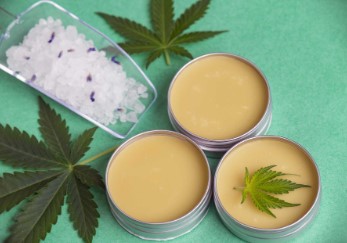
E. Topicals
- Mechanism: Cannabinoids are absorbed through the skin but do not enter the bloodstream significantly. Instead, they interact with localized CB2 receptors.
- Onset: 15–30 minutes for localized relief.
- Duration: Lasts 2–6 hours, depending on the product and application area.
- Pros: Effective for localized pain and inflammation without psychoactive effects.
- Cons: Not suitable for systemic effects or psychoactivity.
F. Dabbing (Concentrates)
- Mechanism: Concentrated cannabis extracts (e.g., shatter, wax) are vaporized at high temperatures and inhaled.
- Onset: Effects are felt almost immediately (1–3 minutes).
- Duration: Lasts 2–4 hours.
- Pros: Extremely potent, efficient delivery of cannabinoids.
- Cons: Intense for beginners, requires specialized equipment.
2. Onset of Effects
The onset of effects varies depending on the ingestion method due to differences in how cannabinoids are absorbed:
| Method | Onset Time | Reason |
|---|---|---|
| Smoking | 1–5 minutes | Direct absorption into the bloodstream via the lungs. |
| Vaping | 1–5 minutes | Similar mechanism as smoking, but without combustion. |
| Edibles | 30–90 minutes | Cannabinoids undergo first-pass metabolism in the liver. |
| Sublingual | 15–30 minutes | Direct absorption through sublingual glands bypasses first-pass metabolism. |
| Topicals | 15–30 minutes (localized) | Absorption through the skin interacts with peripheral receptors. |
| Dabbing | 1–3 minutes | Concentrated cannabinoids are rapidly absorbed in the lungs. |
3. Duration of Effects
The duration of Green Goblin effects depends on the ingestion method and individual factors such as metabolism, tolerance, and dosage:
| Method | Duration of Effects | Notes |
|---|---|---|
| Smoking | 1–3 hours | Quick onset but shorter-lasting effects. |
| Vaping | 1–3 hours | Similar duration as smoking with cleaner delivery. |
| Edibles | 4–8 hours | Prolonged effects due to the slow release of 11-hydroxy-THC. |
| Sublingual | 2–4 hours | Faster onset and shorter duration compared to edibles. |
| Topicals | 2–6 hours (localized) | No systemic effects; duration depends on absorption and product potency. |
| Dabbing | 2–4 hours | Potent and fast-acting, ideal for experienced users. |
4. Bioavailability of Cannabinoids
The bioavailability of THC and other cannabinoids varies with the method of ingestion:
- Smoking: Approx. 10–25% of cannabinoids are absorbed. Some are lost during combustion and side-stream smoke.
- Vaping: Approx. 40–50% bioavailability due to reduced waste and optimal temperatures.
- Edibles: Bioavailability is lower, around 4–12%, due to first-pass metabolism.
- Sublingual: Approx. 20–35% bioavailability, as cannabinoids bypass the digestive system.
- Topicals: Minimal systemic bioavailability; cannabinoids primarily interact with local CB2 receptors.
- Dabbing: Similar to vaping, with bioavailability around 40–50%.
5. Factors Influencing Onset and Duration
Several factors can affect how quickly and how long Green Goblin effects last:
- Metabolism: A faster metabolism results in a shorter duration yet a speedier beginning.
- Tolerance: Regular cannabis users may experience reduced effects due to tolerance.
- Fat Content in Edibles: Consuming edibles with high-fat meals enhances cannabinoid absorption.
- Strain-Specific Terpenes: Terpenes like myrcene can increase THC permeability, enhancing effects.
- Dose: Higher doses generally lead to longer durations but may also increase side effects.
Summary of Recommendations
For Fast Relief: Smoking or vaping Green Goblin is ideal for rapid onset.
For Long-Lasting Effects: Edibles are recommended, but dosing should be approached cautiously.
For Discreet Use: Sublingual tinctures offer fast and precise effects without smoke or vapor.
For Localized Relief: Topicals are effective for pain or inflammation without systemic effects.
For Potent Experiences: Dabbing concentrates provides intense and immediate results.
Each method of ingestion offers unique advantages and is suited to specific situations and user preferences.
Potential Side Effects
While Green Goblin is generally well-tolerated, some users may experience:
- Dry Mouth and Eyes Staying hydrated and using moisturizing eye drops can help mitigate these effects.
- Paranoia and Anxiety High doses may trigger anxiety or paranoia, particularly in individuals sensitive to THC.
- Dizziness This effect is typically mild and short-lived but can be minimized by consuming smaller doses.
Cultivating Green Goblin Cannabis
Green Goblin, like other cannabis strains, thrives when its growth environment is optimized for its specific genetic traits. Below is a detailed, science-based guide to cultivating Green Goblin effectively:
1. Ideal Growing Environment
Green Goblin is a moderately difficult strain to grow, requiring careful attention to environmental conditions.

- Temperature: Maintain daytime temperatures between 70–85°F (21–29°C) during the vegetative stage. Lower temperatures (65–80°F or 18–27°C) are optimal during the flowering stage to enhance resin production.
- Humidity Levels:
- Vegetative stage: 50–70% relative humidity (RH)
- Flowering stage: Gradually reduce to 40–50% RH to prevent mold and mildew on dense buds.
- Light Requirements:
- Indoors: Use full-spectrum LED or HID lights. A light cycle of 18/6 (hours on/off) is recommended for the vegetative stage, transitioning to 12/12 for flowering.
- Outdoors: Green Goblin thrives in warm, sunny climates with long days, such as Mediterranean-like regions.
2. Soil and Growing Medium
The choice of growing medium plays a significant role in the plant’s nutrient uptake and overall health:
- Soil: Organic, nutrient-rich soil with good drainage is ideal. Amendments such as bat guano, kelp meal, and worm castings can enhance nutrient availability.
- Soilless Mediums: Coco coir or hydroponic systems are suitable for advanced growers seeking precise control over nutrient delivery.
- pH Levels: Maintain a pH of 6.0–6.8 in soil and 5.5–6.5 in hydroponic systems for optimal nutrient absorption.
3. Nutrient Requirements
Green Goblin has specific nutrient needs during different growth phases:
- Vegetative Stage:
- High levels of nitrogen (N) to support vigorous leaf and stem growth.
- Moderate levels of potassium (K) and phosphorus (P).
- Flowering Stage:
- Reduce nitrogen levels to promote bud formation.
- Increase phosphorus and potassium for robust flower development.
- Micronutrients: Supplement with calcium, magnesium, and sulfur to avoid deficiencies.
- Organic Options: Compost teas and natural fertilizers can enhance microbial activity and promote healthy root systems.
4. Watering Practices
Proper watering is crucial to prevent issues like root rot or nutrient lockout:
- Frequency: In between waterings, let the top inch of soil dry out. Fungal illnesses can result from overwatering.
- Water Quality: Use filtered or dechlorinated water with a balanced pH. Avoid hard water, which can cause calcium and magnesium imbalances.
- Irrigation Systems: Drip irrigation or automated watering systems help maintain consistent moisture levels in larger setups.
5. Pest and Disease Management
Green Goblin, with its dense buds, is susceptible to pests and pathogens:
- Common Pests:
- Aphids, spider mites, and whiteflies. Use neem oil or predatory insects (e.g., ladybugs) for control.
- Diseases:
- Powdery mildew and bud rot are common. Improve airflow and maintain low humidity during flowering to reduce risks.
- Preventive Measures: Implement integrated pest management (IPM) strategies, such as regular inspections and crop rotation, to maintain plant health.
6. Training Techniques
Green Goblin benefits from training methods that maximize light exposure and yield:
- Topping: Encourages the plant to develop multiple colas by cutting the main stem early in the vegetative stage.
- Low-Stress Training (LST): Bending and tying down branches allow for better light penetration without causing stress.
- Screen of Green (ScrOG): Utilize a screen to spread out the plant canopy evenly, promoting uniform growth and higher yields.
- Defoliation: Removing excess fan leaves improves airflow and light distribution, reducing the risk of mold.
7. Flowering and Harvest
Green Goblin typically flowers within 8–9 weeks indoors, depending on the phenotype.
- Signs of Readiness:
- Trichomes: Check with a magnifying glass or microscope. Harvest when trichomes turn milky white with some amber heads for optimal potency.
- Pistils: About 70–90% of the pistils should darken and curl inward.
- Flushing: Two weeks before harvest, flush the plants with pure water to remove residual nutrients and improve the final flavor.
8. Drying and Curing
Proper post-harvest care ensures Green Goblin retains its terpene profile and potency:
- Drying: Hang the buds upside down in a dark, well-ventilated room with 50–60% RH and a temperature of 60–70°F (15–21°C). Drying typically takes 7–10 days.
- Curing: Store dried buds in airtight jars. To get rid of extra moisture, open the jars every day for the first week. After 2–4 weeks, the curing process enhances the flavor, aroma, and smoothness.
Scientific Optimization Tips
Microbial Inoculants: Adding beneficial microbes like mycorrhizae and Trichoderma improves root health and nutrient absorption.
CO₂ Enrichment: Increasing CO₂ levels to 1000–1500 ppm during the vegetative and early flowering stages can boost growth and yields in indoor setups.
Light Spectrum: Full-spectrum lights with additional red wavelengths enhance flowering, while blue light promotes vegetative growth.
Conclusion
Green Goblin is a versatile and potent cannabis strain that offers a wide range of benefits for both medical and recreational users. Its unique genetic lineage, complex terpene profile, and dynamic effects make it a favorite among cannabis enthusiasts.
Whether you’re seeking relief from chronic pain, a boost in creativity, or an energizing experience for socializing, Green Goblin delivers on all fronts. However, as with any cannabis strain, responsible consumption and proper dosing are essential to fully enjoy its benefits while minimizing potential side effects.
With its robust profile and numerous applications, Green Goblin remains a standout choice in the world of cannabis, embodying the best of what sativa-dominant hybrids have to offer.
For a complete directory of cultivars, visit our Cannabis Strain Reviews.
