Table of Contents
Gravity is an indica-dominant cannabis strain revered for its potent effects, unique terpene profile, and diverse applications in both medical and recreational contexts. Named for its ability to “pull” users into a deeply relaxed state, Gravity is a favorite among those seeking relief from physical and mental discomfort. This document provides an in-depth exploration of Gravity, including its origins, scientific properties, and uses.
Origins and Genetics:
- Northern Lights, an iconic indica known for its relaxing and euphoric effects.
- Hash Plant, another potent indica prized for its sedative qualities and resin production.
This genetic lineage gives Gravity its robust cannabinoid profile, making it a reliable choice for medical and recreational users alike.
Appearance, Aroma, and Flavor
- Appearance: Gravity buds are dense and medium-sized, showcasing deep green hues interspersed with purple undertones. The flowers are coated with a thick layer of trichomes, giving them a frosty, sticky appearance. The bright orange pistils provide a striking contrast.
- Aroma: Gravity is known for its earthy and pungent scent, with notes of sweet pine and spice. The aroma intensifies when the buds are broken apart, releasing a rich, skunky fragrance.
- Flavor: The taste profile mirrors its aroma. Upon inhalation, users experience an earthy flavor with hints of pine and citrus, followed by a sweet, woody aftertaste. This well-rounded flavor profile enhances the overall experience.
Cannabinoid and Terpene Profile
- THC Levels: Typically ranging between 18% and 24%, Gravity is a potent strain capable of delivering strong psychoactive effects. This high THC content makes it unsuitable for novice users without prior cannabis experience.
- CBD Levels: Gravity has minimal CBD content, usually below 1%. While not ideal for CBD-focused treatments, the strain’s THC-dominant effects can still address several medical conditions.
- Terpenes:
- Myrcene: Responsible for the strain’s sedative effects and earthy aroma.
- Caryophyllene: Adds a spicy, peppery note and provides anti-inflammatory benefits.
- Limonene: Contributes citrusy hints and promotes mood elevation.
- Linalool: Enhances the calming effects with floral undertones.
Medical Uses
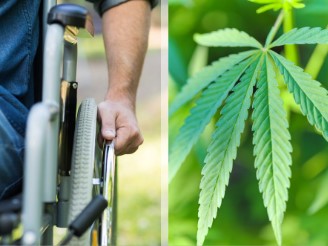
- Pain Management:
- Chronic pain: Gravity is frequently used by patients suffering from conditions such as fibromyalgia, arthritis, and migraines.
- Post-surgical pain: Its analgesic properties can provide significant relief after invasive procedures.
- Sleep Disorders:
- Insomnia: Gravity’s sedative effects make it a preferred choice for individuals struggling to fall or stay asleep.
- Sleep apnea: While not a cure, the strain can improve sleep quality by reducing anxiety and promoting relaxation.
- Mental Health:
- Anxiety: The calming properties of myrcene and linalool can alleviate symptoms of generalized anxiety and social anxiety.
- Depression: Gravity’s euphoric effects can help uplift mood and combat feelings of sadness and lethargy.
- Appetite Stimulation:
- Conditions like anorexia and cachexia benefit from the “munchies” effect induced by Gravity, encouraging users to eat and maintain nutritional health.
- Neurological Disorders:
- Multiple Sclerosis (MS): The strain’s anti-inflammatory and muscle-relaxing properties provide relief from spasms and stiffness.
- Parkinson’s Disease: Gravity may help reduce tremors and improve sleep quality.
- Nausea and Vomiting:
- Chemotherapy-induced nausea: Its anti-emetic properties make it a go-to choice for cancer patients undergoing treatment.
- Gastrointestinal disorders: Gravity can alleviate symptoms of irritable bowel syndrome (IBS) and Crohn’s disease.
Recreational Uses

- Relaxation and Stress Relief:
- Users often turn to Gravity to unwind after a long day. Its indica dominance induces deep physical relaxation while calming the mind.
- Euphoria:
- The strain’s initial effects include a burst of happiness and uplifted mood, making it ideal for social gatherings or solo introspection.
- Body High:
- Gravity delivers a profound body high, often described as a “melting” sensation. This makes it a favorite for those seeking a couch-lock experience.
- Enhanced Sensory Perception:
- Many users report heightened senses, making music, movies, or creative activities more enjoyable.
- Sleep Aid:
- Recreational users who struggle with sleep find Gravity’s sedative effects invaluable for achieving restful sleep.
Methods of Ingestion
- Smoking
- Description: The most traditional method involves combusting dried Gravity flowers in a joint, pipe, or bong.
- Onset: 1–5 minutes after inhalation.
- Duration: Effects last 1–3 hours, depending on the dose and individual tolerance.
- Bioavailability: Smoking delivers cannabinoids to the bloodstream through the alveoli in the lungs, with bioavailability ranging between 25–30%.
- Pros: Quick onset and high efficiency for immediate relief (e.g., pain or anxiety).
- Cons: Smoking may irritate the respiratory system due to tar and combustion by-products.
- Vaporization (Vaping)
- Edibles
- Description: Cannabis-infused foods or beverages made using Gravity-derived THC oil or butter.
- Onset: 30 minutes to 2 hours due to digestion and liver metabolism (first-pass effect).
- Duration: Effects last 4–8 hours, with peak effects around 2–3 hours after ingestion.
- Bioavailability: Lower, ranging between 4–20%, as cannabinoids must pass through the digestive system and undergo hepatic metabolism.
- Pros: Long-lasting effects, discreet consumption, and no respiratory side effects.
- Cons: Delayed onset makes dosing challenging, leading to a risk of overconsumption.
- Sublingual (Tinctures and Oils)
- Description: Cannabinoid-rich oils or tinctures are placed under the tongue for absorption through the sublingual gland.
- Onset: 15–45 minutes due to direct absorption into the bloodstream.
- Duration: Effects last 2–6 hours.
- Bioavailability: Moderate to high, around 20–35%, due to bypassing the digestive system.
- Pros: Rapid onset without combustion, precise dosing, and ease of use.
- Cons: Taste may be unpleasant for some users.
- Topicals
- Description: Cannabis-infused creams, balms, or patches applied directly to the skin for localized relief.
- Onset: 15–30 minutes.
- Duration: Effects last 1–4 hours for topicals, while transdermal patches can last up to 24 hours.
- Bioavailability: Limited to localized effects, as cannabinoids do not enter the bloodstream unless in a transdermal formulation.
- Pros: Ideal for targeted pain relief or skin conditions without psychoactive effects.
- Cons: Ineffective for systemic issues or those seeking psychoactive effects.
- Dabbing (Concentrates)
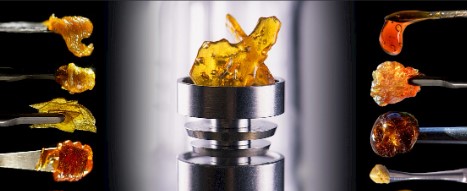
- Description: Involves vaporizing cannabis concentrates (e.g., wax, shatter, or live resin) using a dab rig.
- Onset: Immediate to 2 minutes.
- Duration: Effects last 1–3 hours.
- Bioavailability: Very high, up to 40–50%, as concentrated cannabinoids are efficiently absorbed through the lungs.
- Pros: Extremely potent effects, rapid onset, and efficient for experienced users.
- Cons: Intense experience may overwhelm novices, requires specialized equipment, and may lead to overconsumption.
Factors Influencing Onset and Duration
- Route of Administration:
- Inhalation (smoking, vaping, dabbing) offers the fastest onset due to direct absorption into the bloodstream via the lungs.
- Oral consumption (edibles) has the slowest onset because cannabinoids must pass through the digestive system and be metabolized by the liver.
- Individual Metabolism:
- Faster metabolisms may experience shorter durations and quicker onsets for methods like edibles.
- Body weight, age, and overall health also affect the experience.
- THC and CBD Ratios:
- Gravity’s high THC content enhances psychoactive effects, while its low CBD levels may result in a more intense, shorter-duration experience compared to balanced strains.
- Dosage:
- Higher doses generally lead to prolonged effects but increase the risk of side effects (e.g., paranoia, dry mouth).
- Tolerance:
- Regular users may require higher doses or more potent methods to achieve desired effects.
Scientific Insights on Bioavailability
- Inhalation vs. Ingestion: Studies show that inhaled cannabinoids bypass first-pass metabolism, allowing higher bioavailability and faster effects. In contrast, ingested cannabinoids are metabolized into 11-hydroxy-THC in the liver, which is more potent and has a longer half-life, leading to prolonged effects.
- Sublingual Advantage: Sublingual administration combines rapid onset with moderate duration, offering a middle ground between inhalation and ingestion.
Suitability of Methods for Medical and Recreational Use
- Medical Use:
- Chronic Pain: Vaporization or sublingual methods offer quick relief without respiratory irritation, while edibles provide long-lasting effects.
- Sleep Disorders: Edibles are ideal for sustained relief, while smoking or vaping can help users fall asleep quickly.
- Localized Issues: Topicals are effective for targeted pain relief and inflammation.
- Recreational Use:
- Immediate Effects: Smoking, vaping, or dabbing suit those seeking a fast onset.
- Prolonged High: Edibles offer a longer-lasting experience, favored by recreational users looking for extended relaxation or euphoria.
Potential Side Effects
- Dry Mouth and Eyes: Staying hydrated and using eye drops can alleviate these common symptoms.
- Dizziness: New users or those sensitive to THC may feel lightheaded.
- Paranoia and Anxiety: Overconsumption can exacerbate these issues, especially in individuals predisposed to anxiety.
- Sedation: While desirable for some, the strain’s sedative effects may interfere with daily tasks.
Optimal Growing Conditions
- Climate Preferences:
- Gravity thrives in a Mediterranean-like climate, with warm days and cool nights.
- Ideal temperature range: 70–80°F (21–27°C) during the day and a slight drop at night to encourage healthy growth and terpene production.
- Humidity Levels:
- During the vegetative stage: Maintain relative humidity (RH) at 50–70%.
- During the flowering stage: Reduce RH to 40–50% to prevent mold or mildew on its dense buds.
- Light Requirements:
- Indoors: Use full-spectrum LED grow lights, which mimic natural sunlight while consuming less energy.
- Photoperiod: Gravity requires a light schedule of 18/6 (light/dark) during the vegetative stage and 12/12 during flowering to trigger bud production.
Soil and Nutrient Needs
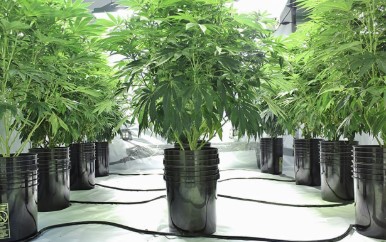
- Soil Composition:
- Gravity benefits from nutrient-rich, well-draining soil. Use a mix of loam, perlite, and organic compost to maintain aeration and prevent root rot.
- Soil pH should range between 6.0 and 6.5 for optimal nutrient absorption.
- Nutrients:
- Vegetative Stage: High nitrogen (N) content to promote leaf growth.
- Flowering Stage: Shift to phosphorus (P) and potassium (K)-rich fertilizers to enhance bud formation and resin production.
- Use supplements like magnesium and calcium to prevent deficiencies, which can hinder terpene and cannabinoid synthesis.
Watering Schedule
- Frequency:
- Watering should be adjusted based on the plant’s growth stage and environmental conditions.
- During the vegetative phase, more frequent watering is needed, while the flowering stage requires careful management to avoid overwatering.
- Technique:
- Use the “lift pot” method to judge moisture levels: lightweight pots indicate the need for water.
- Employ drip irrigation systems for consistent moisture without risking over-saturation.
Indoor vs. Outdoor Cultivation
- Indoor Cultivation:
- Allows precise control of temperature, light, and humidity, crucial for Gravity’s resin-rich buds.
- Recommended setup: Hydroponic systems or organic soil.
- Air circulation: Use oscillating fans to maintain airflow and reduce mold risks in tight indoor spaces.
- Outdoor Cultivation:
- Best suited for regions with stable climates and long growing seasons.
- Gravity plants should be placed in a sunny location with protection from heavy rain or wind.
- Soil amendments like organic compost improve outdoor yields by enriching the native soil.
Training Techniques
- Low-Stress Training (LST):
- Bend and tie branches to create an even canopy, ensuring all parts of the plant receive equal light exposure.
- This technique increases bud sites and maximizes yield.
- Topping:
- Cut the main stem during the vegetative phase to encourage lateral growth and a bushier structure.
- Gravity’s natural indica dominance responds well to topping, improving overall yield.
- Defoliation:
- Remove excess fan leaves, especially during the flowering phase, to enhance airflow and light penetration.
Pest and Disease Management
- Common Pests:
- Spider mites, aphids, and whiteflies are frequent nuisances.
- Use biological controls like ladybugs or neem oil to manage infestations naturally.
- Fungal Issues:
- Gravity’s dense buds are prone to powdery mildew and bud rot.
- Preventative measures include maintaining low humidity during flowering and ensuring good air circulation.
- Preventative Steps:
- Use diatomaceous earth around the base of plants to deter pests.
- Check plants frequently for indications of illness or infestation.
Harvesting and Post-Harvest Processing
- Harvest Timing:
- Gravity typically has a flowering period of 8–9 weeks.
- Harvest when trichomes turn cloudy with a mix of amber, indicating peak THC potency.
- Drying:
- Hang buds upside down in a dark, well-ventilated space with 50–60% humidity and temperatures around 60–70°F (15–21°C).
- Slow drying over 7–10 days preserves terpenes and cannabinoids.
- Curing:
- After drying, place buds in airtight jars and store in a cool, dark place.
- Open jars daily for the first two weeks to release excess moisture and enhance flavor.
Scientific Rationale for Cultivation Practices
- Terpene Retention:
- Lower temperatures during drying and curing prevent terpene degradation, maintaining Gravity’s characteristic earthy and piney aroma.
- Maximizing Cannabinoids:
- Stress techniques like controlled drought during the late flowering phase can boost THC production as a survival mechanism.
- Yield Optimization:
- Proper training techniques and nutrient management ensure maximum bud production without compromising quality.
Scientific Insights
- Pharmacology:
- Gravity’s effects are primarily driven by THC, which binds to CB1 receptors in the brain and central nervous system. This interaction reduces pain perception, induces euphoria, and promotes relaxation.
- Terpenes like myrcene and linalool enhance these effects through the “entourage effect,” where cannabinoids and terpenes enhance therapeutic advantages by working in concert.
- Cultivation:
- Gravity is a relatively easy strain to cultivate, making it a popular choice for growers. It takes about 8 to 9 weeks for it to flower and grows well both indoors and outdoors.
- The plants are short and bushy, characteristic of indica strains, and produce high yields of resinous buds.
- Research:
- Studies on THC-rich strains like Gravity have demonstrated their efficacy in managing chronic pain, insomnia, and anxiety. The anti-inflammatory properties of caryophyllene and the sedative effects of myrcene have been subjects of particular interest in cannabis research.
Legality and Availability
- Legal Status:
- Gravity is widely available in regions where cannabis is legal for medical or recreational use. Users should consult local regulations to ensure compliance.
- Availability:
- The strain is commonly found in dispensaries as dried flower, pre-rolls, concentrates, and edibles. It is also popular among home growers due to its manageable growth requirements.
Conclusion
Gravity is a versatile and potent cannabis strain with significant medical and recreational benefits. Its robust genetic lineage, unique chemical profile, and wide-ranging effects make it a favorite among users seeking deep relaxation and therapeutic relief. Whether for managing chronic pain or simply unwinding after a long day, Gravity delivers a reliable and satisfying experience.
As research into cannabis continues to grow, strains like Gravity will remain at the forefront of discussions about the plant’s potential to improve quality of life. However, as with any cannabis product, responsible use and proper dosing are crucial to maximizing benefits while minimizing risks.
For a complete directory of cultivars, visit our Cannabis Strain Reviews.
