Table of Contents
Grapefruit Kush is a highly sought-after hybrid cannabis strain that combines the best qualities of its parent strains. It is known for its uplifting and calming effects, as well as its distinctive grapefruit-like aroma. This strain has garnered attention both in medical and recreational cannabis communities due to its unique effects and potential therapeutic benefits. In this detailed breakdown, we will explore the genetic background, appearance, aroma, effects, and medical uses of Grapefruit Kush, including scientific insights and practical applications.
1. Genetics and Origins
Grapefruit Kush is a hybrid cannabis strain that results from the cross between two well-known cannabis varieties: Grapefruit and OG Kush. Both parent strains have a profound influence on the overall characteristics of Grapefruit Kush.
- Grapefruit: Known for its zesty, citrus aroma, Grapefruit is a sativa-dominant strain. It has been bred to emphasize the tangy, sweet, and tart flavor profile that resembles a grapefruit fruit. It is often appreciated for its mood-boosting and energizing effects.
- OG Kush: OG Kush is a legendary strain, often regarded as one of the founding fathers of modern cannabis. It is typically an indica-dominant hybrid that is recognized for its earthy, pine-like aroma and powerful, relaxing effects. OG Kush contributes to Grapefruit Kush’s sedative qualities, which balance out the energizing effects of Grapefruit.
The combination of these two strains results in a balanced hybrid, typically with a 50/50 or 60/40 indica-to-sativa ratio, although this can vary depending on the grower and specific phenotype. Grapefruit Kush delivers a hybrid experience that is both euphoric and relaxing, making it an excellent choice for various recreational and medicinal uses.
2. Appearance
Grapefruit Kush plants are visually appealing, with dense buds that are typically medium to large in size. The buds are light to dark green in color, with shades of purple sometimes appearing due to cooler growing conditions. The surface of the buds is covered in a thick layer of trichomes, which give them a frosty, sticky texture. These trichomes are where the plant’s potent cannabinoids and terpenes are concentrated.
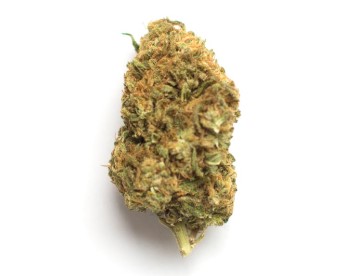
The pistils, or reproductive parts of the flowers, are often orange or red in color, providing a beautiful contrast to the green and purple hues. The buds are generally compact and feature a dense structure, typical of indica-dominant hybrids, though some phenotypes may lean more towards a sativa structure, with a looser bud formation.
3. Aroma and Flavor Profile
Grapefruit Kush lives up to its name in terms of aroma. The dominant scent is a tangy, citrus-like smell that mimics the fragrance of fresh grapefruit. This sharp and sweet aroma is complemented by earthy, piney, and kushy undertones, thanks to the influence of OG Kush.
When smoked or vaped, Grapefruit Kush offers a smooth yet flavorful experience. The taste tends to be a blend of citrus zest with a kushy, herbal aftertaste, making it a delightful strain for those who enjoy citrus-forward flavors paired with the earthy, musky notes that characterize many kush varieties.
4. Effects: Medical and Recreational Uses
The effects of Grapefruit Kush are highly sought after due to their balanced nature. Both recreational and medical users appreciate its dual effects of mental stimulation and physical relaxation.
Recreational Uses:

- Mood Enhancement: Grapefruit Kush is often used recreationally for its uplifting effects. Its sativa parent, Grapefruit, contributes to a euphoric and happy high, which can be ideal for social gatherings, creative endeavors, or general mood enhancement.
- Relaxation: The influence of OG Kush provides a calming and soothing effect that gradually takes over the body, helping users to relax without becoming too sedated. It offers a nice balance, allowing the user to feel mentally sharp and relaxed without being overwhelmed by drowsiness.
- Creative Stimulation: Many users report that Grapefruit Kush helps to clear the mind, making it a good choice for those seeking inspiration or creative flow. Its ability to enhance focus and stimulate creative thinking makes it suitable for artistic endeavors, brainstorming sessions, or problem-solving.
- Socialization: The balanced nature of Grapefruit Kush allows for sociable interactions. The mood-lifting effects help users feel more talkative and engaged, making it great for group pursuits or informal get-togethers with pals.
- .
Medical Uses:
Grapefruit Kush is particularly popular among medical cannabis users due to its versatile therapeutic properties. Its effects are well-suited for those dealing with a range of physical and mental health conditions. Below are some specific medical uses of Grapefruit Kush:
- Pain Relief: The combination of indica and sativa effects in Grapefruit Kush provides significant relief from chronic pain, muscle spasms, and inflammation. The relaxing properties of the strain can help alleviate tension and soreness, making it effective for conditions such as arthritis, fibromyalgia, and back pain.
- Stress and Anxiety: Grapefruit Kush is known for its mood-enhancing properties, which can help reduce feelings of stress, anxiety, and depression. It has a calming effect on both the mind and body, which can help users manage everyday stressors or more severe conditions such as generalized anxiety disorder (GAD) or post-traumatic stress disorder (PTSD).
- Depression: Due to its uplifting and euphoric effects, Grapefruit Kush may provide relief for individuals struggling with depression. It can lift the spirits and help combat feelings of sadness, apathy, or low motivation.
- Appetite Stimulation: Like many cannabis strains, Grapefruit Kush has the potential to stimulate appetite. This is particularly beneficial for individuals undergoing chemotherapy or those suffering from conditions like anorexia, where maintaining a healthy appetite can be difficult.
- Sleep Disorders: While Grapefruit Kush is not as sedative as some other indica-dominant strains, it can still provide relief for individuals with sleep disorders such as insomnia. The strain’s calming and relaxing effects can help users wind down in the evening, easing them into sleep without leaving them feeling groggy the next day.
- Nausea and Vomiting: Grapefruit Kush has been reported to help alleviate nausea, especially in individuals undergoing medical treatments like chemotherapy. Its antiemetic properties make it a viable option for those suffering from nausea and vomiting brought on by a number of illnesses.
5. Cannabinoid and Terpene Profile
The therapeutic effects of Grapefruit Kush can largely be attributed to its cannabinoid and terpene profile. Below is an overview of the key compounds found in this strain.
Cannabinoids:
- THC (Tetrahydrocannabinol): Grapefruit Kush typically has a THC content ranging from 18% to 22%, although some phenotypes may contain higher concentrations. The main psychoactive ingredient in cannabis, THC, is what gives users their happy feelings that users experience. It is also a potent pain reliever and mood enhancer.
- CBD (Cannabidiol): The CBD content in Grapefruit Kush is usually low, typically less than 1%. While CBD is known for its therapeutic benefits, including anxiety reduction and anti-inflammatory properties, the effects of Grapefruit Kush are largely driven by THC.
- CBN (Cannabinol): CBN is another cannabinoid that may be present in trace amounts in Grapefruit Kush. It is known for its sedative effects and can contribute to the strain’s ability to help with relaxation and sleep.
Terpenes:
- Myrcene: Myrcene is the most abundant terpene in Grapefruit Kush. It has a musky, earthy scent with hints of clove and spice and is known for its relaxing sedative effects. Myrcene also enhances the effects of THC, making the overall experience more potent.
- Limonene: Limonene is responsible for the citrus aroma of Grapefruit Kush, contributing to its grapefruit-like scent. This terpene is often associated with mood elevation, stress relief, and anxiety reduction. It also possesses antioxidant and anti-inflammatory qualities.
- Pinene: Pinene is another common terpene in Grapefruit Kush, contributing to its pine-like aroma. Pinene is known for its potential cognitive-enhancing effects, improving focus and memory retention.
- Caryophyllene: This terpene has a spicy, peppery scent and is known for its anti-inflammatory and pain-relieving properties. It may also contribute to the strain’s ability to alleviate stress and anxiety.
6. Growing Grapefruit Kush
Genetic Adaptation to Environmental Conditions
Grapefruit Kush, as a hybrid strain, combines genetics from both the Grapefruit and OG Kush strains. Understanding how the genetic traits of these parent strains influence Grapefruit Kush’s growth patterns is essential for successful cultivation.
- Grapefruit Genetics: Grapefruit, as a sativa-dominant strain, typically thrives in warmer, more tropical climates. It has been bred for resistance to common pests and molds, and its sativa characteristics generally lead to a tall, lanky growth structure with longer flowering times.
- OG Kush Genetics: OG Kush, on the other hand, is an indica-dominant strain, which often exhibits a bushier growth pattern and requires a slightly shorter flowering time. It is better suited to Mediterranean climates with mild, dry conditions, and it is more resistant to pests and mildew than many other cannabis strains.
Grapefruit Kush inherits a balance of these traits, allowing it to adapt to a variety of climates. The hybrid nature of this strain typically results in plants that are moderately sized, with some phenotypes being taller and others bushier, depending on environmental factors.
Climate and Environmental Preferences
Grapefruit Kush thrives in both indoor and outdoor environments, but the environmental conditions must be carefully controlled for optimal growth. Understanding the plant’s ideal climate is crucial for maximizing both the quantity and quality of the harvest.
- Temperature Range: Grapefruit Kush prefers temperatures between 68°F to 77°F (20°C to 25°C) during the day. Nighttime temperatures should not drop below 60°F (15°C), as the plant’s metabolism can slow down under cooler conditions. Maintaining a stable temperature is critical for reducing stress on the plant, which could lead to stunted growth or lower yields.
- Humidity: This strain prefers a moderate humidity level of about 50% to 60% during the vegetative stage, and around 40% to 50% during flowering. Lower humidity levels during flowering help reduce the risk of mold and mildew, which can be a concern for dense, resinous buds like those of Grapefruit Kush.
- Light Requirements: Grapefruit Kush, like most cannabis plants, requires abundant light. For indoor cultivation, high-intensity discharge (HID) lamps or light-emitting diode (LED) lights are commonly used. Indoor growers typically follow a light cycle of 18 hours of light and 6 hours of darkness during the vegetative phase, switching to 12 hours of light and during the blossoming period, there are twelve hours of darkness.
Outdoor cultivation is dependent on natural sunlight, and the plant typically does well in sunny, temperate environments. This strain tends to thrive when grown outdoors in Mediterranean climates, where the plant can spend the majority of the day in direct sunshine.
Soil Composition and Nutrient Requirements
Grapefruit Kush’s growth can be influenced significantly by the soil in which it is grown. Understanding the chemical composition of the soil and ensuring that it meets the plant’s needs is essential for healthy growth.
- Soil Type: Grapefruit Kush performs well in well-draining, loamy soil with a slightly acidic to neutral pH level (around 6.0 to 7.0). The soil should have a good balance of organic matter, which promotes root health and nutrient availability. Soils that are too heavy, like clay, can result in poor root development, while overly sandy soils may not retain enough moisture for the plant.
- Hydroponics: For indoor growers, hydroponics may be a good option for cultivating Grapefruit Kush. Hydroponic systems allow for greater control over nutrient delivery, leading to faster growth and higher yields. In hydroponic systems, the plant’s roots are submerged in a nutrient-rich solution rather than soil.
- Nutrient Requirements: Grapefruit Kush benefits from a balanced nutrient regimen. During the vegetative stage, nitrogen is the key nutrient, promoting healthy leaf and stem growth. In the flowering stage, however, phosphorus and potassium become more important to encourage the development of large, resinous buds. Growers should ensure that the plants receive adequate amounts of calcium, magnesium, and sulfur for optimal health.
- Organic Fertilizers: Organic fertilizers, such as compost or earthworm castings, are a preferred method for cultivating Grapefruit Kush. These organic materials not only provide essential nutrients but also enhance soil structure and microbial activity, promoting better overall plant health.
Pruning and Training Techniques
Pruning and training are essential techniques for maximizing yield and quality, particularly with hybrid strains like Grapefruit Kush, which may display a variety of growth patterns.
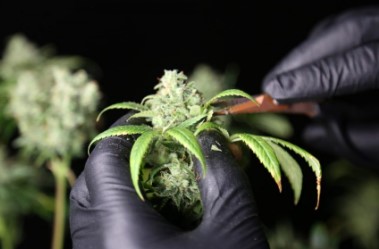
- Pruning: Regular pruning during the vegetative phase helps improve airflow within the canopy, allowing light to reach lower branches and improving overall bud production. Pruning also helps the plant focus its energy on the main colas rather than unnecessary branches. Growers should carefully remove any dead or unhealthy foliage to prevent disease and mold growth.
- Training Techniques: Common training techniques, such as Low Stress Training (LST), Screen of Green (ScrOG), and Topping, can help Grapefruit Kush plants develop a strong, even canopy. These methods encourage the growth of multiple colas and can significantly increase yields, particularly in indoor settings where space is limited.
- Topping: Topping involves cutting off the main stem of the plant to encourage lateral growth and the development of multiple primary branches. This can result in a bushier plant with more flower sites.
- LST: Low Stress Training (LST) involves bending and tying the plant’s branches in a way that promotes horizontal growth rather than vertical. This technique is particularly useful for managing tall strains, but it also helps ensure that the plant’s entire surface receives light.
Flowering and Harvesting
The flowering phase for Grapefruit Kush typically lasts 8 to 9 weeks. However, the exact flowering time can vary depending on the phenotype and growing conditions. During the flowering phase, growers should monitor the plants closely for any signs of nutrient deficiencies, pests, or disease.
- Flowering Time: Grapefruit Kush’s flowering period usually falls within the 8-9 week range, although some phenotypes may require slightly more or less time. During this phase, the plant will begin to produce dense, resinous buds, which are often sticky to the touch due to their high trichome content.
- Harvesting: When harvesting, it is important to monitor the trichomes closely. Trichomes, the tiny resin glands that cover the buds, should be milky-white or amber-colored when the plant is ready for harvest. A combination of milky-white and amber trichomes generally indicates peak THC content.
- Harvesting Method: To maximize the potency of Grapefruit Kush, growers often harvest the plant in stages. The main colas are typically harvested first, and the smaller buds are taken a few days later to allow the remaining trichomes to mature.
Post-Harvest Curing and Storage
After harvesting, the curing process plays a critical role in preserving the flavor, potency, and aroma of Grapefruit Kush.
- Curing: After the buds are harvested and dried, they should be placed in airtight jars and stored in a cool, dark place for 2 to 4 weeks. Curing allows the buds to reach their full flavor potential by breaking down chlorophyll and other plant matter. The buds will become smoother, and the flavor profile will become more refined.
- Storage: Proper storage is essential for maintaining the potency of Grapefruit Kush. The buds should be kept in glass jars or vacuum-sealed bags, away from heat and direct light, to prevent degradation of the cannabinoids and terpenes.
7. Conclusion
Grapefruit Kush is a well-rounded hybrid cannabis strain that offers a unique combination of uplifting and calming effects. Its balanced effects make it a versatile choice for both recreational and medicinal users. Whether you’re seeking relief from stress, pain, or anxiety, or simply want a strain that can enhance your mood and creativity, Grapefruit Kush may be an excellent choice. Its pleasant citrus aroma, moderate THC content, and array of beneficial effects make it a popular option in the cannabis community. As more research is conducted into its therapeutic potential, Grapefruit Kush is likely to maintain its status as a top-tier strain for both recreational and medical cannabis users.
For a complete directory of cultivars, visit our Cannabis Strain Reviews.
