Table of Contents
The Grapefruit Diesel cannabis strain is a popular hybrid known for its energizing effects, complex flavor profile, and unique combination of both uplifting and relaxing properties. A cross between the legendary Grapefruit and NYC Diesel strains, it inherits the best traits of both parents, resulting in a balanced and versatile cannabis variety. This strain is widely appreciated for its potent medicinal and recreational uses, making it a go-to choice for both casual users and patients seeking specific therapeutic benefits.
Genetics and Lineage
Grapefruit Diesel is a hybrid cannabis strain that combines the best attributes of its parent strains.
- Grapefruit: This is a sativa-dominant hybrid known for its citrusy aroma and energizing effects. It typically has moderate THC levels and is valued for its mood-lifting properties.
- NYC Diesel: A hybrid strain with a strong sativa dominance, NYC Diesel is known for its diesel-like aroma, earthy flavor, and its potent effects that produce a combination of relaxation and mental stimulation.
The crossbreeding of these two strains results in a hybrid that has the citrusy and sweet notes of grapefruit combined with the pungent, diesel-like aroma characteristic of NYC Diesel.
Appearance
Grapefruit Diesel buds are typically medium to large in size, with a dense, tight structure. The flowers often display shades of vibrant green, accompanied by orange pistils that weave through the buds. These buds are often coated with a generous layer of trichomes, giving them a frosty, sticky appearance.
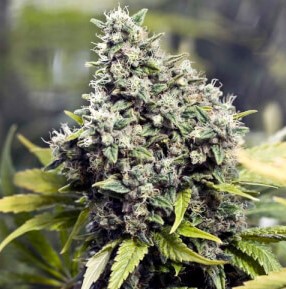
The resin glands on the flowers are abundant, which contribute to the strain’s aromatic potency and high THC content. When broken apart, the buds often release a strong diesel aroma mixed with citrus, further highlighting its genetic lineage.
Aroma and Flavor Profile
- Aroma: The smell of Grapefruit Diesel is a striking mix of citrus grapefruit and diesel, with a distinct sweetness. The diesel aroma is pungent, earthy, and skunky, while the grapefruit provides a refreshing, tangy citrus note that balances out the heaviness of the diesel.
- Flavor: When smoked or vaped, Grapefruit Diesel offers a smooth taste that mirrors its aroma. The initial flavor profile is dominated by sweet, tangy grapefruit, followed by a subtle, earthy diesel aftertaste. Some users may also detect hints of pine or woodiness, which adds depth to the flavor.
This combination of citrus sweetness and pungent diesel creates a unique and memorable experience for consumers.
THC and CBD Content
- THC Content: Grapefruit Diesel typically contains 18% to 24% THC, making it a moderately potent strain. This range allows it to deliver a strong effect, but it’s not overwhelming for those accustomed to cannabis with moderate to high THC levels.
- CBD Content: Grapefruit Diesel contains relatively low levels of CBD, typically under 1%. This makes it unsuitable for patients specifically seeking high CBD strains for conditions like epilepsy or chronic pain, but the strain still provides therapeutic benefits due to its THC content.
Effects: Medical and Recreational Uses
Recreational Effects

- Mental Stimulation: Grapefruit Diesel offers an initial cerebral high, which is energizing and stimulating. It is often used by recreational consumers who seek a boost in creativity or focus. The effects are uplifting and euphoric, making it a popular choice for social situations or activities that require mental engagement.
- Increased Energy and Mood Lift: Users often experience an energetic high that makes them feel happy, motivated, and talkative. This is why the strain is often used during the daytime or for activities such as exercise, hiking, or creative work. The euphoria produced by Grapefruit Diesel can last for several hours, depending on the individual’s tolerance.
- Relaxation and Body Buzz: As the high progresses, users typically experience a relaxing body buzz that helps relieve physical tension. The combination of mental stimulation and physical relaxation makes it suitable for activities that involve both creativity and relaxation, such as drawing or listening to music.
Medical Effects
Grapefruit Diesel is often used by patients seeking relief from a range of medical conditions due to its well-rounded effects. Here are some of its specific medical uses:
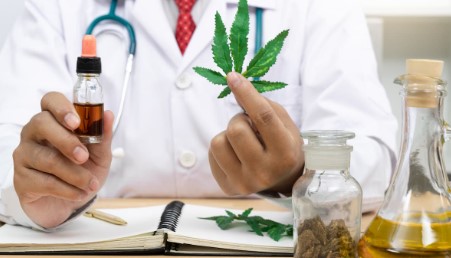
- Chronic Pain Relief: The strain is effective at alleviating mild to moderate chronic pain due to its body-relaxing properties. Many users report feeling more comfortable and at ease, making it useful for conditions such as stiff muscles, joint ache, and back pain.
- Mood Disorders: Grapefruit Diesel is often used to treat anxiety, depression, and stress. The uplifting and euphoric nature of the strain makes it ideal for improving mood, boosting motivation, and helping those who suffer from mental health conditions. It’s a good option for daytime use as it helps combat feelings of sadness and despair without causing too much sedation.
- Fatigue and Low Energy: Patients who suffer from fatigue, whether due to illness, treatment (such as chemotherapy), or lifestyle factors, often find that Grapefruit Diesel helps them regain energy and focus. Its stimulating nature can counteract feelings of tiredness, making it useful for people needing a mid-day energy boost.
- Appetite Stimulation: Grapefruit Diesel may help stimulate the appetite in patients who experience a loss of appetite due to illness or medication. The mild euphoria and relaxed body high can encourage users to eat and enjoy their meals, which is beneficial for those with conditions such as cancer, HIV/AIDS, or other chronic illnesses.
- Nausea and Headaches: The strain is also useful for easing nausea and alleviating tension headaches. The relaxing body effects can help ease the discomfort associated with these conditions, providing a sense of relief without the intense sedation that some other strains might offer.
Growing Grapefruit Diesel
Genetic and Growth Characteristics
Grapefruit Diesel, being a hybrid between Grapefruit and NYC Diesel, inherits both sativa and indica characteristics. This means the plant typically exhibits the following traits:
- Growth Pattern: The plant tends to grow medium to tall in height, with a strong, upright structure. It may have wide internodal spacing, meaning there’s more space between branches and leaves, which can affect light penetration and airflow.
- Leaf Structure: Grapefruit Diesel will have wide, dark green leaves characteristic of its indica parent, though there may be some slender, sativa-like leaves in the mix.
- Flowering Time: The strain typically takes 8 to 10 weeks to flower. It’s a moderate-duration flowerer that rewards growers with generous yields when provided with optimal care and conditions.
Environmental Factors for Cultivation
Climate and Temperature
- Temperature Range: Grapefruit Diesel grows best in a temperature range of 65°F to 80°F (18°C to 27°C) during the day. Slightly cooler temperatures (around 50°F to 60°F or 10°C to 15°C) at night can help encourage a healthier environment for blooming, as cooler nights promote the production of trichomes (the resin-producing glands) and cannabinoids, enhancing the potency of the strain.
- Humidity: Maintaining proper humidity is crucial, especially in the vegetative stage. 40% to 60% humidity is ideal during early growth. However, during the flowering phase, it is advisable to lower humidity levels to 40% to 50% to avoid mold and mildew growth. This is especially important because high humidity can promote fungal infections and bud rot in dense buds.
Light Requirements
- Light Intensity: Grapefruit Diesel thrives under high-intensity light, especially when grown indoors. During the vegetative stage, cannabis plants need at least eighteen hours of light per day to encourage healthy growth. During the flowering stage, they should receive 12 hours of light and 12 hours of complete darkness to induce the production of flowers.
- Light Spectrum: A full-spectrum light setup is ideal for both vegetative and flowering stages. Blue light is important for the vegetative stage, as it encourages leaf growth and structure. Red light is crucial for the flowering phase as it helps with bud development and increases resin production. For indoor growers, LED lights or high-pressure sodium (HPS) lights are commonly used for their efficiency and spectrum suitability.
Airflow
- Ventilation: Good airflow is essential to avoid the development of diseases such as powdery mildew, especially in high-humidity environments. It’s important to use a high-quality ventilation system to circulate fresh air and regulate temperatures. Ensuring that air is not stagnant and that plants get plenty of CO2 can greatly enhance overall growth and yield.
Soil vs. Hydroponics: Choosing the Right Medium
Grapefruit Diesel can be grown in soil or hydroponic systems, each offering different advantages and challenges.
Soil Cultivation:
- Benefits: Growing in soil can result in a richer terpene profile and potentially better flavor, as the plant can absorb nutrients more naturally. Soil provides a buffer against overfeeding, which can be beneficial for novice growers. It also allows for greater microbial life, which can contribute to healthier root systems.
- Soil pH: Cannabis plants generally prefer a pH range of 6.0 to 7.0 for soil cultivation. Grapefruit Diesel specifically benefits from this range, as it supports nutrient uptake and root development. Too high or too low a pH can cause nutrient lockout, resulting in deficiencies or toxicities.
Hydroponics Cultivation:
- Benefits: Hydroponic systems, such as Deep Water Culture (DWC) or Nutrient Film Technique (NFT), offer faster growth rates and higher yields by providing direct access to nutrients in water. Hydroponics also typically leads to faster flowering times and can allow for tighter control over nutrient intake and water consumption.
- Nutrient Solutions: When growing hydroponically, the nutrient solution should be carefully monitored. For Grapefruit Diesel, it’s best to use a balanced nutrient solution with equal amounts of nitrogen (N), phosphorus (P), and potassium (K) during vegetative growth. In the flowering phase, a higher phosphorus and potassium ratio is recommended to encourage bud growth and resin production.
Nutrient Requirements
Cannabis plants, including Grapefruit Diesel, require specific nutrients for healthy growth. These can be broken down into macronutrients (needed in larger quantities) and micronutrients (needed in smaller quantities).
Macronutrients:
- Nitrogen (N): Essential for vegetative growth. Nitrogen encourages the production of chlorophyll, allowing the plant to carry out photosynthesis efficiently. Plants need more nitrogen when they are in the vegetative phase.
- Phosphorus (P): Essential for the growth of roots and the creation of flowers. Phosphorus plays a critical role in the energy transfer within the plant, helping with the formation of buds and trichomes. A higher phosphorus ratio should be provided during the flowering stage.
- Potassium (K): Essential for overall plant health, potassium helps with enzyme activation, water regulation, and stress resistance. Grapefruit Diesel, during its flowering stage, will benefit from a potassium-rich nutrient mix to support bud formation and resin production.
Micronutrients:
- Calcium and Magnesium are particularly important for cell wall integrity and nutrient uptake, and both should be included in the nutrient solution.
- Iron, Zinc, and Manganese help in enzyme formation and metabolic processes. These micronutrients are required in smaller amounts but are still crucial to overall plant health.
Training and Pruning Techniques
To optimize yields and maintain healthy growth, specific training and pruning techniques should be employed. Grapefruit Diesel, due to its hybrid nature, responds well to techniques that enhance light exposure and airflow, both of which are critical for developing large, resin-coated buds.
Low-Stress Training (LST):
LST is a method that gently bends branches to expose the inner parts of the plant to light. This technique encourages even canopy growth, which maximizes bud development.
Topping:
Topping involves cutting the main stem to promote the growth of two new main stems. This helps increase lateral branching and leads to more bud sites. Grapefruit Diesel responds well to topping, as it encourages the plant to grow bushier with multiple flowering sites.
Defoliation:
Selective removal of larger fan leaves that are blocking light from reaching lower buds can help improve airflow and light penetration. However, this should be done with care to avoid stressing the plant too much.
Screen of Green (SCROG):
This method involves placing a screen above the plant and training the branches to grow horizontally, creating an even canopy. SCROG helps to increase yields by ensuring that all parts of the plant get sufficient light, which is particularly useful for a strain like Grapefruit Diesel, which can develop large flowers.
Harvesting, Drying, and Curing
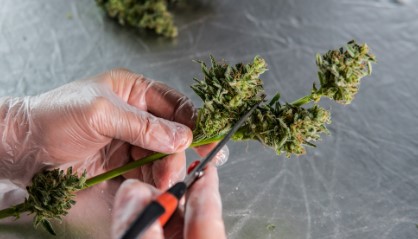
- Harvesting: The ideal time to harvest Grapefruit Diesel is when trichomes (the resin glands) are milky white or amber. Most growers use a magnifying tool to monitor the trichomes. Harvesting at the right time ensures that the THC content is maximized.
- Drying: After harvesting, hang the buds upside down in a cool, dark, and well-ventilated area for 7 to 10 days until they feel dry to the touch but not brittle. Humidity levels during drying should be 50% to 60% to ensure proper drying without mold.
- Curing: Curing is an essential part of the post-harvest process. Once the buds have dried, store them in airtight containers and open them every day for the firstfew weeks to allow moisture to escape and fresh air to enter. This process improves flavor, smoothness, and potency.
Possible Side Effects
Like all cannabis strains, Grapefruit Diesel can cause some side effects, especially when consumed in larger quantities. These may include:
- Dry Mouth (Cottonmouth): A common side effect of many cannabis strains, including Grapefruit Diesel, is dry mouth. Users may experience an intense feeling of thirst, which can be alleviated by drinking water or hydrating beverages.
- Dry Eyes: Some users may experience dry, itchy, or red eyes after consuming this strain. This irritation can be lessened with the use of eye drops.
- Dizziness: In higher doses, Grapefruit Diesel may cause dizziness or lightheadedness, especially for those with a lower tolerance to THC.
- Anxiety or Paranoia: In rare cases, particularly for users who are sensitive to THC or consume too much, Grapefruit Diesel may cause feelings of anxiety or paranoia. It’s advisable for new users to start with a small dose to avoid this potential side effect.
Conclusion
Grapefruit Diesel is a well-balanced hybrid strain that provides both recreational and medicinal users with a wide range of benefits. Its uplifting effects, combined with its ability to relax the body, make it ideal for both social occasions and therapeutic use. Whether you’re seeking relief from pain, fatigue, or mood disorders, or simply looking for an energizing and flavorful cannabis strain, Grapefruit Diesel stands out as a versatile and popular choice.
With a THC content ranging from 18% to 24%, it offers a potent but manageable high, and its unique citrus-diesel aroma and flavor profile make it enjoyable for those who appreciate complex tastes and scents. While not the easiest strain to grow, its moderate yield and resistance to pests make it a rewarding option for home growers.
In summary, Grapefruit Diesel is an excellent choice for anyone looking for a hybrid strain that offers a combination of mental clarity, mood elevation, and physical relaxation. Whether you’re using it for medical purposes or recreational enjoyment, this strain continues to be a favorite in the cannabis community.
For a complete directory of cultivars, visit our Cannabis Strain Reviews.
