Table of Contents
Genetics and Lineage: Grape Valley Kush is an indica-dominant hybrid, typically containing around 70% indica and 30% sativa genetics. It is believed to be a cross between the well-known OG Kush and the Grape Ape strains, both of which contribute to its signature grape flavor and relaxing effects. The Kush lineage provides a robust body high, while the Grape Ape influences enhance the strain’s sweet, fruity aroma.
Appearance: The buds of Grape Valley Kush are dense and large, with an olive-green color highlighted by dark purple hues. The nugs are often coated in a frosty layer of trichomes, which is typical of the Kush family, adding to the strain’s bag appeal. When broken apart, the buds release a sweet, pungent scent reminiscent of ripe grapes with earthy undertones.
Aroma and Flavor Profile: True to its name, Grape Valley Kush has a distinctive grape-like aroma, mixed with a blend of sweet, berry, and earthy scents. The flavor mirrors the smell, offering a smooth, sweet, and slightly fruity taste, accompanied by an earthy Kush aftertaste. The flavor profile is one of the main reasons this strain is so popular among cannabis users, particularly those who enjoy dessert-like, fruity strains.
THC and CBD Content
THC Content: Grape Valley Kush typically boasts a THC content ranging from 18% to 22%, though some cultivars may exceed this range, depending on cultivation methods. This moderate to high THC level makes Grape Valley Kush potent enough to deliver strong effects, making it a suitable choice for users seeking both relaxation and euphoria.
CBD Content: The CBD content in Grape Valley Kush is relatively low, usually hovering around 0.1% to 0.3%. This makes it less suitable for users specifically seeking CBD-rich strains for medicinal purposes. However, it still offers some minor benefits for users who do not require high levels of CBD for therapeutic effects.
Medical Uses and Benefits
Grape Valley Kush is highly regarded in the medical cannabis community due to its variety of therapeutic effects. It is commonly used to treat a range of physical and mental health conditions, providing relief from stress, anxiety, pain, and insomnia. Below are some of the most prominent medical uses of Grape Valley Kush:
Stress and Anxiety Relief
The calming, sedative effects of Grape Valley Kush are highly beneficial for individuals suffering from stress or anxiety. Its indica-dominant genetics help induce a state of relaxation, easing mental tension and promoting a sense of well-being. Patients with generalized anxiety disorder (GAD) or social anxiety disorder may find this strain helpful, as it can reduce feelings of nervousness and promote mental clarity.
Chronic Pain Management
Grape Valley Kush’s relaxing properties are also useful for individuals dealing with chronic pain conditions. The body high induced by this strain helps soothe muscular tension, joint pain, and inflammation. It is commonly recommended for patients suffering from conditions like arthritis, fibromyalgia, and multiple sclerosis, as it provides relief without the need for pharmaceutical painkillers.
Sleep Aid and Insomnia Treatment
The sedative effects of Grape Valley Kush make it an excellent choice for individuals struggling with insomnia or other sleep disorders. Its calming and relaxing nature allows users to unwind and fall asleep more easily. For people with conditions that make it difficult to get restful sleep, such as PTSD or chronic pain, Grape Valley Kush can be a natural alternative to over-the-counter or prescription sleep aids.
Appetite Stimulation
Like many other cannabis strains, Grape Valley Kush can stimulate appetite, making it a good option for individuals undergoing chemotherapy or suffering from eating disorders like anorexia or cachexia. The strain’s pleasant flavor and relaxing effects encourage eating, making meals more enjoyable for individuals who have difficulty eating due to nausea or lack of appetite.
Mood Enhancement
This strain can help improve mood and elevate feelings of happiness and contentment. It may be particularly beneficial for individuals experiencing depression or mood swings. The combination of uplifting and calming effects helps users feel more emotionally balanced, fostering a sense of euphoria and well-being.
Recreational Uses and Effects
Grape Valley Kush is a versatile strain that is favored by recreational users due to its enjoyable effects and flavorful profile. Below are some of the primary recreational uses and effects:
Relaxation and Stress Relief
As an indica-dominant strain, Grape Valley Kush excels at inducing deep relaxation. Its effects are ideal for winding down after a long day or for chilling out in a social setting. Recreational users report feeling physically relaxed and mentally at ease, making it perfect for unwinding on the couch or in the company of friends.

Enhanced Creativity and Social Interaction
Though Grape Valley Kush is mainly known for its relaxing effects, it also offers a mild cerebral high that can enhance creativity and boost social interactions. Users often report feeling talkative and more engaged in conversation, making it a great strain for social gatherings or creative brainstorming sessions.
Mood Lifting
The sweet, fruity aroma and uplifting effects make Grape Valley Kush a feel-good strain that can help elevate the mood. Whether you’re enjoying a quiet evening alone or socializing with friends, this strain’s happy effects can add a sense of euphoria to the experience. It’s great for users seeking to enhance their overall mood and enjoy a more pleasant, carefree day.
Taste and Flavor Enjoyment
For those who appreciate the sensory experience of consuming cannabis, Grape Valley Kush is an ideal strain. Its sweet grape-like flavor and smooth smoke make it a delicious choice for connoisseurs who prioritize flavor. The strain’s distinctive taste adds an enjoyable layer to any recreational cannabis session, especially for those who prefer fruity strains.
Scientific and Chemical Properties
The effects of Grape Valley Kush are largely attributed to its chemical composition, which includes a variety of cannabinoids, terpenes, and other compounds. Here, we will explore the key scientific properties that influence the strain’s effects:
Cannabinoids: THC and CBD
- Tetrahydrocannabinol (THC): As the primary psychoactive compound in cannabis, THC is responsible for the euphoric, uplifting, and relaxing effects of Grape Valley Kush. The moderate THC levels in this strain (18-22%) ensure that users experience a pleasant, yet not overwhelming, high.
- Cannabidiol (CBD): Although the CBD content is relatively low in Grape Valley Kush, this non-psychoactive cannabinoid plays a role in reducing anxiety and enhancing relaxation, which can contribute to the strain’s therapeutic effects.
Terpenes and Aroma Profile
The aromatic profile of Grape Valley Kush is influenced by several key terpenes:
- Myrcene: This terpene is known for its relaxing, sedative properties and is often found in indica-dominant strains. Myrcene contributes to the strain’s earthy and musky aroma, which pairs well with its sweet grape scent.
- Limonene: Limonene has uplifting, mood-enhancing effects and contributes to the citrusy, zesty notes in Grape Valley Kush’s aroma. This terpene can help elevate the user’s mood and promote feelings of happiness.
- Pinene: Pinene is responsible for the earthy, pine-like scent that some users detect in Grape Valley Kush. It also has potential anti-inflammatory properties and can support cognitive function.
- Caryophyllene: Known for its spicy, peppery aroma, caryophyllene can contribute to the strain’s anti-inflammatory and pain-relieving effects. It is also unique in that it can bind to CB2 receptors in the body, offering potential therapeutic benefits.
Other Phytochemicals
In addition to cannabinoids and terpenes, Grape Valley Kush contains a variety of other beneficial phytochemicals, such as flavonoids and essential oils, that can contribute to its overall effects. These compounds work synergistically to create the strain’s distinctive therapeutic and recreational benefits, enhancing its aroma, flavor, and potency.
Cultivation and Growing Tips
Cultivating Grape Valley Kush requires understanding its unique growing needs, as well as the environmental factors that best support its development. Below is a detailed explanation of the scientific principles and techniques involved in the cultivation of this hybrid strain.
1. Genetics and Growing Characteristics
Grape Valley Kush, being a hybrid strain with a predominance of indica genetics, exhibits certain growing characteristics typical of this category, such as a short stature, broad leaves, and dense buds. These traits play an essential role in determining how the plant will respond to different cultivation methods and environmental conditions. Understanding these genetic traits is critical to achieving the best yield and potency.
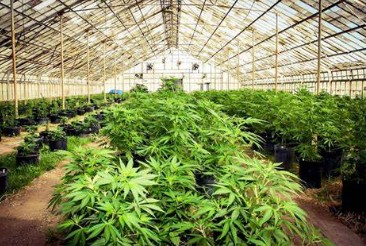
- Indica Characteristics: Grape Valley Kush has a short, bushy structure with dense internodes, which makes it ideal for techniques like the Sea of Green (SOG) or Screen of Green (ScrOG) that maximize space and light exposure for optimal growth.
- Resilience to Pests: Like many Kush strains, Grape Valley Kush is relatively resilient to pests, fungi, and other environmental stressors. This trait makes it easier to grow compared to some more delicate strains.
2. Optimal Climate and Environmental Conditions
Understanding the ideal environmental conditions is crucial to ensuring healthy plant growth and high-quality buds. Grape Valley Kush, due to its genetics, thrives in climates that mimic its original environment, such as those found in the Mediterranean or mountainous regions.
- Temperature: Grape Valley Kush prefers warm temperatures with a range between 70°F and 85°F (21°C to 29°C) during the vegetative stage. During the flowering phase, the plant can tolerate slightly cooler temperatures, around 65°F to 75°F (18°C to 24°C), which can help enhance trichome production and improve the flavor profile.
- Humidity: Maintaining appropriate humidity levels is critical. During the vegetative phase, the humidity should be kept between 40% and 60%. However, as the plant enters the flowering phase, humidity should be reduced to 40% to 50% to minimize the risk of mold or mildew, which can thrive in a damp environment.
- Air Circulation: Proper airflow and ventilation are essential for maintaining healthy growth. Stagnant air can promote the development of mold and mildew, so a well-ventilated area is important to prevent these issues. Using oscillating fans and ensuring that your growing space has adequate exhaust systems can help keep the air circulating and the plant healthy.
3. Growing Medium and Soil pH
Choosing the right growing medium is one of the most important decisions when cultivating Grape Valley Kush, as it directly affects nutrient uptake and overall plant health.
- Soil vs. Hydroponics: Grape Valley Kush can be successfully grown in both soil and hydroponic systems, though soil is often preferred by those looking to achieve the best flavor and aroma. Soil allows for more control over the pH and nutrient availability, and the organic medium enhances the terpene profile of the buds. In hydroponic setups, however, nutrient uptake is faster and more efficient, potentially leading to larger yields and faster growth cycles, although the flavor profile might not be as robust.
- Soil Composition: If opting for soil, Grape Valley Kush thrives in well-draining, loamy soil with plenty of organic matter. A mix that includes ingredients like perlite, vermiculite, and composted organic matter can provide good aeration and ensure that the roots have access to adequate oxygen while receiving essential nutrients.
- pH Levels: The ideal pH range for the soil is between 6.0 and 7.0, with a slightly acidic environment being optimal for nutrient absorption. If growing hydroponically, the pH level of the nutrient solution should be kept between 5.5 and 6.5 to promote healthy root development.
4. Lighting
Light is the most significant factor in plant growth and bud development. Grape Valley Kush, like most cannabis strains, has specific light requirements that change throughout its growth stages.
- Vegetative Stage: During this stage, the plant needs approximately 18 to 24 hours of light per day. High-intensity discharge (HID) lights such as Metal Halide (MH) or Light Emitting Diodes (LEDs) with a blue spectrum are ideal for promoting vegetative growth. These lights encourage the development of strong stems and foliage, creating a solid base for flowering.
- Flowering Stage: When the plant enters the flowering stage, it requires a change in its light cycle to trigger bud formation. Grape Valley Kush will thrive under 12 hours of light and 12 hours of darkness each day. The red spectrum of light, typically provided by High-Pressure Sodium (HPS) bulbs or specialized LEDs, will help the plant develop dense buds.
- Light Intensity: The intensity of the light should be carefully monitored to avoid light burn, particularly with LED or HID setups. Keeping lights about 12-18 inches from the canopy during the vegetative stage and around 18-24 inches during flowering can help ensure the plant receives the right amount of light without stressing the plant.
5. Nutrient Requirements
Grape Valley Kush, like most cannabis plants, requires a range of essential nutrients for optimal growth, especially during the flowering phase when the plant requires more nutrients to develop its dense buds. These nutrients can be provided through various fertilizers, either organic or synthetic.
- Nitrogen (N): Nitrogen is necessary during the vegetative phase for the development of healthy leaves and stems. However, during the flowering phase, nitrogen levels should be reduced, as too much nitrogen can interfere with bud development and cause the plant to focus on producing leaves instead of flowers.
- Phosphorus (P): Phosphorus is especially important during the flowering stage, as it helps with the formation of flowers and the development of roots. A high-phosphorus fertilizer is recommended when Grape Valley Kush transitions to flowering to ensure robust bud production.
- Potassium (K): Potassium is essential for overall plant health, helping to regulate water balance, and it encourages the growth of large, dense buds. It should be maintained throughout the plant’s life cycle.
- Micronutrients: Grape Valley Kush also requires micronutrients such as calcium, magnesium, and sulfur. These should be supplied through balanced nutrient mixes to prevent deficiencies and to support strong plant development.
6. Training and Pruning Techniques
Pruning and training are essential steps in cultivating Grape Valley Kush to ensure maximum yields and proper light penetration. These techniques also help control the shape of the plant, preventing it from growing too tall or too bushy.
- Topping: Topping is a technique where the top of the plant is cut off to encourage the growth of multiple colas (flowering sites) rather than a single central stem. This method is particularly beneficial for Grape Valley Kush, which can become bushy and dense. Topping will also help with airflow, reducing the risk of mold and mildew.
- Low Stress Training (LST): This technique involves bending and securing the plant’s branches to encourage horizontal growth rather than vertical. It helps expose more branches to light, ensuring that more of the plant receives the energy needed for bud development.
- Screen of Green (ScrOG): A technique used for bushier plants, ScrOG involves placing a screen or net above the plant and weaving the branches through it to create an even canopy. This maximizes light distribution across the plant, promoting even bud development and increasing yield.
- Defoliation: Selectively removing some of the fan leaves is another common method used to increase airflow and ensure that light reaches the lower branches. To prevent the plant from being stressed, defoliation should be applied sparingly.
7. Harvesting
The harvest time is crucial for achieving the best possible potency and flavor. Grape Valley Kush typically takes around 8-9 weeks to flower, depending on environmental factors and the specific phenotype being grown.
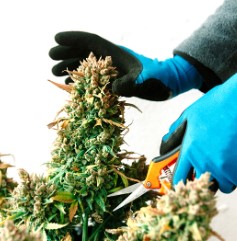
- Trichome Color: The most reliable method to determine the optimal harvest time is by examining the trichomes (tiny resin glands) on the buds. Using a magnifying glass or jeweler’s loupe, look for trichomes that are milky white with some amber color. Clear trichomes indicate the plant is not yet ready, while mostly amber trichomes suggest the plant has passed peak potency.
- Flushing: Prior to harvest, it is recommended to flush the plant with clean water for at least 1-2 weeks. Flushing helps remove excess nutrients, ensuring that the final product is smoother and cleaner when smoked or vaped.
Conclusion
Grape Valley Kush is a well-balanced hybrid that offers a wide range of benefits for both medical and recreational cannabis users. With its sweet, grape-like aroma and a combination of relaxing and uplifting effects, it’s easy to see why this strain is favored by many. Whether you are looking for a strain to alleviate pain, manage anxiety, or simply unwind, Grape Valley Kush provides a potent and enjoyable experience that can suit a variety of needs. Its moderate THC levels and unique terpene profile make it a standout in the cannabis community, offering both therapeutic benefits and a satisfying recreational experience.
For a complete directory of cultivars, visit our Cannabis Strain Reviews.
