Table of Contents
Grape Stomper is a hybrid cannabis strain known for its distinct fruity flavor and aroma, which resembles a combination of grape and citrus, with hints of diesel. This strain is a popular choice among both recreational and medical cannabis users for its well-rounded effects. Below is a detailed exploration of the Grape Stomper cannabis strain, covering its genetic makeup, effects, medical benefits, potential side effects, and scientific research backing its use.
Genetic Profile of Grape Stomper
Grape Stomper is a hybrid strain that is generally described as a cross between two well-known strains: Grape Ape and Sour Diesel. The resulting hybrid combines the fruity sweetness of Grape Ape with the potent diesel and sour notes characteristic of Sour Diesel.
- Lineage:
- Grape Ape (Indica): A strain renowned for its calming and sedative effects. It contributes to the Grape Stomper’s relaxing qualities.
- Sour Diesel (Sativa-dominant): Known for its energizing effects, Sour Diesel brings a cerebral high and uplifting effects to the cross.
This combination results in a balanced hybrid with effects from both the Indica and Sativa spectrums, making it a versatile choice for many cannabis users.
Appearance and Aroma
- Appearance:
- Grape Stomper typically produces dense, medium-sized buds that are lime green in color, with purple undertones often appearing in the final stages of flowering.
- The buds are thickly covered in a layer of trichomes, giving them a frosty, crystalline look. The pistils (the orange hairs) are intertwined within the buds, adding a further contrast to the green and purple hues.
- Aroma and Flavor:
- The aroma of Grape Stomper is one of its most distinctive features. It emits a strong grape scent mixed with a subtle diesel aroma. The sweetness from the grape is balanced by the earthy, fuel-like scent of Sour Diesel, creating a unique fragrance profile.
- When smoked or vaporized, Grape Stomper’s flavor profile continues to impress. It has a smooth, grape-like taste with undertones of citrus, which blend into a slightly earthy and diesel aftertaste.
THC and CBD Content
- THC Content:
- The average THC content in Grape Stomper ranges between 18% and 25%, making it a potent strain for those seeking strong effects. Its balanced THC profile makes it suitable for both experienced and novice users, though those with low tolerance should proceed with caution.
- CBD Content:
- Grape Stomper has a relatively low CBD content, generally around 0.1% to 0.5%. This is typical of strains with higher THC content, as most recreational strains tend to have lower levels of CBD.
Effects and Experience
Recreational Effects:
Grape Stomper is well-loved by recreational users for its balanced high. The effects tend to be uplifting and euphoric, thanks to the Sativa influence from Sour Diesel, but it also has a relaxing and soothing quality due to the Indica influence of Grape Ape.

- Initial Head Rush: Upon consumption, users typically feel a quick cerebral head rush. This initial effect brings a burst of euphoria and creativity, making Grape Stomper a good choice for activities such as socializing, enjoying music, or engaging in creative pursuits.
- Relaxation and Calmness: As the high progresses, the relaxing qualities from Grape Ape begin to take over. The body feels deeply relaxed without being overly sedated. It’s a great strain for unwinding at the end of a long day, offering a pleasing harmony between physical rest and mental activity.
- Mood Enhancement: Grape Stomper is known for promoting an overall sense of well-being and mood elevation. It can help alleviate stress, anxiety, and even symptoms of depression, making it an excellent choice for those looking to improve their mood or simply relax.
Medical Effects:
Medically, Grape Stomper is highly regarded for its versatility, helping users manage a variety of conditions. Its hybrid nature means that it can provide both uplifting and relaxing effects, which can be useful for addressing different symptoms.

- Pain Relief: The Indica influence of Grape Stomper makes it effective for managing chronic pain, whether from injury, inflammation, or conditions like arthritis. The relaxation it provides can also help soothe muscle tension and aches.
- Stress and Anxiety Relief: Many users report that Grape Stomper helps alleviate feelings of stress and anxiety. The calming effects from the Grape Ape lineage can help individuals unwind, reduce nervousness, and manage daily stressors.
- Mood Disorders: Grape Stomper is beneficial for individuals suffering from depression and other mood disorders. Its euphoric effects can improve overall mood and provide temporary relief from symptoms of sadness or low energy.
- Nausea and Appetite Stimulation: Like many cannabis strains, Grape Stomper can stimulate appetite and reduce nausea. This makes it a popular choice for individuals undergoing chemotherapy or suffering from conditions that cause a lack of appetite.
- Insomnia: Though not overwhelmingly sedative, Grape Stomper can help those struggling with mild insomnia. The relaxing effects of this strain may make it easier to fall asleep without the heavy sedation that some other strains might induce.
Potential Side Effects
As with most cannabis strains, Grape Stomper comes with a few potential side effects, especially for those who are sensitive to THC or consume large amounts.
- Dry Mouth: One of the most common side effects of cannabis, including Grape Stomper, is dry mouth (also known as “cottonmouth”). This can be mitigated by staying hydrated.
- Dry Eyes: Like dry mouth, dry eyes are another common effect that may be experienced by some users. Using lubricating eye drops can help ease this discomfort.
- Anxiety or Paranoia: Although Grape Stomper is generally a calming strain, users who consume too much or those with a low tolerance may experience increased anxiety or paranoia. It is advisable to start with a low dose, especially for novice users.
- Dizziness: Some users might feel lightheaded or dizzy, particularly if they are not accustomed to high-THC strains. This is more likely to occur if the user consumes too much too quickly.
Growing Grape Stomper
Cultivating Grape Stomper, like most cannabis strains, involves understanding its unique genetic traits and requirements. Below is a detailed breakdown of the scientific methods and principles that can be applied when growing this hybrid cannabis strain.
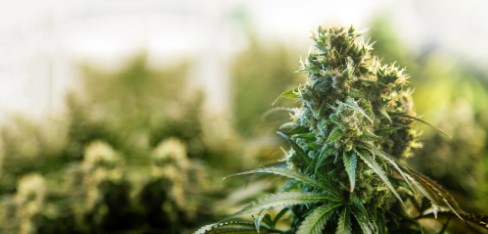
I. Basic Overview of Grape Stomper’s Cultivation Needs
Grape Stomper is a hybrid strain, which means it benefits from a combination of Sativa and Indica growing traits. This strain’s genetics provide it with a moderate level of resistance to pests and environmental stress, but it still requires optimal growing conditions to thrive. Understanding the environmental requirements and cultivation techniques will help maximize yield and potency.
Growth Type:
- Indica/Sativa Hybrid: Grape Stomper’s hybrid nature means it exhibits traits from both Indica and Sativa plants. It can grow tall like a Sativa but typically has a bushier structure more common with Indicas.
Flowering Time:
- Indoor Cultivation: 8 to 10 weeks.
- Outdoor Cultivation: Late September to early October, depending on the local climate.
Average Height:
- Indoor plants typically reach between 3 to 4 feet.
- Outdoor plants can grow taller, ranging from 5 to 7 feet, especially in optimal conditions.
II. Environmental Factors for Cultivating Grape Stomper
The following environmental factors should be considered when cultivating Grape Stomper to ensure healthy growth and high-quality yields:
1. Light and Photoperiod
- Light Requirements: Cannabis plants, including Grape Stomper, are light-dependent and require a balanced light schedule to induce flowering. During the vegetative phase, they require 18-24 hours of light per day. When transitioning to the flowering phase, plants require 12 hours of darkness and 12 hours of light.
- Indoor Setup: For indoor cultivation, plants need high-intensity lighting, such as Metal Halide (MH) lights during the vegetative stage and High-Pressure Sodium (HPS) lights for flowering. These lighting systems simulate sunlight and promote the production of buds.
- Outdoor Setup: Grape Stomper thrives in sunny environments, which mimic its natural habitat. Growers should aim to plant the strain in a location with at least 6 hours of direct sunlight daily.
2. Temperature and Humidity
- Temperature Range: Grape Stomper grows best within a temperature range of 65°F to 80°F (18°C to 27°C). During the flowering phase, it is particularly important to avoid excessive heat, as it can stress the plant and impact bud production.
- Night Temperature Drop: A slight drop in temperature (to around 60°F or 15°C) at night can help enhance the purple coloration in the buds, a characteristic that Grape Stomper often displays. This is especially common if growing conditions allow for it.
- Humidity Levels:
- Vegetative Stage: Grape Stomper plants prefer a humidity level between 50% to 70% during the vegetative phase to ensure optimal growth. Higher humidity helps in the development of larger leaves and stems.
- Flowering Stage: As the plant enters the flowering phase, the humidity should be lowered to 40% to 50% to prevent mold growth on the buds. High humidity levels during this phase can lead to bud rot and other fungal infections.
3. Soil or Hydroponics
- Soil Cultivation: Grape Stomper does well in soil-based systems. Well-draining, nutrient-rich soil (such as a mix of coco coir, perlite, and organic compost) can provide the plants with sufficient nutrients for vigorous growth.
- Soil pH: The pH of the soil should be maintained between 6.0 and 6.5. This pH level is ideal for nutrient absorption, ensuring the plant receives adequate nutrients throughout its growth cycle.
- Hydroponics Cultivation: While soil is the preferred method, hydroponic systems can also be used to grow Grape Stomper. Hydroponic setups, such as Deep Water Culture (DWC) or Nutrient Film Technique (NFT), can provide the plant with faster nutrient uptake and larger yields, though they require more management and attention.
- Water pH: For hydroponic systems, maintaining a pH level between 5.5 and 6.5 is optimal.
III. Nutrient Requirements
As with other cannabis strains, Grape Stomper requires a balanced nutrient regimen throughout its lifecycle. Nutrients are broken down into macronutrients and micronutrients, and each is important for different phases of growth.
1. Macronutrients:
- Nitrogen (N): Nitrogen is crucial for vegetative growth, as it helps in the development of leaves, stems, and branches. Grape Stomper requires higher levels of nitrogen during the early vegetative phase.
- Phosphorus (P): Phosphorus is important for root development and flower production. It is especially important in the flowering stage when the plant is developing buds.
- Potassium (K): Potassium promotes overall plant health, stress resistance, and flower production. It should be provided during both vegetative and flowering stages.
2. Micronutrients:
- Calcium (Ca): Helps with cell wall structure and the prevention of diseases such as calcium deficiency (often leading to “tip burn”).
- Magnesium (Mg): Essential for photosynthesis and overall plant vigor.
- Iron (Fe), Manganese (Mn), Zinc (Zn): Micronutrients that support various cellular functions and enzyme systems.
Grape Stomper can benefit from organic fertilizers that release nutrients gradually, reducing the risk of over-fertilization. However, synthetic fertilizers can also be used effectively as long as they are administered in correct amounts.
IV. Pruning and Training Techniques
Proper pruning and training techniques can help maximize the yield and overall health of Grape Stomper plants. By ensuring the plant has enough space for light to reach all parts of the plant, you can encourage better bud development.
1. Low Stress Training (LST):
LST is a technique that involves bending and tying down branches to create a more horizontal growth pattern. This allows the plant to spread out and ensures that lower branches receive enough light, ultimately increasing the yield. LST is especially effective during the vegetative stage.
2. Topping:
Topping involves cutting the main stem of the plant just above a node (the part where leaves grow), which forces the plant to grow two new branches from that point. This method can help create a bushier plant with more bud sites, increasing the overall yield.
3. Defoliation:
Defoliation, or removing some of the plant’s leaves, can help improve airflow and light penetration to lower parts of the plant. However, it is important not to remove too many leaves, as they are essential for photosynthesis.
4. ScrOG (Screen of Green):
ScrOG is a method that uses a screen or mesh to train branches to grow horizontally across the screen. This technique maximizes the exposure of the plant’s colas to light, leading to more uniform bud development. ScrOG is ideal for indoor growers with limited vertical space.
V. Pest Management and Disease Prevention
Grape Stomper is relatively resistant to pests and diseases, but growers should still take preventive measures to ensure the health of the plants.
1. Common Pests:
- Spider Mites: These tiny pests can damage cannabis leaves by sucking out plant fluids. Preventative treatments with neem oil or insecticidal soap can keep spider mites at bay.
- Aphids and Whiteflies: Both aphids and whiteflies can also infest cannabis plants, feeding on the plant and causing stress. Using natural predators (like ladybugs) or organic pesticides can control these pests.
2. Mold and Mildew Prevention:
- Powdery Mildew: Powdery mildew can develop in high-humidity environments, especially during the flowering stage. To prevent this, keep humidity levels in check and ensure good airflow around the plants.
- Bud Rot: Grape Stomper, like many other cannabis strains, is susceptible to bud rot if the buds are too dense and moisture accumulates. Regularly inspect buds and trim off any dead or infected material.
VI. Harvesting Grape Stomper
The optimal harvest time for Grape Stomper is when the trichomes (small resin glands on the buds) change from clear to milky white. A few amber-colored trichomes are acceptable, but too many amber trichomes can result in a more sedative effect due to the higher concentration of CBN (Cannabinol), which is a breakdown product of THC.
- Indoor Harvesting: This typically occurs around 8 to 10 weeks into the flowering phase.
- Outdoor Harvesting: Outdoor plants are usually harvested in late September to early October, depending on climate.
Scientific Research and Studies on Grape Stomper
While specific studies focusing on Grape Stomper are limited, much of the research surrounding cannabis in general can be applied to this strain. The therapeutic effects attributed to Grape Stomper align with what has been observed in other cannabis strains with similar profiles.
- Cannabinoids and Terpenes: The therapeutic effects of Grape Stomper can be explained by its cannabinoid and terpene content. The primary cannabinoids in this strain are THC and small amounts of CBD, which work together to produce the euphoric and relaxing effects. Additionally, Grape Stomper contains several terpenes, including myrcene, limonene, and caryophyllene, which contribute to its unique flavor and therapeutic properties.
- Myrcene: Known for its relaxing and sedative effects.
- Limonene: Offers anti-anxiety and mood-enhancing effects.
- Caryophyllene: Has anti-inflammatory properties and may help with pain relief.
- Mood Enhancement and Anxiety Relief: Research supports the notion that cannabis, particularly strains with higher THC content, can help alleviate symptoms of anxiety and depression. The mood-enhancing properties of Grape Stomper align with findings in various studies on the efficacy of cannabis for treating mood disorders.
Conclusion
Grape Stomper is a hybrid strain that offers a unique combination of uplifting and relaxing effects, which makes it a great option for both medicinal and recreational users. Its balanced THC content, distinct flavor profile, and versatility in treating conditions such as pain, anxiety, and insomnia make it a popular choice among cannabis users.
Whether you are seeking to unwind after a long day, alleviate symptoms of a medical condition, or simply enjoy its fruity and diesel-like taste, Grape Stomper offers a well-rounded experience that caters to a variety of needs. Always remember to use cannabis responsibly and consult with a healthcare professional if you have any concerns regarding its effects or suitability for your medical needs.
For a complete directory of cultivars, visit our Cannabis Strain Reviews.
